ATLAS / 1000 BC—PRESENT
How Atlas is sourced← Back to Atlas
Back to Atlas timeline

27 BC–180 · Europe · Empire

Pax Romana

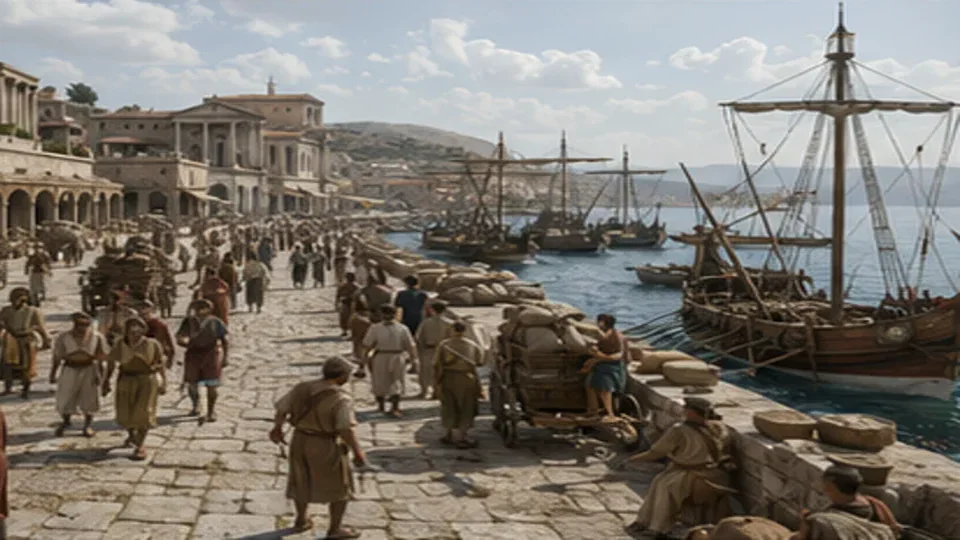
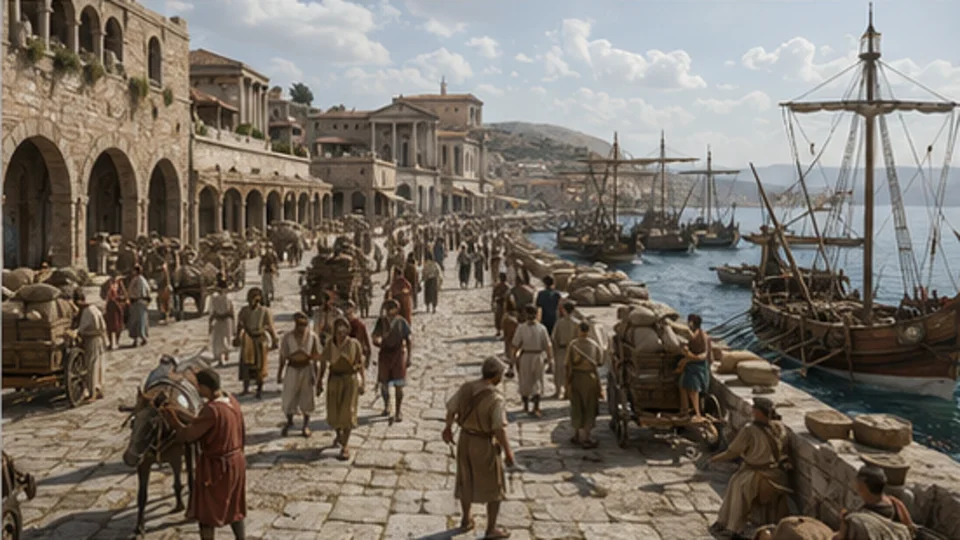
Imperial rule, roads, ports, law and common commercial languages connected the Mediterranean world into which Jesus and the apostles were born.

Atlas dossier · Christian Age

Free device narration · synchronized English captions · transcript available

Why it matters

Roman infrastructure enabled both imperial coercion and the rapid movement of early Christian missionaries.

Date
27 BC–180
Historical setting
Christian Age · Europe
People & communities
Augustus · provincial peoples · merchants · soldiers
01

Event

Imperial rule, roads, ports, law and common commercial languages connected the Mediterranean world into which Jesus and the apostles were born.

02

People

Augustus · provincial peoples · merchants · soldiers
03

Consequences

Roman infrastructure enabled both imperial coercion and the rapid movement of early Christian missionaries.

Interpretation note

Evidence, memory and historical debate

This dossier distinguishes the event’s basic chronology from later arguments about meaning, responsibility and legacy. When comparing religious, national, Indigenous or scholarly interpretations, consult the primary and institutional sources above alongside peer-reviewed historical work.

Elsewhere in the world

Parallel histories near this moment

4 BC–30 · Middle EastLife and ministry of Jesus Christ

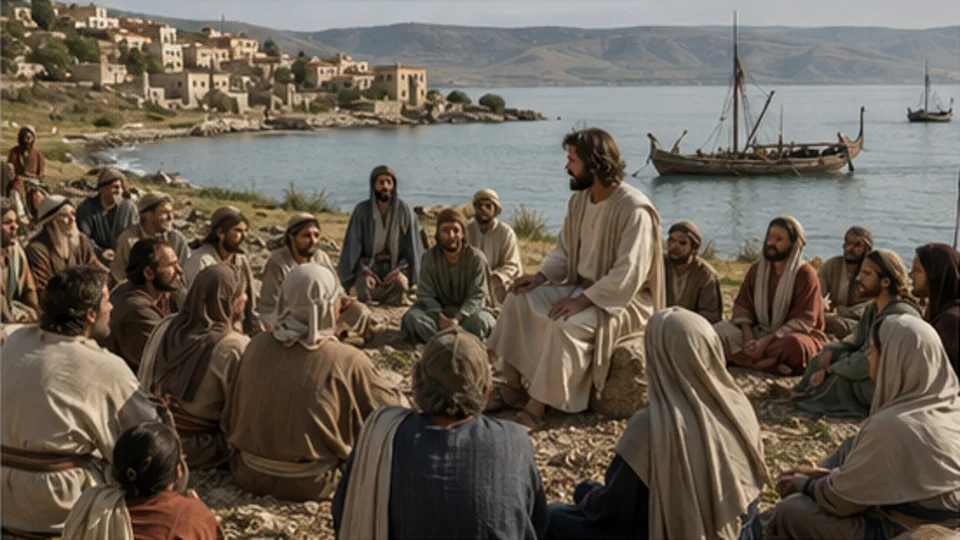
Jesus taught in Roman-ruled Judea and Galilee, was crucified under Pontius Pilate, and—according to the New Testament—rose and ascended.

30–67 · Middle EastApostolic Church and Paul’s journeys

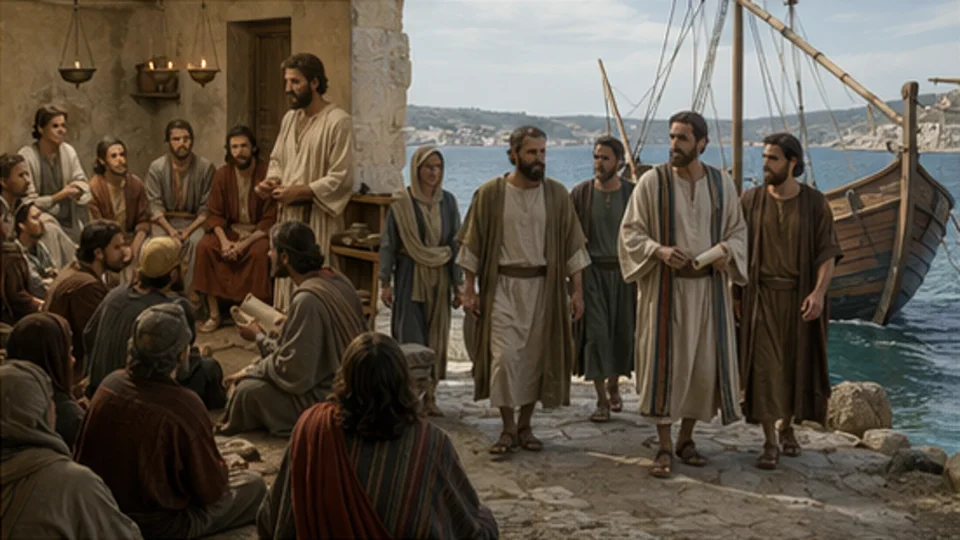
Pentecost, missionary travel and house churches carried the Christian message from Jerusalem through Asia Minor, Greece and Rome.

70 · Middle EastDestruction of Jerusalem

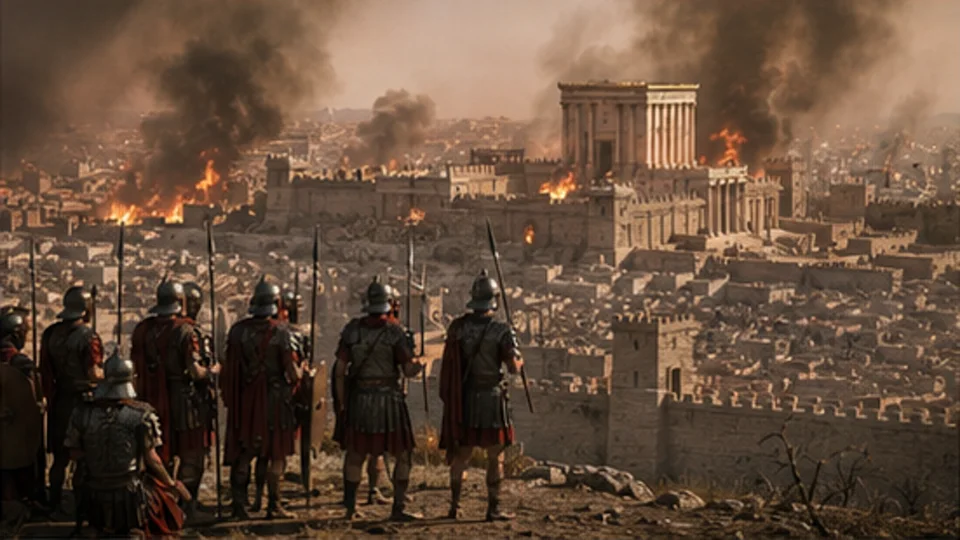
Roman forces under Titus destroyed Jerusalem and the Second Temple after the Jewish revolt.