ATLAS / ANCIENT—PRESENT
All historyHow Atlas is sourced← Back to Atlas
Back to Atlas timeline
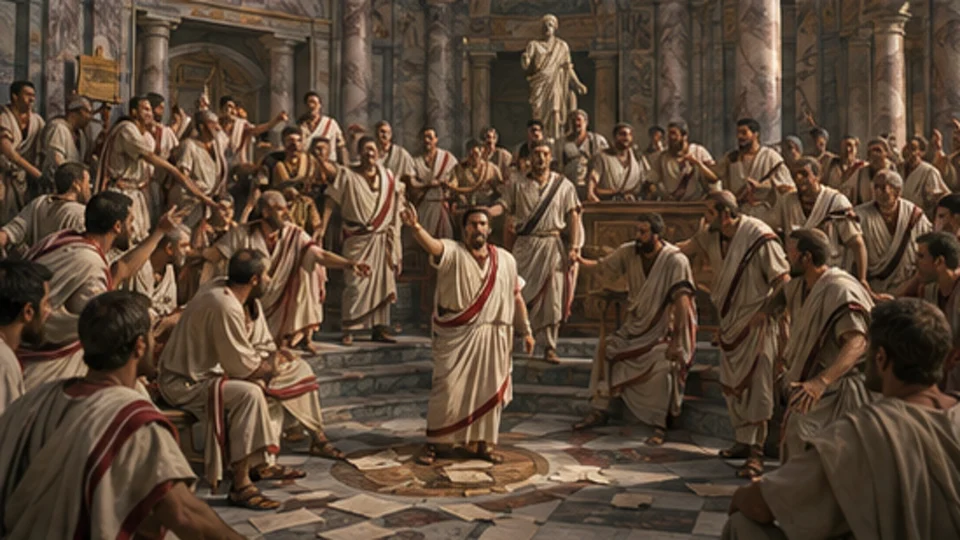
Assassination of Julius Caesar — original Atlas editorial reconstruction

44 BCE · Europe · War

Assassination of Julius Caesar

Senators killed Caesar on the Ides of March, claiming to defend the Republic after his accumulation of extraordinary power.

Atlas dossier · Biblical & Classical

Free device narration · synchronized English captions · transcript available

Why it matters

The assassination did not restore republican stability; it triggered civil wars that produced Augustus and the Roman Empire.

Date
44 BCE
Historical setting
Biblical & Classical · Europe
People & communities
Julius Caesar · Brutus · Cassius · Mark Antony · Octavian

Illustrated sequence

Silent pan-and-zoom motion derivative of the Assassination of Julius Caesar reconstruction; not archival footage.

Supplemental archival visual

A contemporaneous or later historical record, clearly distinguished from the Atlas visual sequence.

The Murder of Caesar, 1865 is presented as a period visual interpretation or documentary record. It does not independently establish the dossier’s chronology; use the linked item page and source trail for its provenance and reuse terms.

Open the item page and rights record ↗The Murder of Caesar, 1865 — Karl Theodor von Piloty; Public Domain; via Landesmuseum Hannover
The Murder of Caesar, 1865Enlarge and examine the picture

Examine the picture

The Murder of Caesar, 1865 · Public Domain

Interpretation note

Evidence, memory and historical debate

This dossier distinguishes the event’s basic chronology from later arguments about meaning, responsibility and legacy. When comparing religious, national, Indigenous or scholarly interpretations, consult the primary and institutional sources above alongside peer-reviewed historical work.

Elsewhere in the world

Parallel histories near this moment

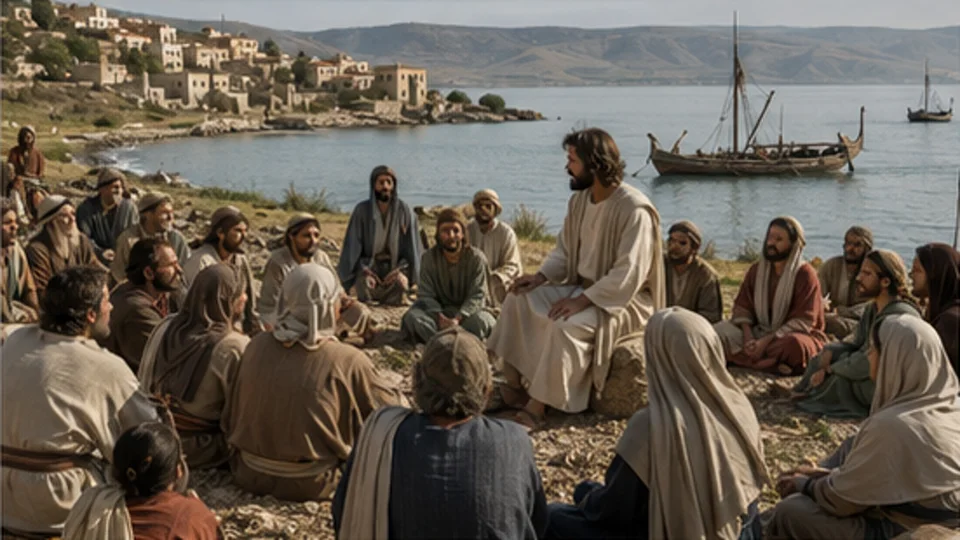
c. 4 BCE–c. 30 CE · approximate chronology · Middle EastLife and ministry of Jesus Christ

Jesus taught in Roman-ruled Judea and Galilee, was crucified under Pontius Pilate, and—according to the New Testament—rose and ascended.

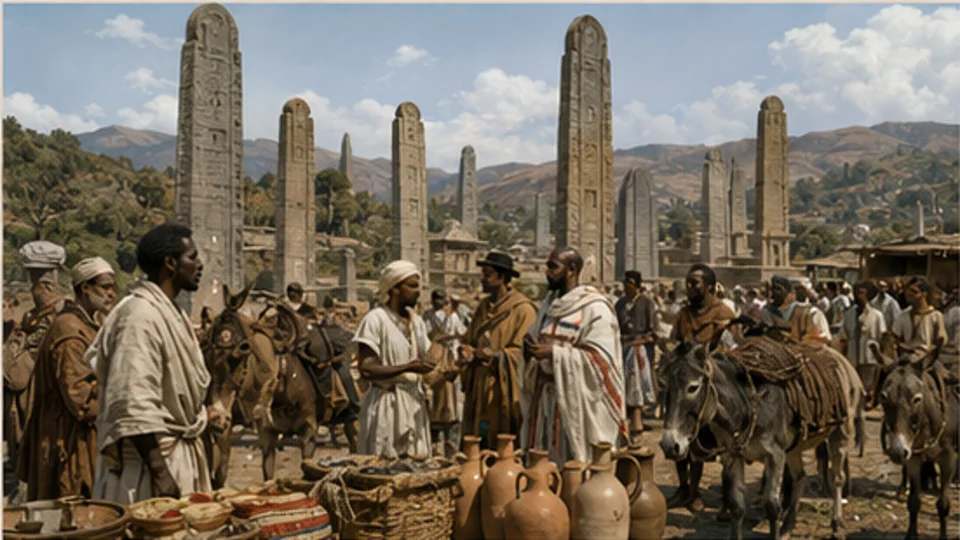
c. 1st–8th centuries CE · AfricaKingdom of Aksum

Aksum linked the African interior, Red Sea and Indian Ocean, minted coinage and adopted Christianity in the fourth century.

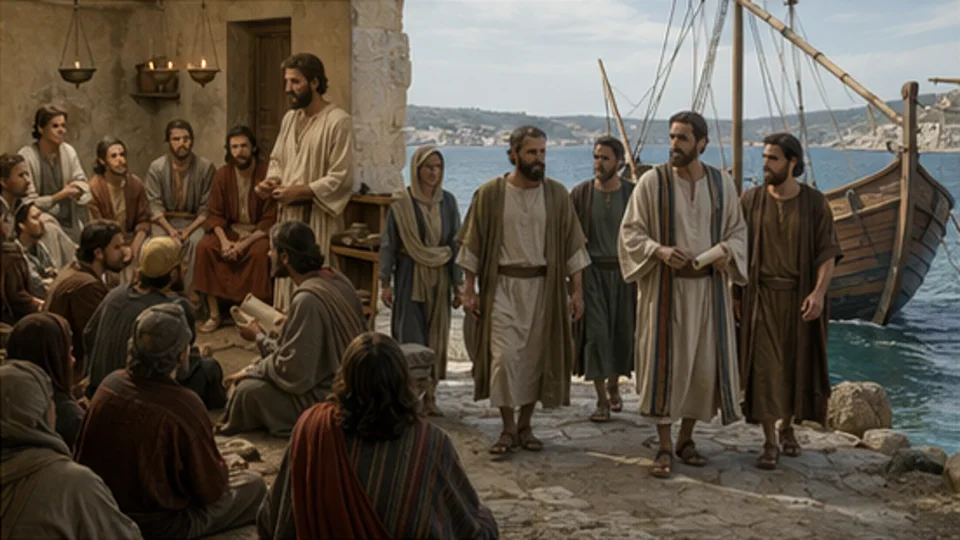
30–67 CE · Middle EastApostolic Church and Paul’s journeys

Pentecost, missionary travel and house churches carried the Christian message from Jerusalem through Asia Minor, Greece and Rome.