ATLAS / ANCIENT—PRESENT
All historyHow Atlas is sourced← Back to Atlas
Back to Atlas timeline
Rome conquers the Greek and Egyptian worlds — original Atlas editorial reconstruction

146–30 BCE · Europe · Empire

Rome conquers the Greek and Egyptian worlds

The destruction of Corinth in 146 BCE marked a major stage in Rome's domination of Greece. After the naval battle of Actium in 31 BCE, Octavian took Alexandria and annexed Ptolemaic Egypt in 30 BCE. These were distinct stages in a longer history of conquest.

Atlas dossier · Biblical & Classical

Free device narration · synchronized English captions · transcript available

Why it matters

Actium and Alexandria ended the Ptolemaic kingdom and made Egypt an imperial province central to Rome’s grain supply.

Date
146–30 BCE
Historical setting
Biblical & Classical · Europe
People & communities
Aemilius Paullus · Cleopatra VII · Mark Antony · Octavian

Illustrated sequence

Silent pan-and-zoom motion derivative of the Rome conquers the Greek and Egyptian worlds reconstruction; not archival footage.

Rome conquers the Greek and Egyptian worlds: people and actionEnlarge and examine the picture

Examine the picture

IMAGE 2

Supporting Atlas reconstruction

Supporting Atlas reconstruction within the same Rome conquers the Greek and Egyptian worlds editorial package; not an independent archival record.

World History in Pictures · Same editorial artwork package

How Atlas classifies this artwork →

Interpretation note

Evidence, memory and historical debate

This dossier distinguishes the event’s basic chronology from later arguments about meaning, responsibility and legacy. When comparing religious, national, Indigenous or scholarly interpretations, consult the primary and institutional sources above alongside peer-reviewed historical work.

Elsewhere in the world

Parallel histories near this moment

221 BCE · AsiaQin unification of China

Qin conquest ended the Warring States period in 221 BCE, divided the empire into centrally administered commanderies and standardized script, currency and measurements while expanding roads and canals.

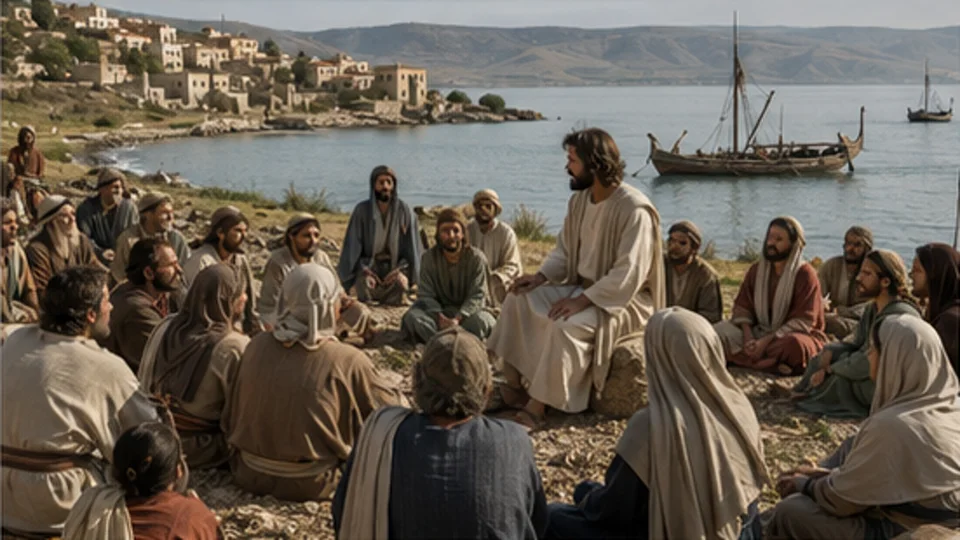
c. 4 BCE–c. 30 CE · approximate chronology · Middle EastLife and ministry of Jesus Christ

Jesus taught in Roman-ruled Judea and Galilee, was crucified under Pontius Pilate, and—according to the New Testament—rose and ascended.

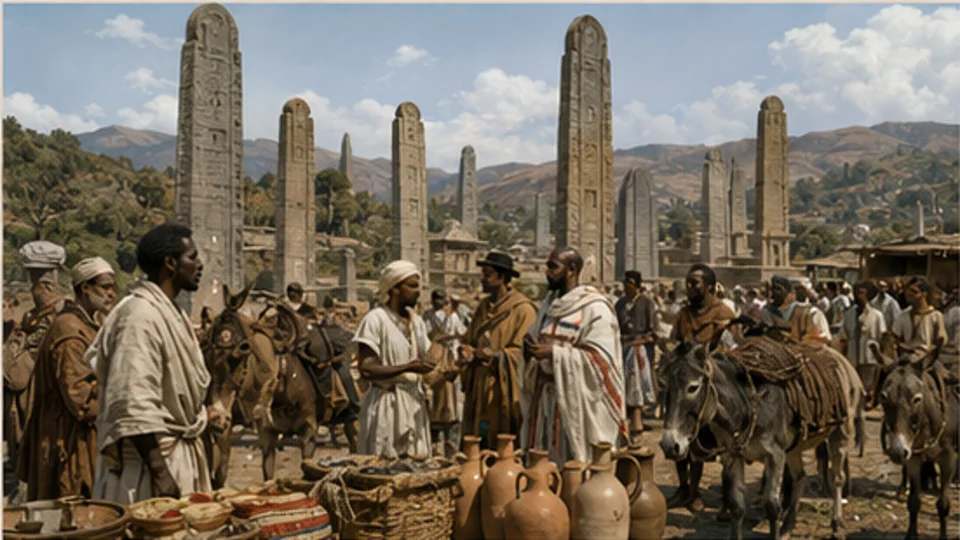
c. 1st–8th centuries CE · AfricaKingdom of Aksum

Aksum linked the African interior, Red Sea and Indian Ocean, minted coinage and adopted Christianity in the fourth century.