ATLAS / ANCIENT—PRESENT
All historyHow Atlas is sourced← Back to Atlas
Back to Atlas timeline
Qin unification of China — original Atlas editorial reconstruction

221 BCE · Asia · Empire

Qin unification of China

Qin conquest ended the Warring States period in 221 BCE, divided the empire into centrally administered commanderies and standardized script, currency and measurements while expanding roads and canals.

Atlas dossier · Ancient World

Free device narration · synchronized English captions · transcript available

Why it matters

The short-lived first imperial dynasty established administrative models later dynasties adapted, alongside warfare, forced labor and severe state coercion.

Date
221 BCE
Historical setting
Ancient World · Asia
People & communities
Qin Shi Huang · Qin administrators
Illustrated sequence

Silent pan-and-zoom motion derivative of the Qin unification of China reconstruction; not archival footage.

Interpretation note

Evidence, memory and historical debate

This dossier distinguishes the event’s basic chronology from later arguments about meaning, responsibility and legacy. When comparing religious, national, Indigenous or scholarly interpretations, consult the primary and institutional sources above alongside peer-reviewed historical work.

Elsewhere in the world

Parallel histories near this moment

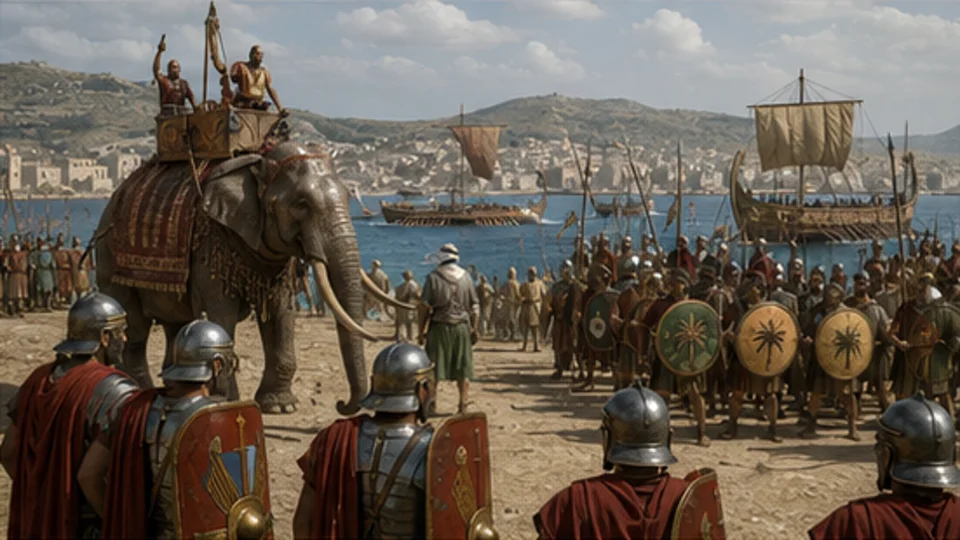
264–146 BCE · EuropePunic Wars

Rome and Carthage fought three wars across the western Mediterranean; the final siege ended in 146 BCE with Carthage’s destruction and the enslavement of much of its surviving population.

146–30 BCE · EuropeRome conquers the Greek and Egyptian worlds

The destruction of Corinth in 146 BCE marked a major stage in Rome's domination of Greece. After the naval battle of Actium in 31 BCE, Octavian took Alexandria and annexed Ptolemaic Egypt in 30 BCE. These were distinct stages in a longer history of conquest.

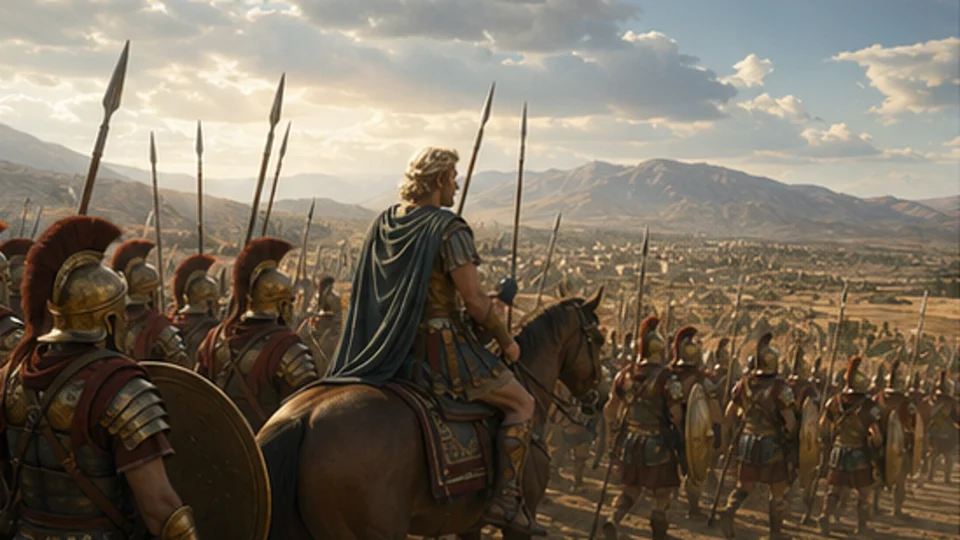
334–323 BCE · GlobalWars of Alexander the Great

Alexander’s Macedonian army defeated Achaemenid Persia, besieged Tyre, entered Egypt and campaigned through Central Asia to the Indus; his empire fragmented into successor kingdoms after his death.