ATLAS / ANCIENT—PRESENT
All historyHow Atlas is sourced← Back to Atlas
Back to Atlas timeline
Trans-Saharan trade and enslavement — original Atlas editorial reconstruction

c. 650–early 1900s CE · regional survey · Africa · Trade

Trans-Saharan trade and enslavement

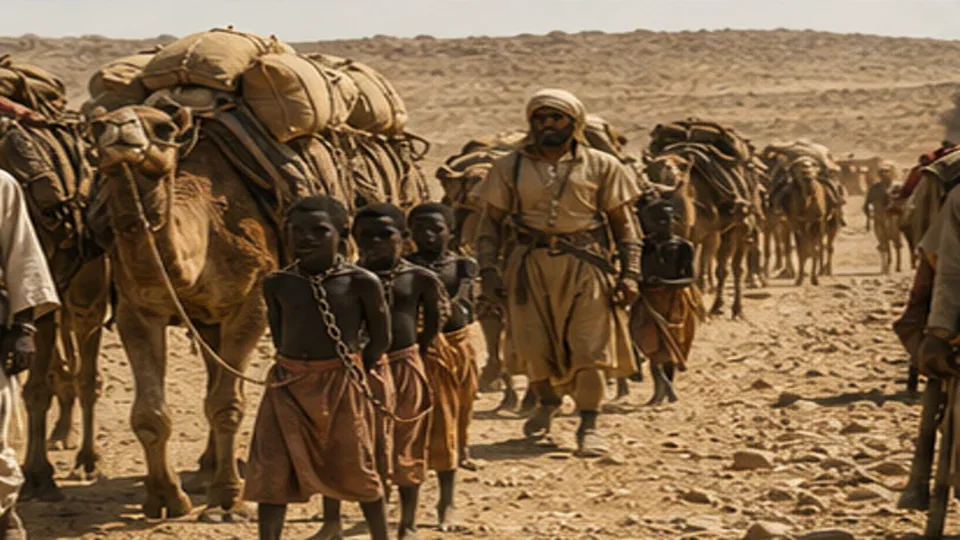
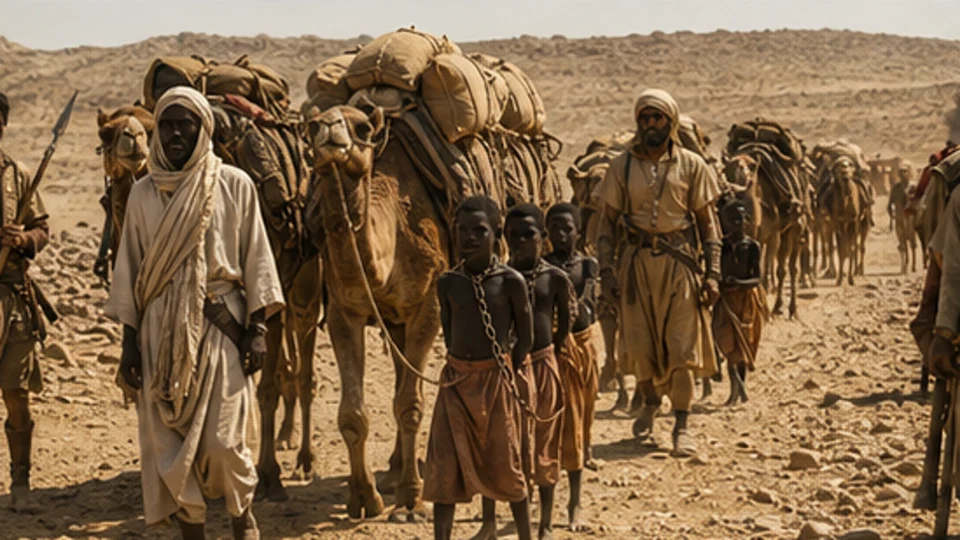
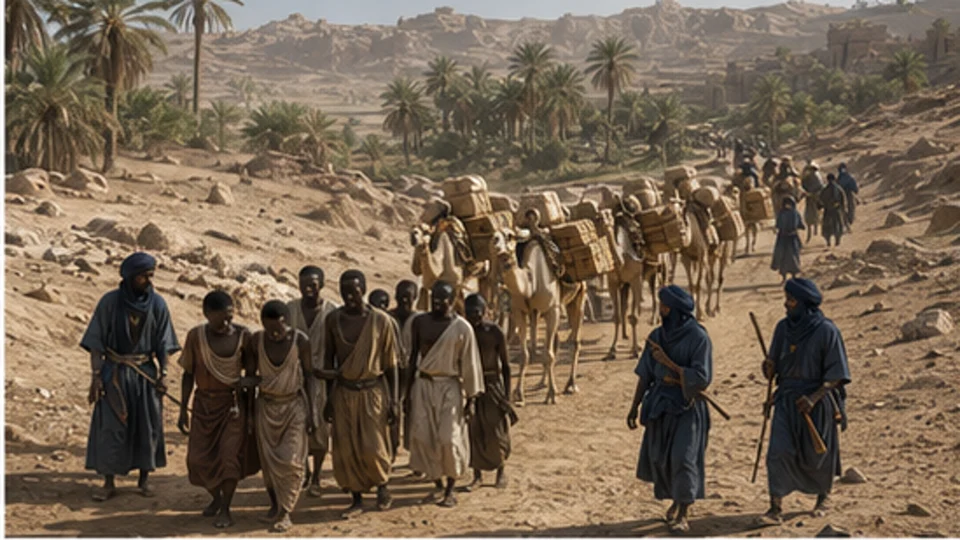
Caravan routes exchanged gold, salt, textiles, books and other goods between North and West Africa; enslaved Africans were also transported northward through Saharan networks over many centuries.

Atlas dossier · Medieval World

Free device narration · synchronized English captions · transcript available

Why it matters

The routes enriched states and cities and carried Islam and scholarship, yet also sustained coercive systems whose human costs must be distinguished from voluntary commerce.

Date
c. 650–early 1900s CE · regional survey
Historical setting
Medieval World · Africa
People & communities
Amazigh and Tuareg caravan communities · West African states · merchants · enslaved women, men and children
A long survey, not one unchanged route

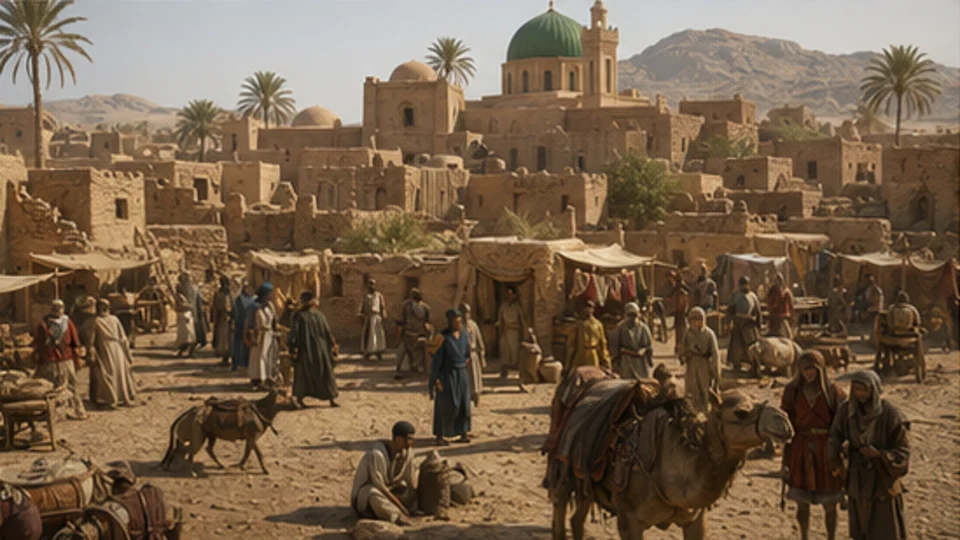
The c. 650–early 1900s range gathers many routes, states and periods. At Timbuktu, UNESCO records a fifteenth- and sixteenth-century commercial and scholarly centre on a southern trans-Saharan route where manuscripts, salt, gold, cattle and grain changed hands. That local peak cannot stand for every century in the dossier.

UNESCO World Heritage Centre: Timbuktu

Commerce and coercion require separate evidence

Gold, salt, books and other voluntary exchange should not make the coerced movement of people appear incidental. Evidence for enslavement is uneven across this very long period, so the atlas does not offer a single trans-Saharan captive total or imply that every caravan had the same purpose.

UNESCO General History of Africa

Illustrated sequence

Silent pan-and-zoom motion derivative of the Trans-Saharan trade and enslavement reconstruction; not archival footage.

Trans-Saharan trade and enslavement — original Atlas editorial reconstruction
IMAGE 1

Original Atlas reconstruction

Primary Atlas editorial reconstruction for Trans-Saharan trade and enslavement.

World History in Pictures · Public site artwork. This record does not grant third-party republication rights.

How Atlas classifies this artwork →
Trans-Saharan trade and enslavement: people and action
IMAGE 2

Supporting Atlas reconstruction

Supporting Atlas reconstruction within the same Trans-Saharan trade and enslavement editorial package; not an independent archival record.

World History in Pictures · Same editorial artwork package

How Atlas classifies this artwork →
Trans-Saharan trade and enslavement: setting and consequences
IMAGE 3

Context crop — same artwork

Context crop from the same Trans-Saharan trade and enslavement reconstruction; not an independent historical record.

World History in Pictures · Same editorial artwork package

How Atlas classifies this artwork →

Interpretation note

Evidence, memory and historical debate

This dossier distinguishes the event’s basic chronology from later arguments about meaning, responsibility and legacy. When comparing religious, national, Indigenous or scholarly interpretations, consult the primary and institutional sources above alongside peer-reviewed historical work.

Elsewhere in the world

Parallel histories near this moment

622–1258 CE · Middle EastIslamic expansion and Golden Age

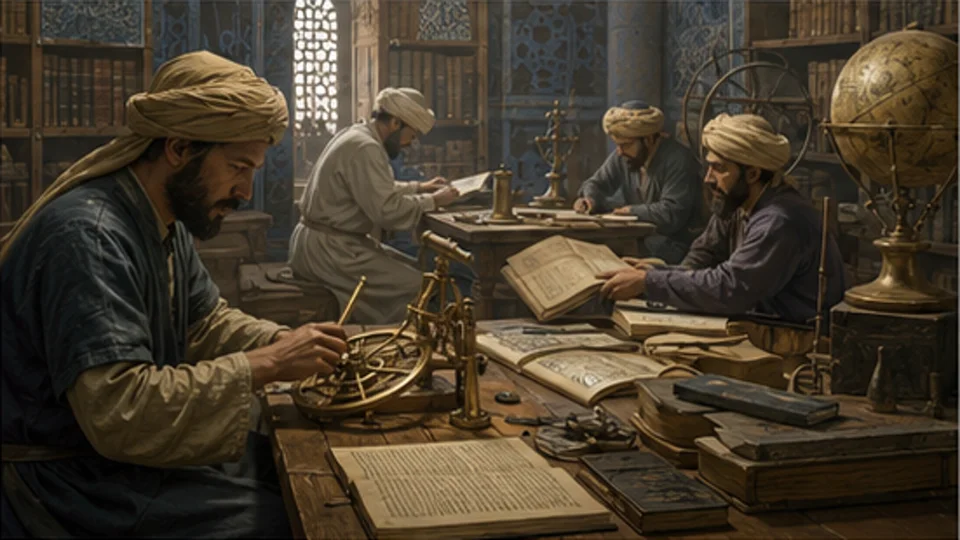
Muslim-ruled societies connected trade and scholarship from Iberia to Central Asia; scholars advanced mathematics, astronomy, medicine and philosophy.

618–1279 CE · AsiaTang and Song China

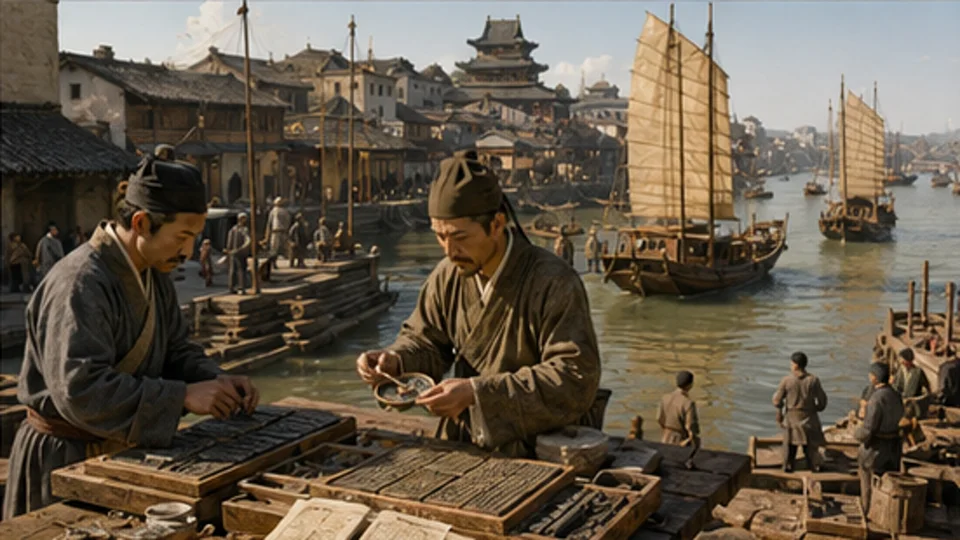
Tang (618–907) and Song (960–1279) were separate dynasties, divided by the Five Dynasties and Ten Kingdoms era. Their changing societies developed major cities, commercial networks, printing, technical knowledge and distinctive scholarly and artistic traditions.

610–750 CE · Middle EastRise and early spread of Islam

Muhammad’s preaching in Arabia, the Hijra and the formation of a Muslim community were followed by caliphal conquests across the Byzantine and Sasanian worlds, North Africa and Iberia.

Explore the connections

The Sokoto Caliphate: political power, plantations and slavery