ATLAS / ANCIENT—PRESENT
All historyHow Atlas is sourced← Back to Atlas
Back to Atlas timeline
Rise and early spread of Islam — original Atlas editorial reconstruction

610–750 CE · Middle East · Faith

Rise and early spread of Islam

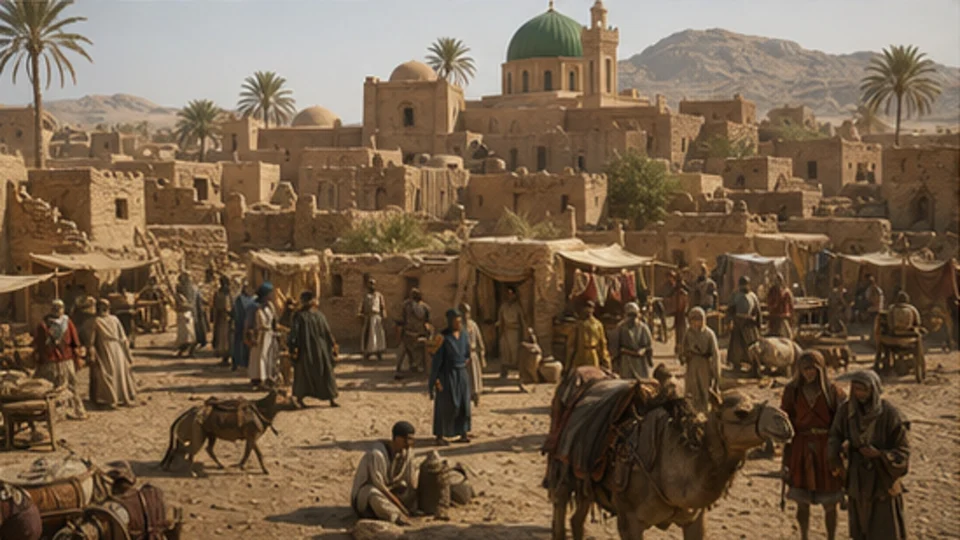
Muhammad’s preaching in Arabia, the Hijra and the formation of a Muslim community were followed by caliphal conquests across the Byzantine and Sasanian worlds, North Africa and Iberia.

Atlas dossier · Medieval World

Free device narration · synchronized English captions · transcript available

Why it matters

A new monotheistic civilization reordered political, religious and commercial life from the Atlantic to Central Asia while Christian, Jewish and other communities persisted under changing conditions.

Date
610–750 CE
Historical setting
Medieval World · Middle East
People & communities
Muhammad · early Muslim communities · Rashidun and Umayyad rulers · conquered peoples

Illustrated sequence

Silent pan-and-zoom motion derivative of the Rise and early spread of Islam reconstruction; not archival footage.

Interpretation note

Evidence, memory and historical debate

This dossier distinguishes the event’s basic chronology from later arguments about meaning, responsibility and legacy. When comparing religious, national, Indigenous or scholarly interpretations, consult the primary and institutional sources above alongside peer-reviewed historical work.

Elsewhere in the world

Parallel histories near this moment

618–1279 CE · AsiaTang and Song China

Tang (618–907) and Song (960–1279) were separate dynasties, divided by the Five Dynasties and Ten Kingdoms era. Their changing societies developed major cities, commercial networks, printing, technical knowledge and distinctive scholarly and artistic traditions.

c. 650–early 1900s CE · regional survey · AfricaTrans-Saharan trade and enslavement

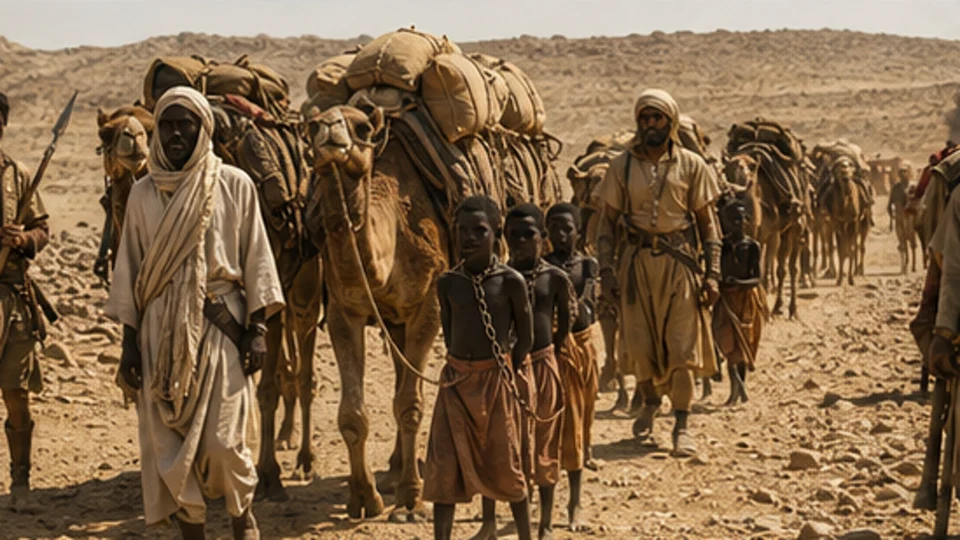
Caravan routes exchanged gold, salt, textiles, books and other goods between North and West Africa; enslaved Africans were also transported northward through Saharan networks over many centuries.

c. 700–early 1900s CE · regional survey · AfricaIndian Ocean and East African slave trades

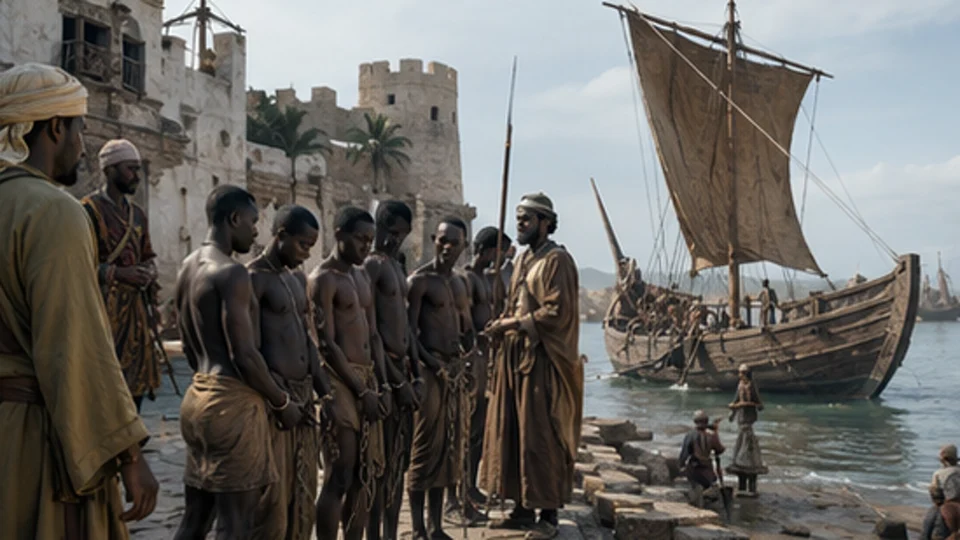
Interconnected Red Sea and Indian Ocean systems moved commodities and enslaved people among East Africa, Arabia, Persia, India and island societies; Zanzibar became a major nineteenth-century hub.

Explore the connections

Borobudur: Buddhist architecture in Java →

Sasanian Iran: kingship, craft and exchange →

Abbasid Iraq: cities, skilled craft and learning →