Why it matters
Their innovations and markets make East Asia central to medieval world history.
- Date
- 618–1279
- Historical setting
- Medieval World · Asia
- People & communities
- Emperors and officials · merchants · artisans · scholars · farming communities
618–1279 · Asia · Technology
Tang and Song societies joined strong states, immense cities and international commerce with advances in printing, navigation, metallurgy, mathematics and administration.
Atlas dossier · Medieval WorldFree device narration · synchronized English captions · transcript available
Why it matters

Tang and Song societies joined strong states, immense cities and international commerce with advances in printing, navigation, metallurgy, mathematics and administration.
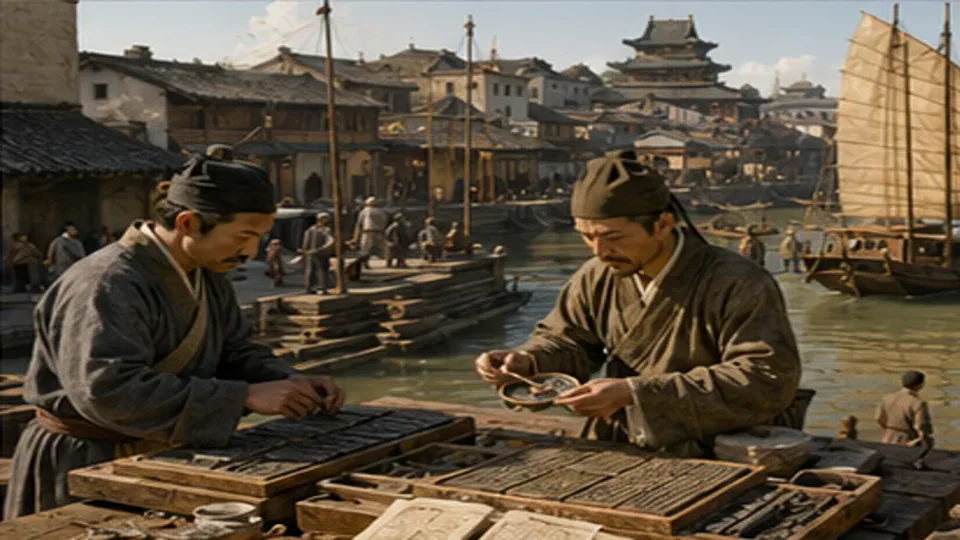
Emperors and officials · merchants · artisans · scholars · farming communities
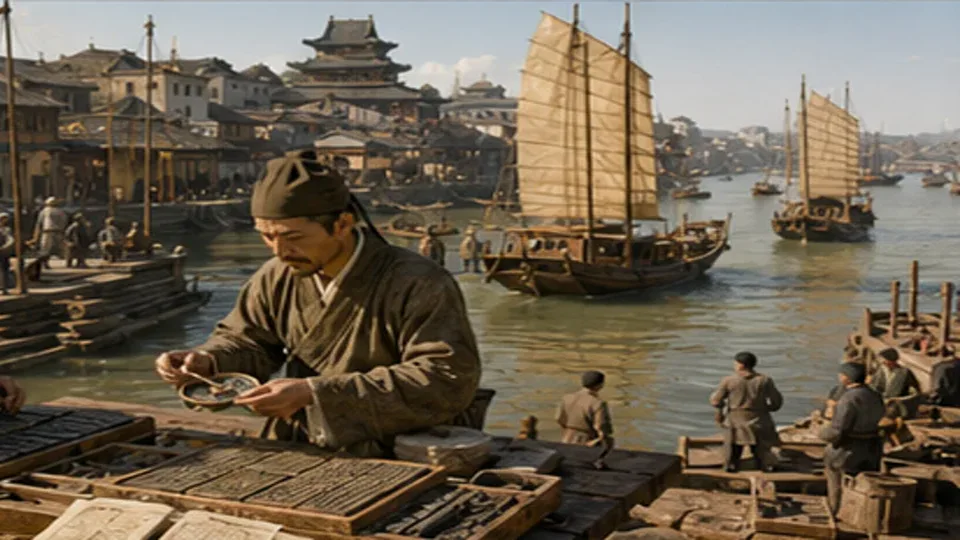
Their innovations and markets make East Asia central to medieval world history.
Interpretation note
This dossier distinguishes the event’s basic chronology from later arguments about meaning, responsibility and legacy. When comparing religious, national, Indigenous or scholarly interpretations, consult the primary and institutional sources above alongside peer-reviewed historical work.
Elsewhere in the world
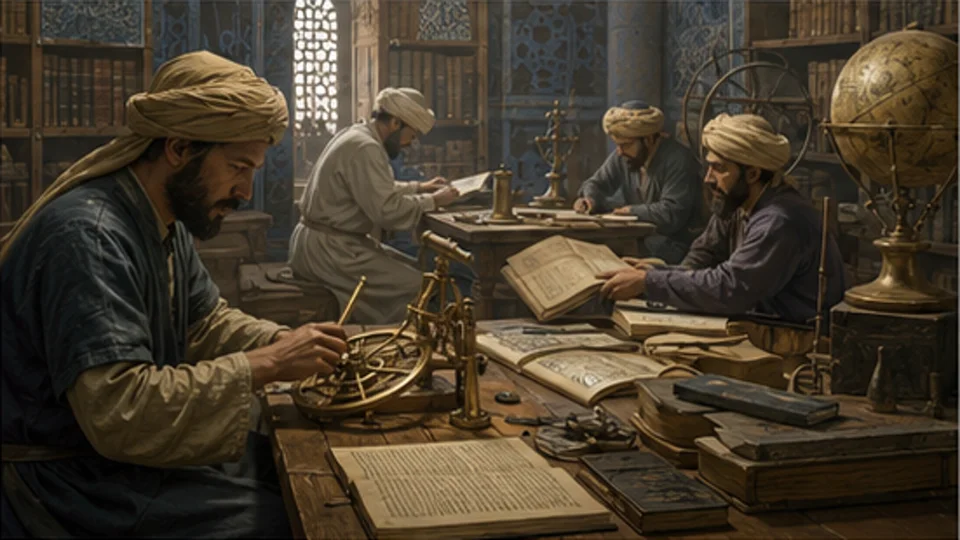 622–1258 · Middle EastIslamic expansion and Golden Age
Muslim-ruled societies connected trade and scholarship from Iberia to Central Asia; scholars advanced mathematics, astronomy, medicine and philosophy.
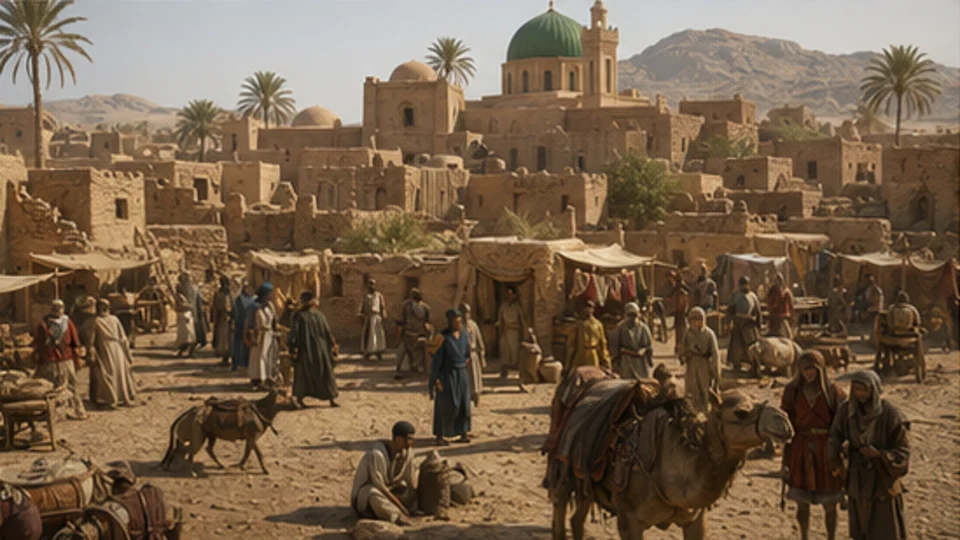 610–750 · Middle EastRise and early spread of Islam
Muhammad’s preaching in Arabia, the Hijra and the formation of a Muslim community were followed by caliphal conquests across the Byzantine and Sasanian worlds, North Africa and Iberia.
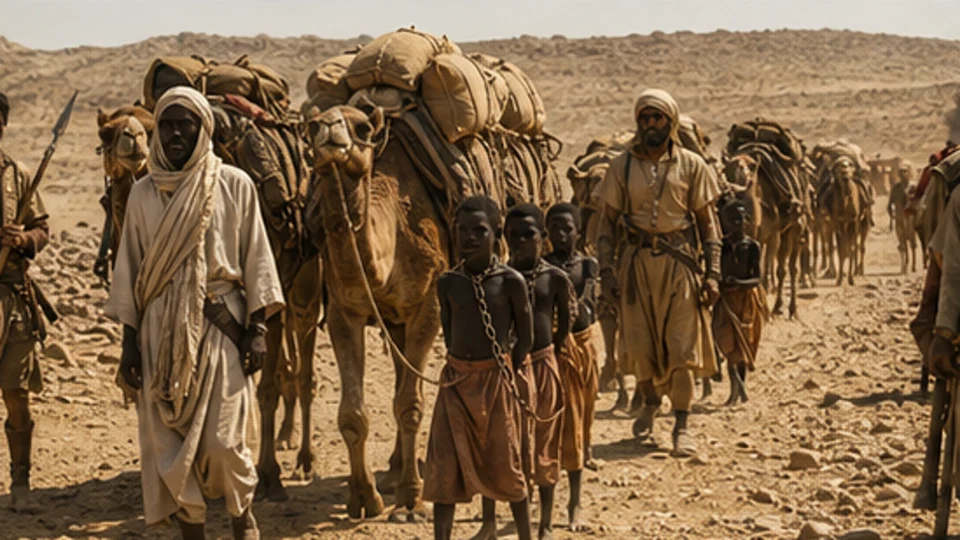 650–1900 · AfricaTrans-Saharan trade and enslavement
Caravan routes exchanged gold, salt, textiles, books and other goods between North and West Africa; enslaved Africans were also transported northward through Saharan networks over many centuries.