ATLAS / 1000 BC—PRESENT
How Atlas is sourced← Back to Atlas
Back to Atlas timeline

476 · Europe · Empire

End of the Western Roman Empire

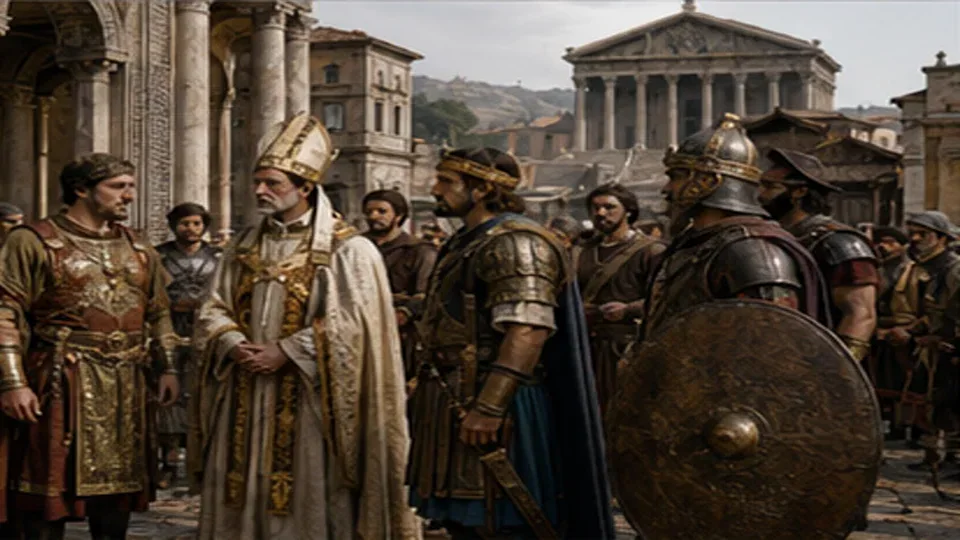
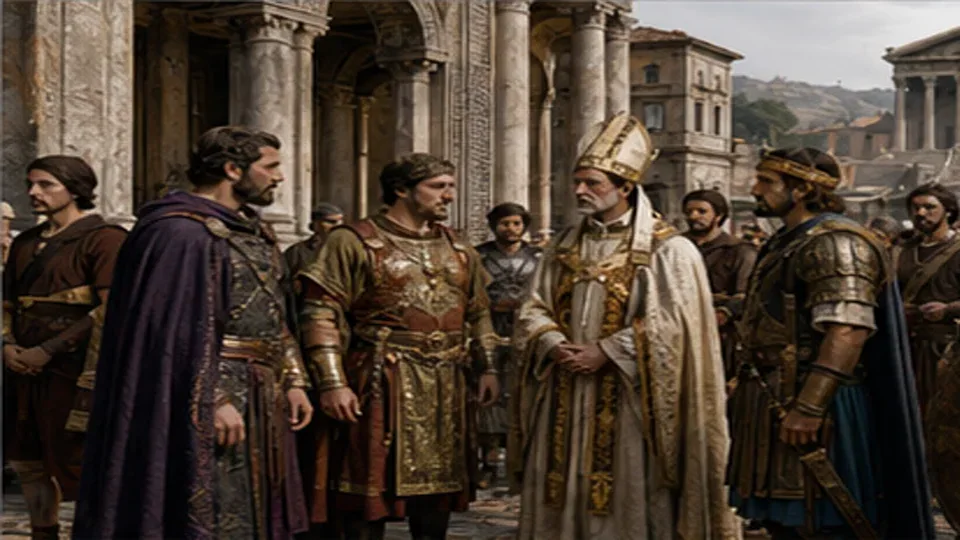
The deposition of Romulus Augustulus became a marker for the end of western imperial rule, although Roman institutions and identities endured in transformed kingdoms.

Atlas dossier · Late Antiquity

Free device narration · synchronized English captions · transcript available

Why it matters

The transition shows that empires rarely vanish at once: authority fragments, institutions migrate and communities adapt.

Date
476
Historical setting
Late Antiquity · Europe
People & communities
Romulus Augustulus · Odoacer · Roman provincial communities · successor kingdoms
01

Event

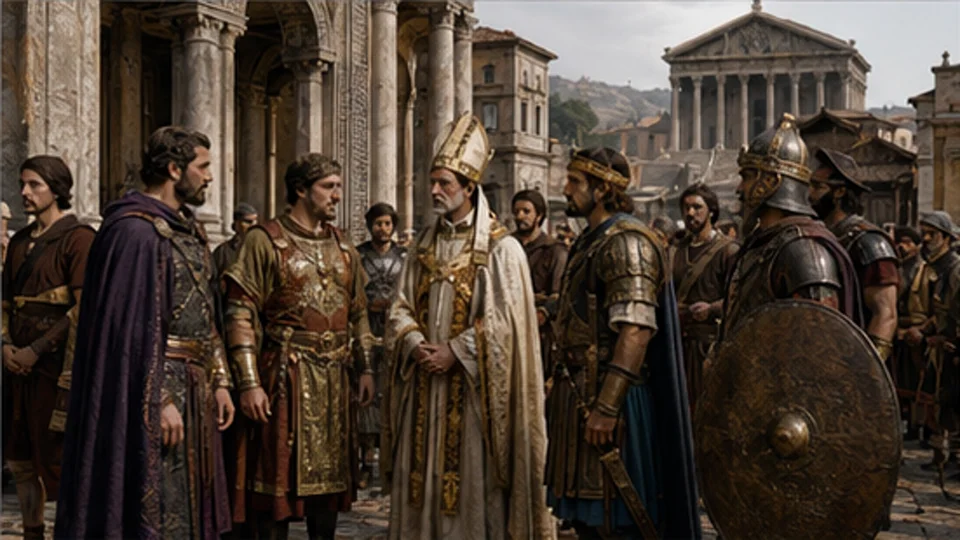
The deposition of Romulus Augustulus became a marker for the end of western imperial rule, although Roman institutions and identities endured in transformed kingdoms.

02

People

Romulus Augustulus · Odoacer · Roman provincial communities · successor kingdoms
03

Consequences

The transition shows that empires rarely vanish at once: authority fragments, institutions migrate and communities adapt.

Interpretation note

Evidence, memory and historical debate

This dossier distinguishes the event’s basic chronology from later arguments about meaning, responsibility and legacy. When comparing religious, national, Indigenous or scholarly interpretations, consult the primary and institutional sources above alongside peer-reviewed historical work.

Elsewhere in the world

Parallel histories near this moment

610–750 · Middle EastRise and early spread of Islam

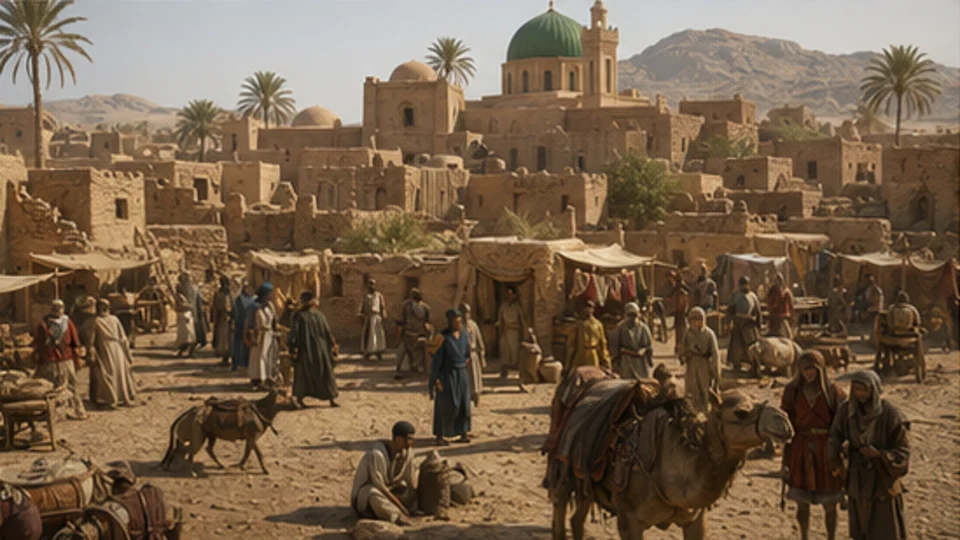
Muhammad’s preaching in Arabia, the Hijra and the formation of a Muslim community were followed by caliphal conquests across the Byzantine and Sasanian worlds, North Africa and Iberia.

618–1279 · AsiaTang and Song China

Tang and Song societies joined strong states, immense cities and international commerce with advances in printing, navigation, metallurgy, mathematics and administration.

622–1258 · Middle EastIslamic expansion and Golden Age

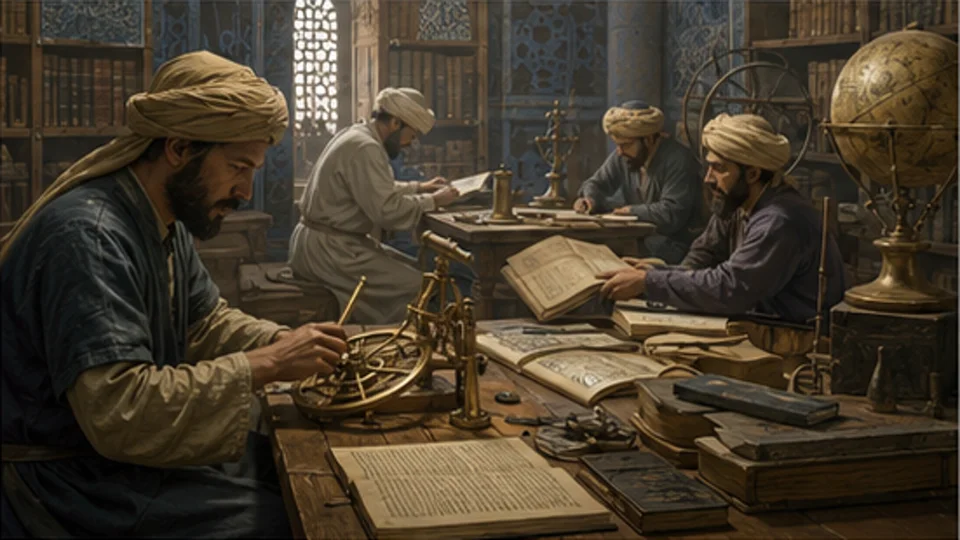
Muslim-ruled societies connected trade and scholarship from Iberia to Central Asia; scholars advanced mathematics, astronomy, medicine and philosophy.