300–1871 CE · Europe · Empire
Rome, the migrations and the long making of Europe
Invasions, settlements and changing alliances transformed Roman Europe. Medieval kingdoms and modern European states emerged through further centuries of political change.
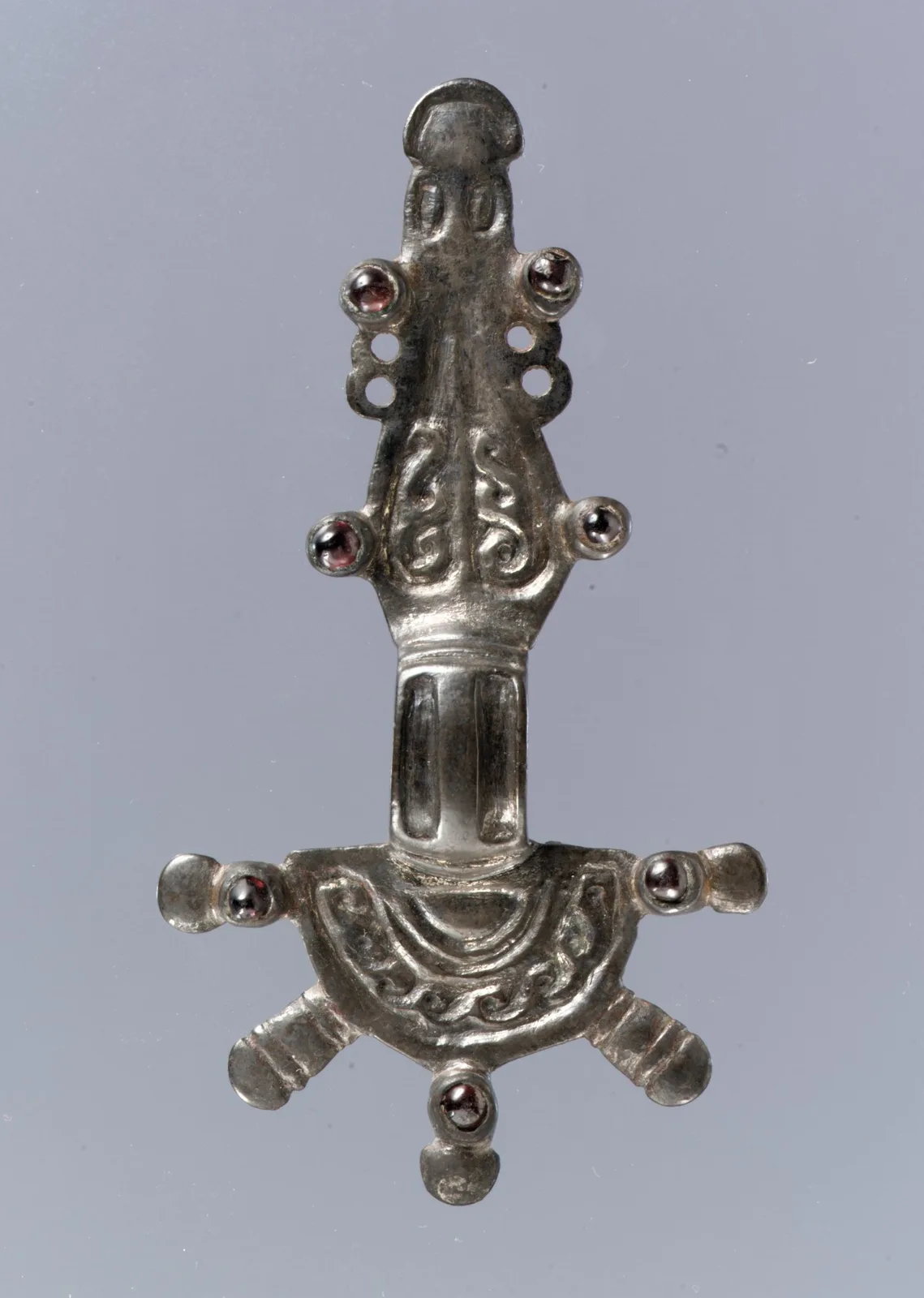 Enlarge and examine the picture
The Metropolitan Museum of Art · Gift of J. Pierpont Morgan, 1917 · 17.192.150 · Public domain / CC0 · Resized and converted to WebP · Source and rights ↗
From Roman rule to later European states
Play the sequence, step through it, or choose a milestone. Spacing on the axis measures elapsed time.
1871 CE · German Empire. The North German Confederation gives way to the German Empire. State formation was a long process.
Read every milestone as text
- 410 CE — Rome sacked. Alaric’s Visigoths sack Rome; this is not yet the deposition of the western emperor.
- 476 CE — Western deposition. Odoacer deposes Romulus Augustulus. Roman institutions and eastern imperial government endure.
- 493 CE — Ostrogothic Italy. Theodoric overthrows Odoacer.
- 843 CE — Carolingian partition. The Treaty of Verdun ends a civil war through division. These are not modern national borders.
- 1861 CE — Italian unification. A nineteenth-century political transformation, far removed from the fall of western Rome.
- 1871 CE — German Empire. The North German Confederation gives way to the German Empire. State formation was a long process.
What “barbarian invasions” describes
“Barbarian” was a Roman label for outsiders, not the name of a single people. The migration period involved warfare, movement, military service and exchange. Goths, Vandals, Franks and other groups had distinct histories. A seventh-century Frankish gold disk brooch in the Met provides a concrete example: its relief design draws on Roman coins. Objects and manuscripts show adaptation across communities as political authority changed.
Rome was sacked before the western emperor was deposed
Alaric’s Visigoths sacked Rome in 410. In 476 Odoacer deposed Romulus Augustulus; Theodoric defeated Odoacer in 493 and established Ostrogothic rule in Italy. These are separate events. Eastern Roman government continued from Constantinople, and Justinian later attempted to recover western territories.
Kingdoms were not ready-made modern countries
Anglo-Saxon kingdoms contributed to the formation of England, while the Frankish world underwent its own expansion and division. The Treaty of Verdun in 843 settled a Carolingian civil war through partition. Such changes form part of the background to later France and Germany, but there was no single Roman division that created today’s national borders.
Modern state formation came much later
The Kingdom of Italy united most of the peninsula in 1861; further territorial changes followed. That process and the German Empire’s creation in 1871 illustrate the long distance between early medieval kingdoms and modern national states. A line connecting ancient peoples directly to modern populations erases later migration, dynastic change, conquest and political choice. The visual chronology therefore distinguishes Roman, medieval and nineteenth-century milestones.