ATLAS / ANCIENT—PRESENT
All historyHow Atlas is sourced← Back to Atlas
Back to Atlas timeline
Great Zimbabwe (Great Enclosure).jpg

1100–1450 CE · Africa · Trade

Great Zimbabwe and southern African trade

Great Zimbabwe became the centre of a Shona-speaking state whose monumental dry-stone architecture and gold, cattle and trade networks connected the southern African interior to the Indian Ocean world.

Atlas dossier · Medieval World

Free device narration · synchronized English captions · transcript available

Why it matters

The site corrects colonial myths that denied African authorship of major architecture and places southern Africa within medieval global exchange.

Date
1100–1450 CE
Historical setting
Medieval World · Africa
People & communities
Shona communities · builders · gold producers · cattle keepers · Indian Ocean traders
A city built in stone

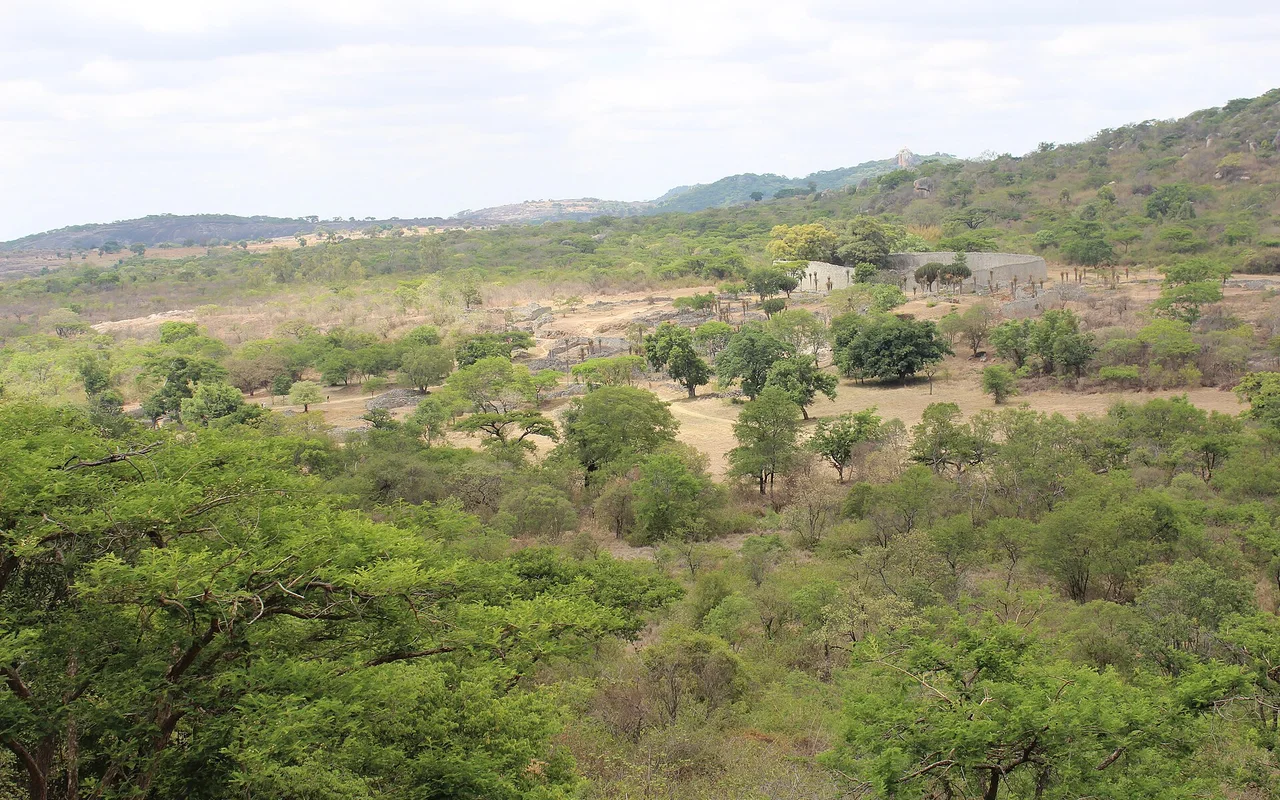
Great Zimbabwe developed between the eleventh and fifteenth centuries. The surviving site includes the Hill Ruins, the Great Enclosure and settlements in the valley. Carefully laid granite walls reveal considerable building skill, but the stonework was only part of a lived city that also contained dwellings and working spaces.

UNESCO: Great Zimbabwe National Monument ↗

Material evidence of long-distance connections

Excavated glass beads, imported ceramics and coins from Kilwa connect the southern African interior to wider trade. Such finds support a history of exchange without implying that foreign traders built the city. The monument belongs to the history of Shona communities; legends of an external Biblical origin should not replace archaeological evidence.

UNESCO: archaeology and significance of Great Zimbabwe ↗

Illustrated sequence

A visual presentation accompanying this entry. Read each image’s attribution to distinguish archival records, later depictions and reconstructions.

Great Zimbabwe (Great Enclosure).jpgEnlarge and examine the picture

Examine the picture

IMAGE 1

Visual record

The Great Enclosure at Great Zimbabwe, photographed in 2014. The modern photograph records surviving stone architecture.

Great Zimbabwe (Great Enclosure).jpg — Todinirunganga; CC BY-SA 4.0; via Wikimedia Commons repository. Resized, cropped and converted to WebP for Atlas display.

Source and reuse terms ↗ · Read the licence ↗

Supplemental archival visual

A contemporaneous or later historical record, clearly distinguished from the Atlas visual sequence.

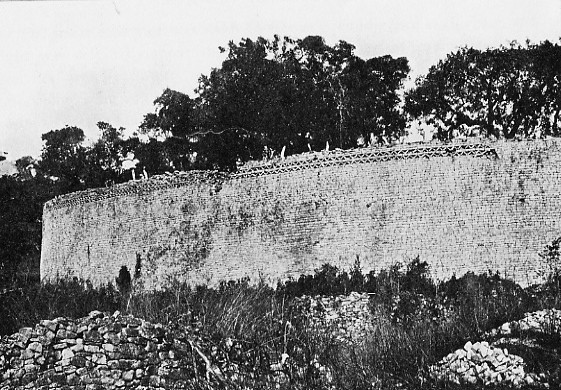
Southeast wall of the Great Enclosure at Great Zimbabwe, photographed in 1906. is presented as a period visual interpretation or documentary record. It does not independently establish the dossier’s chronology; use the linked item page and source trail for its provenance and reuse terms.

Open the item page and rights record ↗Randall MacIver, 1906, via Wikimedia Commons. Public domain.
Southeast wall of the Great Enclosure at Great Zimbabwe, photographed in 1906.Enlarge and examine the picture

Examine the picture

Southeast wall of the Great Enclosure at Great Zimbabwe, photographed in 1906. · Public domain (Commons PD-old and Public Domain Mark)

Interpretation note

Evidence, memory and historical debate

This dossier distinguishes the event’s basic chronology from later arguments about meaning, responsibility and legacy. When comparing religious, national, Indigenous or scholarly interpretations, consult the primary and institutional sources above alongside peer-reviewed historical work.

Elsewhere in the world

Parallel histories near this moment

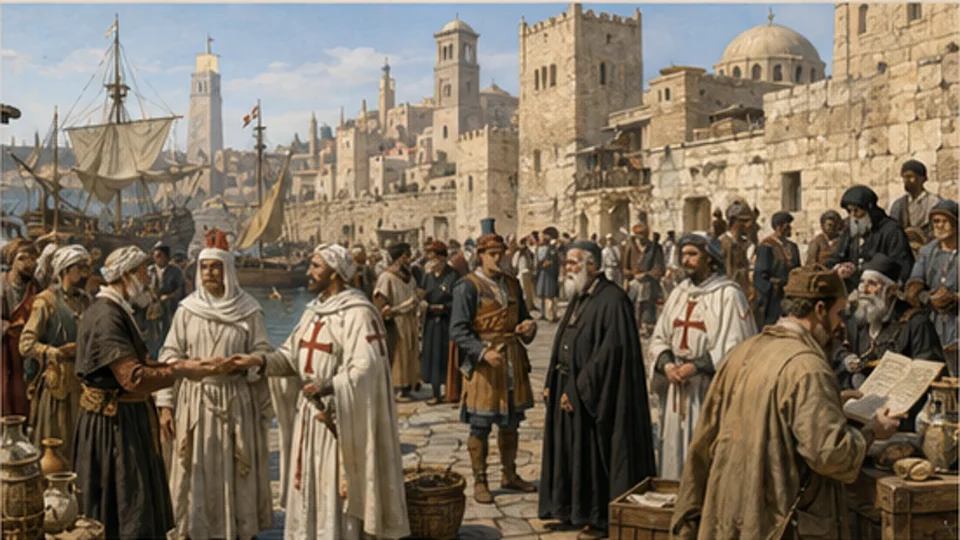
1095–1291 CE · Middle EastCrusades and Mediterranean worlds

Latin Christian expeditions, Muslim powers, Byzantines and local communities fought over territory and sacred places while commerce continued across frontiers.

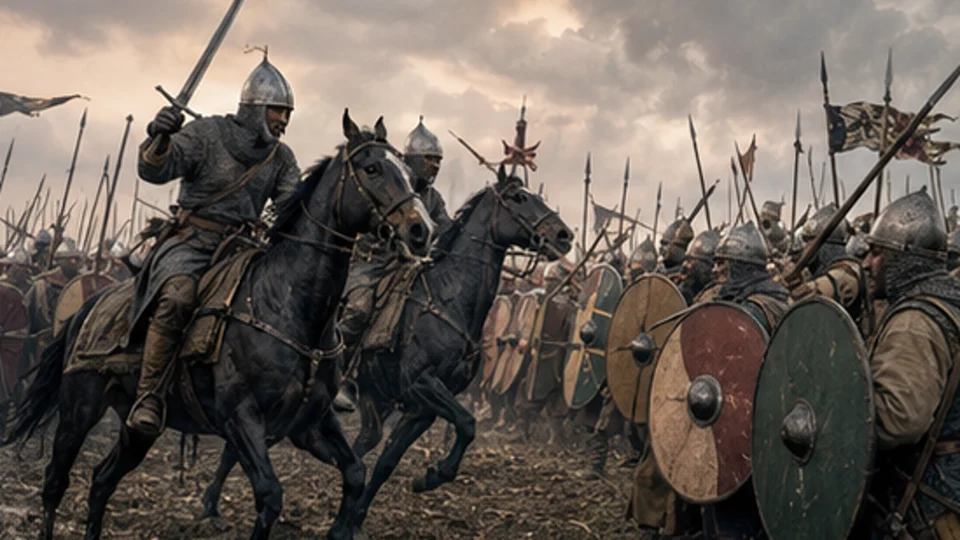
1066 CE · EuropeNorman Conquest of England

William of Normandy defeated Harold II at Hastings and imposed a new ruling elite through castles, land redistribution and violent campaigns.

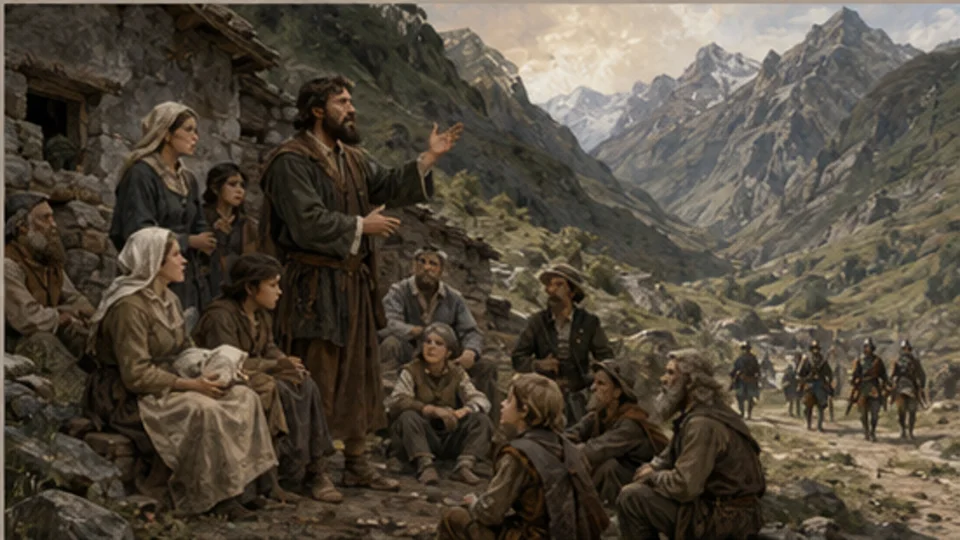
c. 1170–1848 CE · persecution and emancipation · EuropeWaldensian witness and persecution

A lay reform movement emphasizing Scripture and preaching survived condemnation, crusade, displacement and later massacres.

Explore the connections

Kilwa and the Swahili worlds of the Indian Ocean →

Ghana / Wagadu: a Sahelian empire before Mali →