ATLAS / ANCIENT—PRESENT
All historyHow Atlas is sourced← Back to Atlas
Back to Atlas timeline
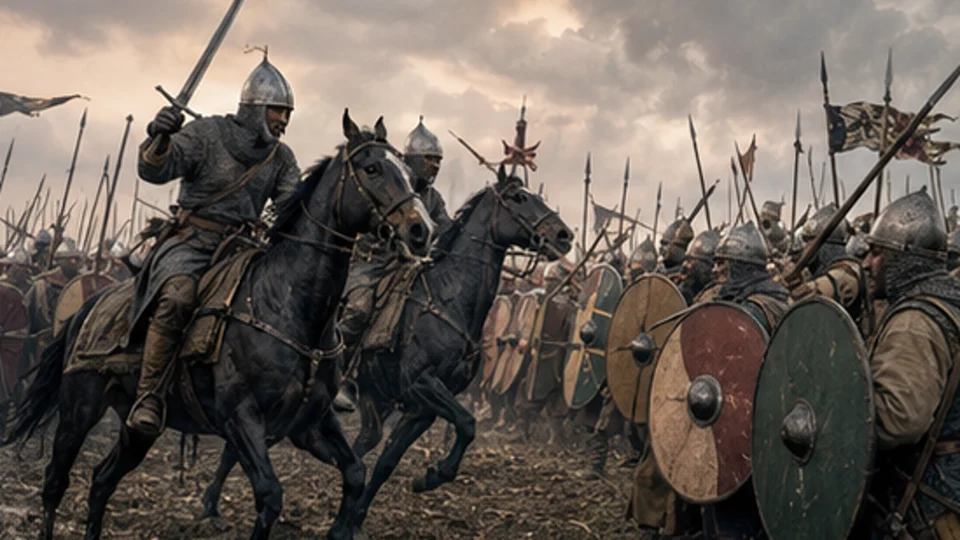
Norman Conquest of England — original Atlas editorial reconstruction

1066 CE · Europe · Empire

Norman Conquest of England

William of Normandy defeated Harold II at Hastings and imposed a new ruling elite through castles, land redistribution and violent campaigns.

Atlas dossier · Medieval World

Free device narration · synchronized English captions · transcript available

Why it matters

The conquest transformed English governance, aristocracy, language and ties to continental Europe.

Date
1066 CE
Historical setting
Medieval World · Europe
People & communities
William the Conqueror · Harold Godwinson · Anglo-Saxon and Norman communities

Conquest continued after Hastings

The victory of 14 October 1066 was a turning point, not the completion of every change attributed to Norman rule. Resistance, castle building and the redistribution of land followed over subsequent years. Reading the Bayeux embroidery alongside administrative evidence helps distinguish a victory narrative from the longer transformation of society.

English Heritage: 1066 and the Norman Conquest ↗

Illustrated sequence

Silent pan-and-zoom motion derivative of the Norman Conquest of England reconstruction; not archival footage.

Supplemental archival visual

A contemporaneous or later historical record, clearly distinguished from the Atlas visual sequence.

Bayeux Tapestry, scene 47 is presented as a period visual interpretation or documentary record. It does not independently establish the dossier’s chronology; use the linked item page and source trail for its provenance and reuse terms.

Open the item page and rights record ↗Bayeux Tapestry, scene 47 — Université de Caen Normandie · CNRS · ENSICAEN / Fabrique de patrimoines en Normandie; Public Domain; via Bayeux Tapestry Museum
Bayeux Tapestry, scene 47Enlarge and examine the picture

Examine the picture

Bayeux Tapestry, scene 47 · Public Domain

Interpretation note

Evidence, memory and historical debate

This dossier distinguishes the event’s basic chronology from later arguments about meaning, responsibility and legacy. When comparing religious, national, Indigenous or scholarly interpretations, consult the primary and institutional sources above alongside peer-reviewed historical work.

Elsewhere in the world

Parallel histories near this moment

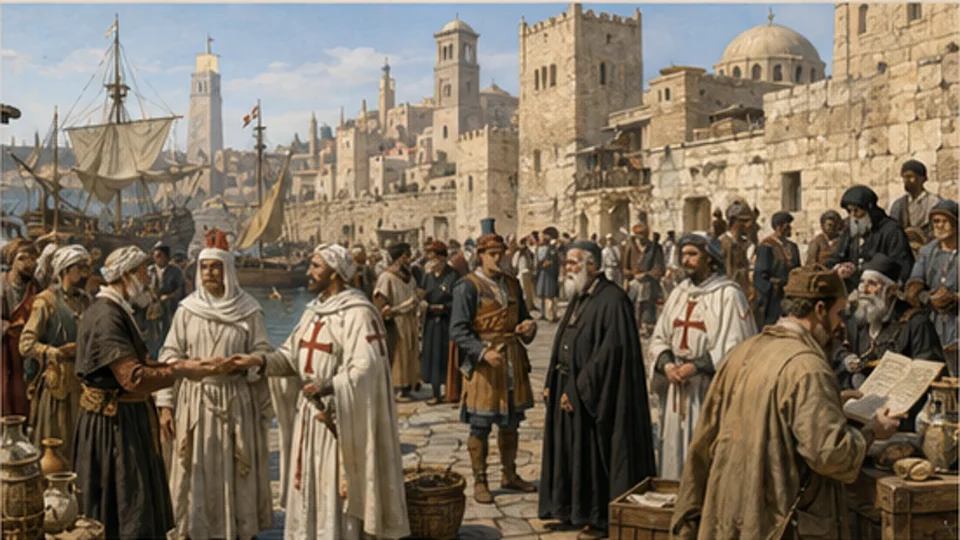
1095–1291 CE · Middle EastCrusades and Mediterranean worlds

Latin Christian expeditions, Muslim powers, Byzantines and local communities fought over territory and sacred places while commerce continued across frontiers.

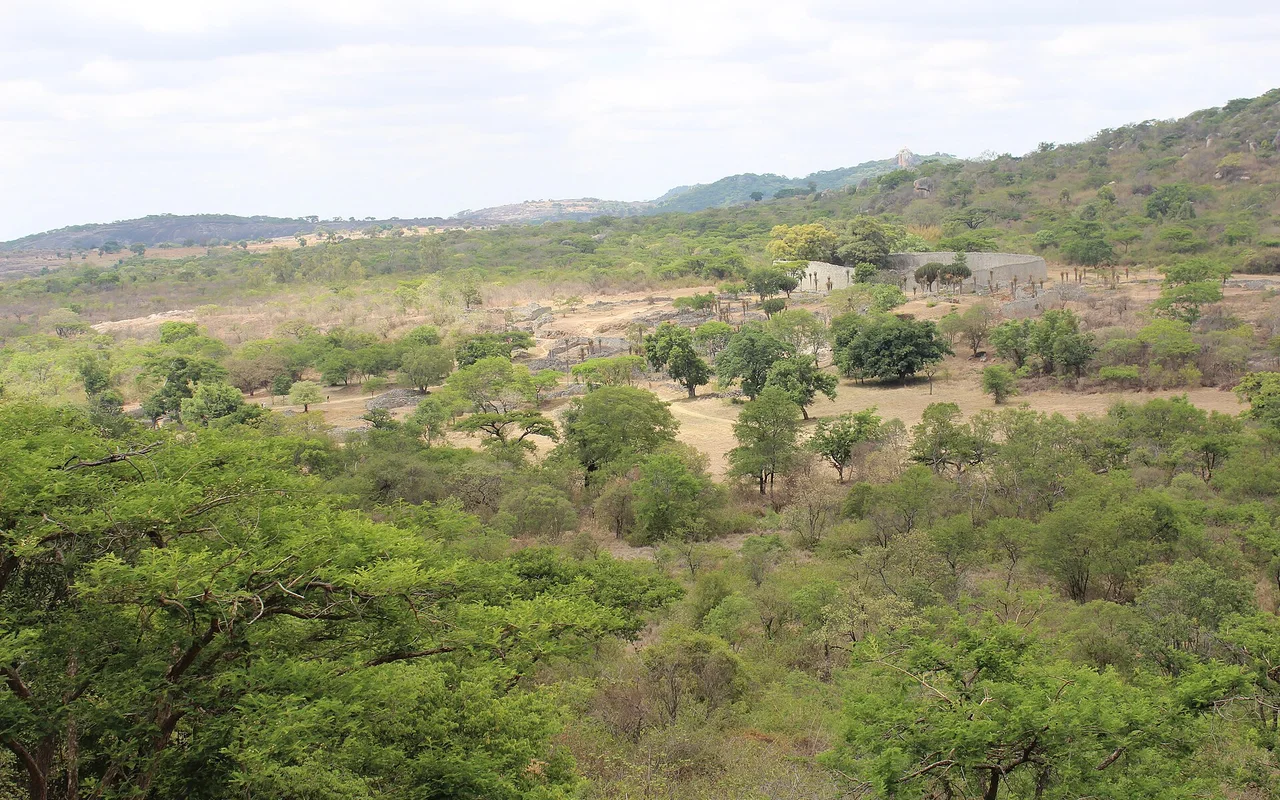
1100–1450 CE · AfricaGreat Zimbabwe and southern African trade

Great Zimbabwe became the centre of a Shona-speaking state whose monumental dry-stone architecture and gold, cattle and trade networks connected the southern African interior to the Indian Ocean world.

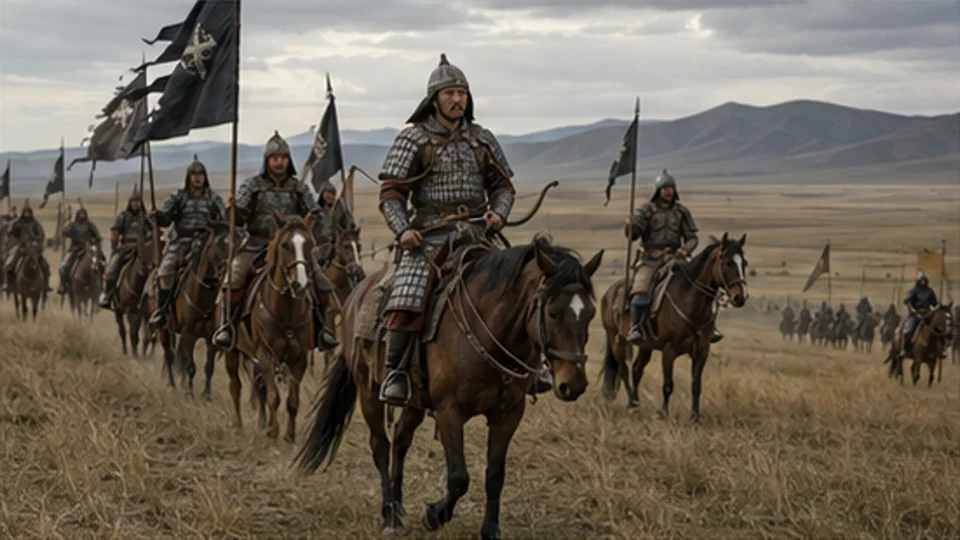
1206–1368 CE · expansion through Yuan rule in China · AsiaMongol expansions

Mongol armies created the largest contiguous land empire, devastating many societies while intensifying Eurasian exchange.