ATLAS / ANCIENT—PRESENT
All historyHow Atlas is sourced← Back to Atlas
Back to Atlas timeline
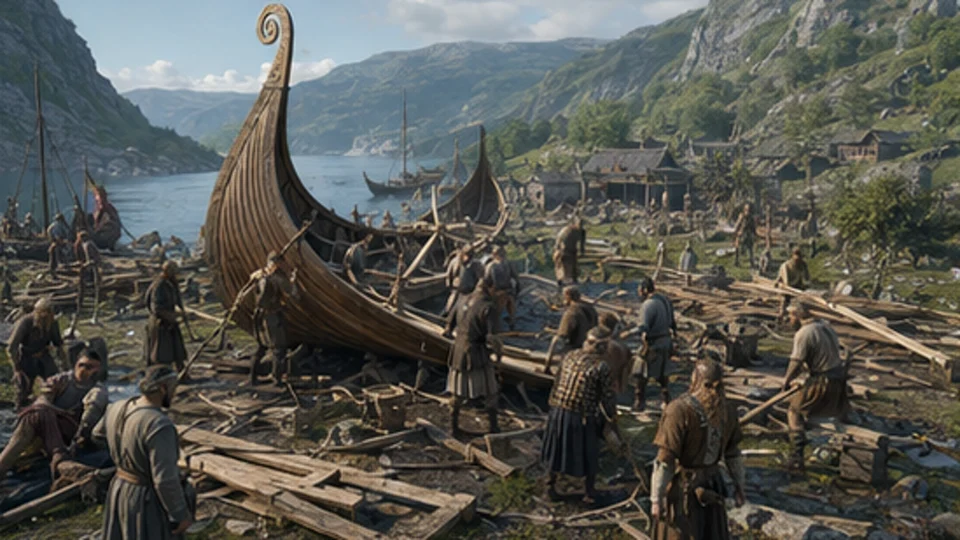
Viking expansion and Scandinavian worlds — original Atlas editorial reconstruction

793–1066 CE · Europe · Trade

Viking expansion and Scandinavian worlds

Norse raiders, traders and settlers crossed the North Atlantic, entered river routes toward Byzantium and established communities from Ireland and Normandy to Iceland and Greenland.

Atlas dossier · Medieval World

Free device narration · synchronized English captions · transcript available

Why it matters

Viking mobility connected commerce, enslavement, migration and state formation across Europe and beyond.

Date
793–1066 CE
Historical setting
Medieval World · Europe
People & communities
Norse seafarers · Sámi and Baltic peoples · Varangians · settlers and captives
A conventional period, not one uniform identity

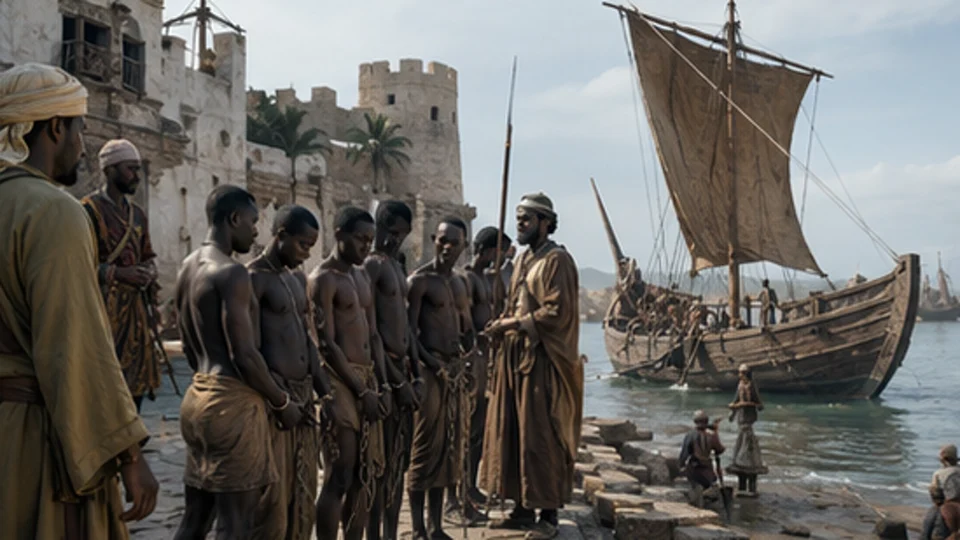
The 793–1066 range follows familiar British milestones. Scandinavian regional chronologies differ, and settlement, conversion and trade did not begin or end everywhere together. Captives and enslaved people were part of these networks; mobility was not experienced only as adventure or voluntary commerce.

National Museum of Denmark: Slaves and thralls

Illustrated sequence

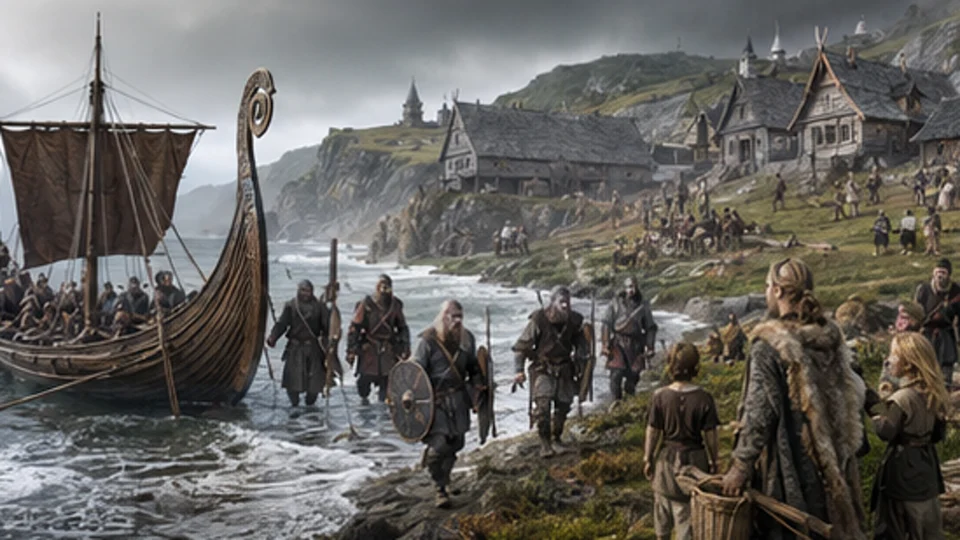
Silent pan-and-zoom motion derivative of the Viking expansion and Scandinavian worlds reconstruction; not archival footage.

Viking expansion and Scandinavian worlds — original Atlas editorial reconstruction
IMAGE 1

Original Atlas reconstruction

Primary Atlas editorial reconstruction for Viking expansion and Scandinavian worlds.

World History in Pictures · Public site artwork. This record does not grant third-party republication rights.

How Atlas classifies this artwork →
Viking expansion and Scandinavian worlds: people and action
IMAGE 2

Supporting Atlas reconstruction

Supporting Atlas reconstruction within the same Viking expansion and Scandinavian worlds editorial package; not an independent archival record.

World History in Pictures · Same editorial artwork package

How Atlas classifies this artwork →
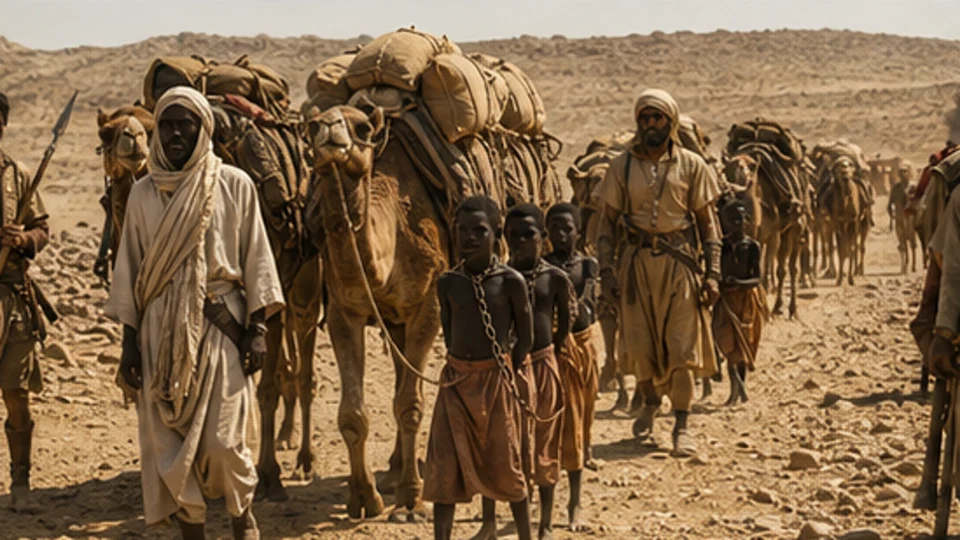
Viking expansion and Scandinavian worlds: setting and consequences
IMAGE 3

Context crop — same artwork

Context crop from the same Viking expansion and Scandinavian worlds reconstruction; not an independent historical record.

World History in Pictures · Same editorial artwork package

How Atlas classifies this artwork →

Supplemental archival visual

A contemporaneous or later historical record, clearly distinguished from the Atlas visual sequence.

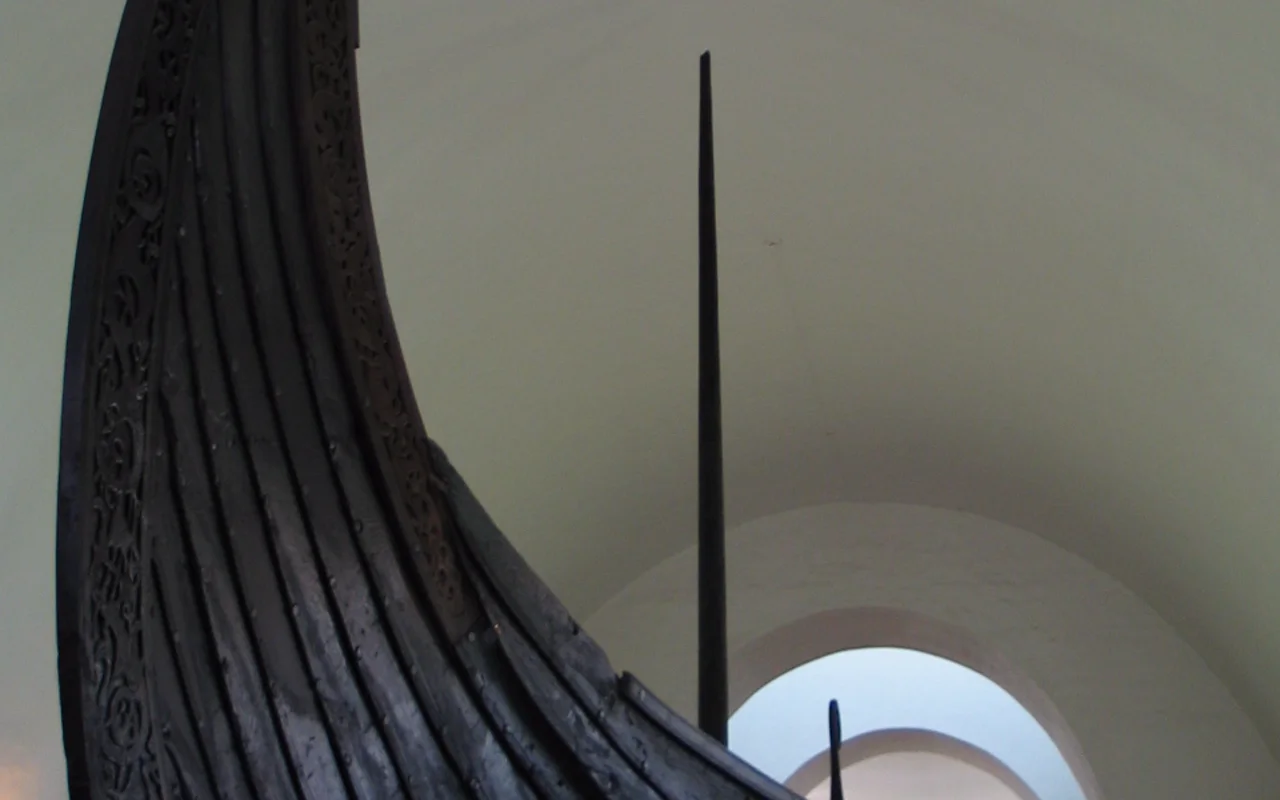
Oseberg Viking Ship, Oslo is presented as a period visual interpretation or documentary record. It does not independently establish the dossier’s chronology; use the linked item page and source trail for its provenance and reuse terms.

Open the item page and rights record ↗Oseberg Viking Ship, Oslo — Sagitseagal; Public Domain; via Viking Ship Museum, Oslo
Archival visual record: Oseberg Viking Ship, Oslo
Oseberg Viking Ship, Oslo · Public Domain

Interpretation note

Evidence, memory and historical debate

This dossier distinguishes the event’s basic chronology from later arguments about meaning, responsibility and legacy. When comparing religious, national, Indigenous or scholarly interpretations, consult the primary and institutional sources above alongside peer-reviewed historical work.

Elsewhere in the world

Parallel histories near this moment

711–1600 CE · selected regional survey · GlobalIslam spreads across Africa and Asia

Muslim rule and belief expanded through conquest, diplomacy, scholarship, Sufi networks and maritime trade into West and East Africa, Central and South Asia, and island Southeast Asia.

c. 700–early 1900s CE · regional survey · AfricaIndian Ocean and East African slave trades

Interconnected Red Sea and Indian Ocean systems moved commodities and enslaved people among East Africa, Arabia, Persia, India and island societies; Zanzibar became a major nineteenth-century hub.

c. 650–early 1900s CE · regional survey · AfricaTrans-Saharan trade and enslavement

Caravan routes exchanged gold, salt, textiles, books and other goods between North and West Africa; enslaved Africans were also transported northward through Saharan networks over many centuries.