ATLAS / ANCIENT—PRESENT
All historyHow Atlas is sourced← Back to Atlas
Back to Atlas timeline
Islam spreads across Africa and Asia — original Atlas editorial reconstruction

711–1600 CE · selected regional survey · Global · Faith

Islam spreads across Africa and Asia

Muslim rule and belief expanded through conquest, diplomacy, scholarship, Sufi networks and maritime trade into West and East Africa, Central and South Asia, and island Southeast Asia.

Atlas dossier · Medieval World

Free device narration · synchronized English captions · transcript available

Why it matters

The varied pathways—from states to merchant ports—explain why Islam became deeply rooted from Senegal to Indonesia without a single uniform process.

Date
711–1600 CE · selected regional survey
Historical setting
Medieval World · Global
People & communities
Scholars · Sufi teachers · merchants · African and Asian rulers · local converts

No single wave of conversion

The 711–1600 range is a selected regional survey. Conquest mattered in some places, while trade, scholarship, rulers, teachers and local institutions mattered elsewhere. Conversion unfolded unevenly and did not erase Christian, Hindu, Buddhist, Jewish or Indigenous traditions.

Columbia Asia for Educators: Southeast Asia central themes ↗

Two African material records

Kilwa provides archaeological evidence for Islamisation alongside Swahili commerce on the East African coast. Timbuktu’s mosques and schools document a different fifteenth- and sixteenth-century scholarly centre in West Africa. These cases show why one model cannot explain the religion’s many regional histories.

UNESCO World Heritage Centre: Kilwa Kisiwani and Songo Mnara ↗

Illustrated sequence

Silent pan-and-zoom motion derivative of the Islam spreads across Africa and Asia reconstruction; not archival footage.

Interpretation note

Evidence, memory and historical debate

This dossier distinguishes the event’s basic chronology from later arguments about meaning, responsibility and legacy. When comparing religious, national, Indigenous or scholarly interpretations, consult the primary and institutional sources above alongside peer-reviewed historical work.

Elsewhere in the world

Parallel histories near this moment

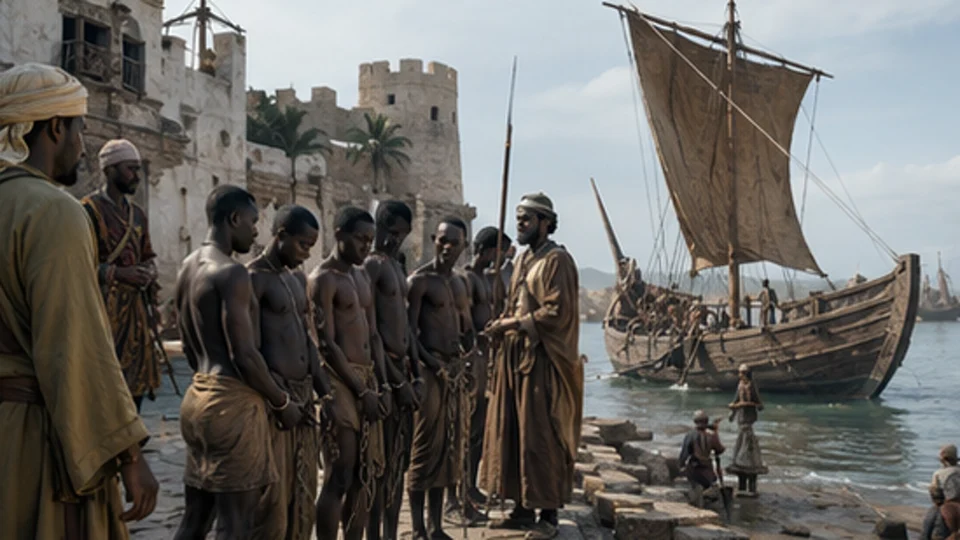
c. 700–early 1900s CE · regional survey · AfricaIndian Ocean and East African slave trades

Interconnected Red Sea and Indian Ocean systems moved commodities and enslaved people among East Africa, Arabia, Persia, India and island societies; Zanzibar became a major nineteenth-century hub.

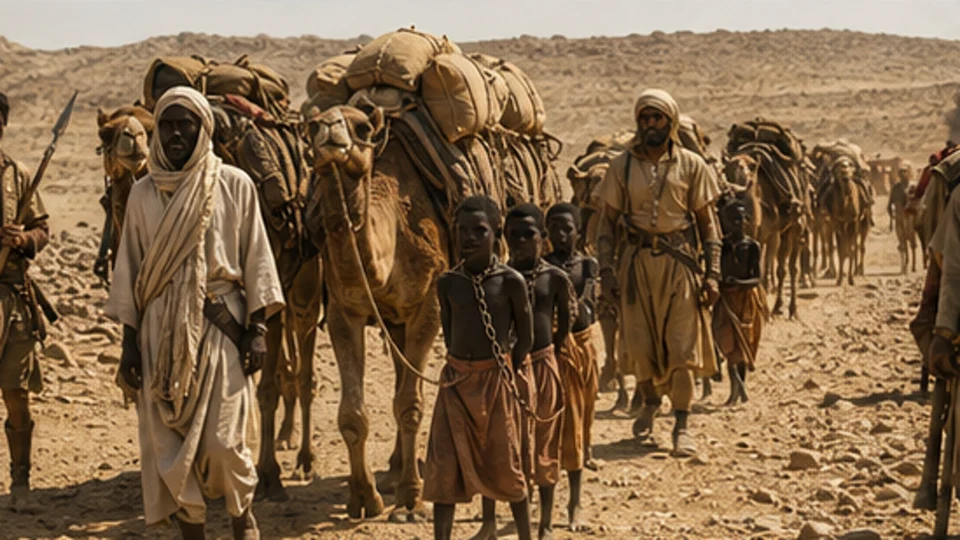
c. 650–early 1900s CE · regional survey · AfricaTrans-Saharan trade and enslavement

Caravan routes exchanged gold, salt, textiles, books and other goods between North and West Africa; enslaved Africans were also transported northward through Saharan networks over many centuries.

793–1066 CE · EuropeViking expansion and Scandinavian worlds

Norse raiders, traders and settlers crossed the North Atlantic, entered river routes toward Byzantium and established communities from Ireland and Normandy to Iceland and Greenland.