ATLAS / ANCIENT—PRESENT
All historyHow Atlas is sourced← Back to Atlas
Back to Atlas timeline
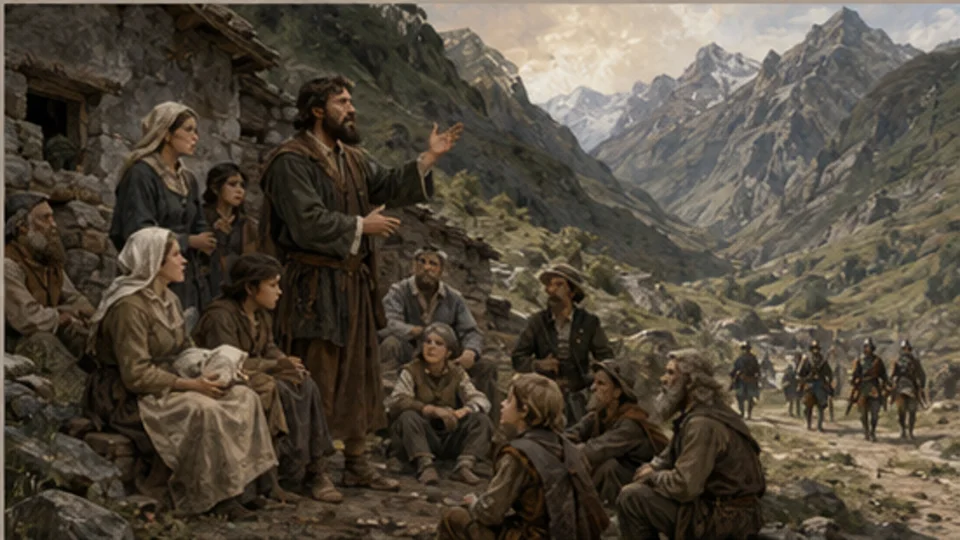
Waldensian witness and persecution — original Atlas editorial reconstruction

c. 1170–1848 CE · persecution and emancipation · Europe · Faith

Waldensian witness and persecution

A lay reform movement emphasizing Scripture and preaching survived condemnation, crusade, displacement and later massacres.

Atlas dossier · Renaissance & Reformation

Free device narration · synchronized English captions · transcript available

Why it matters

Waldensian history connects medieval dissent to Protestant memory and continuing debates over religious liberty.

Date
c. 1170–1848 CE · persecution and emancipation
Historical setting
Renaissance & Reformation · Europe
People & communities
Valdes · Waldensian communities · Savoyard authorities

Persecution, return and continuing communities

The movement associated with Valdes emerged around 1170. The 1532 Chanforan synod connected Waldensians with the Reformation. The 1686 repression was followed by exile and a return to the Piedmont valleys in 1689; civil and political emancipation came in 1848. The extended timeline ends at that legal milestone, not at the disappearance of Waldensian communities.

Musée protestant: A history of the Waldensians ↗

Illustrated sequence

Silent pan-and-zoom motion derivative of the Waldensian witness and persecution reconstruction; not archival footage.

Interpretation note

Evidence, memory and historical debate

This dossier distinguishes the event’s basic chronology from later arguments about meaning, responsibility and legacy. When comparing religious, national, Indigenous or scholarly interpretations, consult the primary and institutional sources above alongside peer-reviewed historical work.

Elsewhere in the world

Parallel histories near this moment

1206–1368 CE · expansion through Yuan rule in China · AsiaMongol expansions

Mongol armies created the largest contiguous land empire, devastating many societies while intensifying Eurasian exchange.

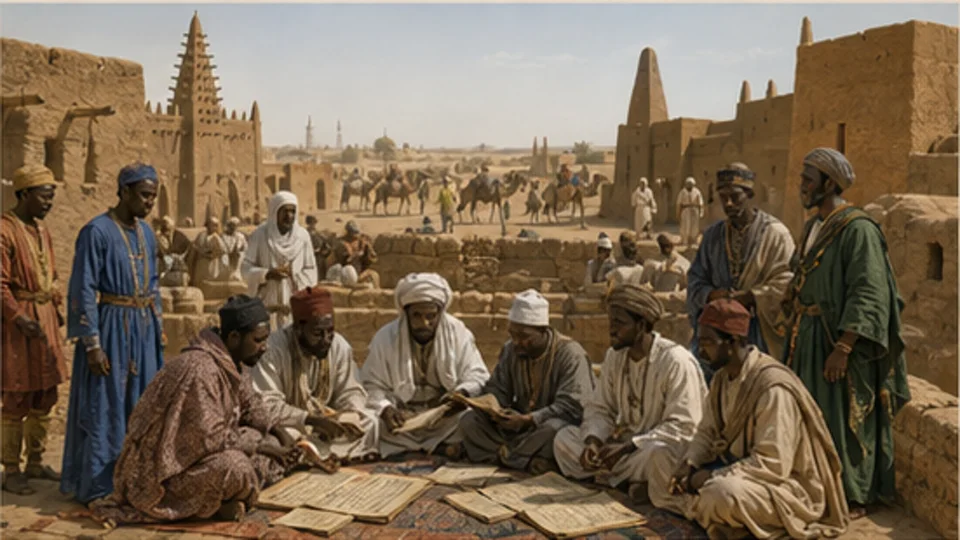
c. 1230–1591 CE · imperial survey · AfricaMali and Songhai empires

Mali and Songhai were distinct, overlapping Sahelian powers. Mali's rise in the thirteenth century preceded Songhai's expansion under Sunni Ali from 1464; Morocco's invasion broke Songhai's imperial power in 1591. Farming, gold, taxation, trade and scholarship sustained these societies.

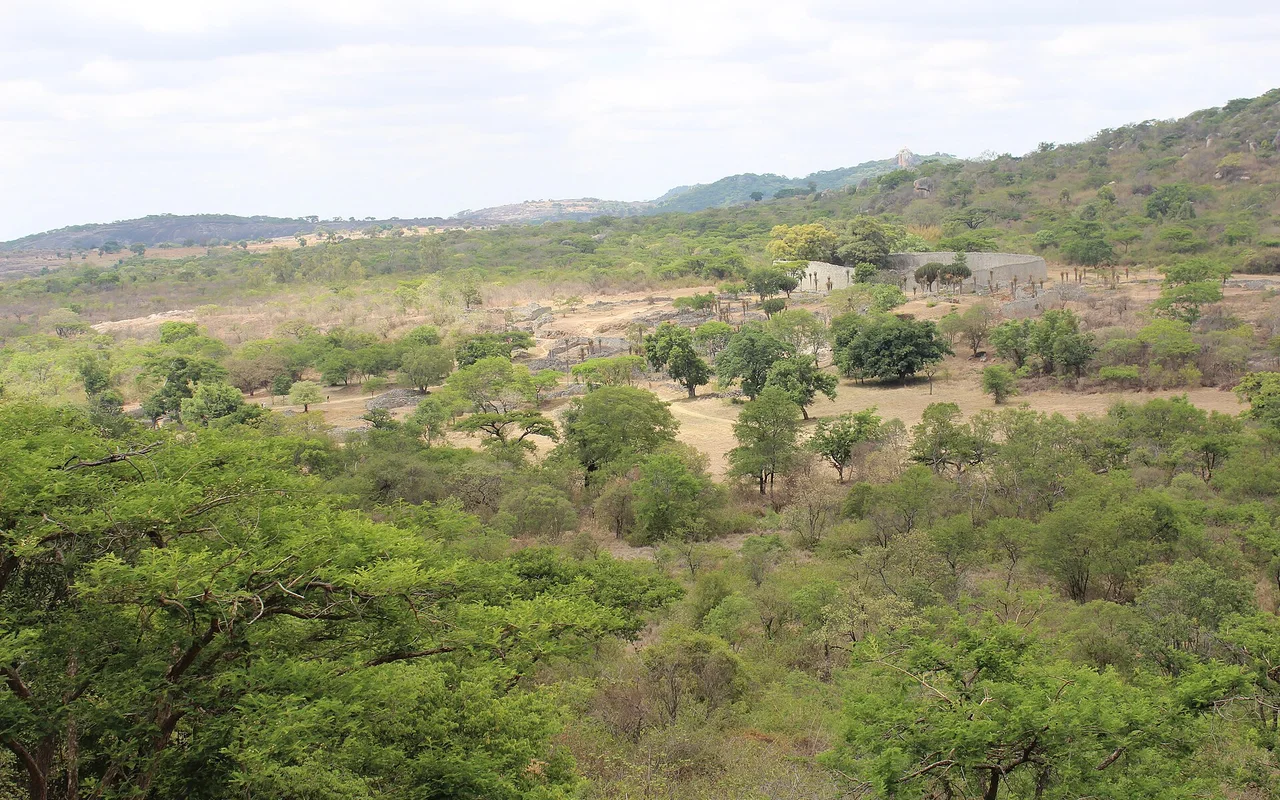
1100–1450 CE · AfricaGreat Zimbabwe and southern African trade

Great Zimbabwe became the centre of a Shona-speaking state whose monumental dry-stone architecture and gold, cattle and trade networks connected the southern African interior to the Indian Ocean world.