ATLAS / WORLD HISTORY IN PICTURES

The reading room

Find your way through history.

Explore 279 entries across places and centuries. Follow an event, compare its context, and examine the evidence.

Jump to the pictures and stories ↓

14 entries · Oldest periods first

Back to filters ↑
1170–1848 CEIn-depth study
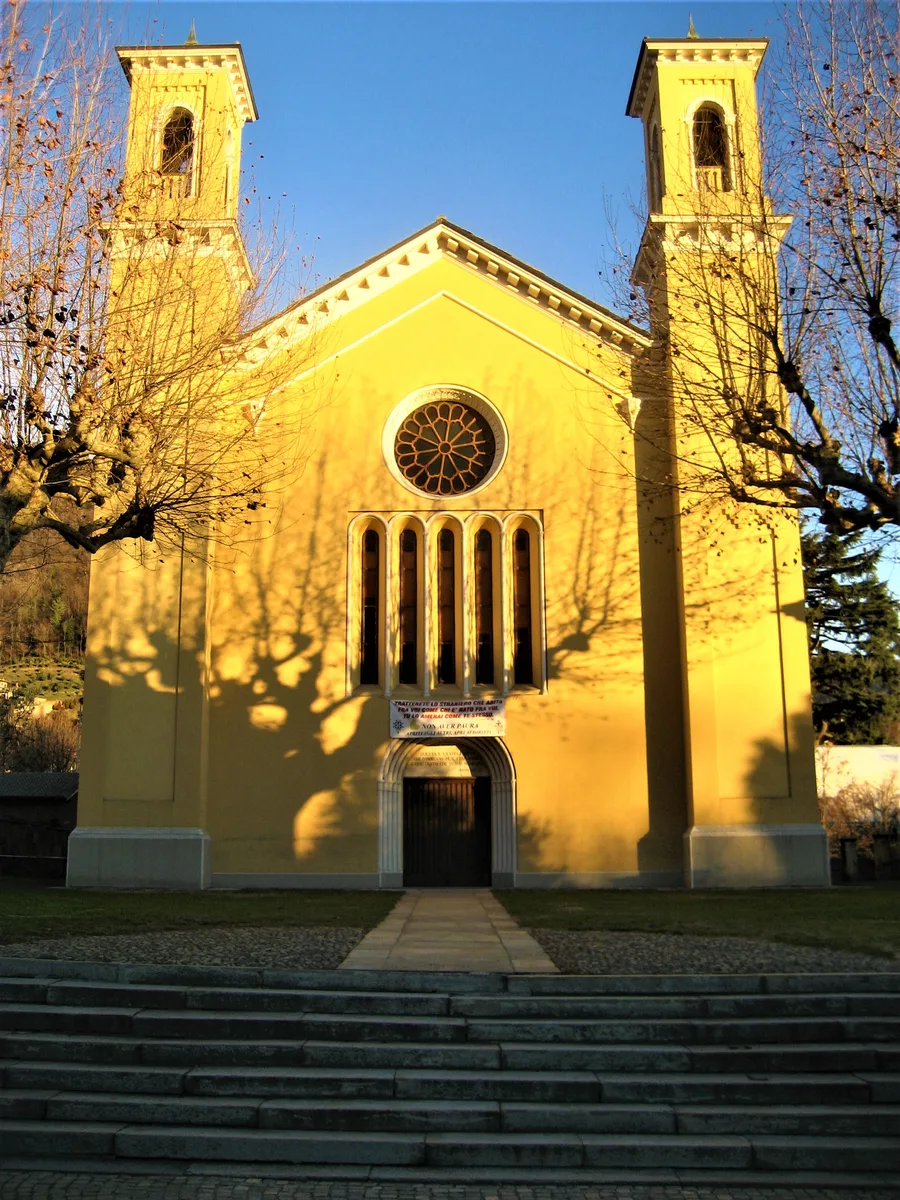
Tempio Nuovo at Torre Pellice, photographed on 7 December 2011. This later church illustrates the community’s continuing public presence; it is not a medieval building or a picture of persecution.
Picture source & rightsFlucco, via Wikimedia Commons · CC BY-SA 4.0 · Resized without cropping and converted to WebP; derivatives under the same licence · Licence terms

Europe / Faith

Waldensians: preaching, persecution and the limits of emancipation

From lay preaching in medieval Lyon to civil rights in Piedmont, Waldensian history connects religious conviction with changing institutions, exile, books and contested memories.

Read →
1380–1415 CEIn-depth study
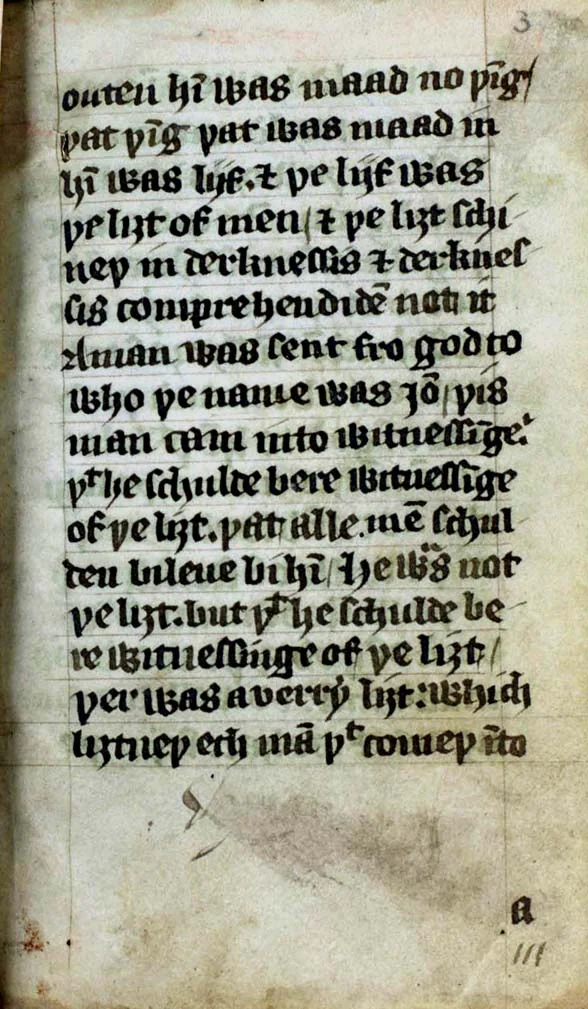
A page from a late-fourteenth-century English Wycliffite New Testament: University of Glasgow Library, MS Hunter 191 (T.8.21), folio 3r. It is not Wycliffe’s autograph.
Picture source & rightsUnknown medieval scribe / University of Glasgow Library, via Wikimedia Commons · Public-domain artwork; faithful reproduction · Resized without cropping and converted to WebP · Licence terms

Europe / Faith

Wycliffe and Hus: manuscripts, preaching and reform before Luther

A medieval English manuscript introduces the distinct worlds of Wycliffe and Hus, and the later Protestant histories that connected their stories.

Read →
1517–1522 CEIn-depth study
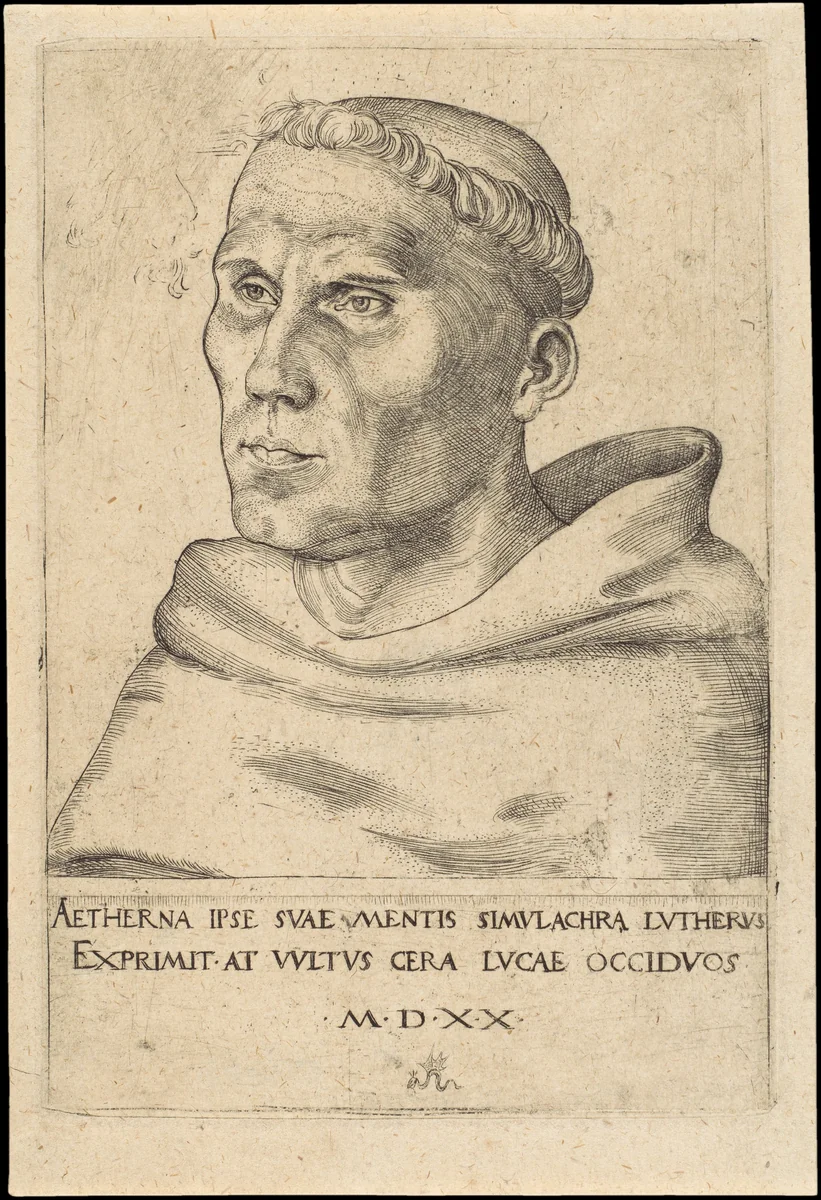
Lucas Cranach the Elder, Martin Luther as an Augustinian Monk, 1520. Contemporary engraving on paper; museum reproduction, not a photograph of Luther or an illustration of the Diet of Worms.
Picture source & rightsThe Metropolitan Museum of Art, 20.64.21 · Gift of Felix M. Warburg, 1920 · Public domain / Open Access · Resized and converted to WebP, uncropped · Licence terms

Europe / Faith

Luther: indulgences, conscience and the German New Testament

A dispute about indulgences became a confrontation over salvation and authority. Letters, printed portraits and surviving books help distinguish Luther’s actions from later Protestant accounts of their meaning.

Read →
1519–1531 CEIn-depth study
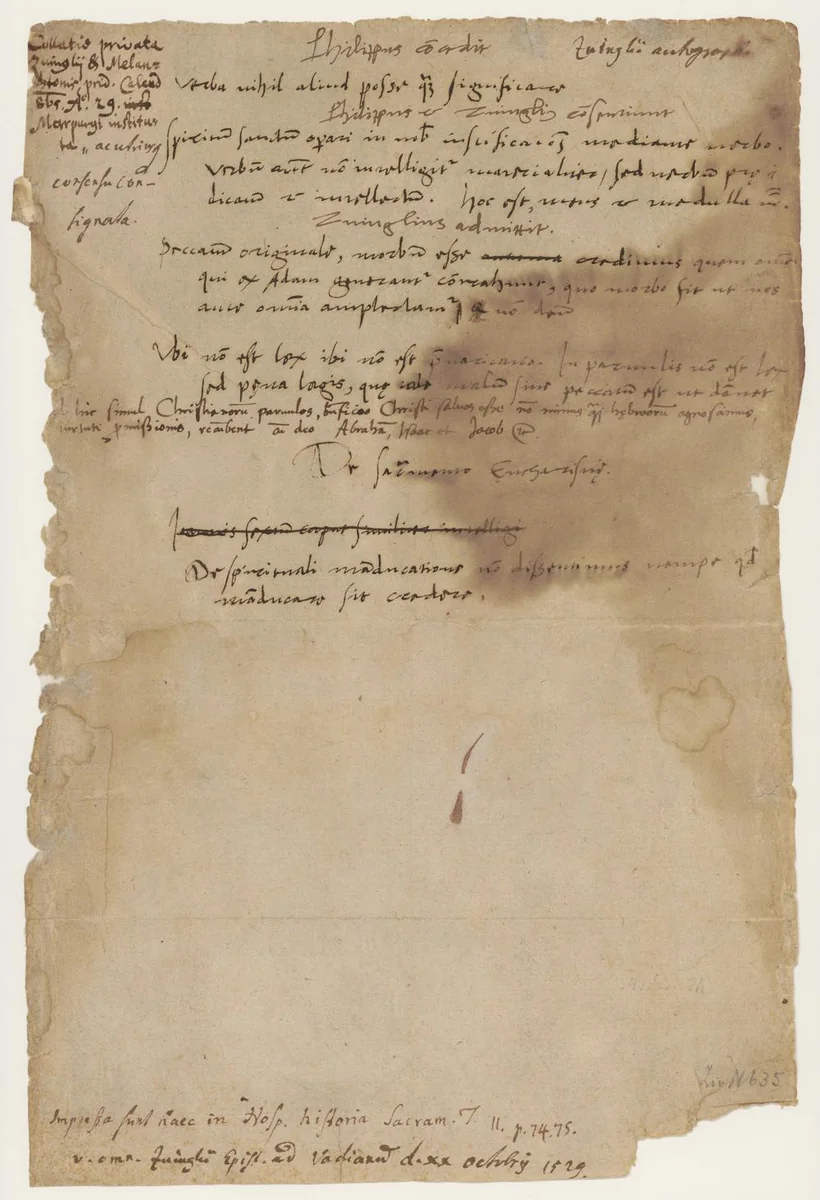
First page of Zwingli’s record of a conversation with Philipp Melanchthon at Marburg, 30 September 1529. A surviving manuscript, not an imagined scene of the meeting.
Picture source & rightsHuldrych Zwingli / Zentralbibliothek Zürich · Ms Z XI 313.1 · e-manuscripta.ch · Public Domain Mark · Resized without cropping and converted to WebP · Licence terms

Europe / Faith

Zwingli, Zurich and Marburg: Scripture, reform and disagreement

A surviving manuscript brings us close to a divided Reformation. Explore Zurich’s civic reforms, the Marburg dispute and the ways later Protestant historians understood their spiritual meaning.

Read →
1523–1584 CEIn-depth study
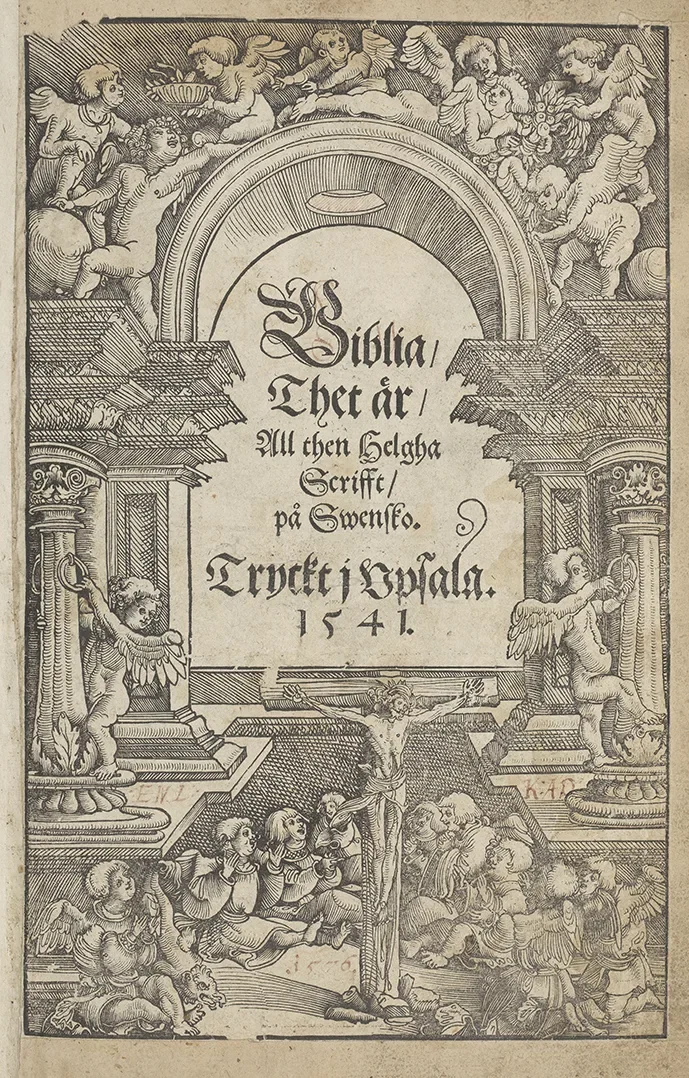
Title page of Gustav Vasa’s Bible, printed in Uppsala in 1541. A reproduction of the historical printed page, not a reconstructed scene.
Picture source & rightsUppsala University Library, Carolina Rediviva / Swedish History Museum · Public domain · WebP delivery recompressed without enlargement or cropping · Licence terms

Europe / Faith

Nordic Reformations: Scripture, crowns and conscience

Swedish, Danish, Norwegian and Icelandic reformations followed different paths. Vernacular Scripture and preaching interacted with royal power, confiscation and resistance; later Protestant writers interpreted these changes through their faith.

Read →
1523–1556 CEIn-depth study
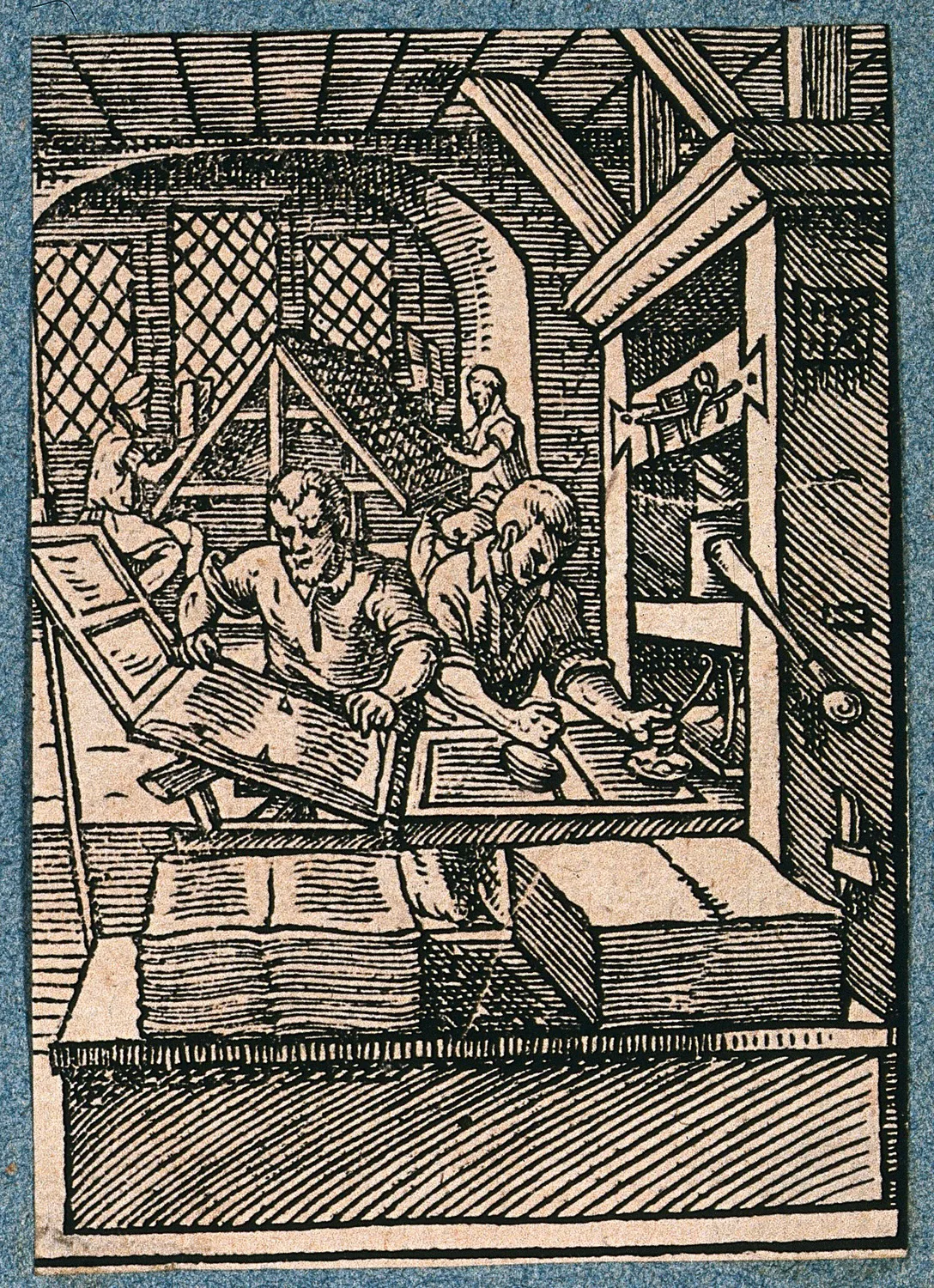
Jost Amman, printers and typesetters,[1568]. This later woodcut depicts printing labor, not Argula von Grumbach, Katharina Zell or their particular printers.
Picture source & rightsWellcome Collection ·34964i · Public Domain Mark · Full supplied sheet retained; proportionally reduced and encoded as WebP · Licence terms

Europe / Faith

Women, schools and printed arguments

Selected German-speaking cases connect women’s religious arguments, civic proposals for schooling and the material lives of pamphlets. They reveal specific acts of participation rather than a uniform transformation of everyday life.

Read →
1524–1527 CEIn-depth study
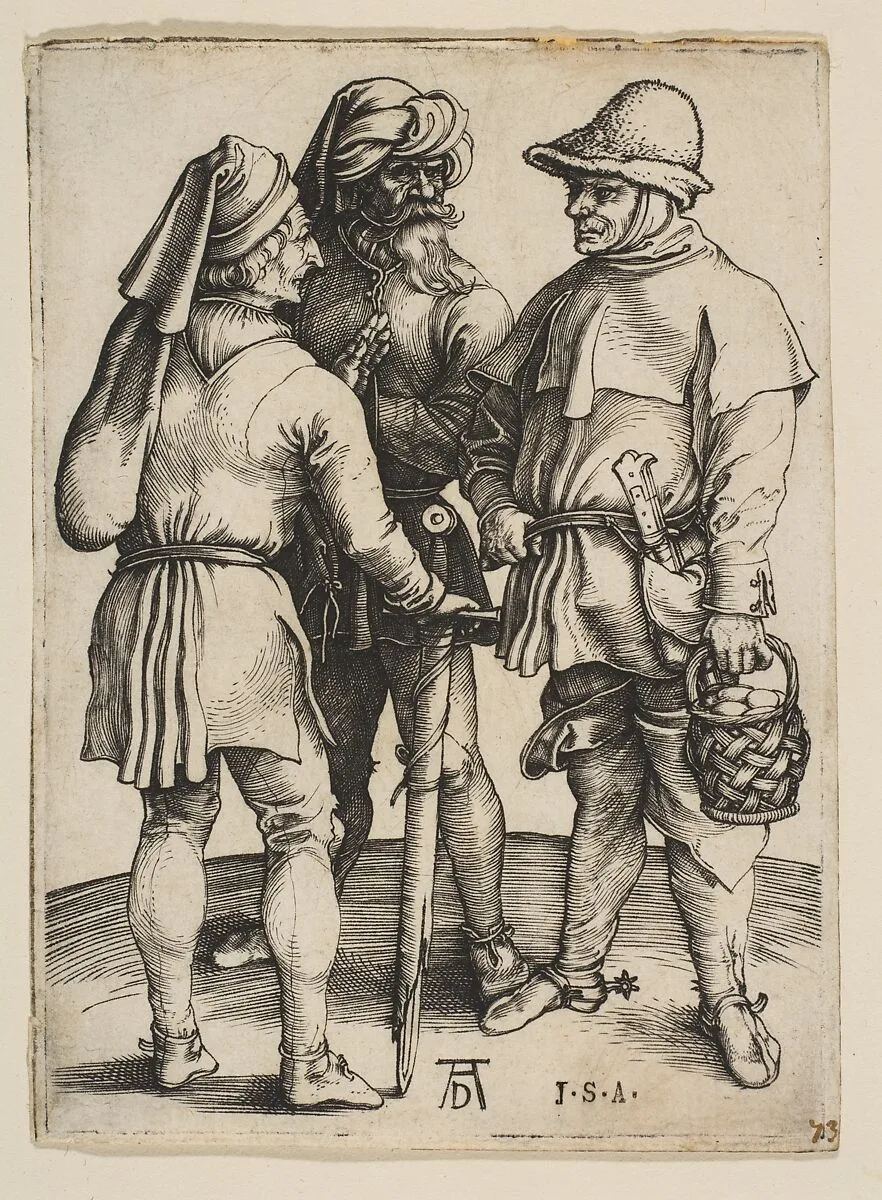
Albrecht Dürer, Three Peasants in Conversation, c.1497. Pre-war genre representation, not a record of participants or events in the Peasants’ War of 1525.
Picture source & rightsThe Metropolitan Museum of Art · 19.73.98 · Fletcher Fund, 1919 · Public domain · Full frame retained; WebP encoding · Licence terms

Europe / Faith

Anabaptists and the Peasants’ War: different visions of reform

Village grievances, believers’ baptism and arguments about the sword intersected during the Reformation without forming a single movement. Their documents reveal sharply different answers to who could reform church and society.

Read →
1524–1536 CEIn-depth study
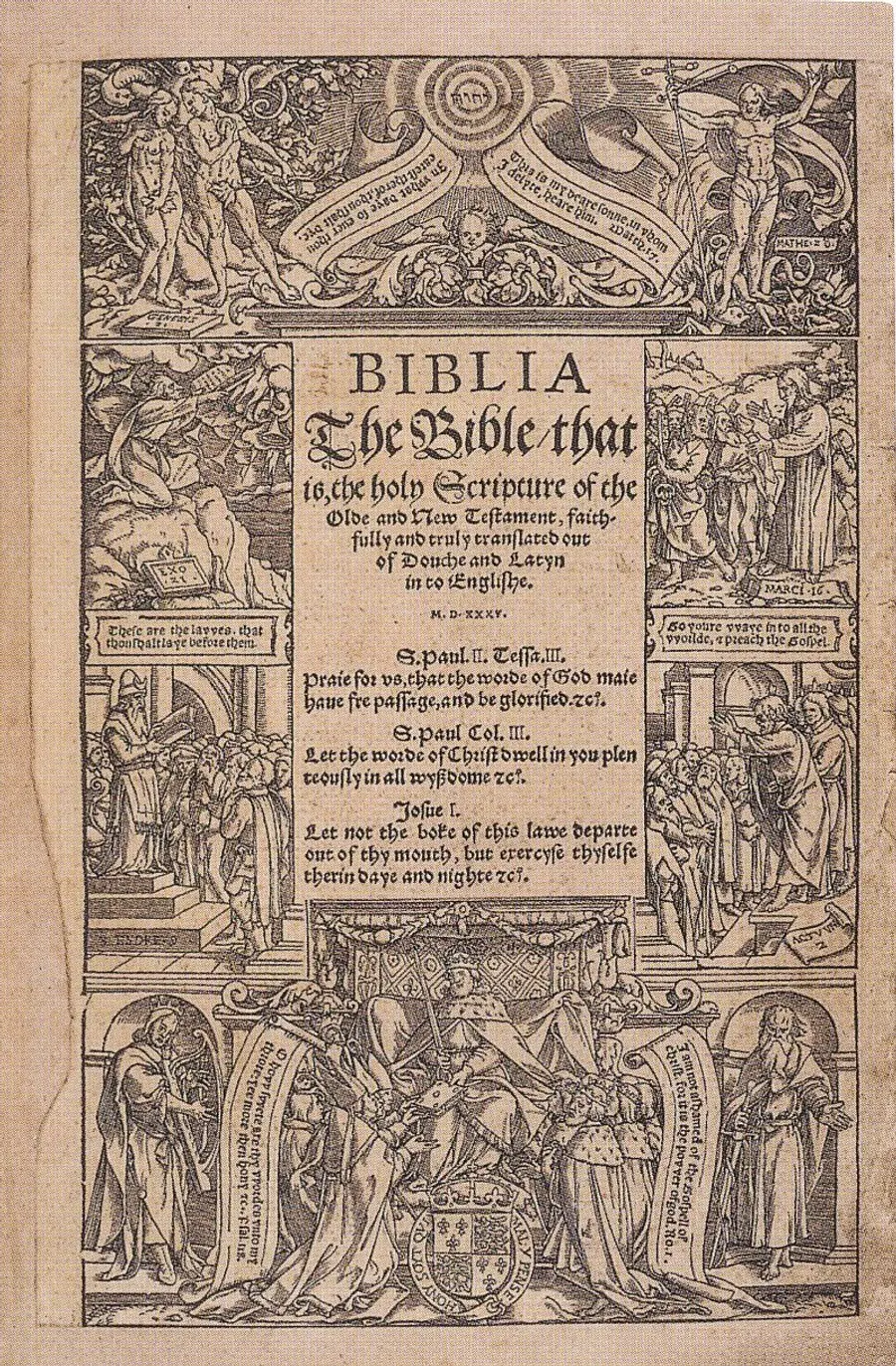
Title page of the Coverdale Bible, 1535. Historical woodcut attributed to Hans Holbein the Younger, British Library; a reproduction of the printed document, not a modern reconstruction.
Picture source & rightsHans Holbein the Younger / British Library, via Wikimedia Commons · Public domain · Resized and converted to WebP · Licence terms

Europe / Faith

Tyndale and Coverdale: the English Bible, exile and reform

An English Bible was more than a new printed book: it raised questions about who could interpret Scripture. Tyndale’s translations, Coverdale’s complete Bible and later Protestant histories reveal both the struggle and its remembered meaning.

Read →
1534–1563 CEIn-depth study
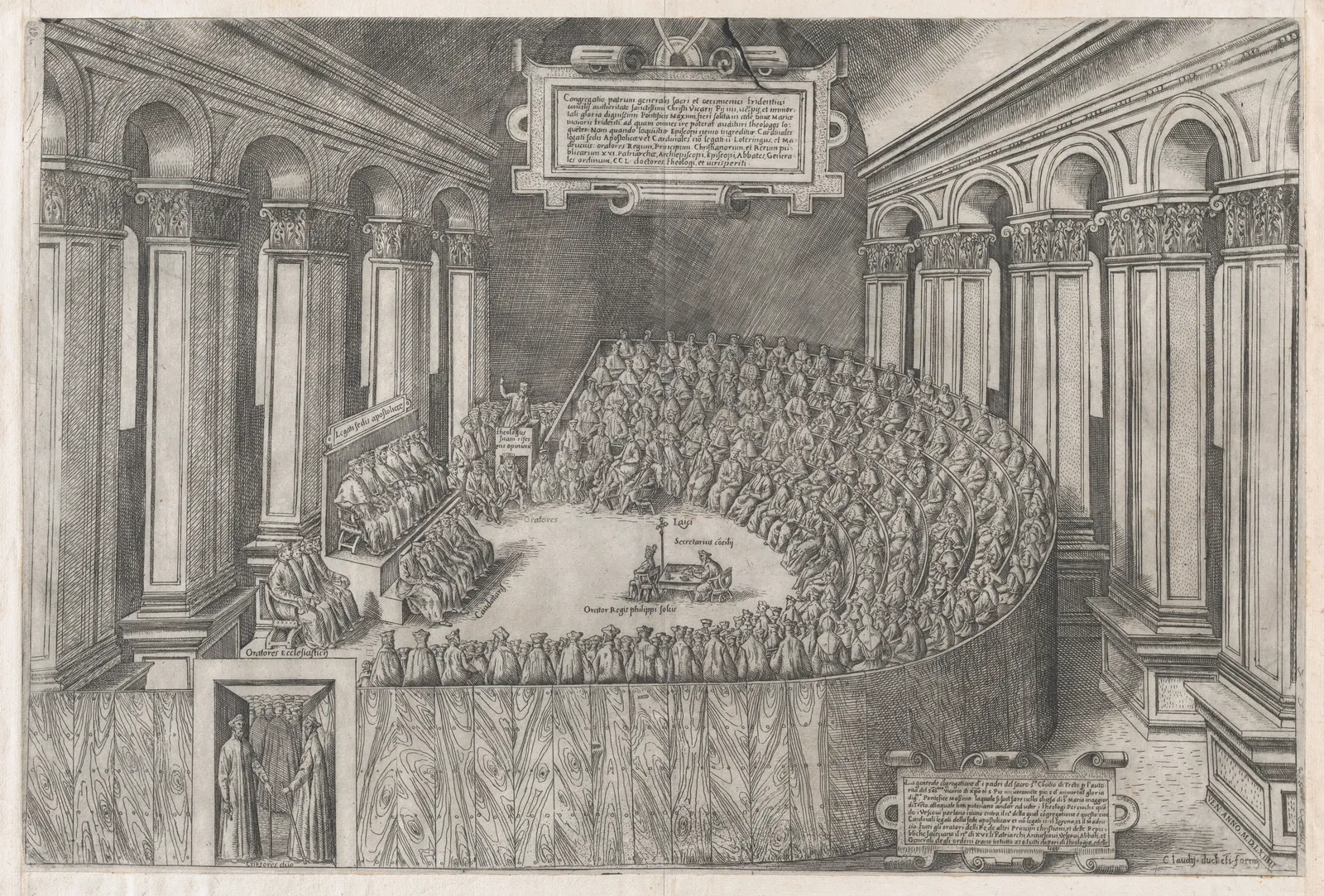
Council of Trent, from Speculum Romanae Magnificentiae, anonymous Italian artist, published by Claudio Duchetti,1565. The print appeared after the council closed in1563. It is a period representation, not an independently established eyewitness record of a particular session.
Picture source & rightsThe Metropolitan Museum of Art · Harris Brisbane Dick Fund,1941 ·41.72(3.70) · Public domain · Full supplied sheet retained; proportionally reduced and encoded as WebP · Licence terms

Europe / Faith

Catholic renewal: Trent, mission and formation

A new religious society and an interrupted council pursued preaching, instruction, doctrinal definition and clerical reform. Their programmes shaped Catholic renewal, while their implementation varied across places and institutions.

Read →
1536–1564 CEIn-depth study
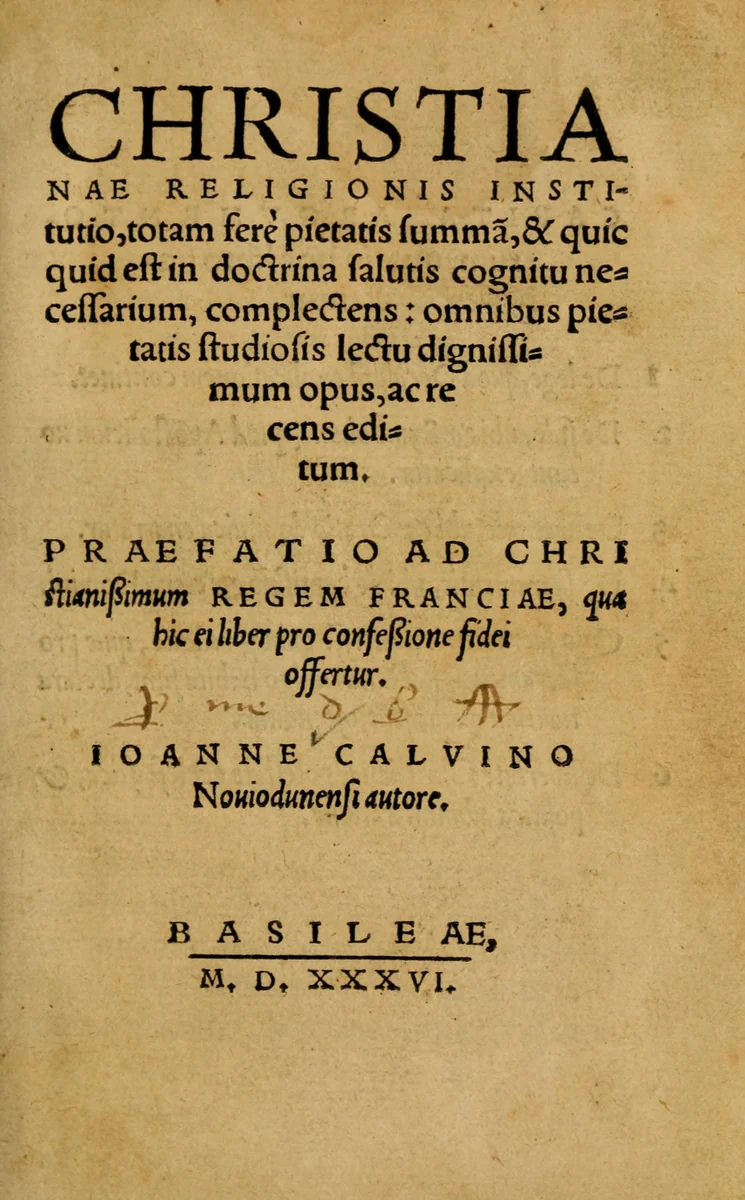
Title page of the first Latin edition of Calvin’s Institutes, printed in 1536. Later editions substantially expanded the work.
Picture source & rightsJohn Calvin / Internet Archive, via Wikimedia Commons · Public domain · Resized without cropping and converted to WebP · Licence terms

Europe / Faith

Calvin and Geneva: books, institutions and contested authority

A surviving 1536 title page opens a study of Calvin’s changing books, Geneva’s church institutions and the limits of its religious settlement.

Read →
1560–1638 CEIn-depth study
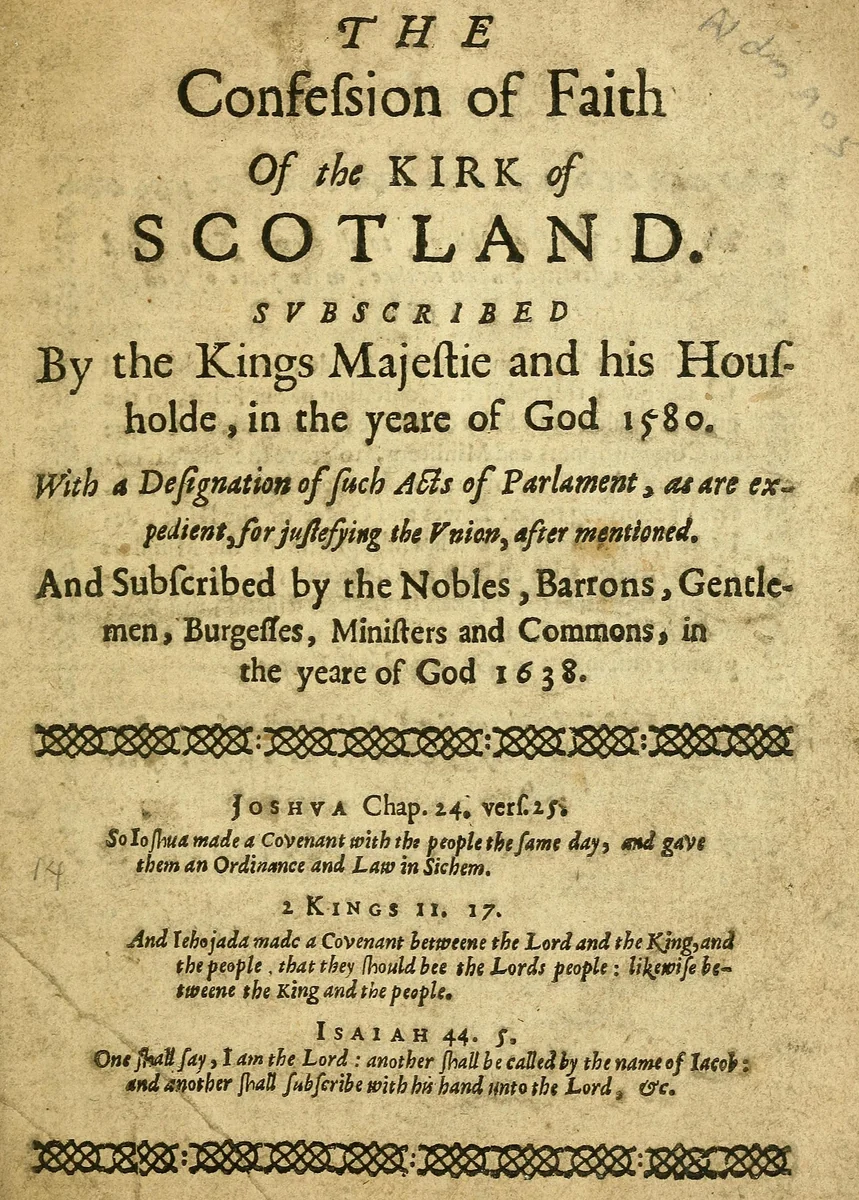
Title page of a 1638 Scottish confession and covenant publication, reusing the King’s Confession of 1580–81. This is a later document, not the original Scots Confession of 1560.
Picture source & rightsChurch of Scotland / Princeton Theological Seminary Library, via Internet Archive and Wikimedia Commons · Public domain · Resized without cropping and converted to WebP · Licence terms

Europe / Faith

Scotland’s Reformation: Knox, confession and an unfinished settlement

Explore the 1560 settlement and its later legacy through confessions, disciplinary proposals and a carefully identified 1638 printed document.

Read →
1562–1598 CEIn-depth study
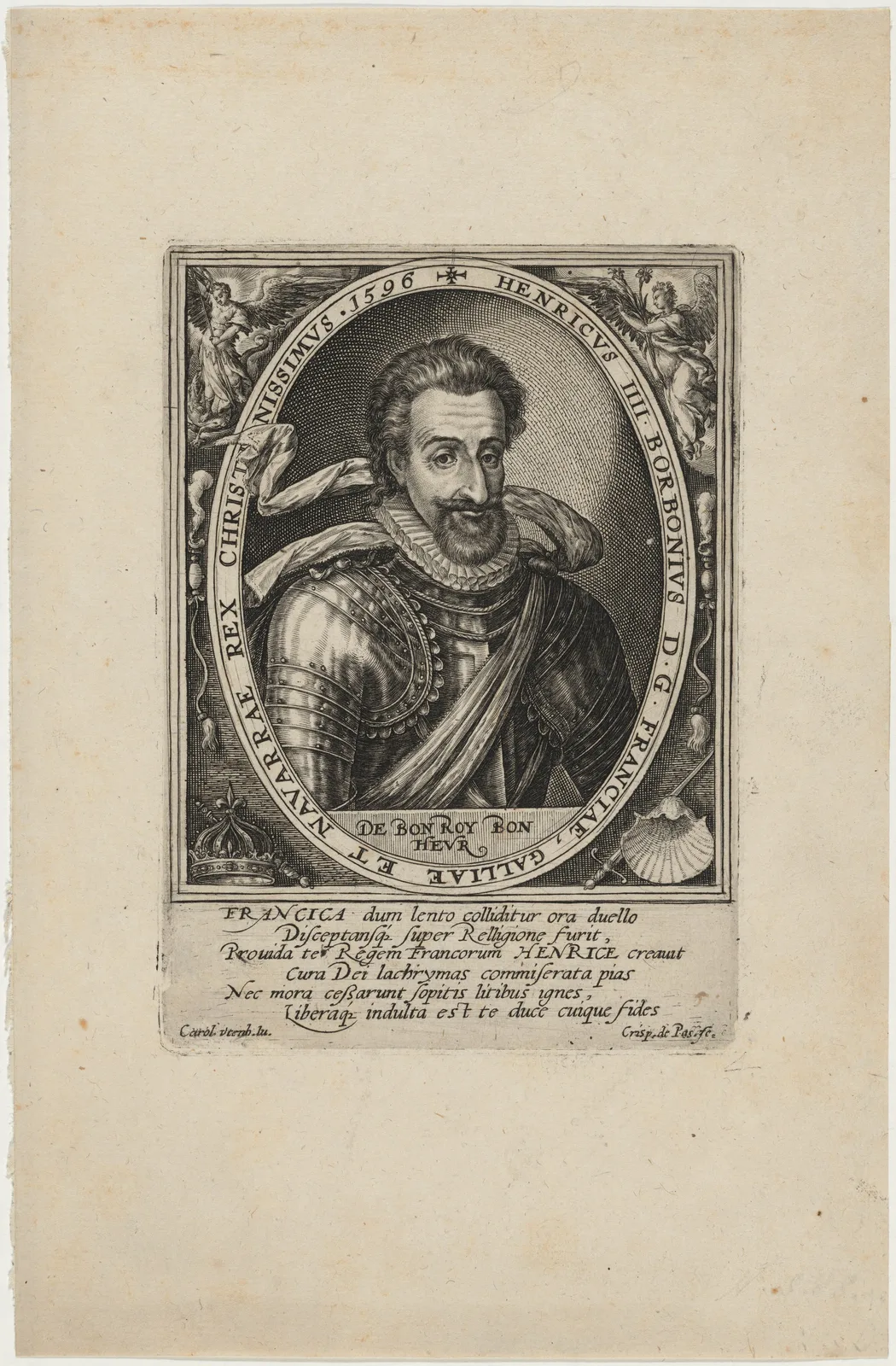
Crispijn van de Passe I, Henry IV, King of France, published 1598 according to the NGA catalogue; the portrait bears 1596. This portrait of the Edict of Nantes’s issuer does not depict its signing or establish its provisions.
Picture source & rightsCourtesy National Gallery of Art, Washington · Rosenwald Collection · 1950.14.623 · Public domain / CC0 · Full sheet retained; proportionally reduced and encoded as WebP · Licence terms

Europe / Faith

France: conscience, worship and a conditional peace

Royal settlements distinguished private conscience, public worship and civil participation. Reading their provisions beside later Protestant histories reveals both the possibilities and the limits of a negotiated religious peace.

Read →
1566–1581 CEIn-depth study
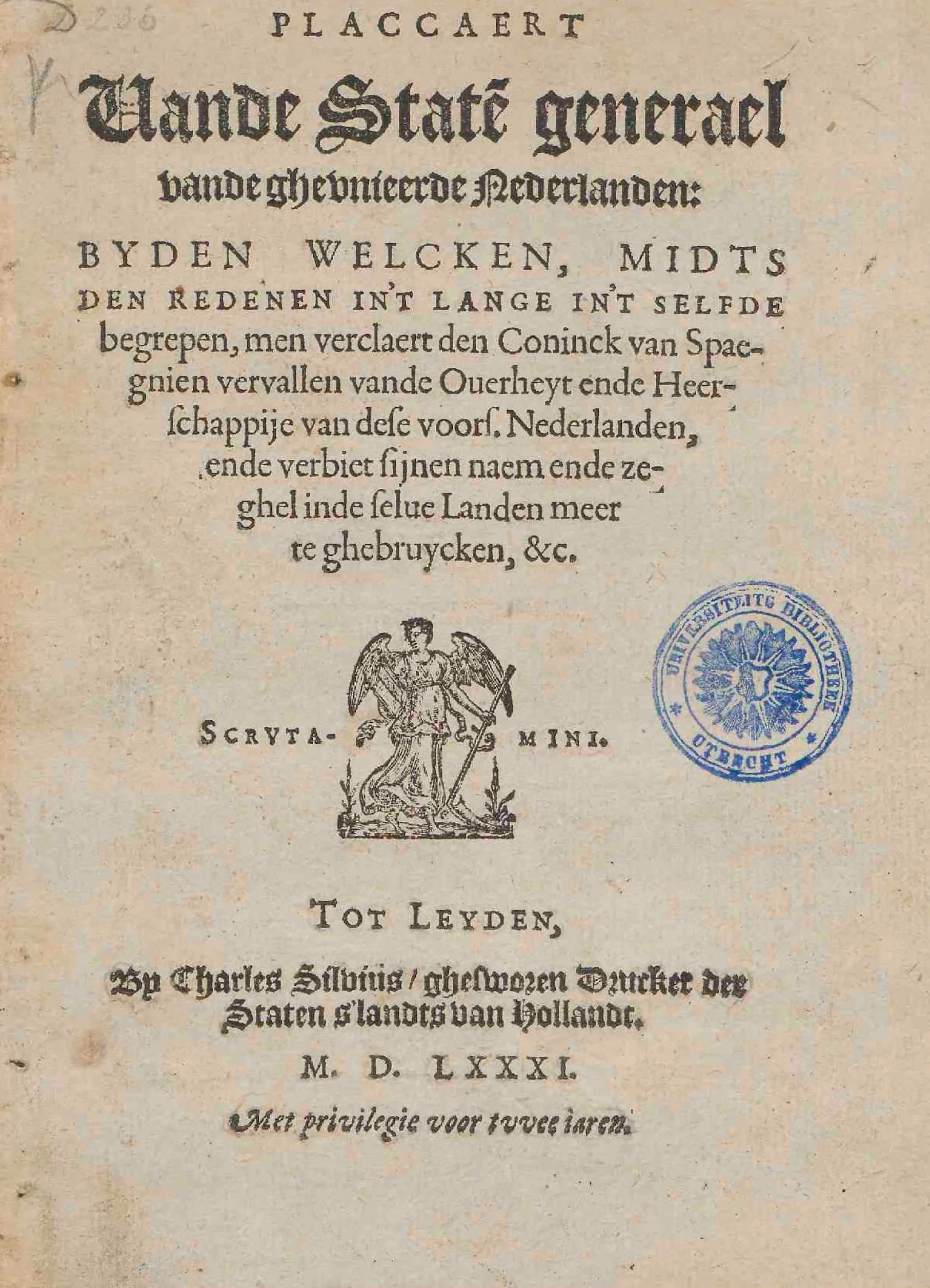
Title page of the Act of Abjuration, Charles Silvius, Leiden,1581. Printed witness, not the manuscript minute. The supplied title-page extract is retained in full, including the library stamp.
Picture source & rightsUniversity Library Utrecht via Wikimedia Commons · Public domain · Native dimensions and complete supplied extract retained; WebP encoding · Licence terms

Europe / Faith

The Netherlands: petition, union and withdrawal of allegiance

Petitions, provincial agreements and the Act of Abjuration record changing answers to royal authority and religious coercion. Their differences resist a story of one united nation declaring a modern republic in a single moment.

Read →
1618–1648 CEIn-depth study
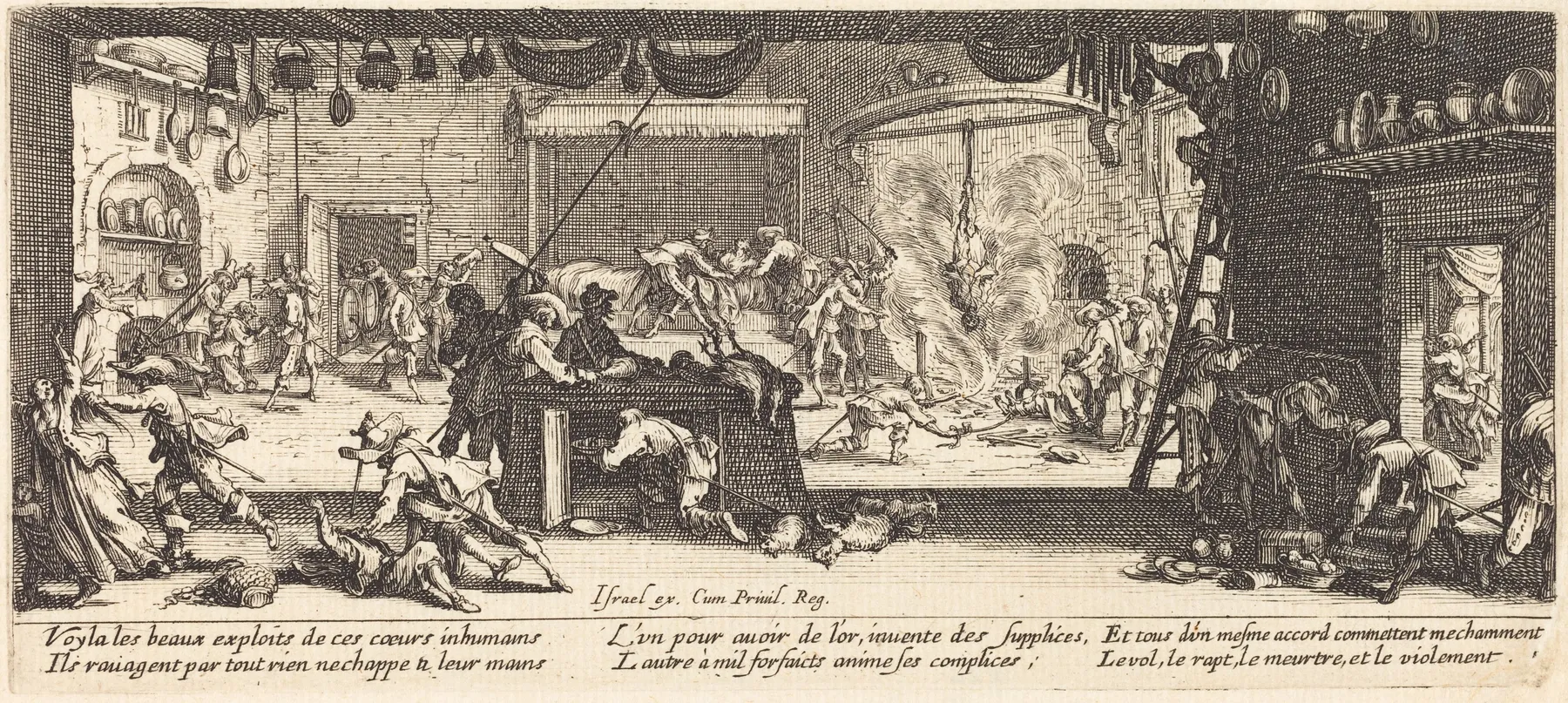
Jacques Callot, Plundering a Large Farmhouse, c. 1633. This period etching represents military plunder; it is not a verified eyewitness record of a named raid.
Picture source & rightsRosenwald Collection · 1943.3.2218 · Courtesy National Gallery of Art, Washington · Public domain / CC0 · Full supplied image retained; proportionally reduced and encoded as WebP · Licence terms

Europe / War

The Thirty Years’ War and the Peace of Westphalia

A revolt in Bohemia widened into overlapping wars. Legal texts, a Swabian chronicle and a period print connect contested religious privileges, civilian survival and the negotiated settlement of 1648.
Read →