ATLAS / 1000 BC—PRESENT
How Atlas is sourced← Back to Atlas
Back to Atlas timeline

431 BC–-404 · Europe · War

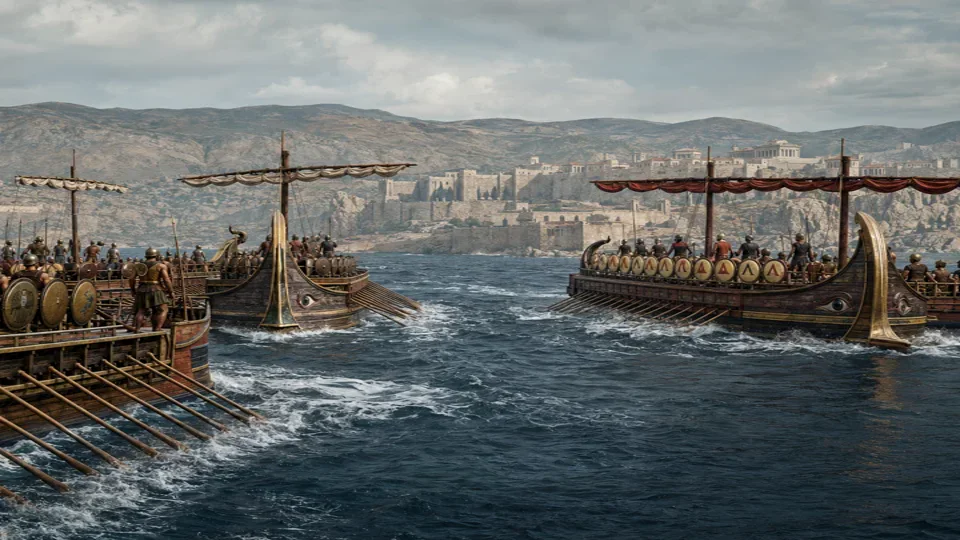
Peloponnesian War

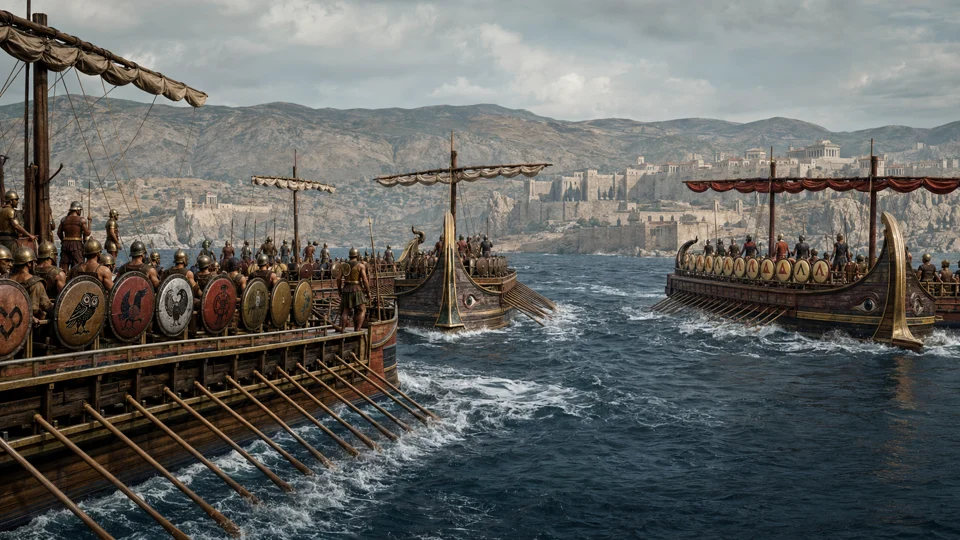
Athens, Sparta and their alliances fought across the Greek world in a prolonged conflict marked by plague, revolt, naval warfare and the Sicilian disaster.

Atlas dossier · Biblical & Classical

Free device narration · synchronized English captions · transcript available

Why it matters

Sparta’s victory ended Athenian supremacy but left the Greek poleis weakened before Macedon’s rise.

Date
431 BC–-404
Historical setting
Biblical & Classical · Europe
People & communities
Pericles · Brasidas · Alcibiades · Lysander · Greek civilians
01

Event

Athens, Sparta and their alliances fought across the Greek world in a prolonged conflict marked by plague, revolt, naval warfare and the Sicilian disaster.

02

People

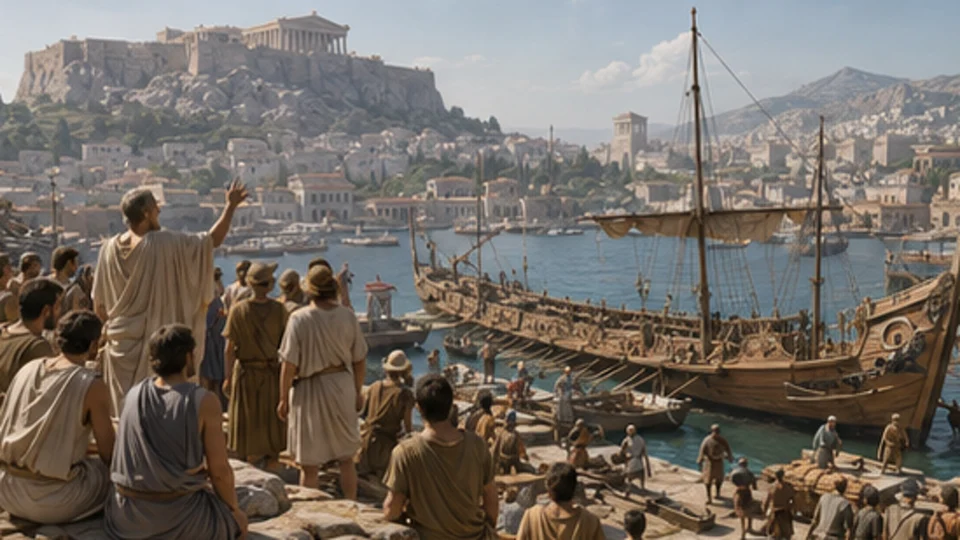
Pericles · Brasidas · Alcibiades · Lysander · Greek civilians
03

Consequences

Sparta’s victory ended Athenian supremacy but left the Greek poleis weakened before Macedon’s rise.

Interpretation note

Evidence, memory and historical debate

This dossier distinguishes the event’s basic chronology from later arguments about meaning, responsibility and legacy. When comparing religious, national, Indigenous or scholarly interpretations, consult the primary and institutional sources above alongside peer-reviewed historical work.

Elsewhere in the world

Parallel histories near this moment

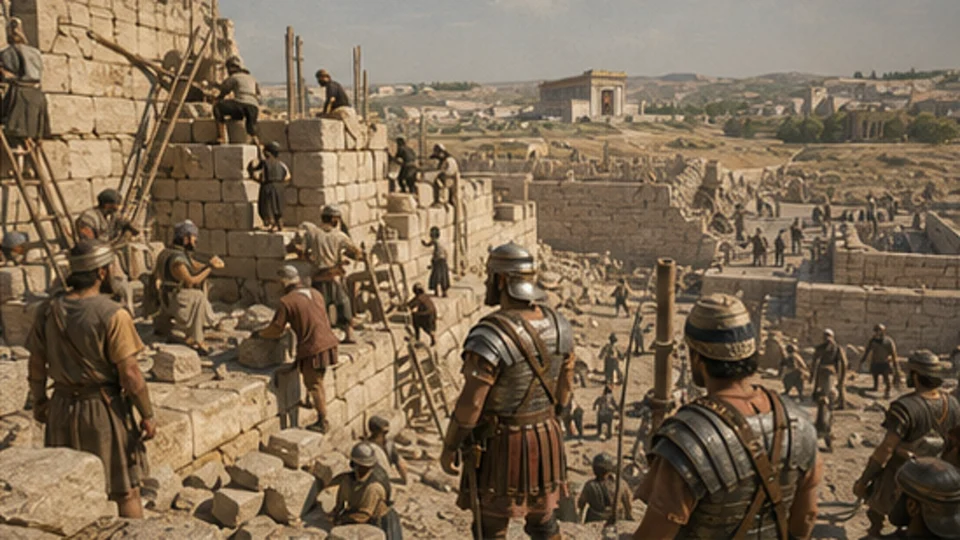
458 BC–-432 · Middle EastEzra, Nehemiah and Jerusalem restored

Under Artaxerxes I, Ezra strengthened Torah-centered communal life and Nehemiah organized the rebuilding of Jerusalem’s walls amid political opposition.

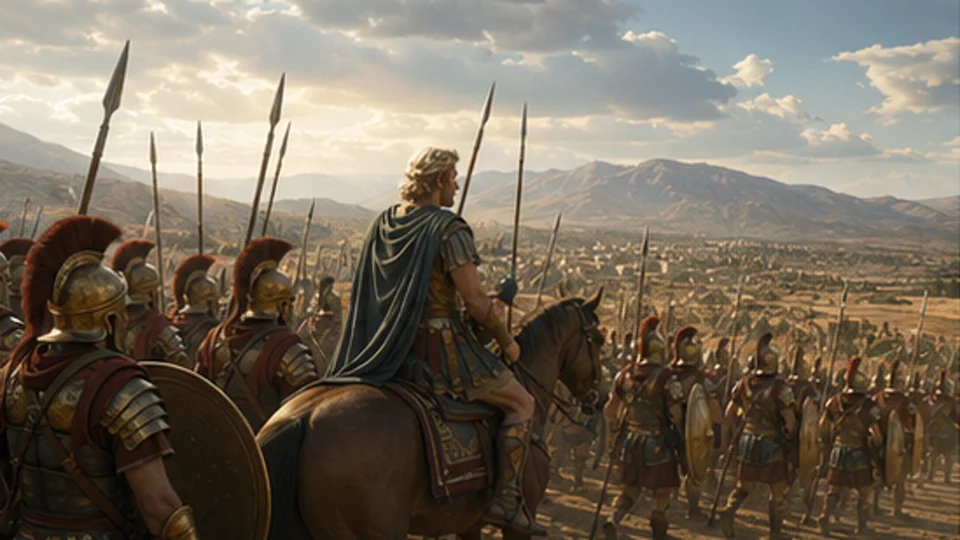
334 BC–-323 · GlobalWars of Alexander the Great

Alexander’s Macedonian army defeated Achaemenid Persia, besieged Tyre, entered Egypt and campaigned through Central Asia to the Indus.

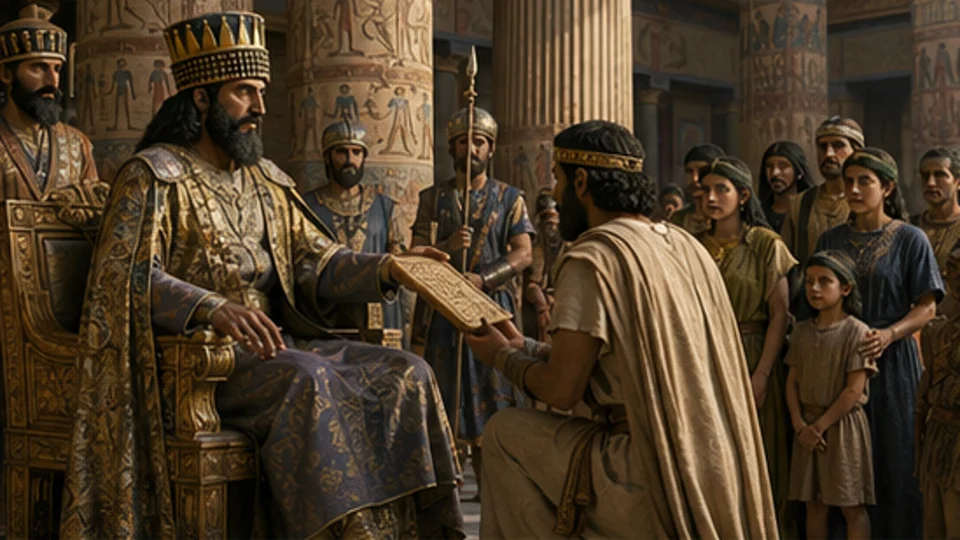
538 BC–-515 · Middle EastCyrus’s decree and the Second Temple

Persian policy permitted Judean exiles to return and rebuild the Temple; work associated with Sheshbazzar, Zerubbabel and Jeshua culminated in its dedication under Darius I.