ATLAS / ANCIENT—PRESENT
All historyHow Atlas is sourced← Back to Atlas
Back to Atlas timeline
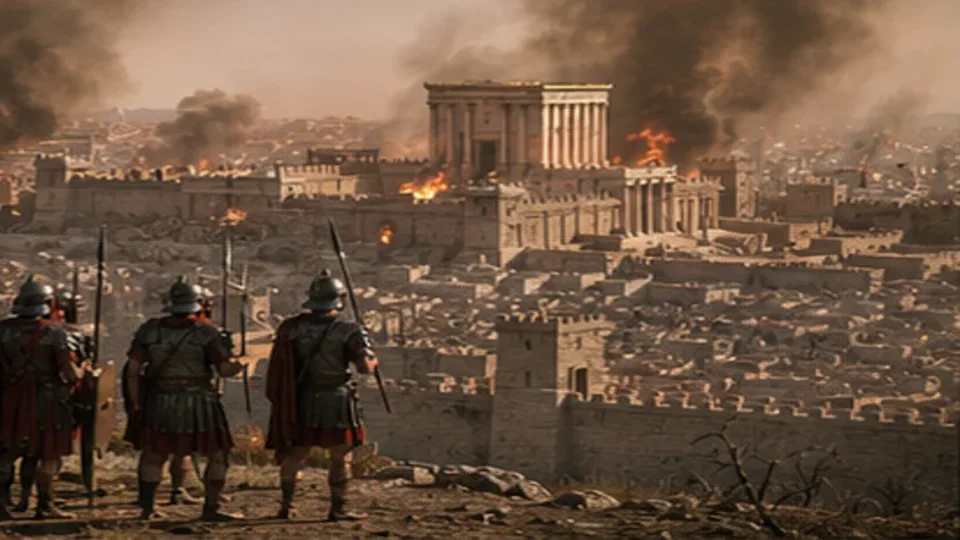
Destruction of Jerusalem — original Atlas editorial reconstruction

70 CE · Middle East · War

Destruction of Jerusalem

Roman forces under Titus captured Jerusalem and destroyed the Second Temple in 70 CE during the Jewish revolt, which had begun in 66; resistance continued elsewhere after the city's fall.

Atlas dossier · Christian Age

Free device narration · synchronized English captions · transcript available

Why it matters

The catastrophe transformed Judaism, early Christianity and the politics of the eastern Mediterranean.

Date
70 CE
Historical setting
Christian Age · Middle East
People & communities
Titus · Josephus · Jewish rebels and civilians
‘There shall not be left here one stone upon another.’ — Matthew 24:2 (KJV)
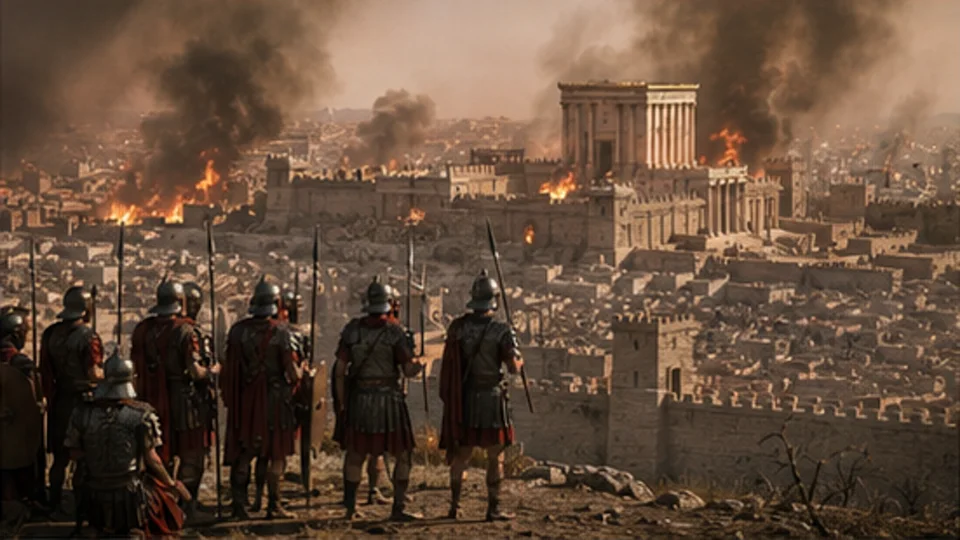
The siege within a longer war

The destruction of Jerusalem and the Temple belongs to 70 CE. The wider revolt began in 66 and resistance continued afterward. Josephus’s narrative and Roman victory monuments have different purposes and perspectives; neither should be read without considering the civilians and communities whose experiences they only partly preserve.

The Met: Eastern Mediterranean and Syria, 1–500

Illustrated sequence

Silent pan-and-zoom motion derivative of the Destruction of Jerusalem reconstruction; not archival footage.

Destruction of Jerusalem — original Atlas editorial reconstruction
IMAGE 1

Original Atlas reconstruction

Primary Atlas editorial reconstruction for Destruction of Jerusalem.

World History in Pictures · Public site artwork. This record does not grant third-party republication rights.

How Atlas classifies this artwork →
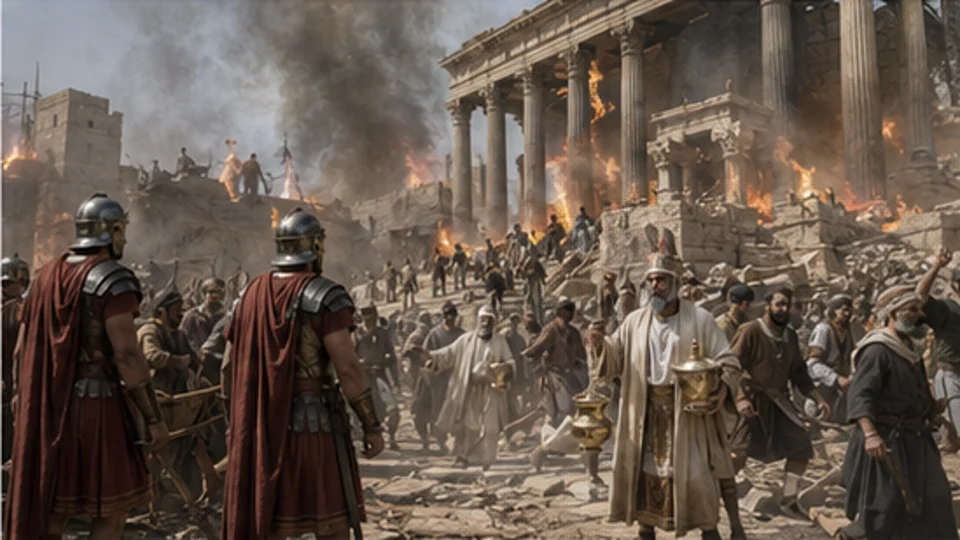
Destruction of Jerusalem: people and action
IMAGE 2

Supporting Atlas reconstruction

Supporting Atlas reconstruction within the same Destruction of Jerusalem editorial package; not an independent archival record.

World History in Pictures · Same editorial artwork package

How Atlas classifies this artwork →
Destruction of Jerusalem: setting and consequences
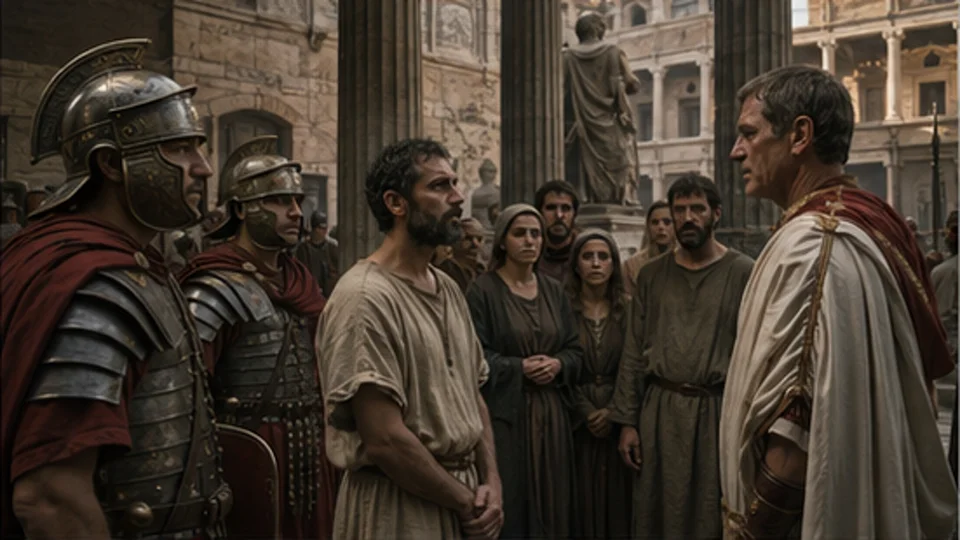
IMAGE 3

Context crop — same artwork

Context crop from the same Destruction of Jerusalem reconstruction; not an independent historical record.

World History in Pictures · Same editorial artwork package

How Atlas classifies this artwork →

Supplemental archival visual

A contemporaneous or later historical record, clearly distinguished from the Atlas visual sequence.

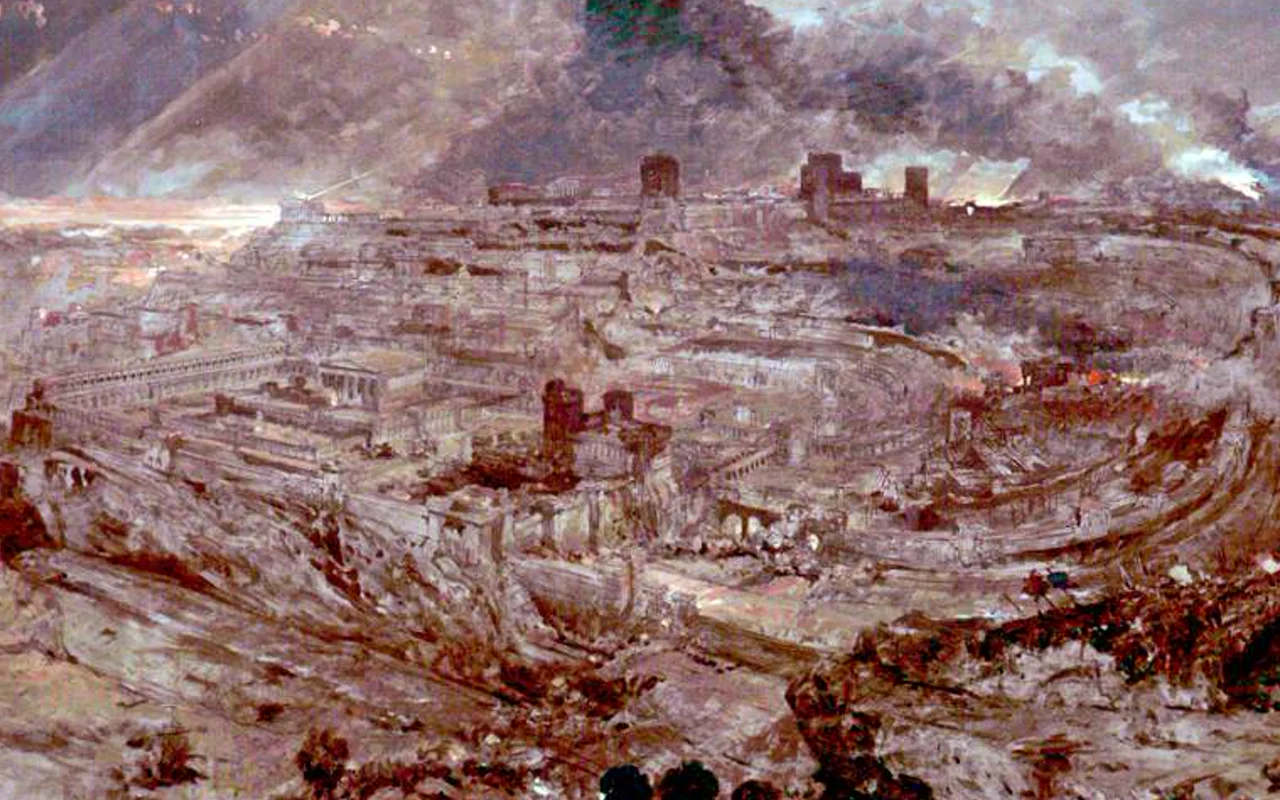
The Siege and Destruction of Jerusalem by the Romans under Titus, AD 70 is presented as a period visual interpretation or documentary record. It does not independently establish the dossier’s chronology; use the linked item page and source trail for its provenance and reuse terms.

Open the item page and rights record ↗The Siege and Destruction of Jerusalem by the Romans under Titus, AD 70 — David Roberts; Public Domain; via Williamson Art Gallery and Museum
Archival visual record: The Siege and Destruction of Jerusalem by the Romans under Titus, AD 70
The Siege and Destruction of Jerusalem by the Romans under Titus, AD 70 · Public Domain

Interpretation note

Evidence, memory and historical debate

This dossier distinguishes the event’s basic chronology from later arguments about meaning, responsibility and legacy. When comparing religious, national, Indigenous or scholarly interpretations, consult the primary and institutional sources above alongside peer-reviewed historical work.

Elsewhere in the world

Parallel histories near this moment

64–311 CE · EuropeChristian persecution before Constantine

Persecution varied by place and period, from Nero’s violence at Rome to empire-wide coercion under Decius and Diocletian.

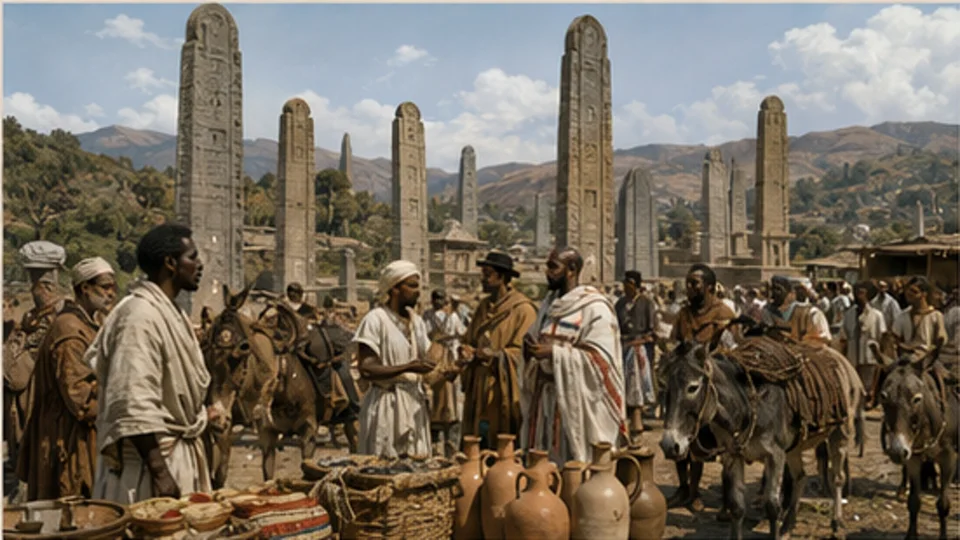
c. 1st–8th centuries CE · AfricaKingdom of Aksum

Aksum linked the African interior, Red Sea and Indian Ocean, minted coinage and adopted Christianity in the fourth century.

27 BCE–180 CE · EuropePax Romana

The period conventionally called the Pax Romana, from Augustus to Marcus Aurelius, linked Mediterranean communities through imperial administration, roads, ports and commerce. It also included conquest, slavery, revolts and civil war.