Why it matters
The wars reshaped Greek identity, maritime power and later political memory.
- Date
- 490 BC–-479
- Historical setting
- Biblical & Classical · Europe
- People & communities
- Darius I · Xerxes I · Themistocles · Leonidas
490 BC–-479 · Europe · War
Greek coalitions resisted Achaemenid invasions in campaigns remembered at Marathon, Thermopylae, Salamis and Plataea.
Atlas dossier · Biblical & ClassicalFree device narration · synchronized English captions · transcript available
Why it matters
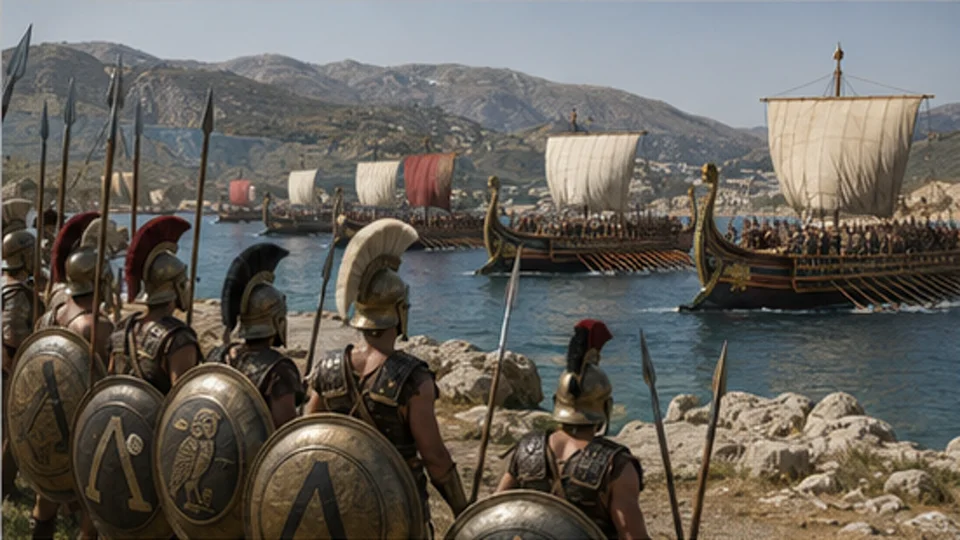
Greek coalitions resisted Achaemenid invasions in campaigns remembered at Marathon, Thermopylae, Salamis and Plataea.
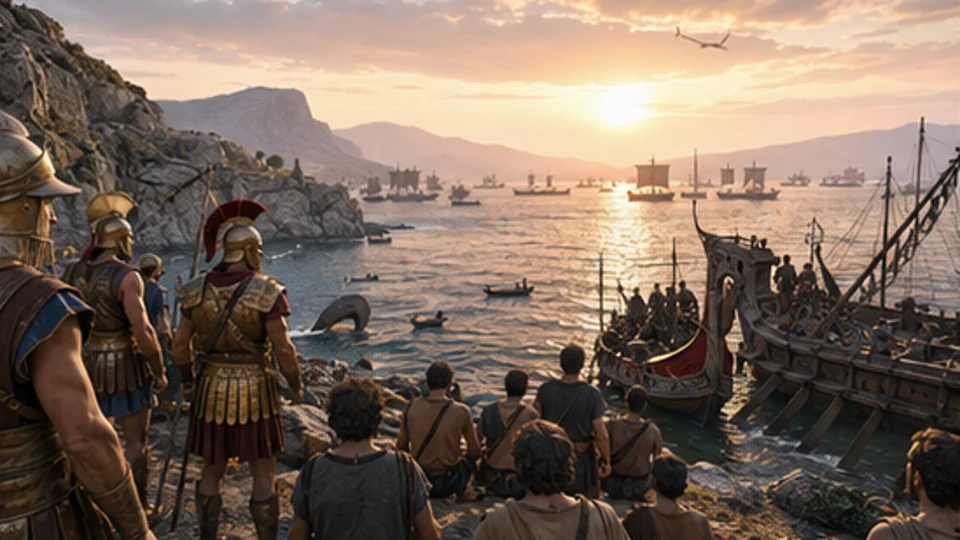
Darius I · Xerxes I · Themistocles · Leonidas
The wars reshaped Greek identity, maritime power and later political memory.
Interpretation note
This dossier distinguishes the event’s basic chronology from later arguments about meaning, responsibility and legacy. When comparing religious, national, Indigenous or scholarly interpretations, consult the primary and institutional sources above alongside peer-reviewed historical work.
Elsewhere in the world
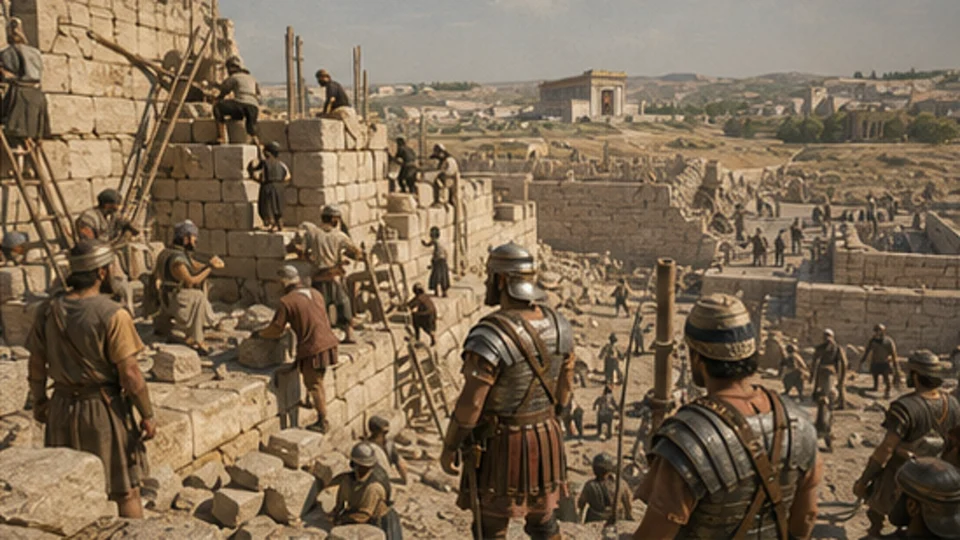 458 BC–-432 · Middle EastEzra, Nehemiah and Jerusalem restored
Under Artaxerxes I, Ezra strengthened Torah-centered communal life and Nehemiah organized the rebuilding of Jerusalem’s walls amid political opposition.
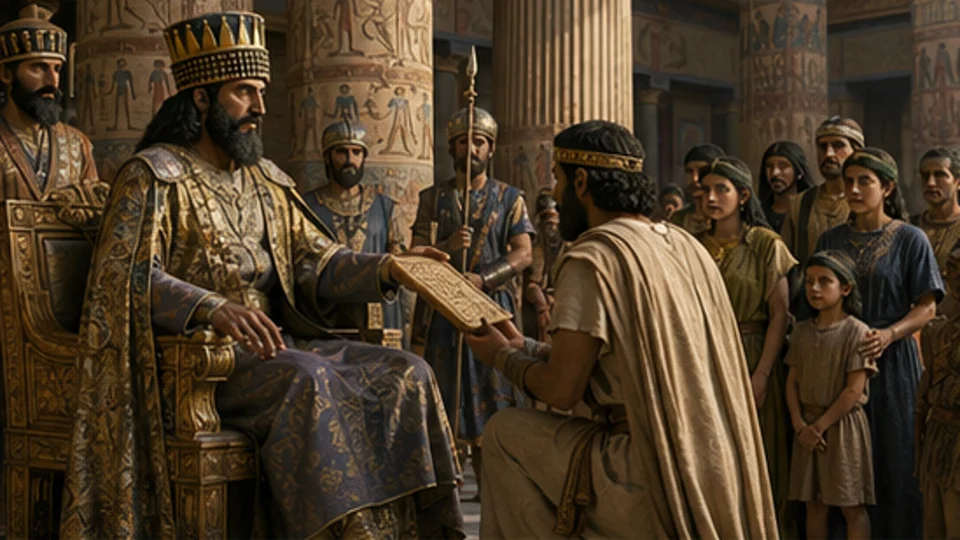 538 BC–-515 · Middle EastCyrus’s decree and the Second Temple
Persian policy permitted Judean exiles to return and rebuild the Temple; work associated with Sheshbazzar, Zerubbabel and Jeshua culminated in its dedication under Darius I.
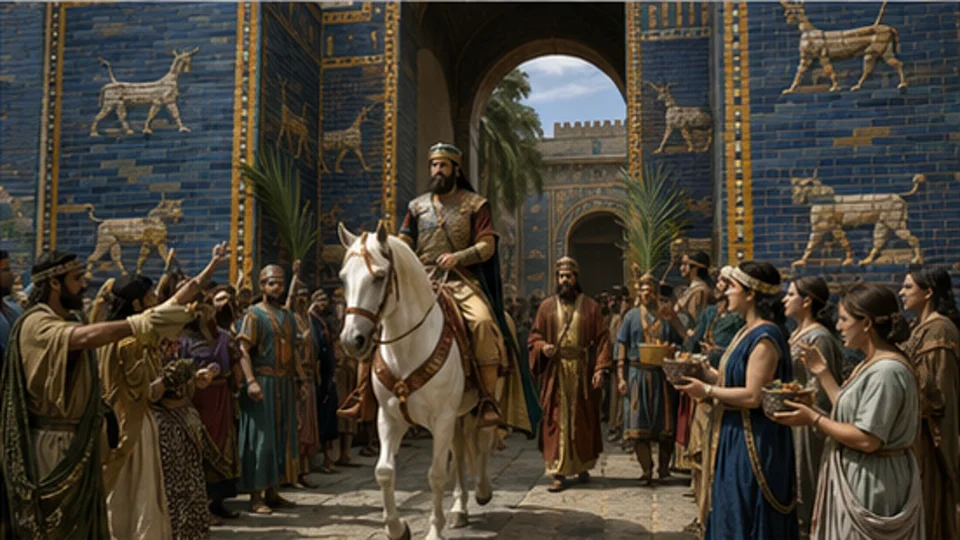 539 BC · Middle EastCyrus takes Babylon
Persian forces entered Babylon and absorbed its territories into the Achaemenid Empire; exiled communities gained new possibilities of return.