ATLAS / ANCIENT—PRESENT
All historyHow Atlas is sourced← Back to Atlas
Back to Atlas timeline
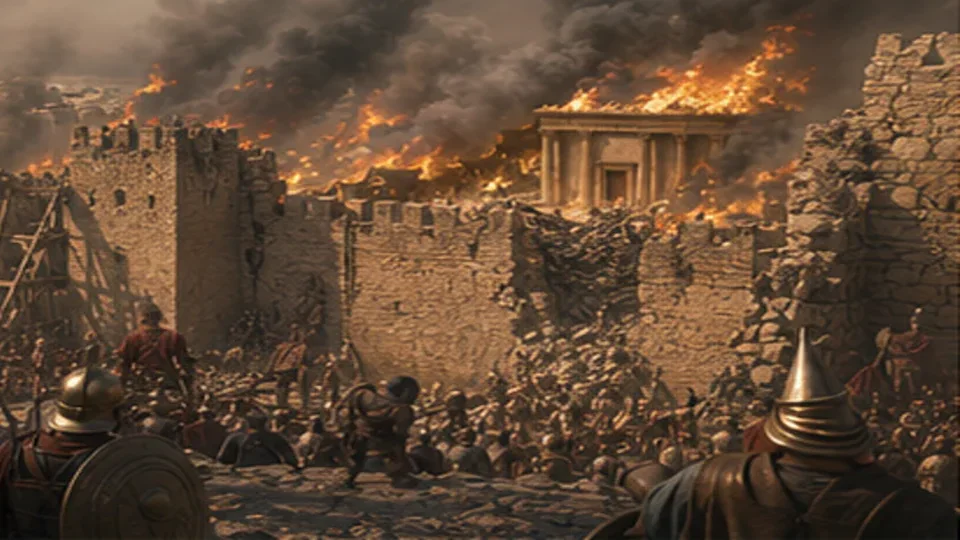
Babylon captures and destroys Jerusalem — original Atlas editorial reconstruction

587–586 BCE · Middle East · War

Babylon captures and destroys Jerusalem

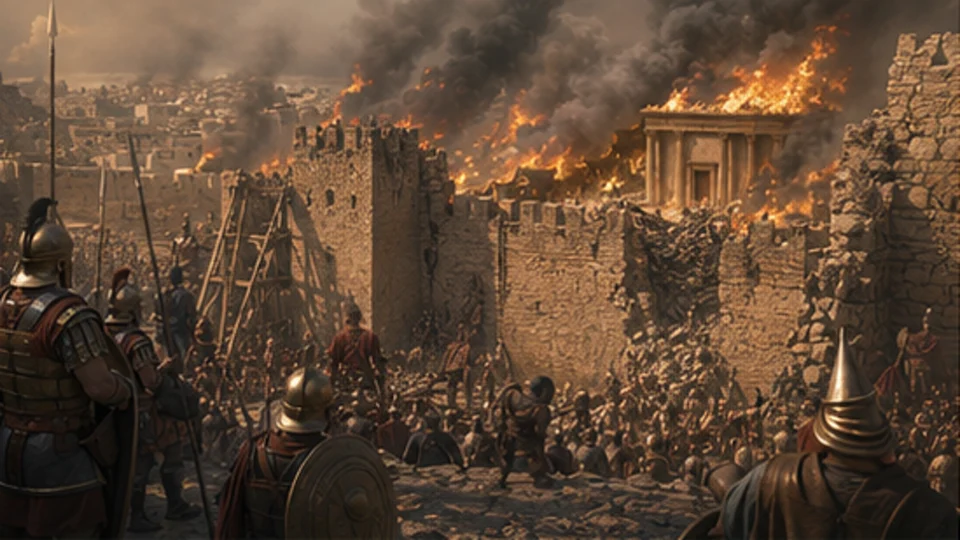
In 587/586 BCE, Nebuchadnezzar II’s army breached Jerusalem, burned the Temple and royal buildings, dismantled the city’s defenses and deported a significant part of Judah’s population to Babylon.

Atlas dossier · Biblical & Classical

Free device narration · synchronized English captions · transcript available

Why it matters

The catastrophe ended the kingdom of Judah, shaped exilic Judaism and forms the historical setting of Lamentations, Ezekiel and Daniel.

Date
587–586 BCE
Historical setting
Biblical & Classical · Middle East
People & communities
Nebuchadnezzar II · Zedekiah · Jeremiah · Judean captives
‘And he burnt the house of the LORD, and the king’s house.’ — 2 Kings 25:9 (KJV)
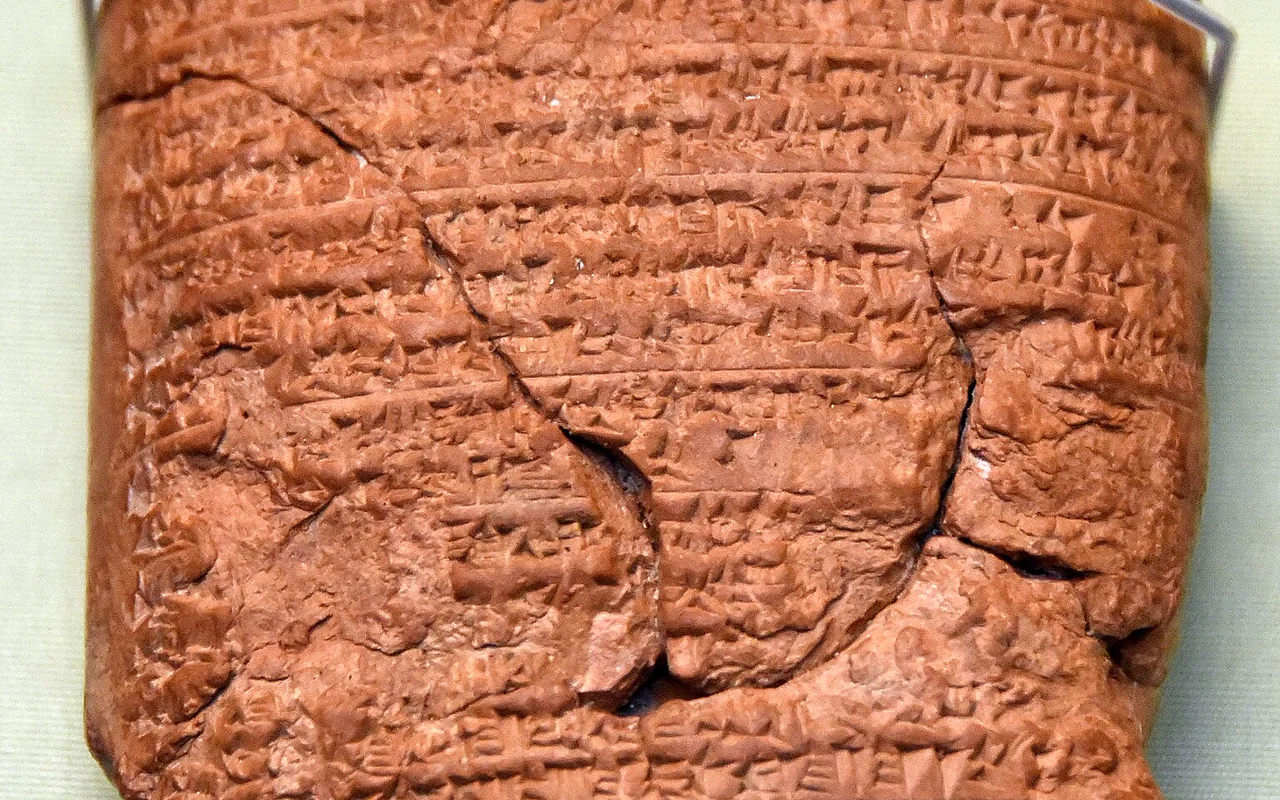
The surviving chronicle records an earlier capture

The Babylonian Chronicle pictured here records Nebuchadnezzar's capture of Jerusalem in 597 BCE. It should not be mistaken for a direct record of the later destruction of the Temple, conventionally dated 587 or 586 BCE. The Biblical account and the chronicle concern related but distinct episodes.

British Museum: Babylonian Chronicle, object 1896,0409.51

Illustrated sequence

Silent pan-and-zoom motion derivative of the Babylon captures and destroys Jerusalem reconstruction; not archival footage.

Babylon captures and destroys Jerusalem — original Atlas editorial reconstruction
IMAGE 1

Original Atlas reconstruction

Primary Atlas editorial reconstruction for Babylon captures and destroys Jerusalem.

World History in Pictures · Public site artwork. This record does not grant third-party republication rights.

How Atlas classifies this artwork →
Babylon captures and destroys Jerusalem: people and action
IMAGE 2

Supporting Atlas reconstruction

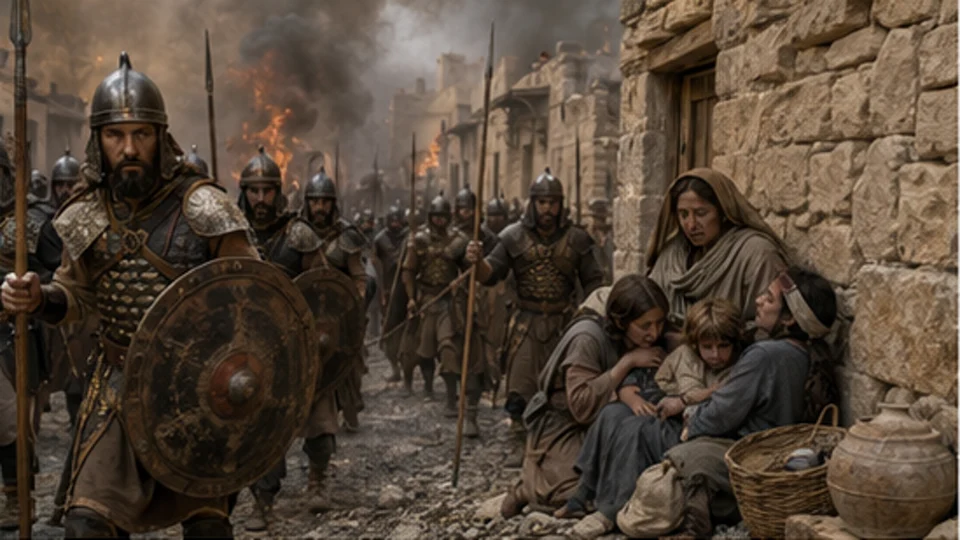
Supporting Atlas reconstruction within the same Babylon captures and destroys Jerusalem editorial package; not an independent archival record.

World History in Pictures · Same editorial artwork package

How Atlas classifies this artwork →
Babylon captures and destroys Jerusalem: setting and consequences
IMAGE 3

Context crop — same artwork

Context crop from the same Babylon captures and destroys Jerusalem reconstruction; not an independent historical record.

World History in Pictures · Same editorial artwork package

How Atlas classifies this artwork →

Supplemental archival visual

A contemporaneous or later historical record, clearly distinguished from the Atlas visual sequence.

Neo-Babylonian Chronicle recording the capture of Jerusalem in 597 BCE is presented as a period visual interpretation or documentary record. It does not independently establish the dossier’s chronology; use the linked item page and source trail for its provenance and reuse terms.

Open the item page and rights record ↗Neo-Babylonian Chronicle recording the capture of Jerusalem in 597 BCE — Osama Shukir Muhammed Amin FRCP(Glasg); CC BY-SA 4.0; via British Museum
Archival visual record: Neo-Babylonian Chronicle recording the capture of Jerusalem in 597 BCE
Neo-Babylonian Chronicle recording the capture of Jerusalem in 597 BCE · CC BY-SA 4.0

Interpretation note

Evidence, memory and historical debate

This dossier distinguishes the event’s basic chronology from later arguments about meaning, responsibility and legacy. When comparing religious, national, Indigenous or scholarly interpretations, consult the primary and institutional sources above alongside peer-reviewed historical work.

Elsewhere in the world

Parallel histories near this moment

490–479 BCE · EuropeGreco-Persian Wars

Coalitions of Greek poleis resisted two Achaemenid invasions in campaigns remembered at Marathon, Thermopylae, Salamis and Plataea; other Greek communities supported Persia or remained outside the alliances.

431–404 BCE · EuropePeloponnesian War

Athens, Sparta and their alliances fought across the Greek world in a prolonged conflict marked by plague, revolt, naval warfare and the Sicilian disaster; Persian support helped Sparta in the war’s closing phase.

800 BCE–900 CE · AmericasMaya city-states and knowledge

Maya societies built complex cities, writing systems, calendars, mathematical traditions and regional trade networks across Mesoamerica.