The reading room
Find your way through history. Explore 279 entries across places and centuries. Follow an event, compare its context, and examine the evidence.
Jump to the pictures and stories ↓ Africa Americas Asia Europe Middle East Oceania Global 224–651 CE
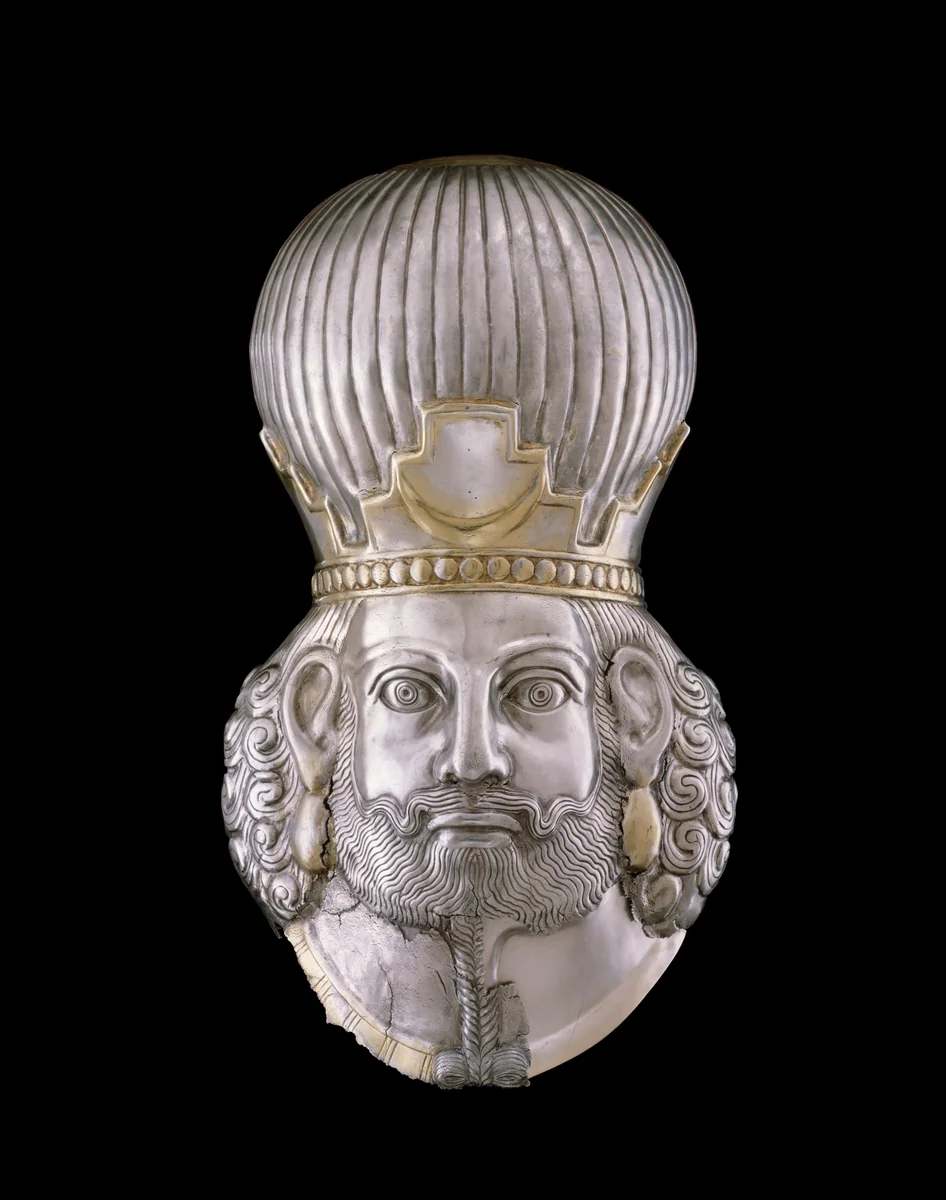
In-depth study Silver head of a Sasanian king, Iran, about the fourth century CE. The ruler is not securely identified; this surviving object is not a portrait of a named king.Picture source & rights The Metropolitan Museum of Art · Fletcher Fund, 1965 · 65.126 · Public domain / CC0 · Resized and converted to WebP · Licence terms Middle East / Empire
Between the Parthian and early Islamic periods, Sasanian rulers built a major Iranian empire. Silverwork, court imagery and exchanges with neighbouring societies reveal more than its wars with Rome.
Read → 1920–1940 CE
In-depth study Langston Hughes photographed by Carl Van Vechten in 1936. A later portrait of a Harlem Renaissance writer, not a photograph of a 1920s gathering.Picture source & rights Carl Van Vechten / Library of Congress / Wikimedia Commons · Public domain · Full frame retained, not colorized; converted to WebP · Licence terms Americas / Culture
Black writers, artists and musicians made new representations of modern life. Harlem was an important centre within a movement whose connections extended internationally.
Read → 1954–1962 CE
In-depth study Soldiers of Algeria’s National Liberation Army gathered beneath an Algerian flag during the War of Independence, 1958. The image provides an FLN military perspective, not the experiences of civilians, French forces or political negotiators.Picture source & rights Zdravko Pečar / Museum of African Art, Belgrade / Wikimedia Commons · CC BY-SA 4.0 · Resized and converted to WebP; derivative under the same licence · Licence terms Africa / Empire
The war for independence ended French colonial rule in Algeria. Political sovereignty also raised questions about archives, art and who would control the cultural inheritance.
Read → 1966–1976 CE
In-depth study Performers stage the model ballet The Red Detachment of Women at Beijing’s Great Hall of the People during the Nixon visit, 22 February 1972. This official performance documents state-approved aesthetics, not daily life or political persecution.Picture source & rights Byron E. Schumaker / Nixon Presidential Materials / U.S. National Archives / Wikimedia Commons · U.S. federal work, public domain · Converted to WebP · Licence terms Asia / Rights
Mao’s Cultural Revolution mobilised students and other groups against supposed enemies, destabilised institutions and subjected people to persecution.
Read →