ATLAS / WORLD HISTORY IN PICTURES

The reading room

Find your way through history.

Explore 279 entries across places and centuries. Follow an event, compare its context, and examine the evidence.

Jump to the pictures and stories ↓

3 entries · Oldest periods first

Back to filters ↑
750–1258 CEIn-depth study
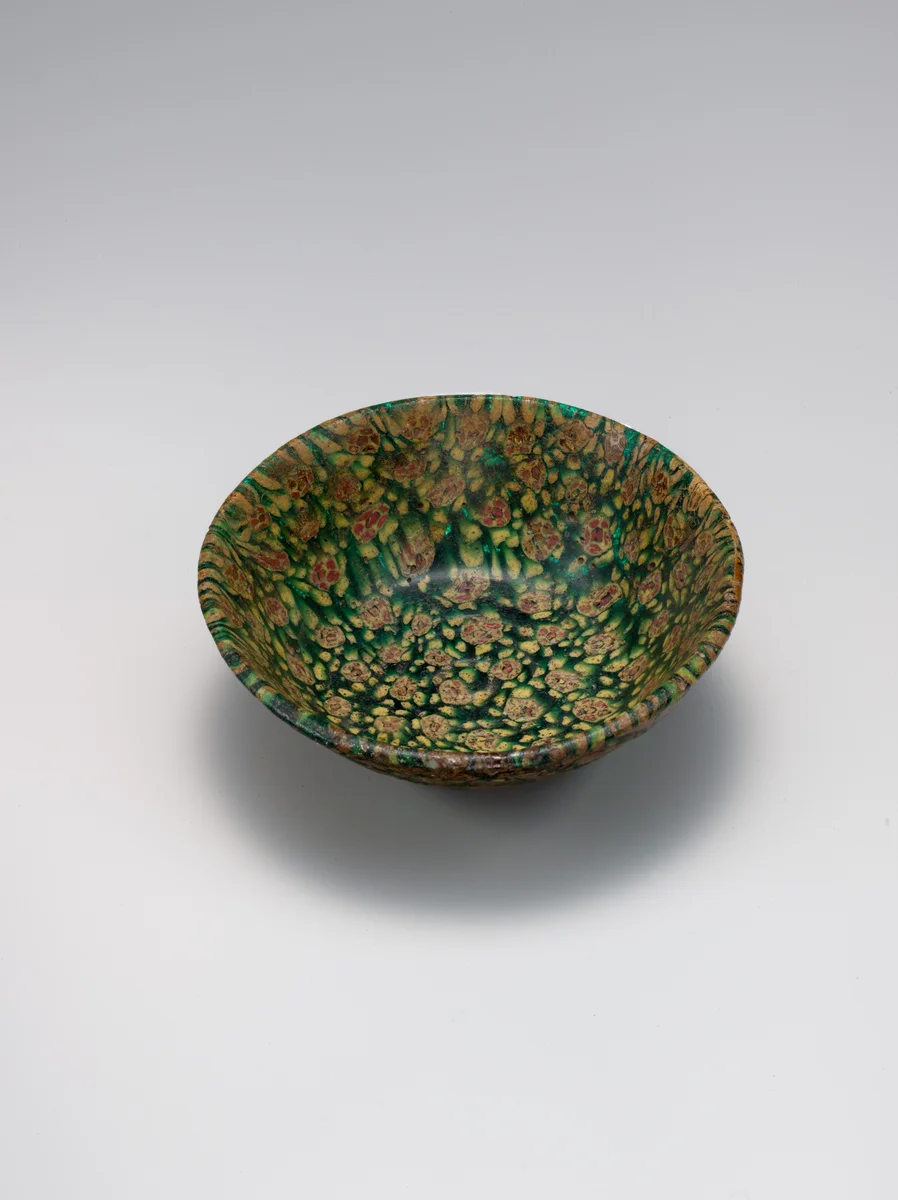
Ninth-century millefiori glass bowl, probably made in Iraq. A surviving object photographed in a museum; its original owner is not known.
Picture source & rightsThe Metropolitan Museum of Art · Rogers Fund, 2001 · 2001.266 · Public domain / CC0 · Resized and converted to WebP · Licence terms

Middle East / Culture

Abbasid Iraq: cities, skilled craft and learning

Baghdad and Samarra brought political patronage, specialised crafts and intellectual life into new urban settings. Surviving glass and architectural decoration illuminate a history that extends beyond dynastic succession.

Read →
1400–1819 CEIn-depth study
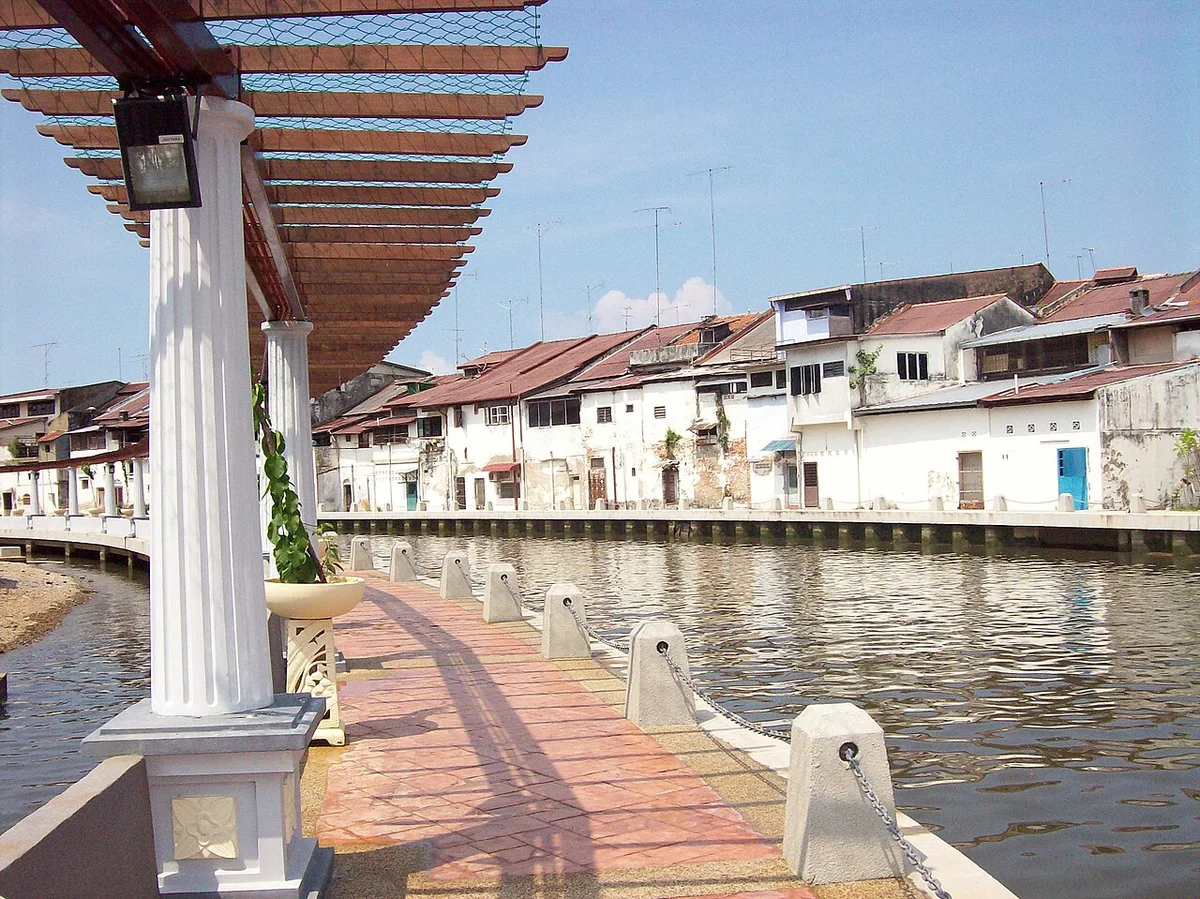
Melaka River on 3 January 2006. A modern waterfront photograph illustrating a historic trading setting; these are not claimed to be fifteenth-century buildings.
Picture source & rightsPhilip Nalangan / Wikimedia Commons · CC BY 4.0 · Resized and converted to WebP · Licence terms

Asia / Trade

Melaka and Johor: ports, sultanates and the Straits world

The Malay Peninsula’s maritime history was shaped by Asian merchants and sultanates as well as European conquest. Melaka’s capture did not bring the political and commercial world around it to an end.

Read →
1501–1722 CEIn-depth study
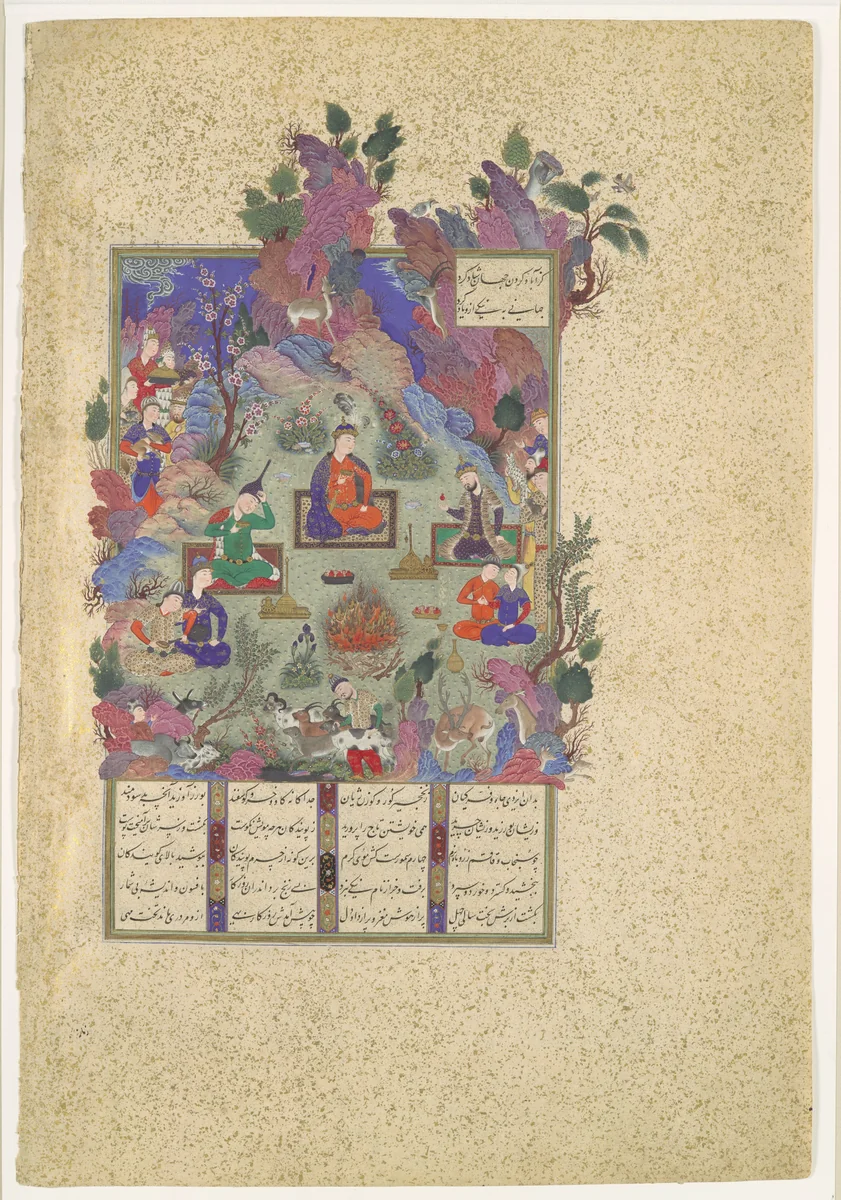
The Feast of Sada, a folio from the Shahnama of Shah Tahmasp, about 1525, attributed to Sultan Muhammad and made in Tabriz. This Safavid painting illustrates a legendary story, not an eyewitness scene of ancient Iran.
Picture source & rightsThe Metropolitan Museum of Art · Gift of Arthur A. Houghton Jr., 1970 · 1970.301.2 · Public domain / CC0 · Resized and converted to WebP · Licence terms

Middle East / Culture

Safavid Iran: faith, illustrated books and imperial cities

Safavid Iran connected a new dynastic and religious order with manuscript painting, textiles and urban patronage. Its visual culture belongs alongside Ottoman and Mughal histories, not inside them.
Read →