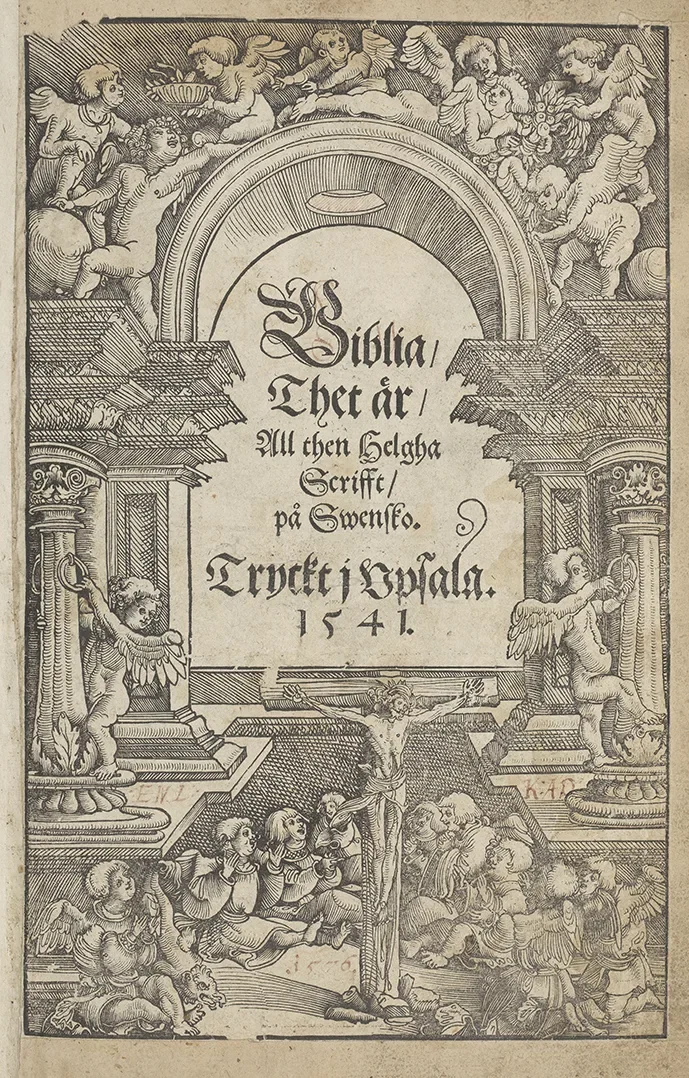
Swedish, Danish, Norwegian and Icelandic reformations followed different paths. Vernacular Scripture and preaching interacted with royal power, confiscation and resistance; later Protestant writers interpreted these changes through their faith.
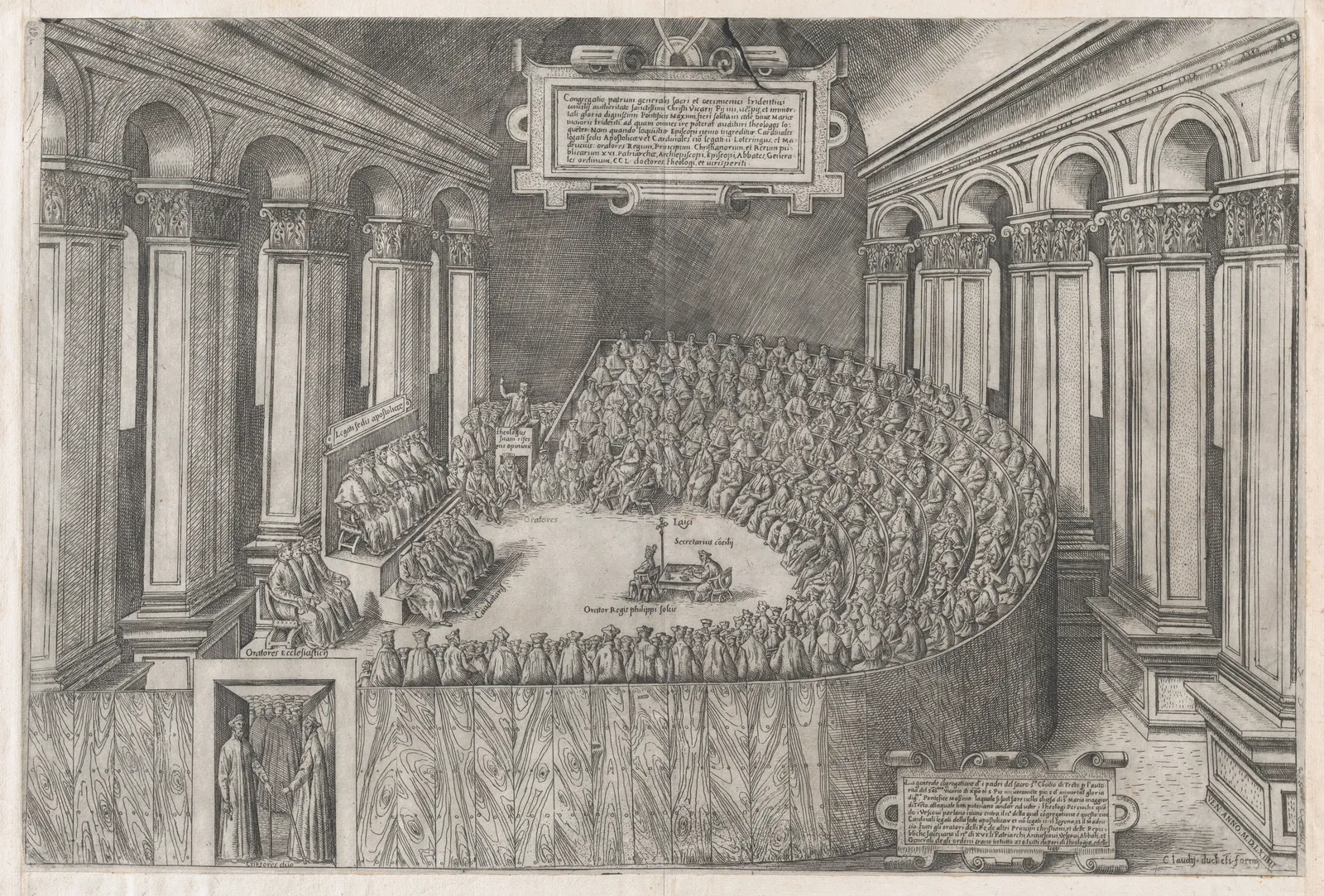
A new religious society and an interrupted council pursued preaching, instruction, doctrinal definition and clerical reform. Their programmes shaped Catholic renewal, while their implementation varied across places and institutions.
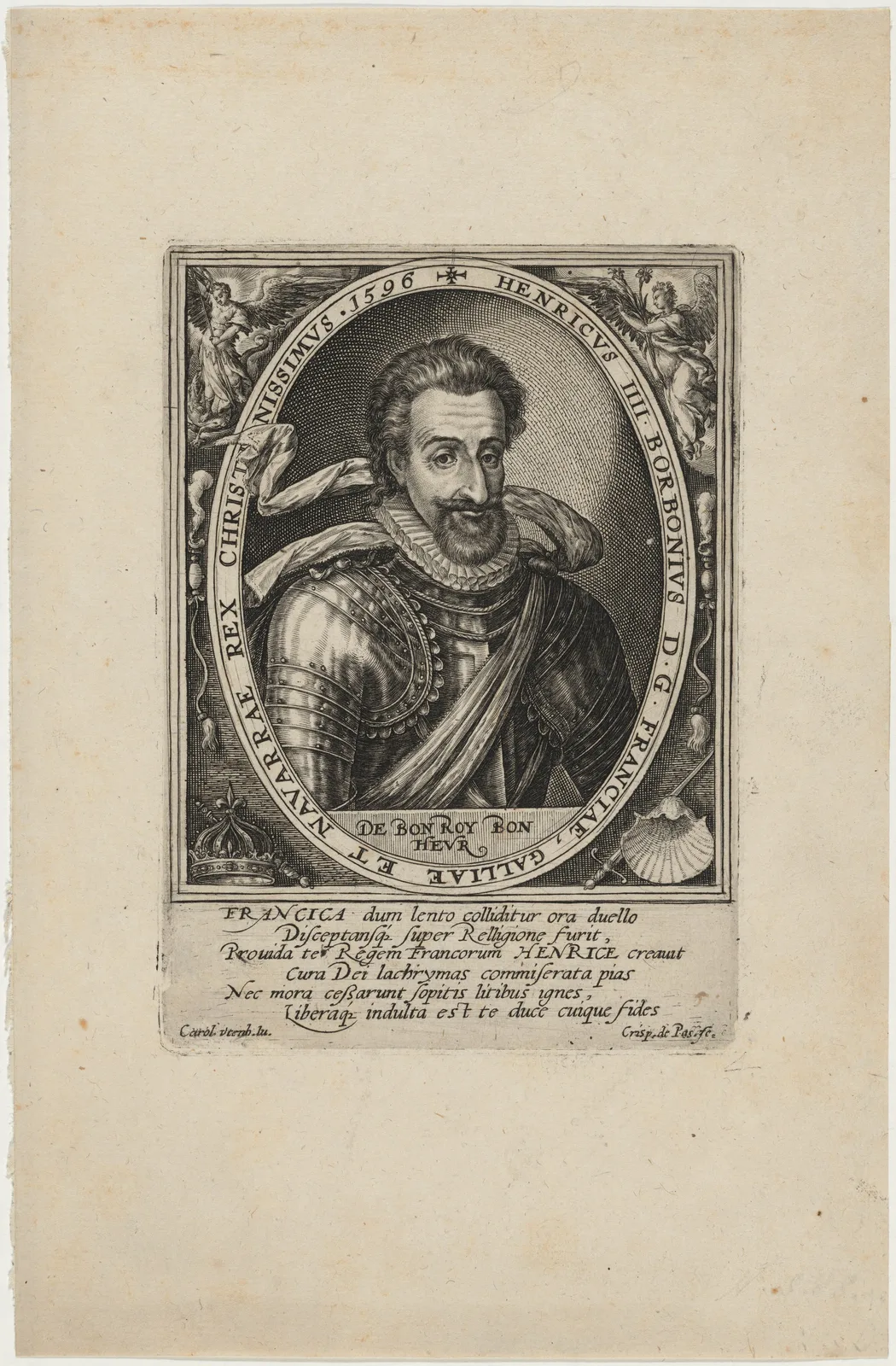
Royal settlements distinguished private conscience, public worship and civil participation. Reading their provisions beside later Protestant histories reveals both the possibilities and the limits of a negotiated religious peace.
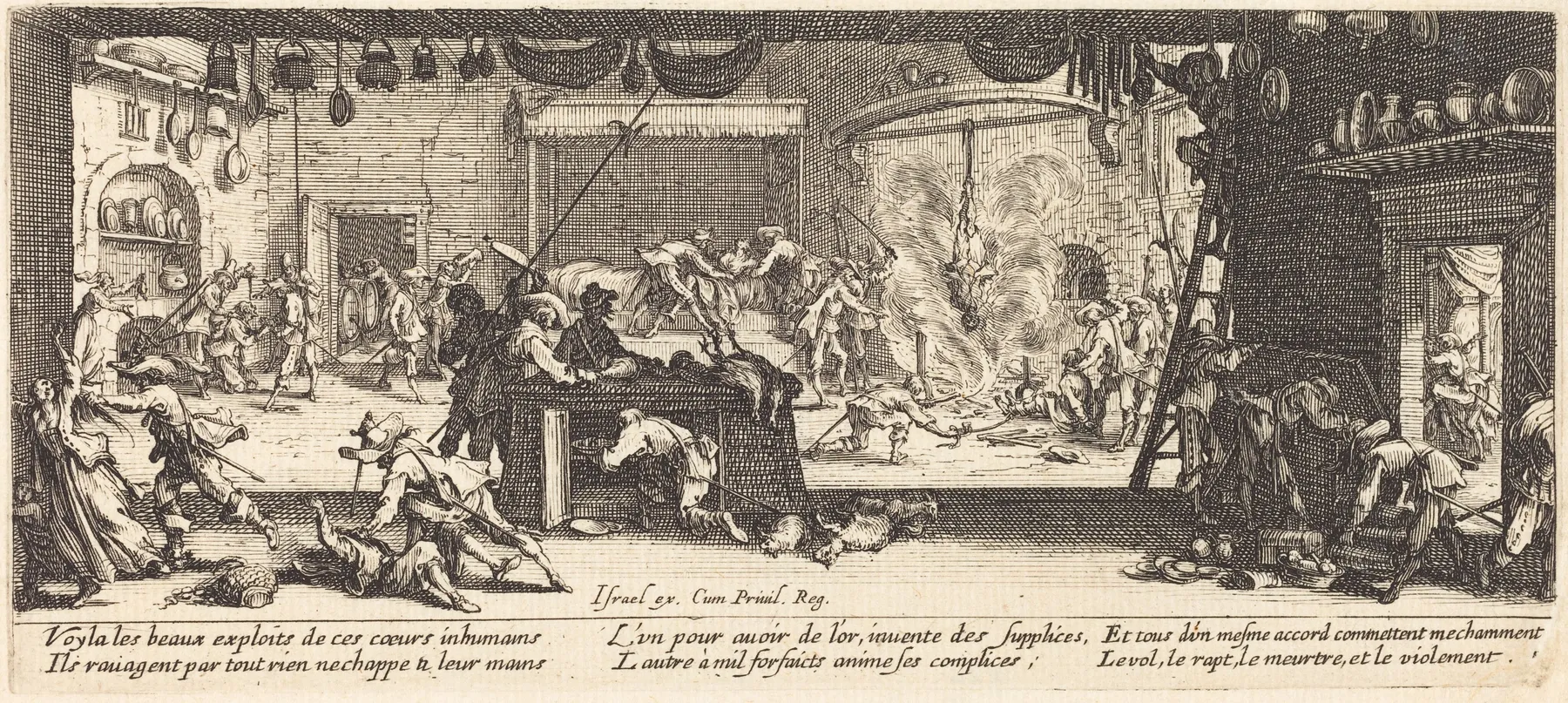
A revolt in Bohemia widened into overlapping wars. Legal texts, a Swabian chronicle and a period print connect contested religious privileges, civilian survival and the negotiated settlement of 1648.