ATLAS / WORLD HISTORY IN PICTURES

The reading room

Find your way through history.

Explore 279 entries across places and centuries. Follow an event, compare its context, and examine the evidence.

Jump to the pictures and stories ↓

5 entries · Oldest periods first

Back to filters ↑
626–539 BCEIn-depth study
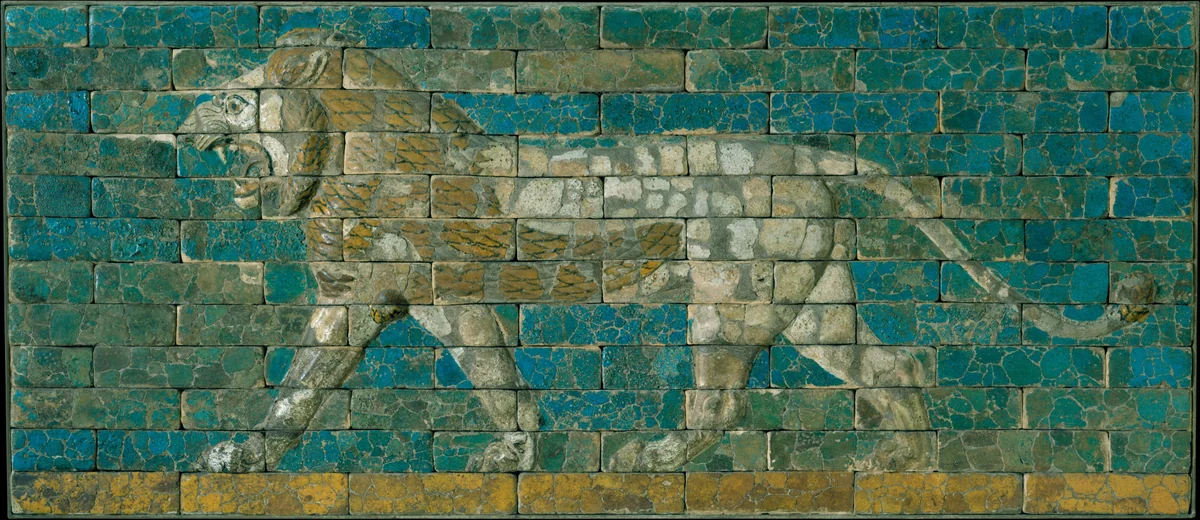
Glazed-brick lion panel from Babylon, about 604–562 BCE, now assembled as a museum panel. Lions lined the Processional Way; this is surviving architectural decoration, not a complete view of the ancient city.
Picture source & rightsThe Metropolitan Museum of Art · Fletcher Fund, 1931 · 31.13.1 · Public domain / CC0 · Resized and converted to WebP · Licence terms

Middle East / Culture

Babylon: a city of colour, ritual and knowledge

Babylon was more than the setting of a conquest. Its glazed-brick streets, temples and scholarship reveal an urban society whose influence outlasted its imperial government.

Read →
550–31 BCEIn-depth study
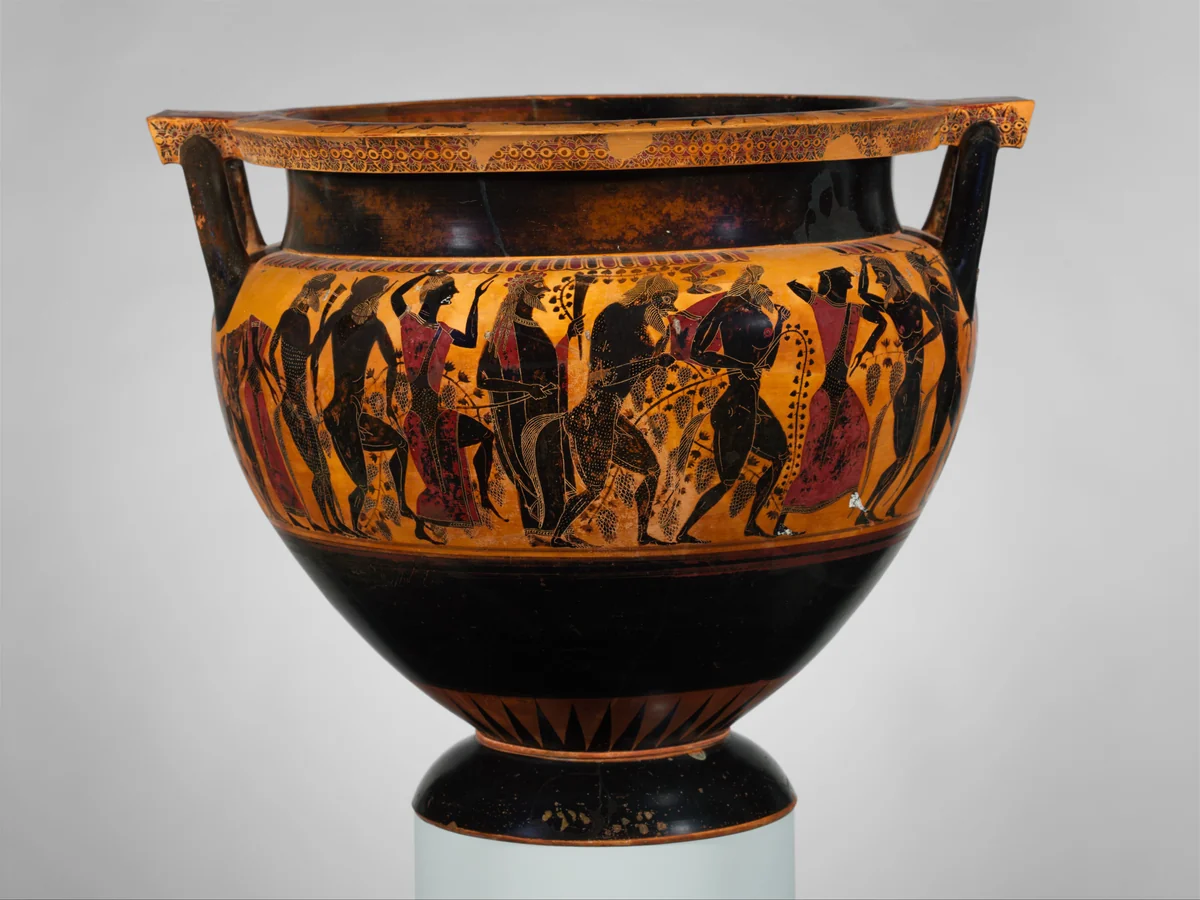
Attic terracotta column-krater attributed to Lydos, about 550 BCE. Its painted scene depicts mythology; it is not a documentary picture of an Athenian assembly.
Picture source & rightsThe Metropolitan Museum of Art · Fletcher Fund, 1931 · 31.11.11 · Public domain / CC0 · Resized and converted to WebP · Licence terms

Europe / Culture

Ancient Greek social worlds: vessels, clothing and cultural exchange

Painted pottery and clothing bring Greek history beyond its battlefields. These objects reveal social gatherings, skilled labour and cultural exchange—but not an equal or uniform society.

Read →
206 BCE–220 CEIn-depth study
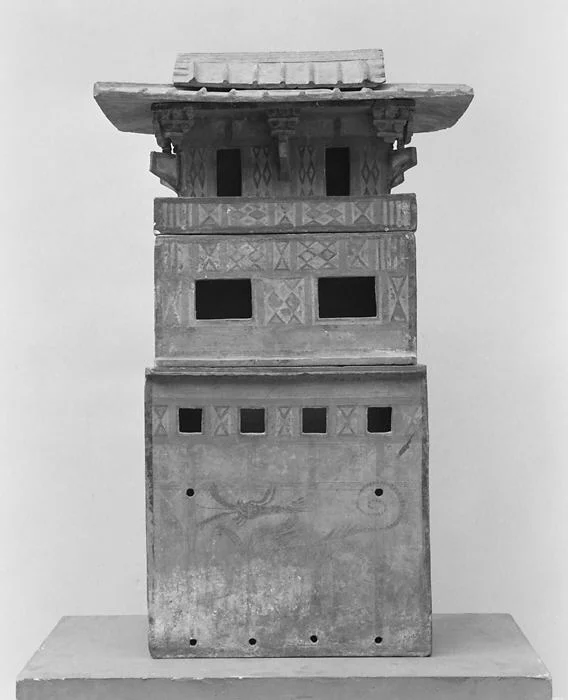
Eastern Han earthenware house model with traces of pigment. A surviving funerary object, not a reconstruction of a particular occupied home.
Picture source & rightsThe Metropolitan Museum of Art · Rogers Fund, 1951 · 51.127.2a–f · Public domain / CC0 · Resized to WebP · Licence terms

Asia / Culture

Han China: cities, households and a connected empire

Han history includes administration, writing and long-distance exchange as well as conquest. A pottery house model opens a different view: the buildings and material comforts imagined for life after death.

Read →
1800–1930 CEIn-depth study
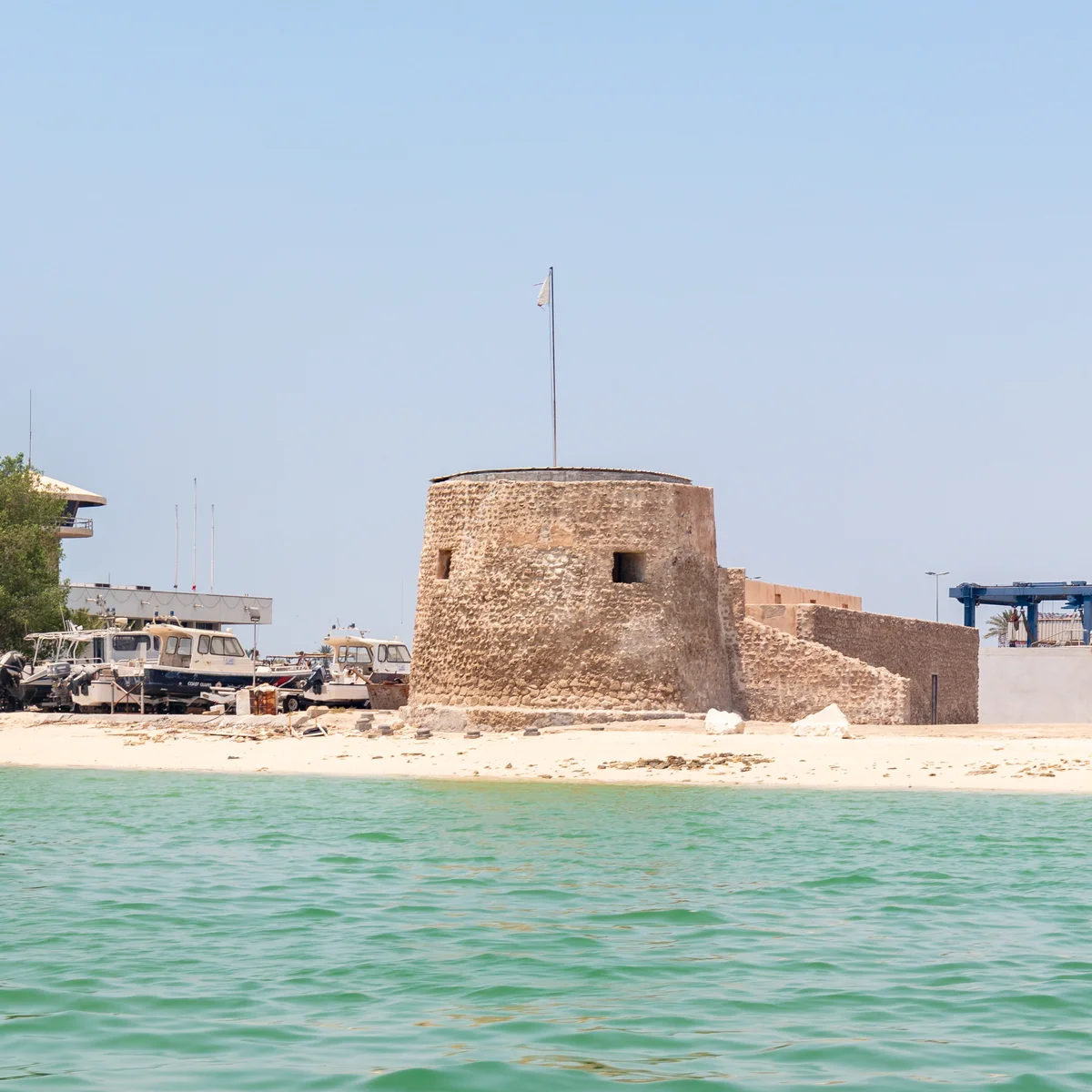
Bu Maher Fort, Bahrain, photographed on 18 August 2024. This modern view includes restored fabric; it is not an archival photograph of the pearling industry.
Picture source & rightsDiego Delso, delso.photo · CC BY-SA 4.0 · Resized and converted to WebP; derivative under the same licence · Licence terms

Middle East / Trade

Bahrain: pearling, maritime work and Muharraq

Before oil, pearls connected Bahrain’s offshore oyster beds with crews, merchant houses and overseas markets. Muharraq preserves traces of this maritime economy, not merely the wealth of its most successful traders.

Read →
1858–1875 CEIn-depth study
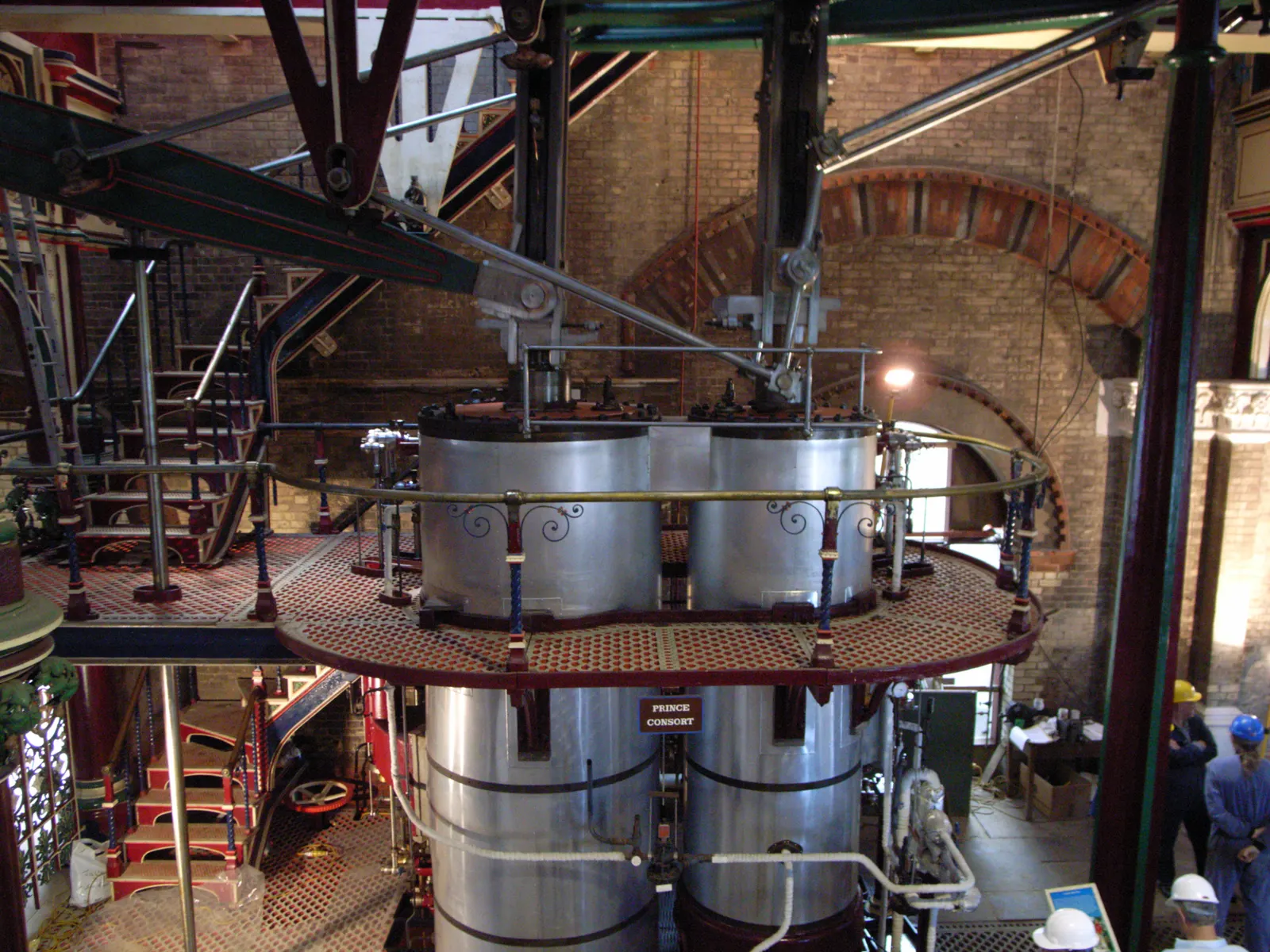
The historic Prince Consort beam engine at Crossness Pumping Station, photographed in 2007. This modern photograph documents surviving sanitation machinery; it is not an 1865 photograph.
Picture source & rightsSteve Cadman / Wikimedia Commons · CC BY-SA 2.0 · Resized and converted to WebP; derivative under the same licence · Licence terms

Europe / Medicine

London’s sanitation: waste, water and public works

Rapid urban growth overwhelmed older waste systems. London’s sewer works show how public health depended on engineering, finance and the work of maintenance.
Read →