Invasions, settlements and changing alliances transformed Roman Europe. Medieval kingdoms and modern European states emerged through further centuries of political change.
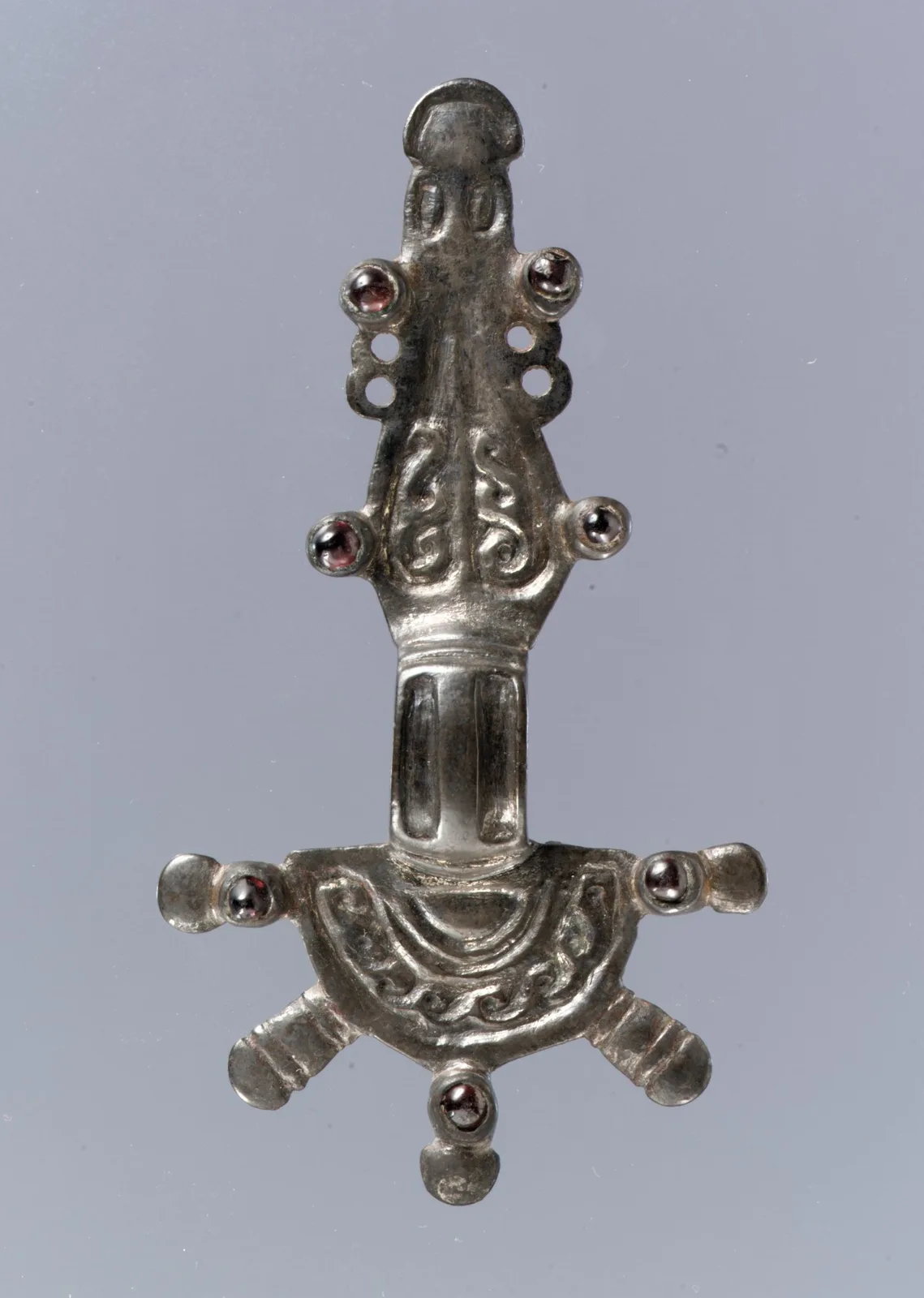
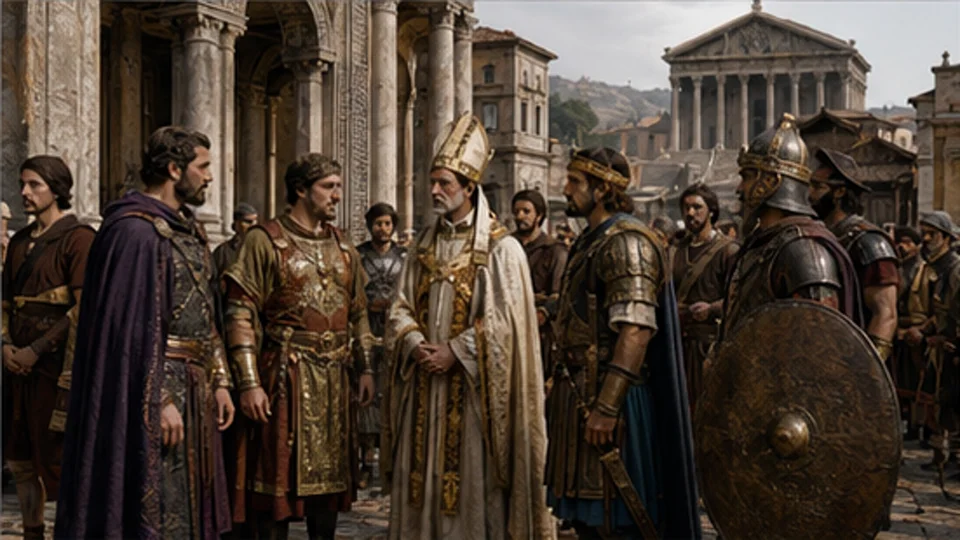
Odoacer deposed Romulus Augustulus in Italy in 476, a conventional marker for the end of the Western Roman Empire. Roman institutions endured in successor kingdoms, while the Eastern Roman Empire continued from Constantinople.
The fall of Odoacer, the Vandal kingdom and Ostrogothic rule belongs to several campaigns. Protestant historicist readings connect these events to Daniel 7; the military chronology needs its own careful account.
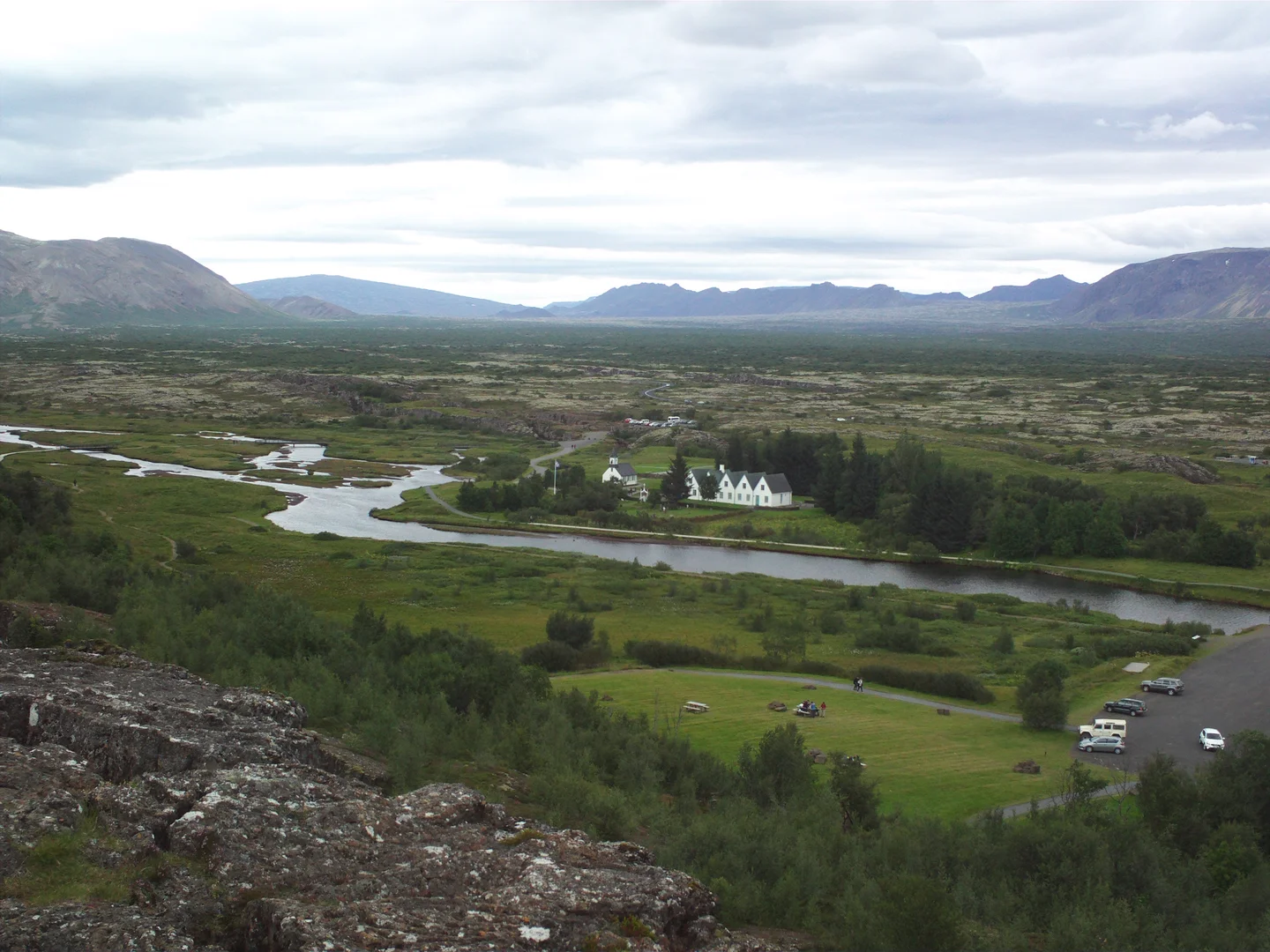
Þingvellir links Iceland’s medieval assembly, seasonal gatherings and later independence movement. Its long history includes institutional breaks and changing powers—not an unchanged modern democracy lasting a millennium.
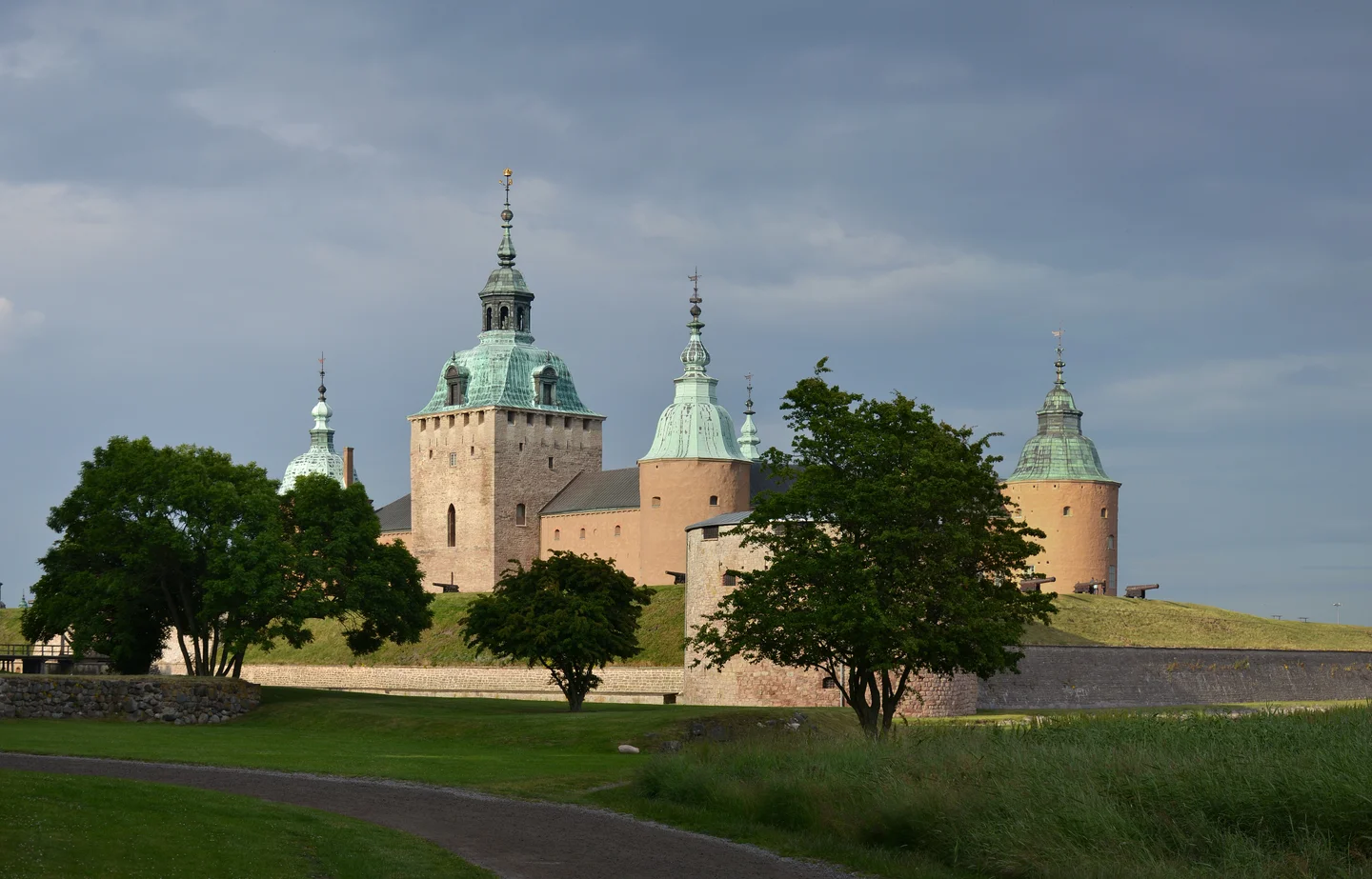
Denmark, Norway and Sweden shared a monarch without becoming one uniform state. The union reveals both the power of dynastic negotiation and the limits of royal authority.
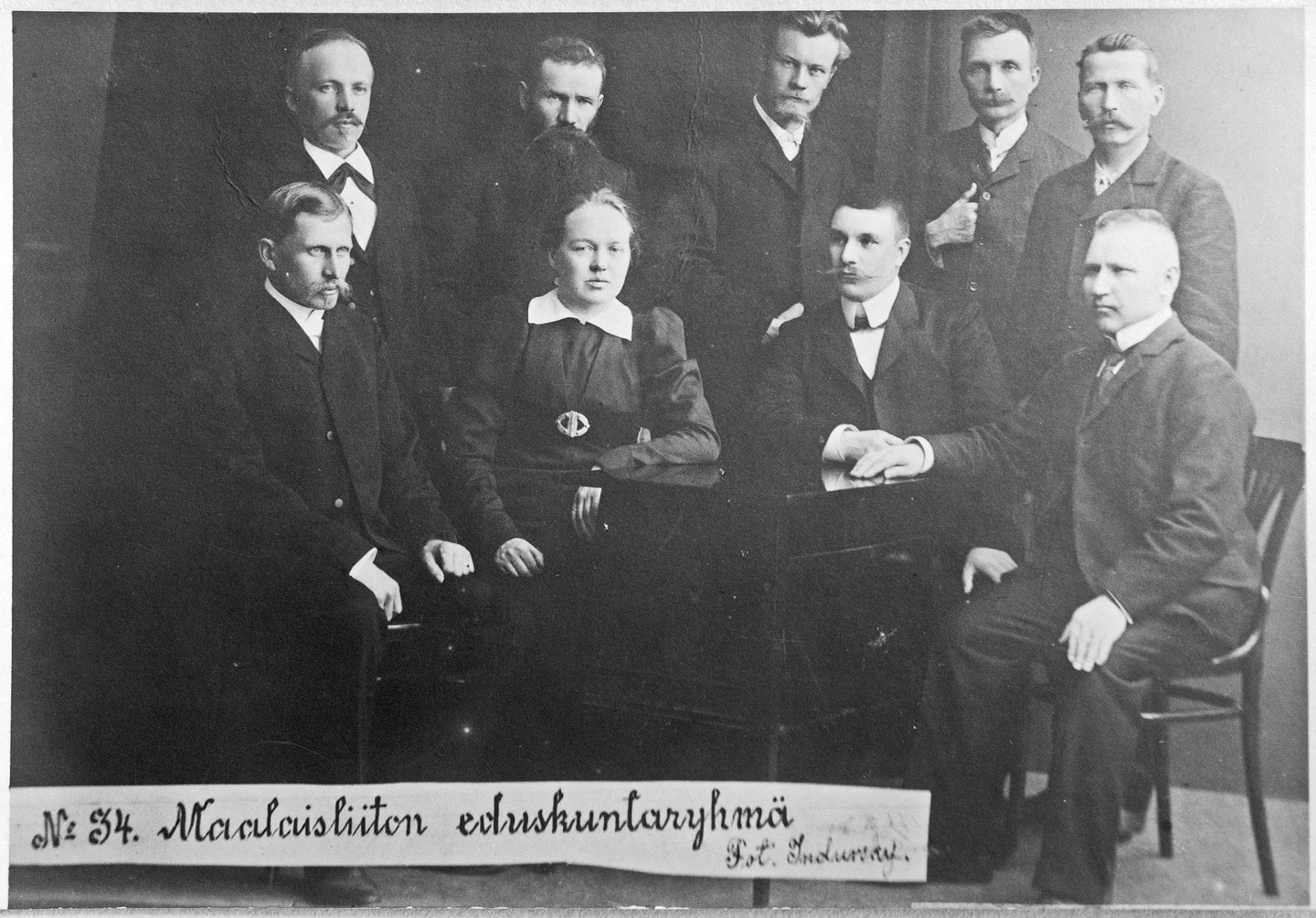
Finland’s parliamentary transformation preceded independence. The election of women in 1907, separation from Russia in 1917, civil war in 1918 and republican settlement in 1919 were distinct—and contested—developments.
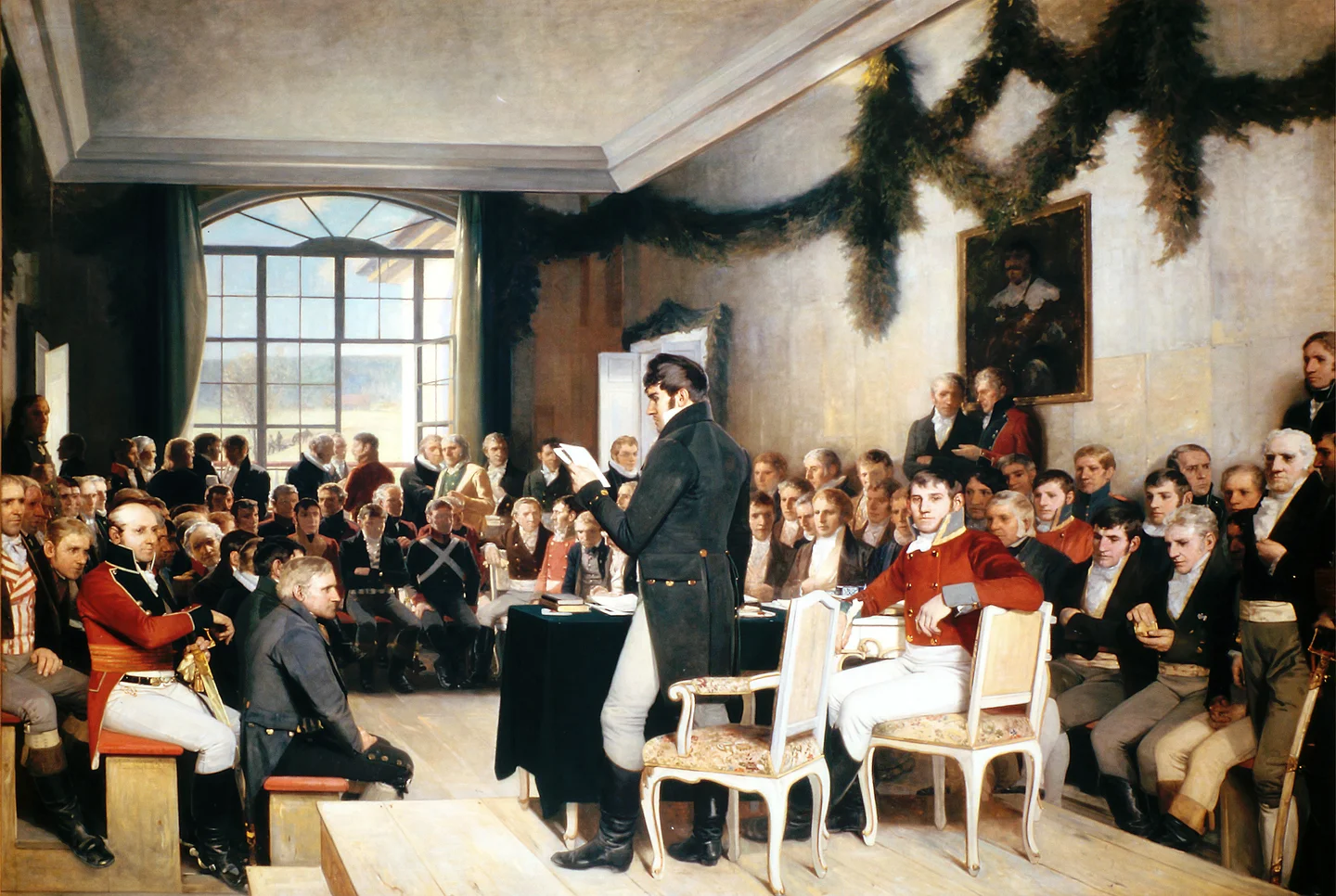
Norway’s 1814 constitution, its union with Sweden and independence in 1905 were different milestones. Political participation widened through further struggles rather than arriving fully formed at Eidsvoll.