ATLAS / WORLD HISTORY IN PICTURES

The reading room

Find your way through history.

Explore 279 entries across places and centuries. Follow an event, compare its context, and examine the evidence.

Jump to the pictures and stories ↓

6 entries · Oldest periods first

Back to filters ↑
930–1944 CEIn-depth study
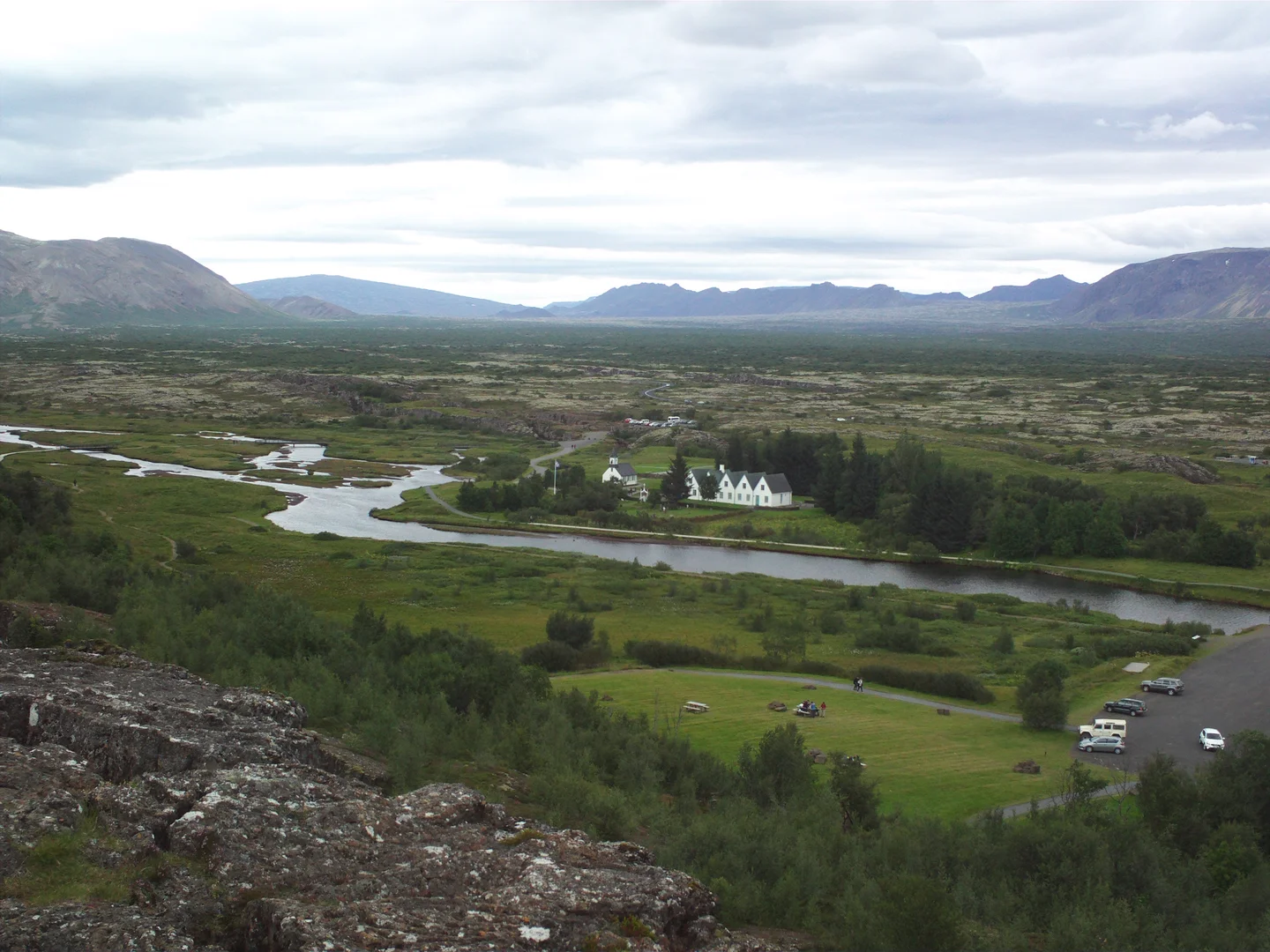
Þingvellir village and landscape, photographed on 9 August 2014. The later buildings and modern visitor facilities are not a reconstruction of the medieval assembly.
Picture source & rightsYpsilon from Finland / Wikimedia Commons · CC0 · Resized and converted to WebP · Licence terms

Europe / Rights

Iceland: assembly, social life and the road to a republic

Þingvellir links Iceland’s medieval assembly, seasonal gatherings and later independence movement. Its long history includes institutional breaks and changing powers—not an unchanged modern democracy lasting a millennium.

Read →
1397–1523 CEIn-depth study
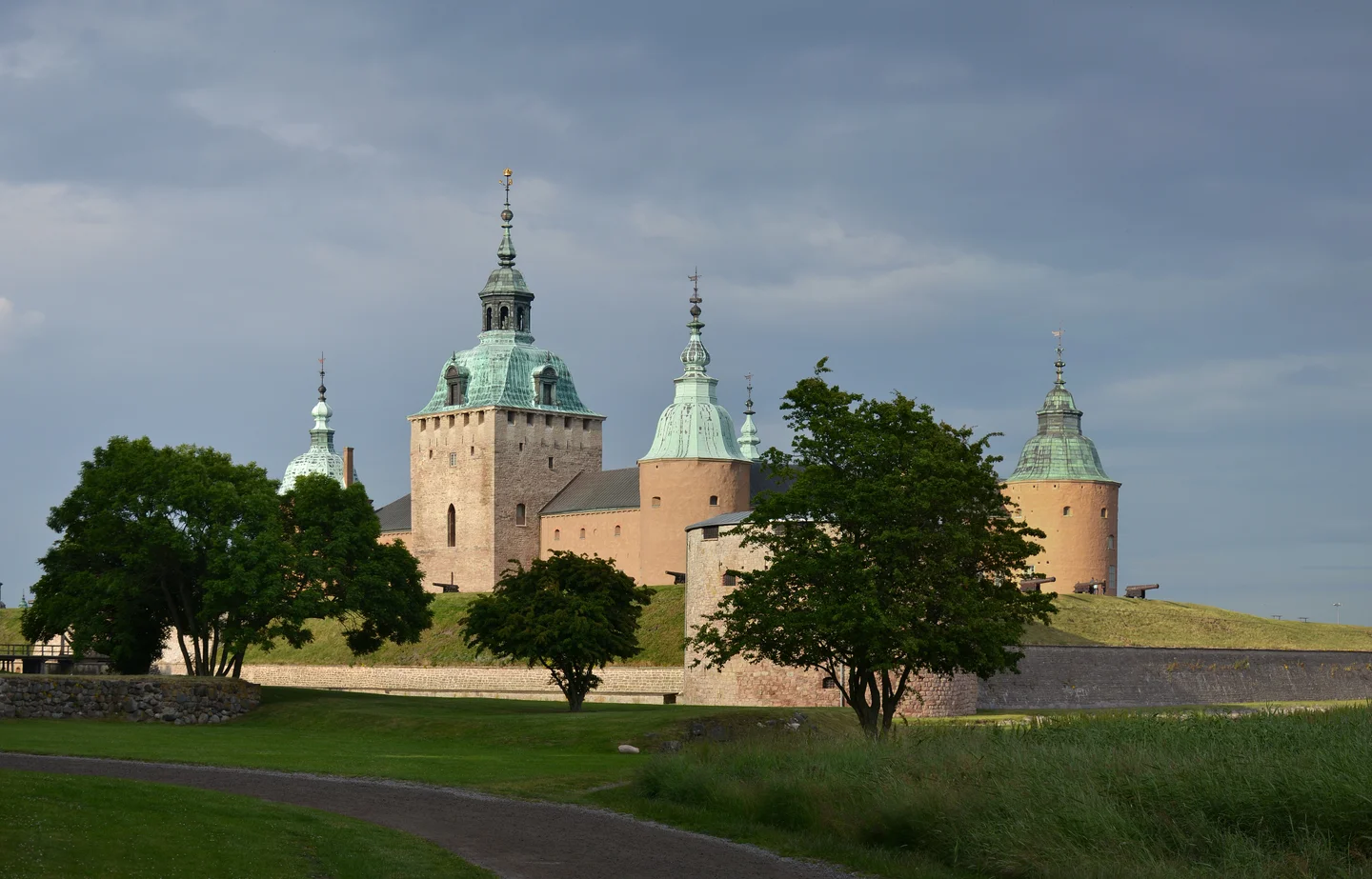
Kalmar Castle, photographed on 28 June 2015. A later view of surviving and altered architecture—not the union meeting of 1397.
Picture source & rightsPudelek / Wikimedia Commons · CC BY-SA 4.0 · Resized and converted to WebP; derivative under the same licence · Licence terms

Europe / Empire

The Kalmar Union: three kingdoms, contested authority

Denmark, Norway and Sweden shared a monarch without becoming one uniform state. The union reveals both the power of dynastic negotiation and the limits of royal authority.

Read →
1523–1584 CEIn-depth study
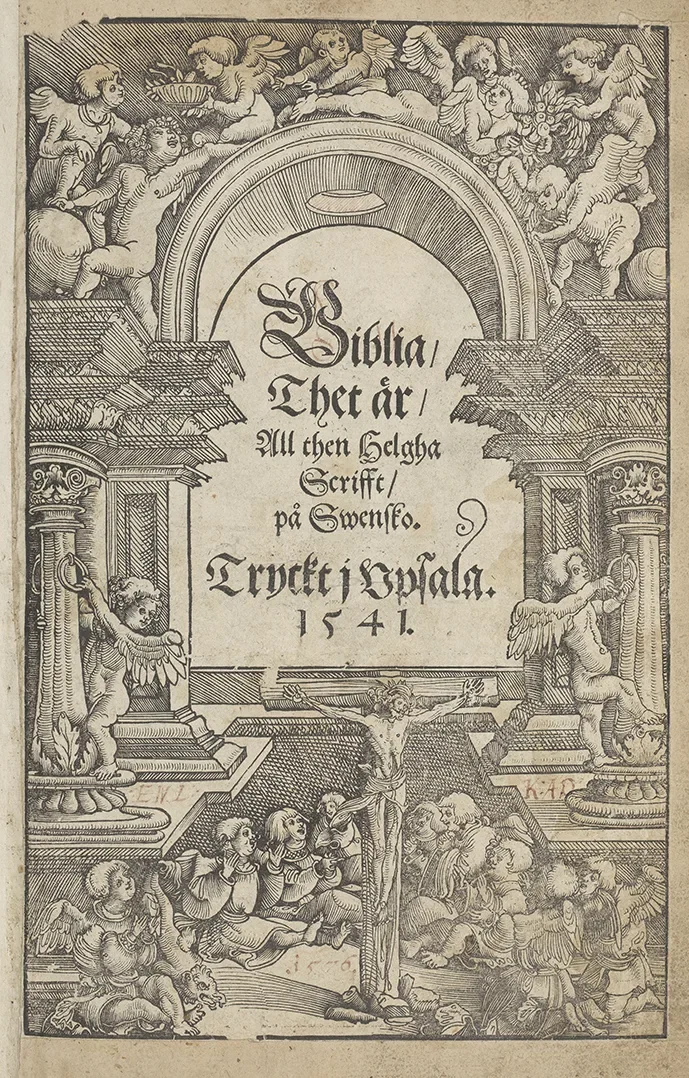
Title page of Gustav Vasa’s Bible, printed in Uppsala in 1541. A reproduction of the historical printed page, not a reconstructed scene.
Picture source & rightsUppsala University Library, Carolina Rediviva / Swedish History Museum · Public domain · WebP delivery recompressed without enlargement or cropping · Licence terms

Europe / Faith

Nordic Reformations: Scripture, crowns and conscience

Swedish, Danish, Norwegian and Icelandic reformations followed different paths. Vernacular Scripture and preaching interacted with royal power, confiscation and resistance; later Protestant writers interpreted these changes through their faith.

Read →
1809–1919 CEIn-depth study
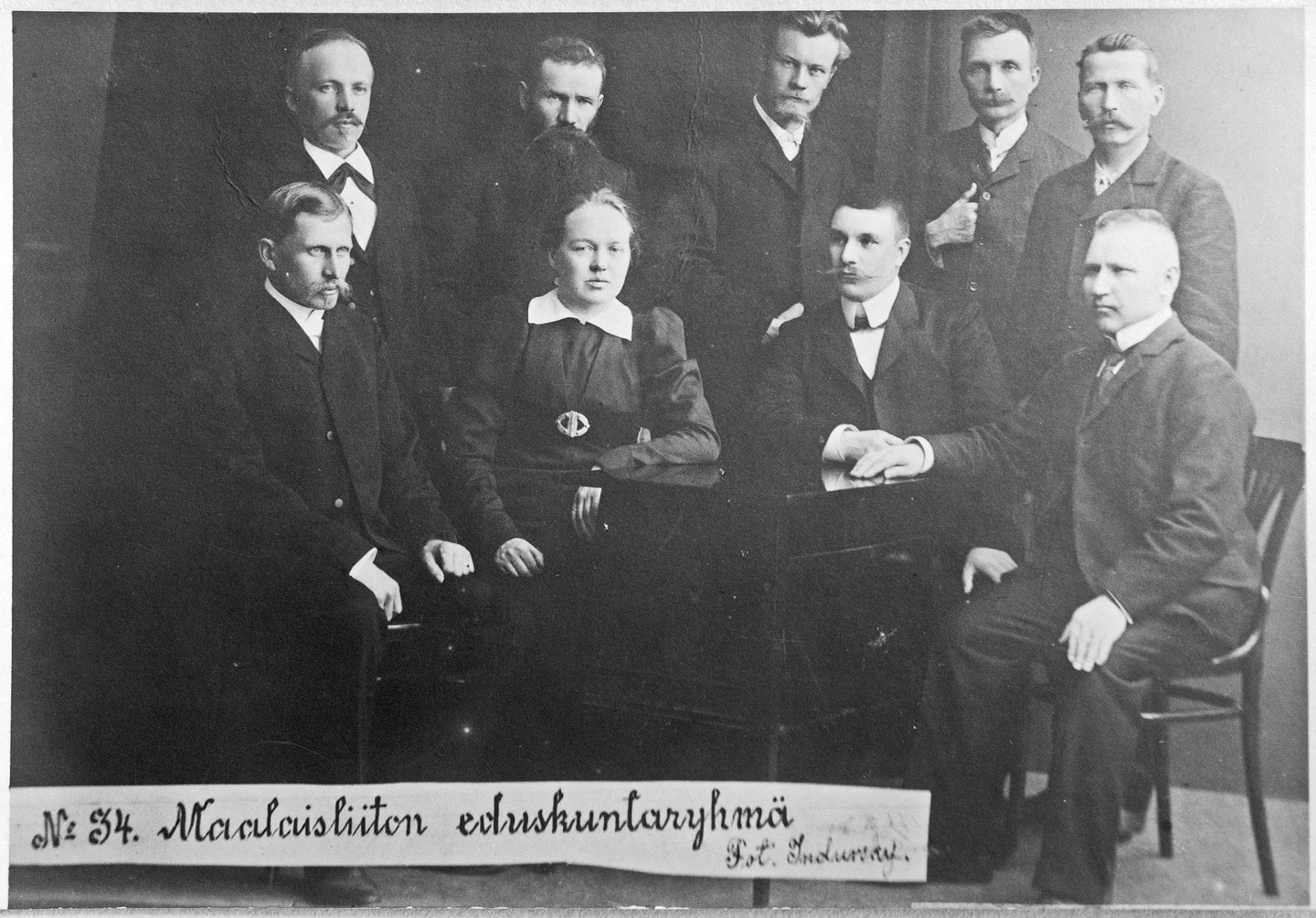
The Agrarian Party parliamentary group in Helsinki, 1907, including Hilma Räsänen. This is one party’s group—not the whole parliament or all nineteen women elected that year.
Picture source & rightsJudel Jankelovitsh Indurski / Finnish Heritage Agency, HK19071003:2 · CC BY 4.0 · Resized and converted to WebP · Licence terms

Europe / Rights

Finland: votes for women, independence and a contested republic

Finland’s parliamentary transformation preceded independence. The election of women in 1907, separation from Russia in 1917, civil war in 1918 and republican settlement in 1919 were distinct—and contested—developments.

Read →
1814–1919 CEIn-depth study
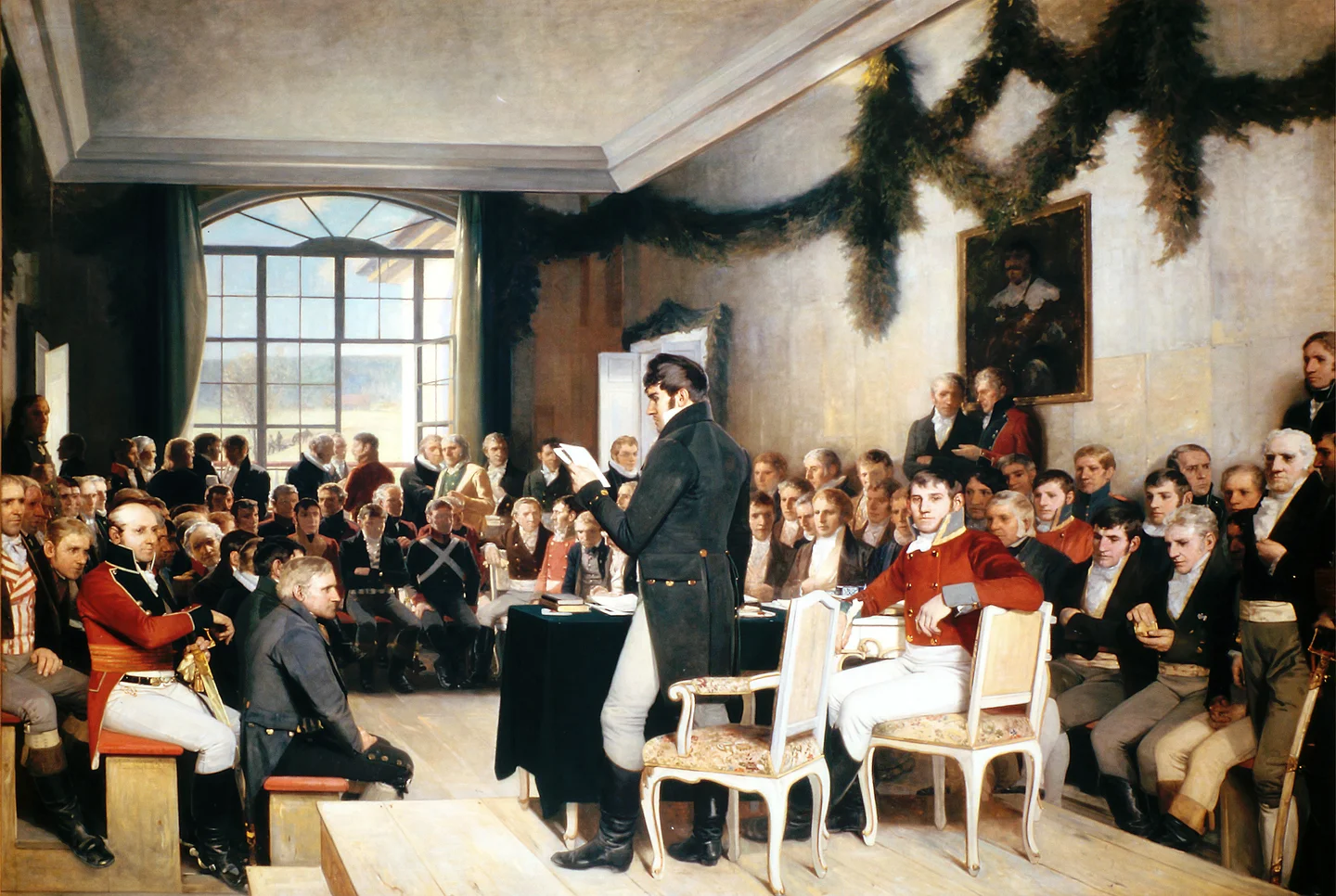
Oscar Wergeland, Eidsvold 1814, painted in 1885. A retrospective painting of the constitutional assembly, not a contemporary photograph.
Picture source & rightsOscar Wergeland (1844–1910) / Wikimedia Commons · Public-domain artwork and faithful reproduction · Resized and converted to WebP · Licence terms

Europe / Rights

Norway: constitution, union and the expansion of democracy

Norway’s 1814 constitution, its union with Sweden and independence in 1905 were different milestones. Political participation widened through further struggles rather than arriving fully formed at Eidsvoll.

Read →
1904–1989 CEIn-depth study
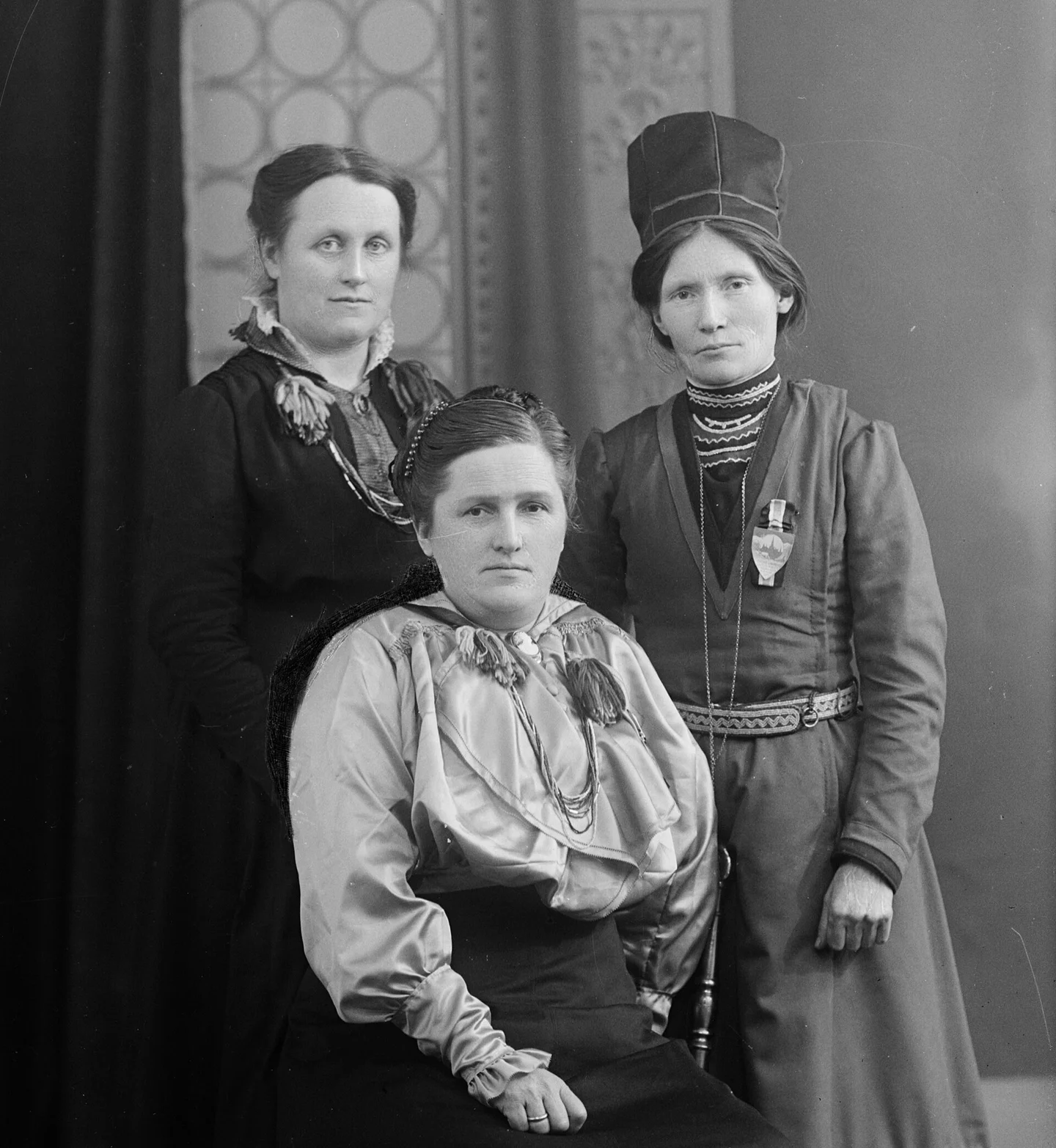
Ellen Lie, Anna Löfwander Jarwson and Elsa Laula Renberg, photographed on 3 March 1917. A group portrait, not a photograph of the February congress proceedings.
Picture source & rightsHilfling-Rasmussen / NTNU University Library, HI-v-11085_01 · CC BY-SA 4.0 · Resized and converted to WebP; derivative under the same licence · Licence terms

Europe / Rights

Sámi organizing: language, land and political representation

Sámi history crosses national borders. Women’s organizing, campaigns over land and education, and the Alta conflict connect cultural survival with demands for political representation.
Read →