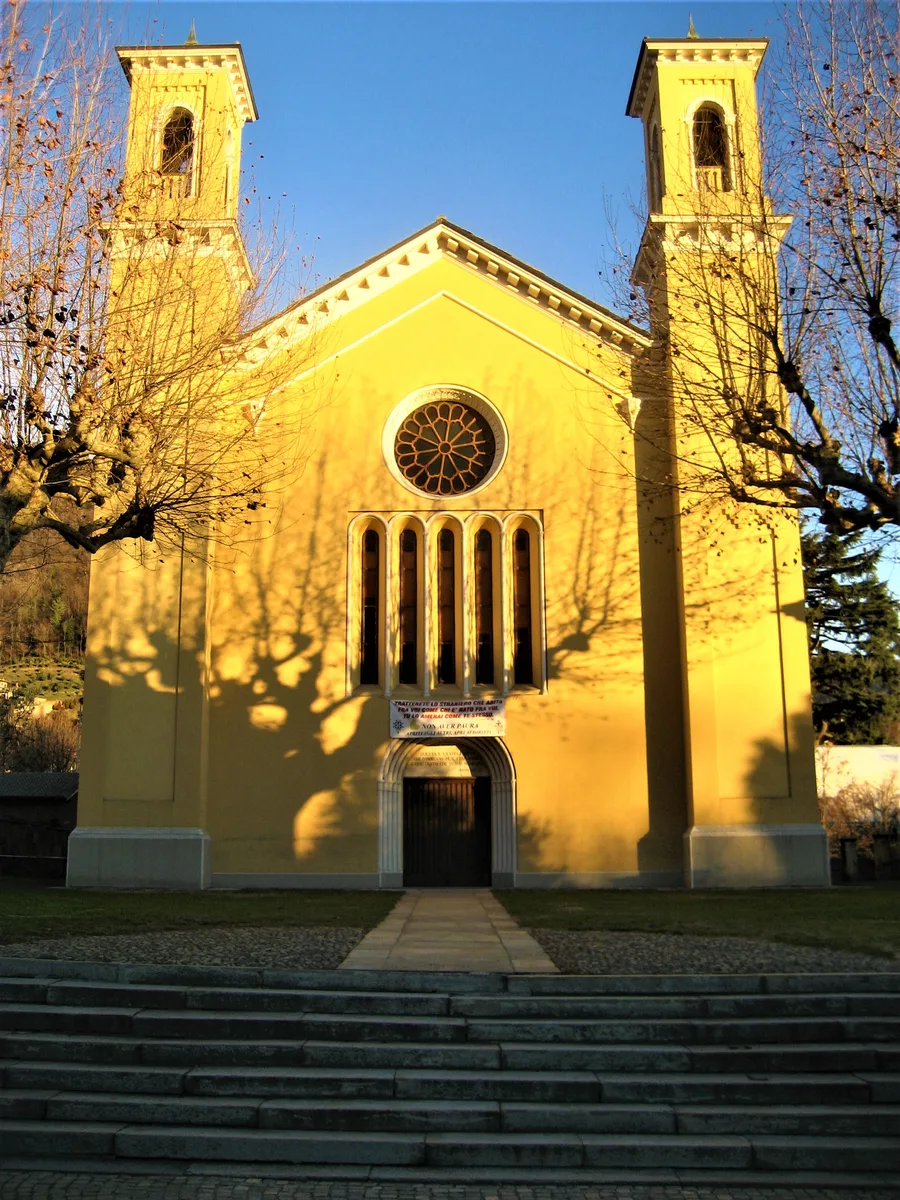
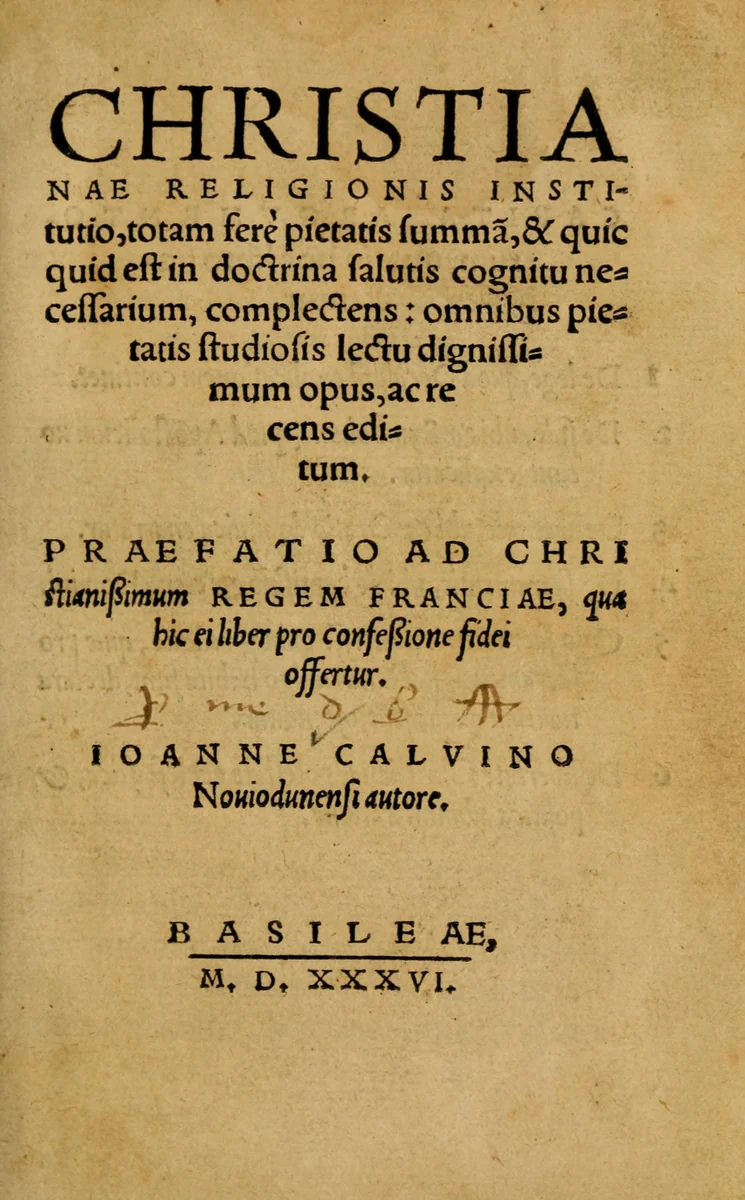
From lay preaching in medieval Lyon to civil rights in Piedmont, Waldensian history connects religious conviction with changing institutions, exile, books and contested memories.
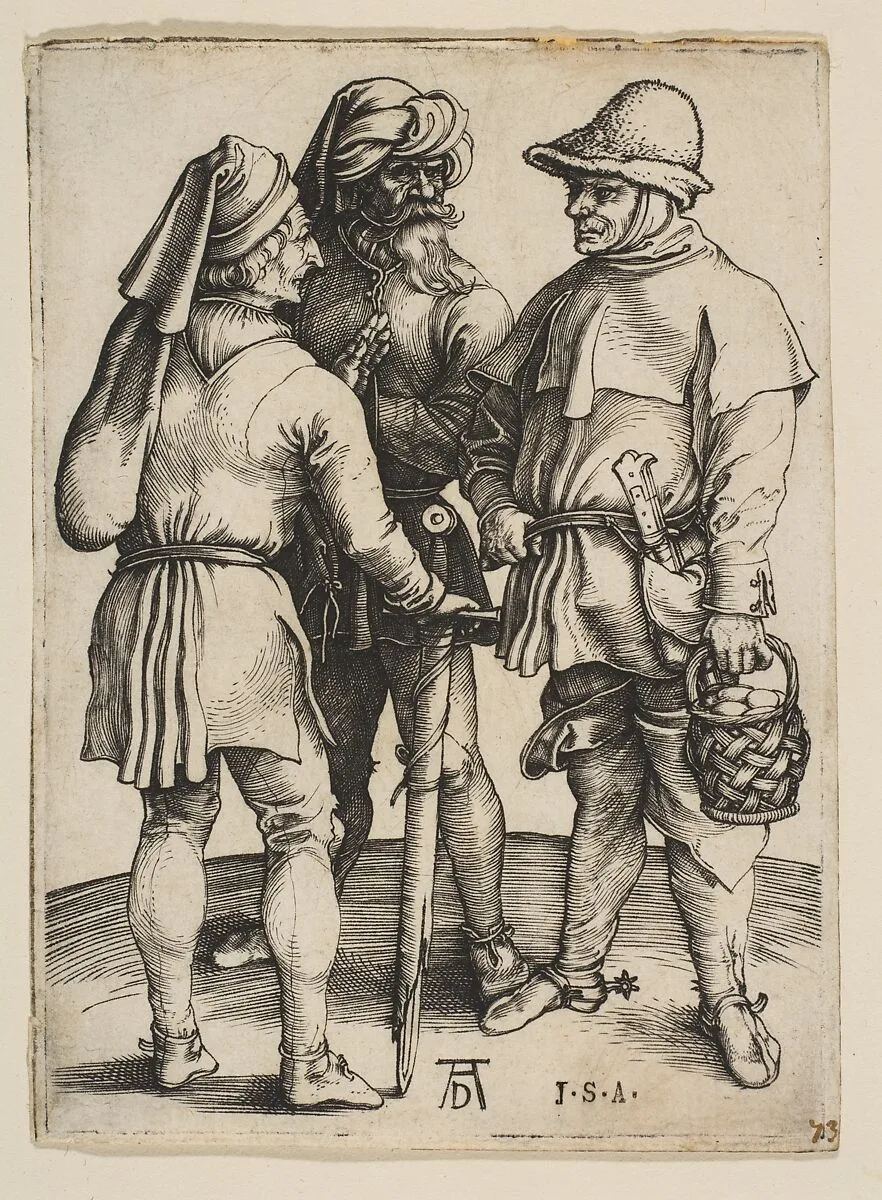
Village grievances, believers’ baptism and arguments about the sword intersected during the Reformation without forming a single movement. Their documents reveal sharply different answers to who could reform church and society.
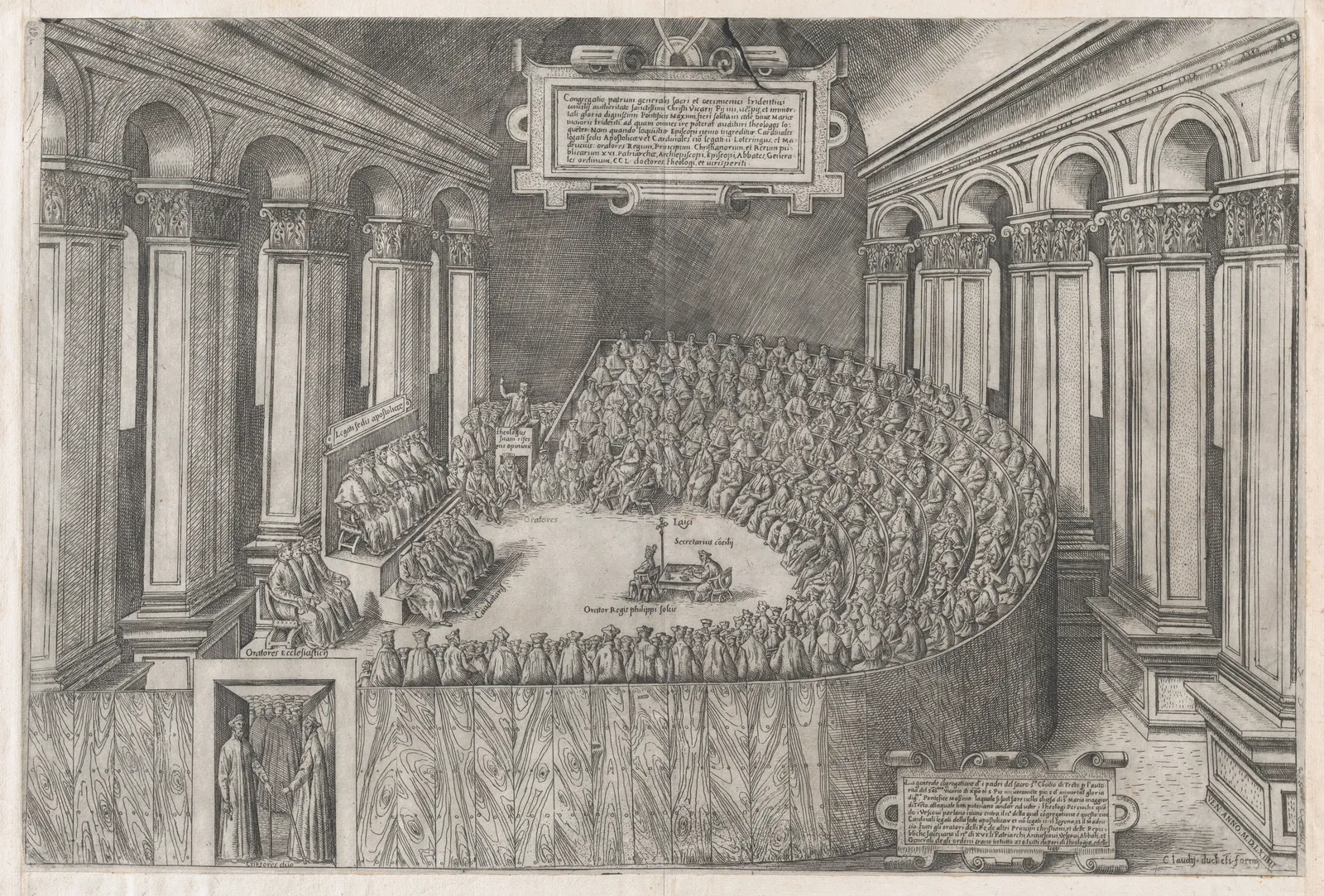
A new religious society and an interrupted council pursued preaching, instruction, doctrinal definition and clerical reform. Their programmes shaped Catholic renewal, while their implementation varied across places and institutions.
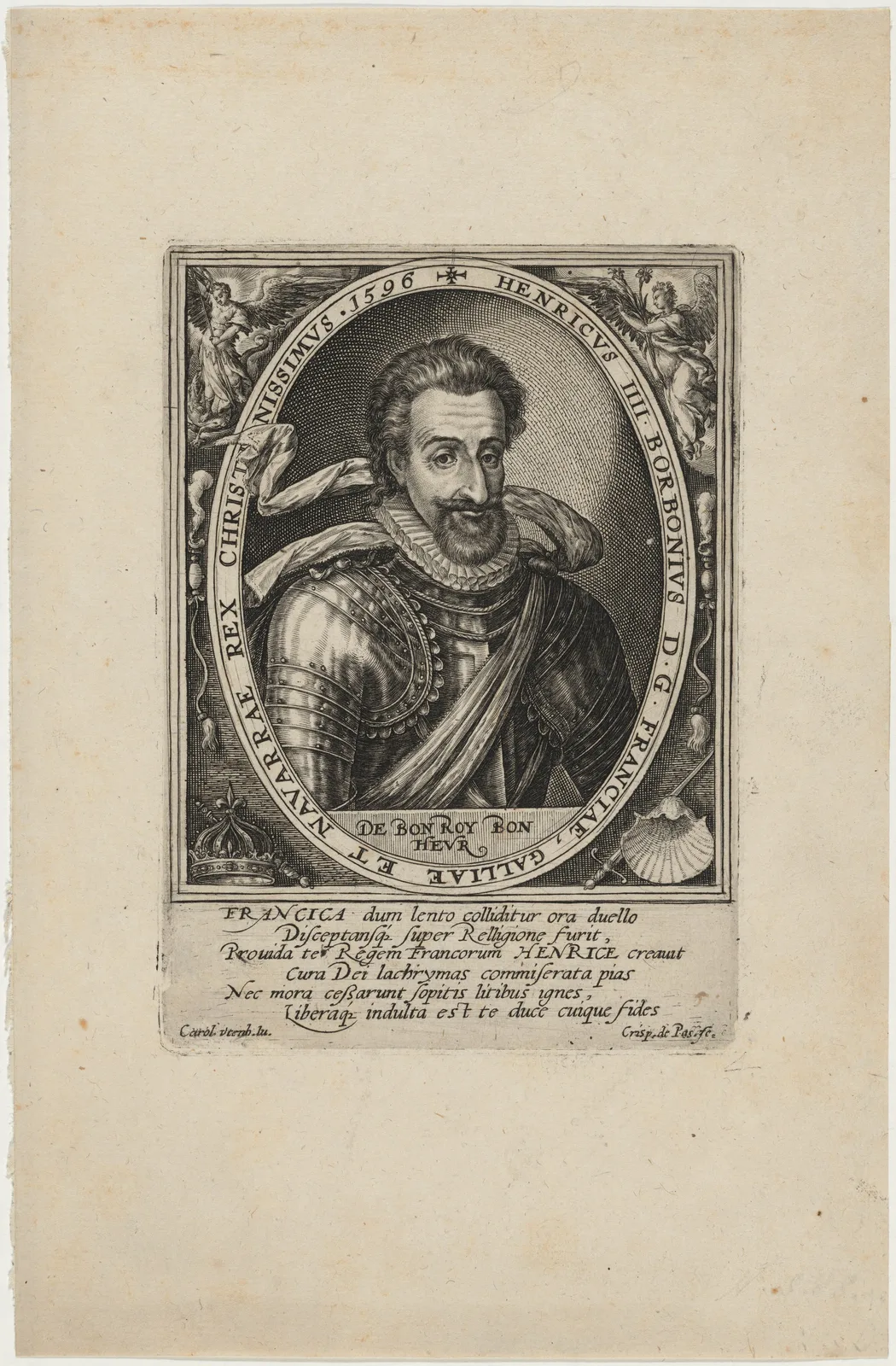
Royal settlements distinguished private conscience, public worship and civil participation. Reading their provisions beside later Protestant histories reveals both the possibilities and the limits of a negotiated religious peace.
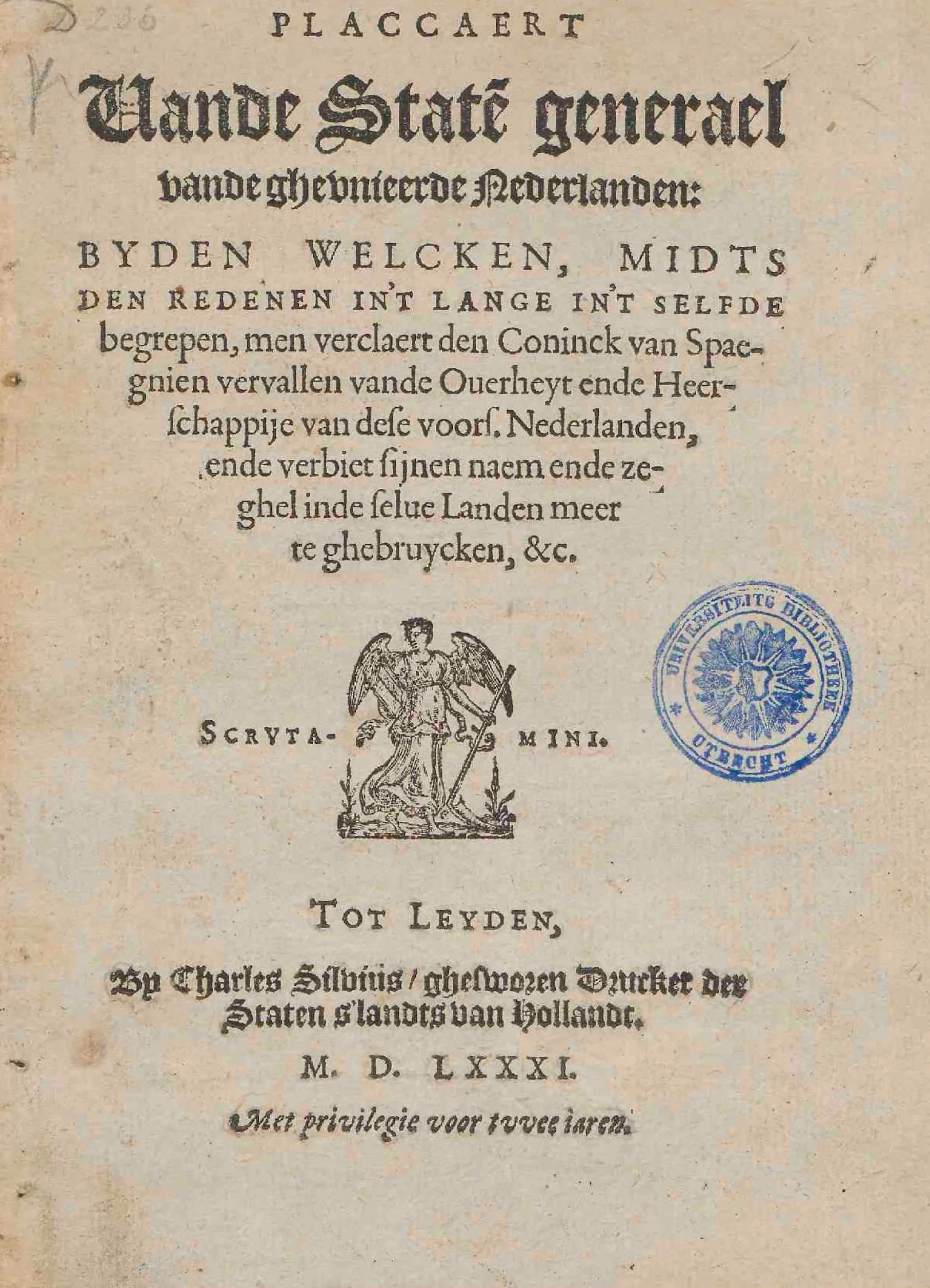
Petitions, provincial agreements and the Act of Abjuration record changing answers to royal authority and religious coercion. Their differences resist a story of one united nation declaring a modern republic in a single moment.