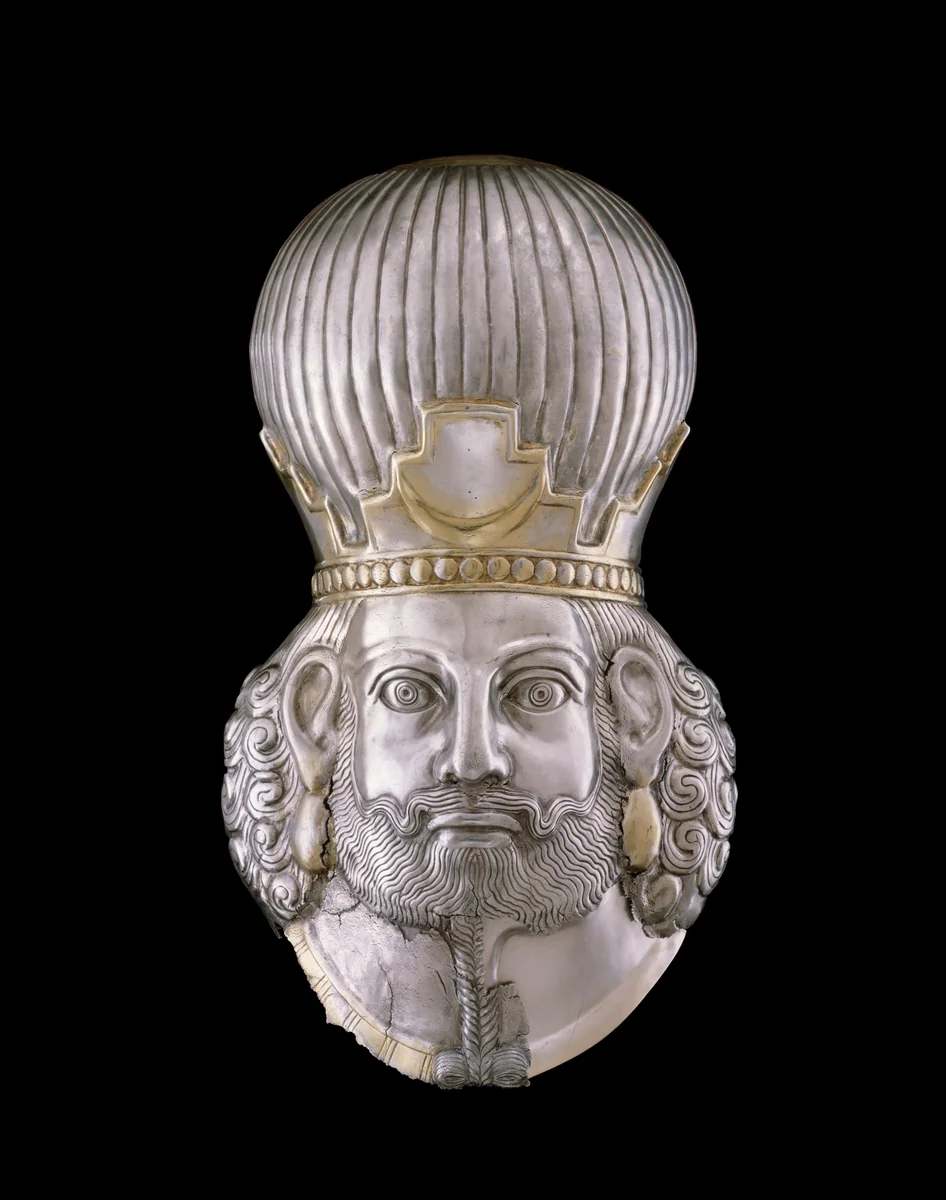
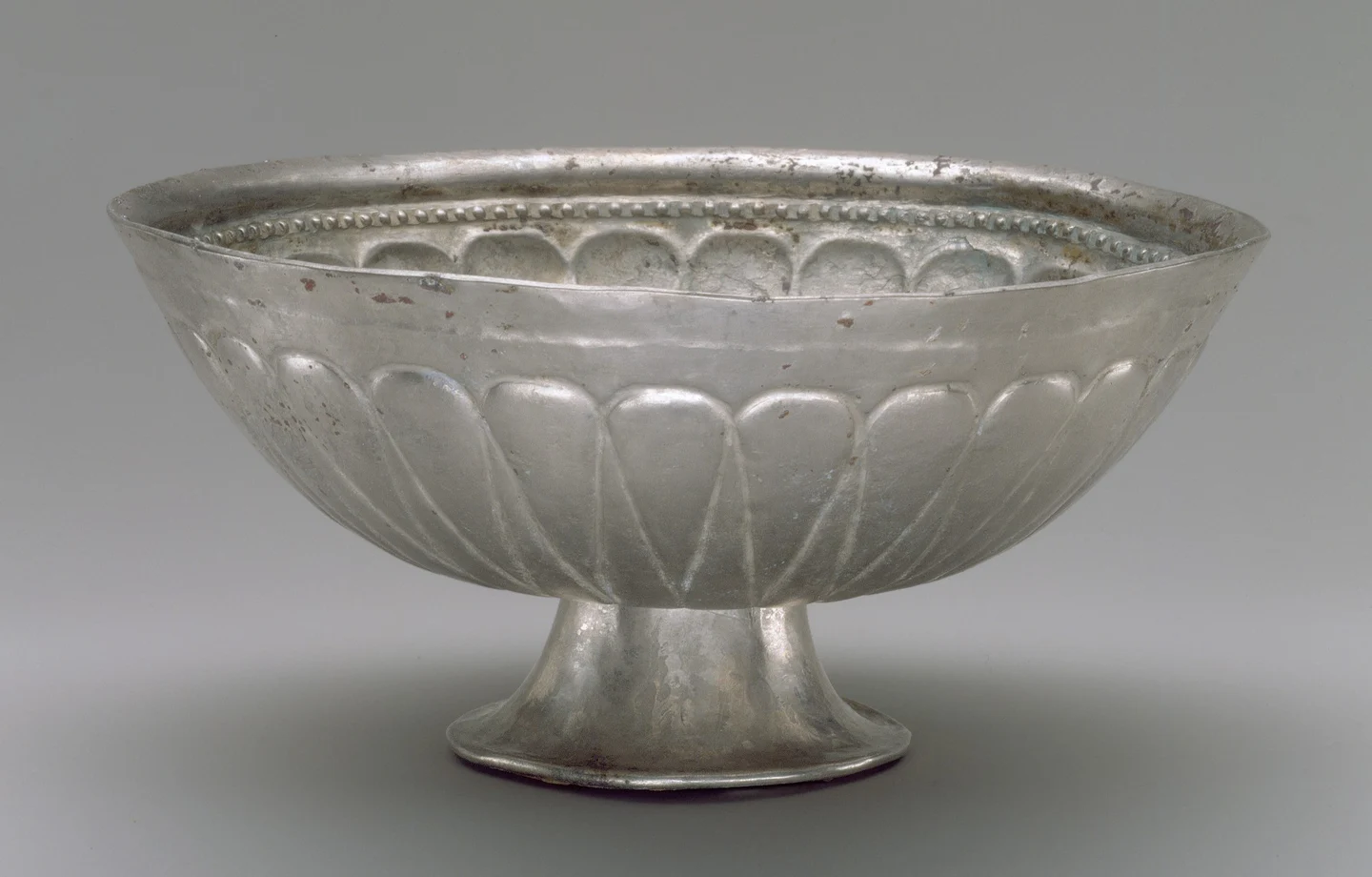
Between the Parthian and early Islamic periods, Sasanian rulers built a major Iranian empire. Silverwork, court imagery and exchanges with neighbouring societies reveal more than its wars with Rome.
Ancient Ghana, also called Wagadu, developed in the western Sahel. Its history belongs alongside Mali and Songhai, and is distinct from the modern republic of Ghana.
Sogdian communities helped connect Central Asia with China and the steppe. Their history includes farming, urban life, languages and artistic exchange—not only caravans crossing an empty landscape.
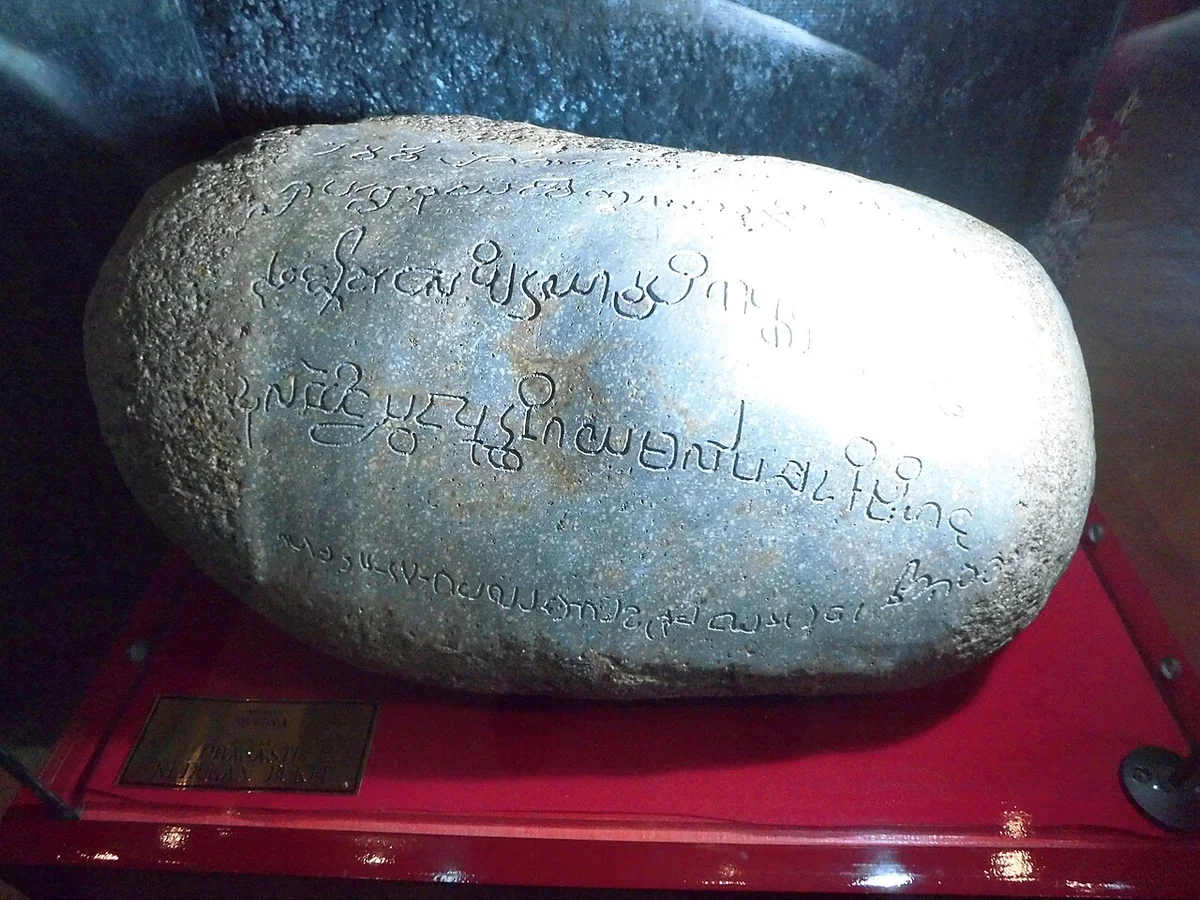
Early Indonesian history was shaped by river communities, ports and religious journeys. Srivijaya connected southern Sumatra to wider Asian exchange without resembling a modern nation with fixed borders.
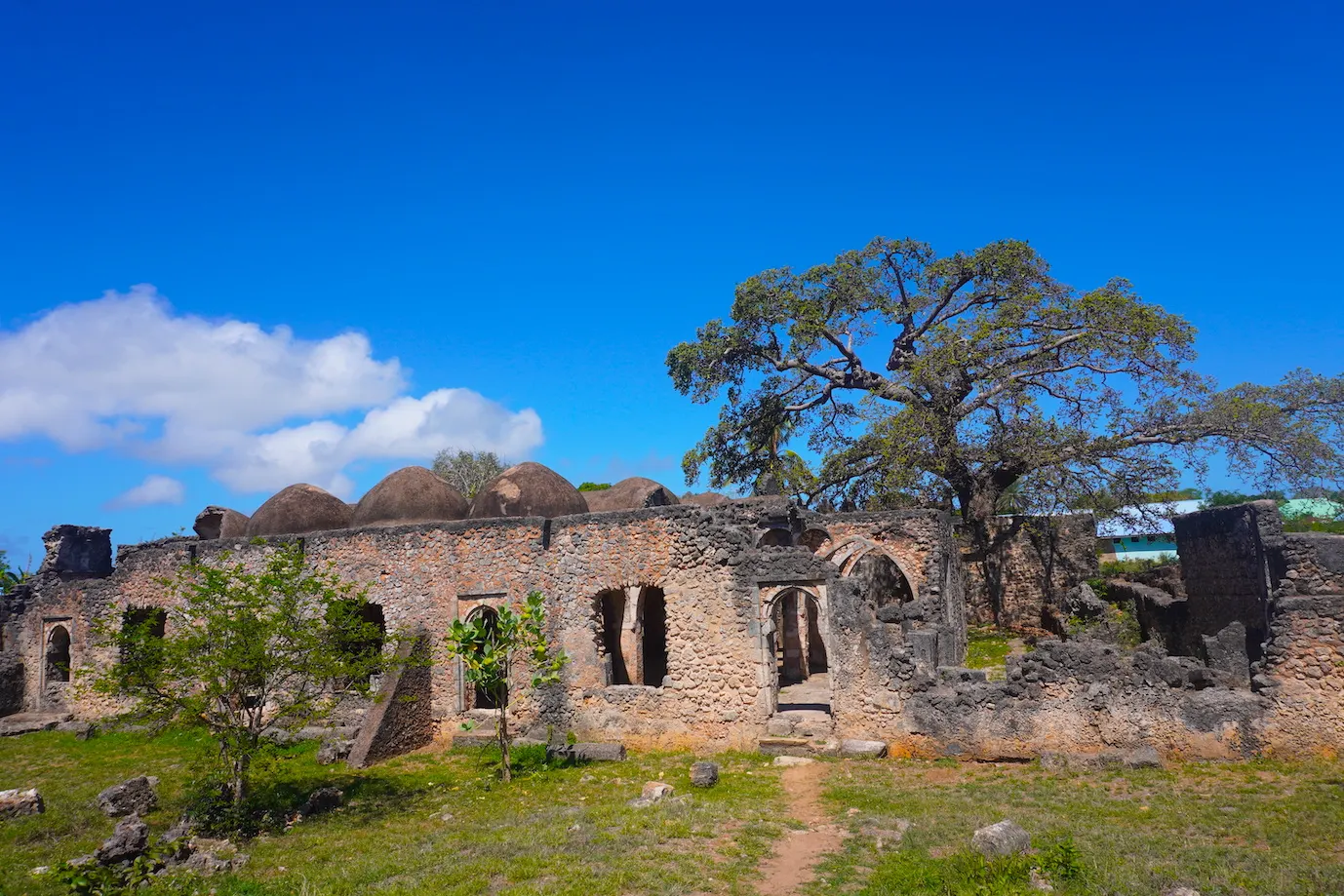
Kilwa Kisiwani and neighbouring settlements reveal an African coastal history connected to commerce, architecture and political networks across the Indian Ocean.
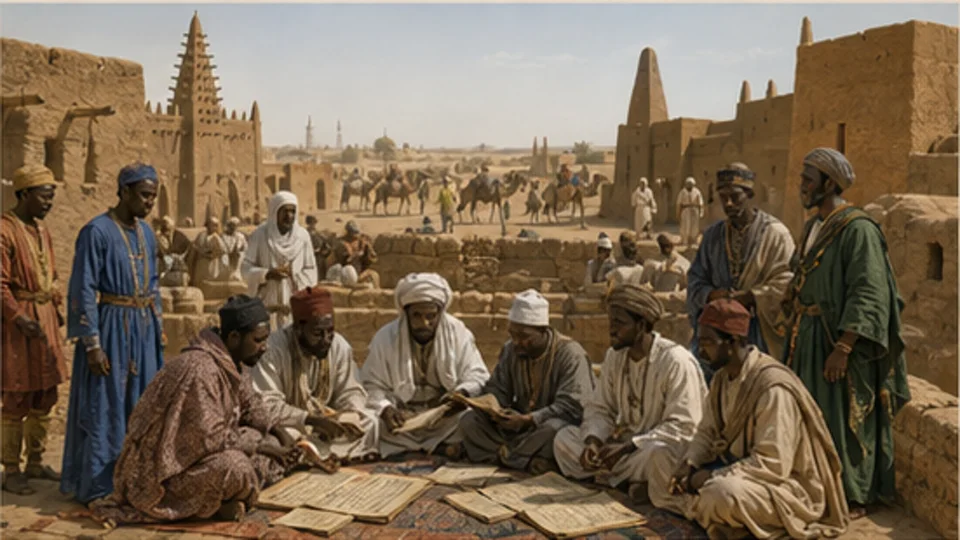
Mali and Songhai were distinct, overlapping Sahelian powers. Mali's rise in the thirteenth century preceded Songhai's expansion under Sunni Ali from 1464; Morocco's invasion broke Songhai's imperial power in 1591. Farming, gold, taxation, trade and scholarship sustained these societies.
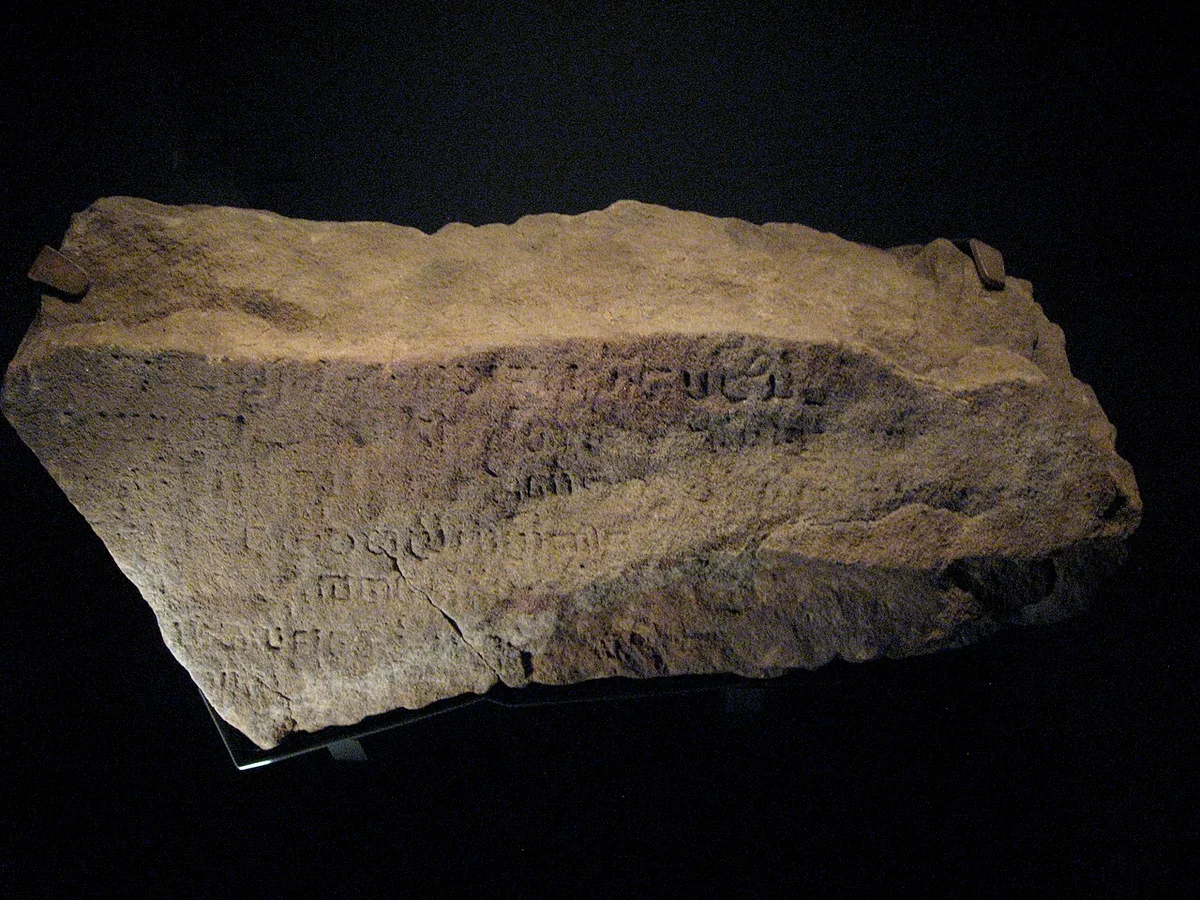
Singapore did not begin with the British trading post. Archaeology and written traditions reveal a port connected to the wider Malay and Asian maritime world centuries earlier.
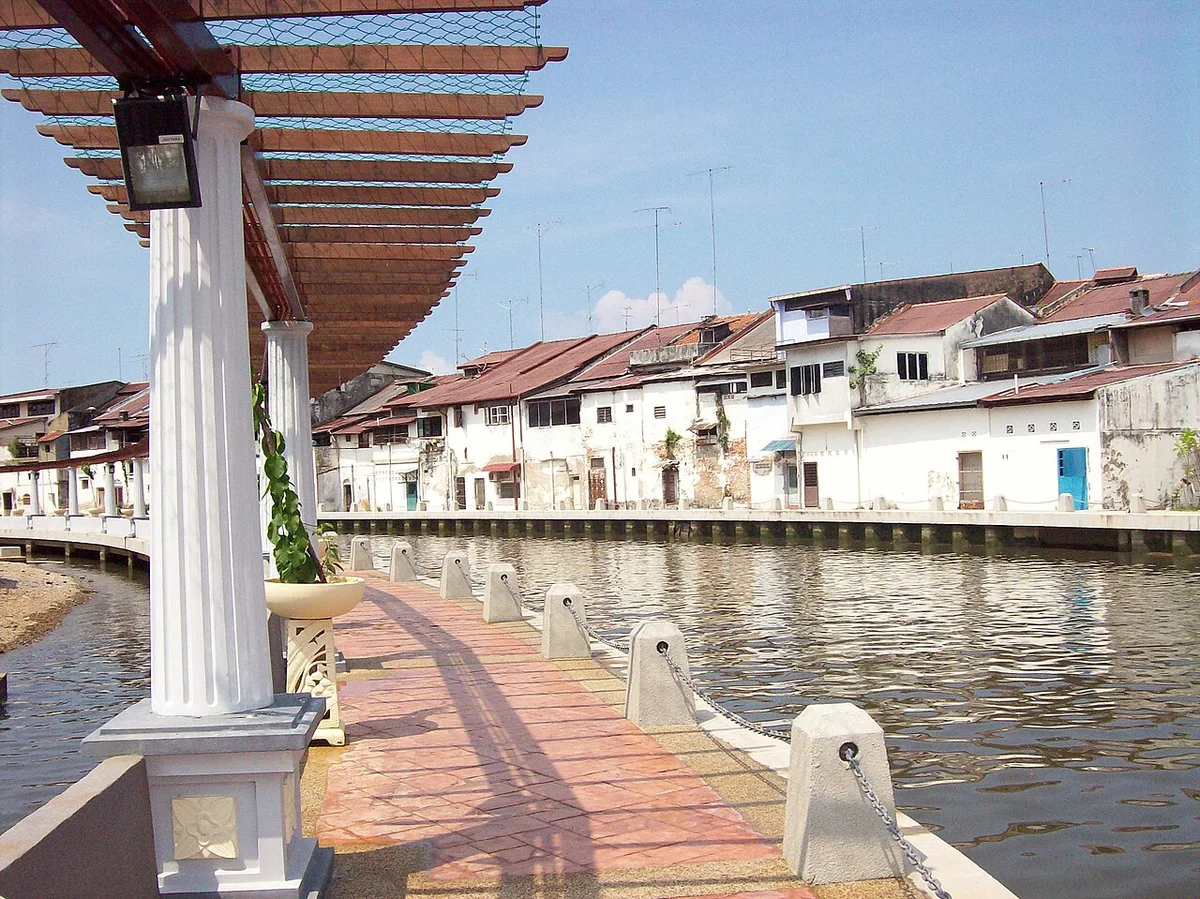
The Malay Peninsula’s maritime history was shaped by Asian merchants and sultanates as well as European conquest. Melaka’s capture did not bring the political and commercial world around it to an end.
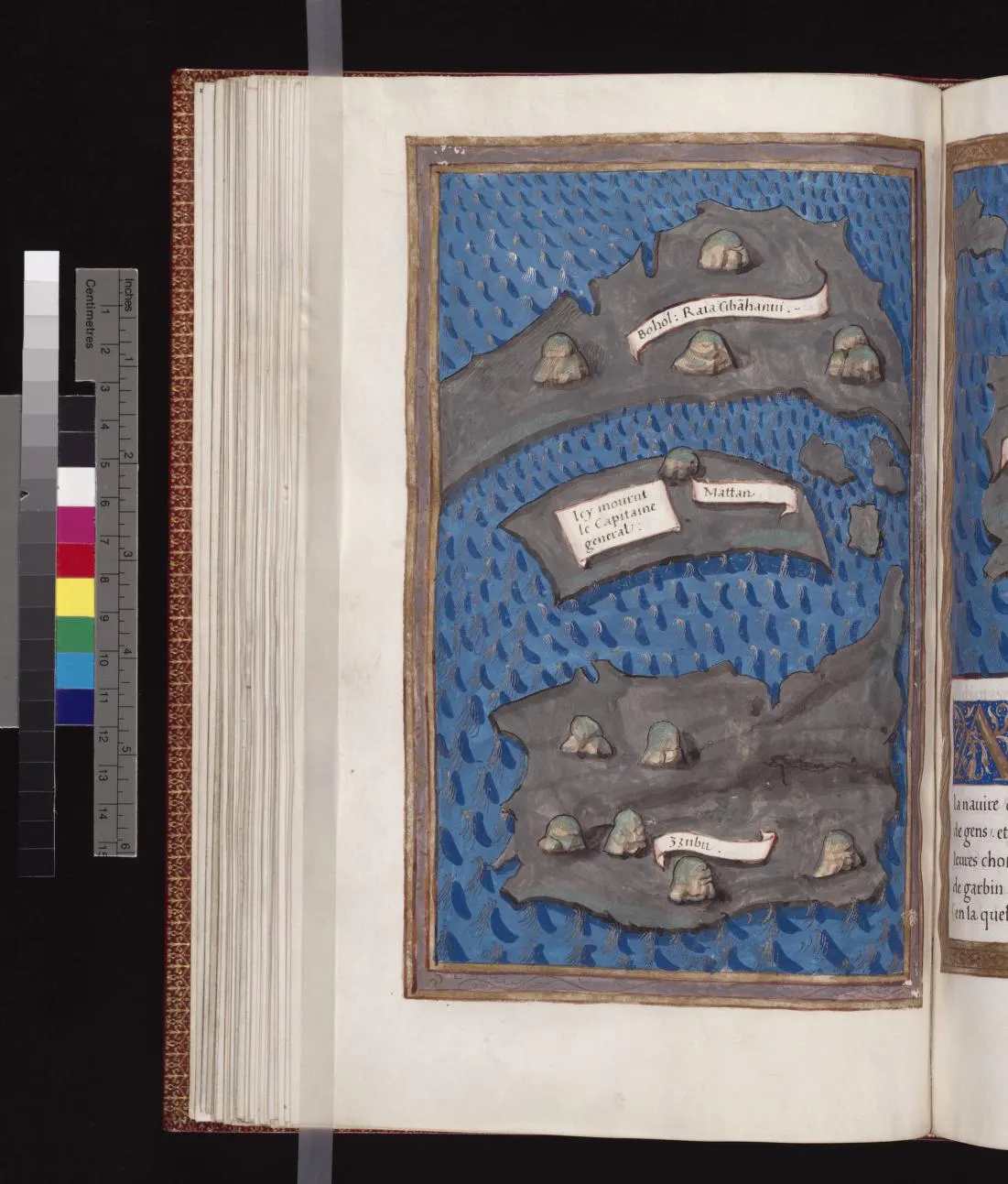
An expedition seeking a western route to the Spice Islands became the first documented voyage around the world. Its course connects navigation and commerce with violence, local societies and the work of a multinational crew.
The canal connected the Atlantic and Pacific through a system of locks and an elevated lake. Its construction also reshaped labour, public health and Panama’s relationship with the United States.