ATLAS / WORLD HISTORY IN PICTURES

The reading room

Find your way through history.

Explore 279 entries across places and centuries. Follow an event, compare its context, and examine the evidence.

Jump to the pictures and stories ↓

7 entries · Oldest periods first

Back to filters ↑
550–31 BCEIn-depth study
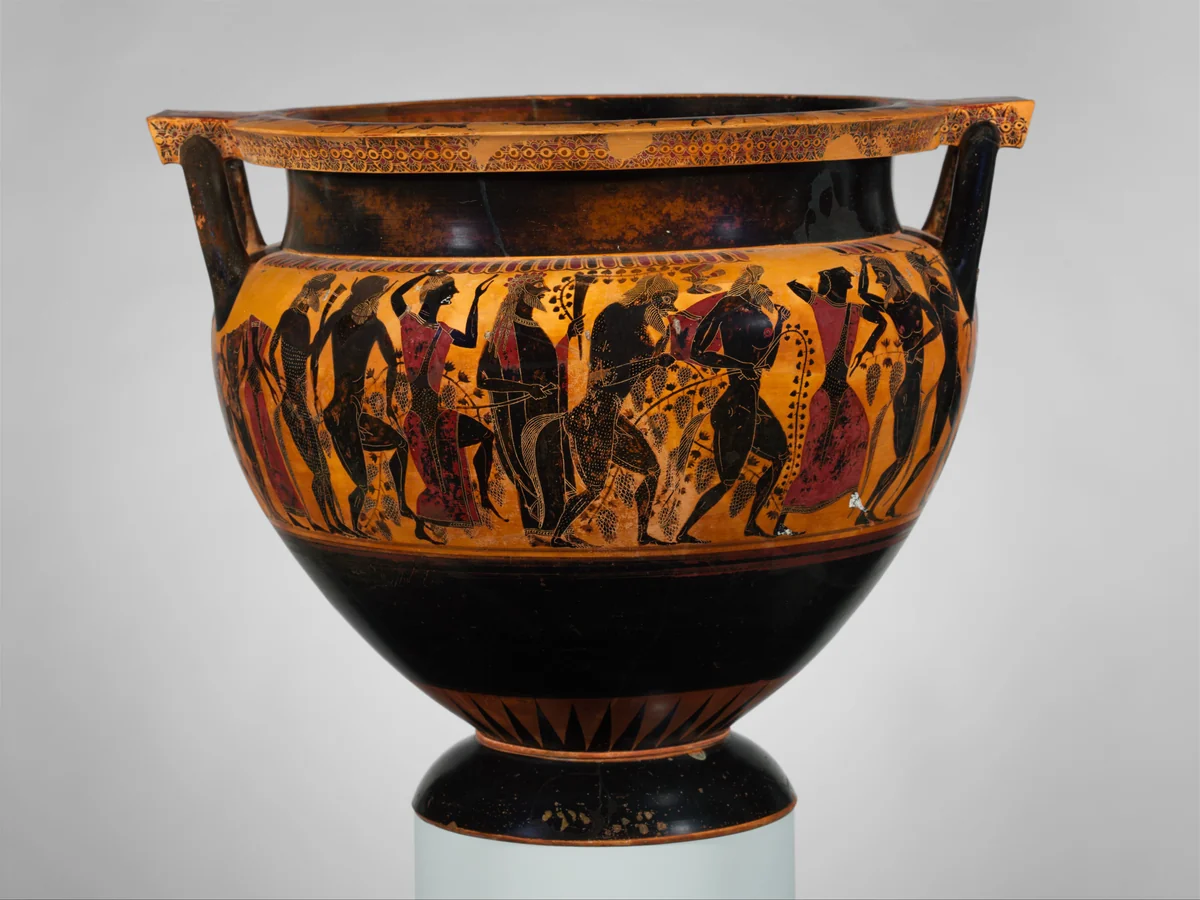
Attic terracotta column-krater attributed to Lydos, about 550 BCE. Its painted scene depicts mythology; it is not a documentary picture of an Athenian assembly.
Picture source & rightsThe Metropolitan Museum of Art · Fletcher Fund, 1931 · 31.11.11 · Public domain / CC0 · Resized and converted to WebP · Licence terms

Europe / Culture

Ancient Greek social worlds: vessels, clothing and cultural exchange

Painted pottery and clothing bring Greek history beyond its battlefields. These objects reveal social gatherings, skilled labour and cultural exchange—but not an equal or uniform society.

Read →
300–800 CEIn-depth study
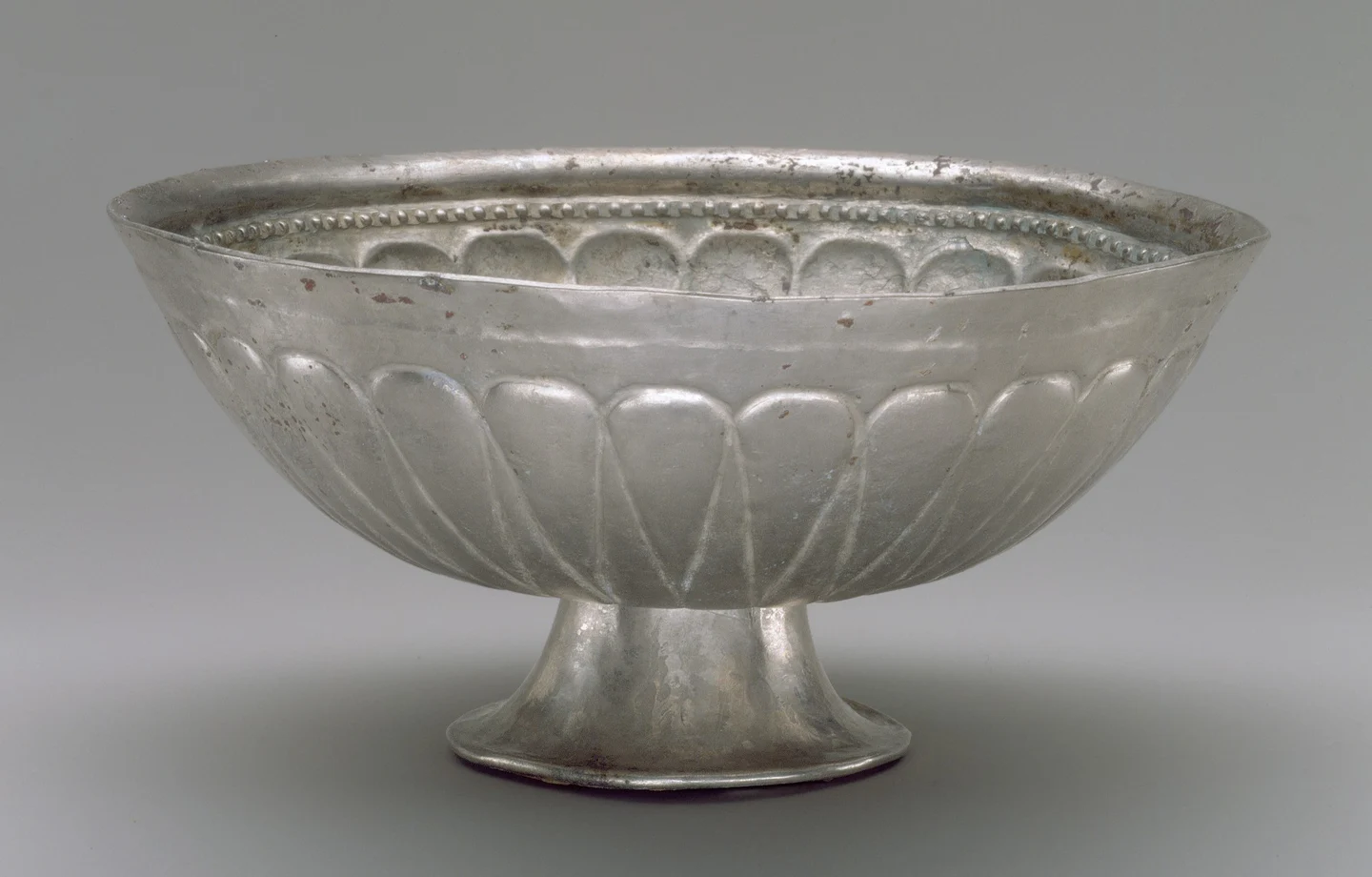
Sixth-century silver footed cup from Sogdia, Central Asia. Museum photograph of a surviving object, not a reconstruction of a caravan scene.
Picture source & rightsThe Metropolitan Museum of Art · 1998.223 · Friends of Asian Art, Purchase, Mr. and Mrs. Douglas Dillon Gift, 1998 · Public domain / CC0 · Resized to WebP · Licence terms

Asia / Trade

Sogdiana: cities, merchants and the Silk Roads

Sogdian communities helped connect Central Asia with China and the steppe. Their history includes farming, urban life, languages and artistic exchange—not only caravans crossing an empty landscape.

Read →
750–1258 CEIn-depth study
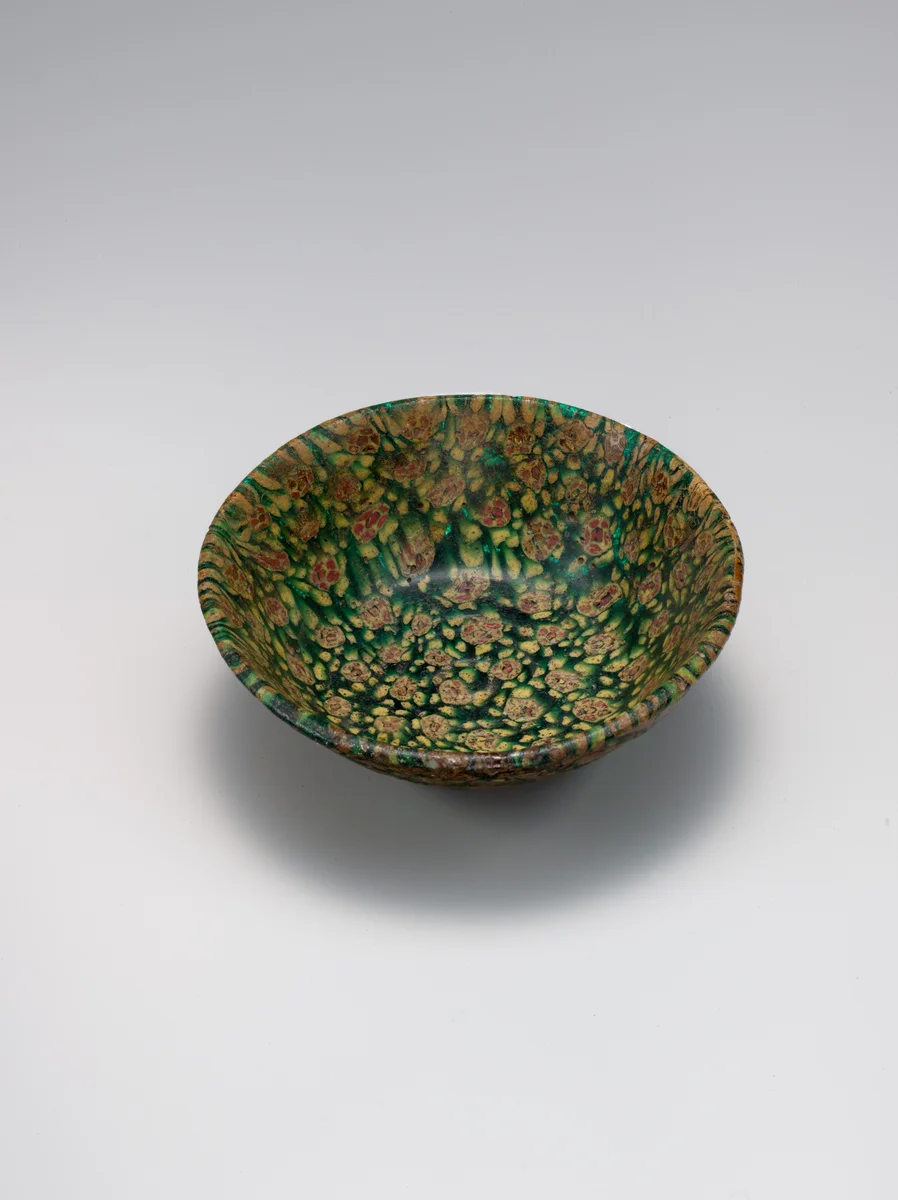
Ninth-century millefiori glass bowl, probably made in Iraq. A surviving object photographed in a museum; its original owner is not known.
Picture source & rightsThe Metropolitan Museum of Art · Rogers Fund, 2001 · 2001.266 · Public domain / CC0 · Resized and converted to WebP · Licence terms

Middle East / Culture

Abbasid Iraq: cities, skilled craft and learning

Baghdad and Samarra brought political patronage, specialised crafts and intellectual life into new urban settings. Surviving glass and architectural decoration illuminate a history that extends beyond dynastic succession.

Read →
794–1185 CEIn-depth study
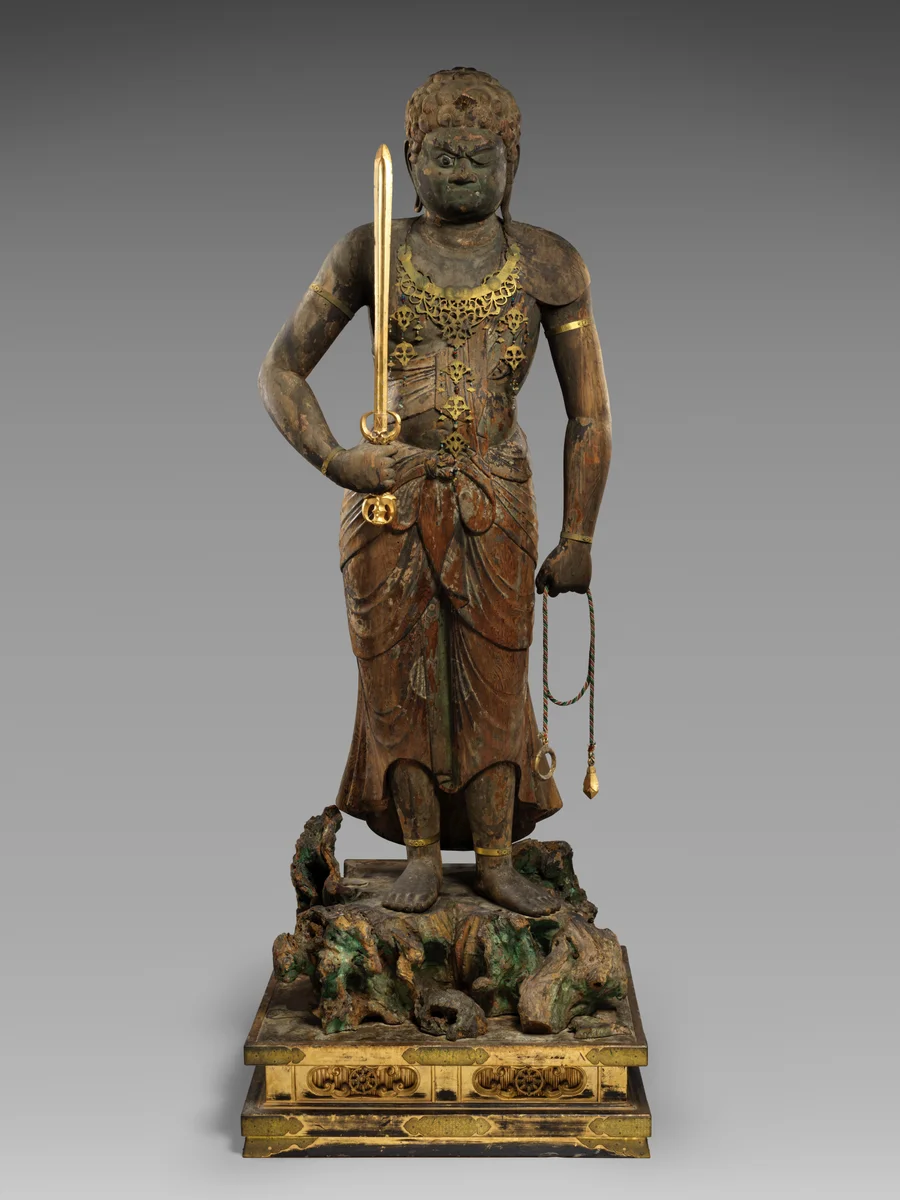
Fudō Myōō, Japan, twelfth century: a surviving joined-wood Buddhist sculpture with lacquer, gold leaf and colour. Formerly at Kuhonji Temple; not a samurai portrait.
Picture source & rightsThe Metropolitan Museum of Art · The Harry G. C. Packard Collection of Asian Art, 1975 · 1975.268.163 · Public domain / CC0 · Resized to WebP · Licence terms

Asia / Culture

Heian Japan: court writing, belief and artistic worlds

Before the familiar image of samurai rule, Heian Japan developed influential literary and religious traditions. Court diaries, narrative fiction and Buddhist sculpture offer different kinds of evidence, not one uniform picture of society.

Read →
880–1279 CEIn-depth study
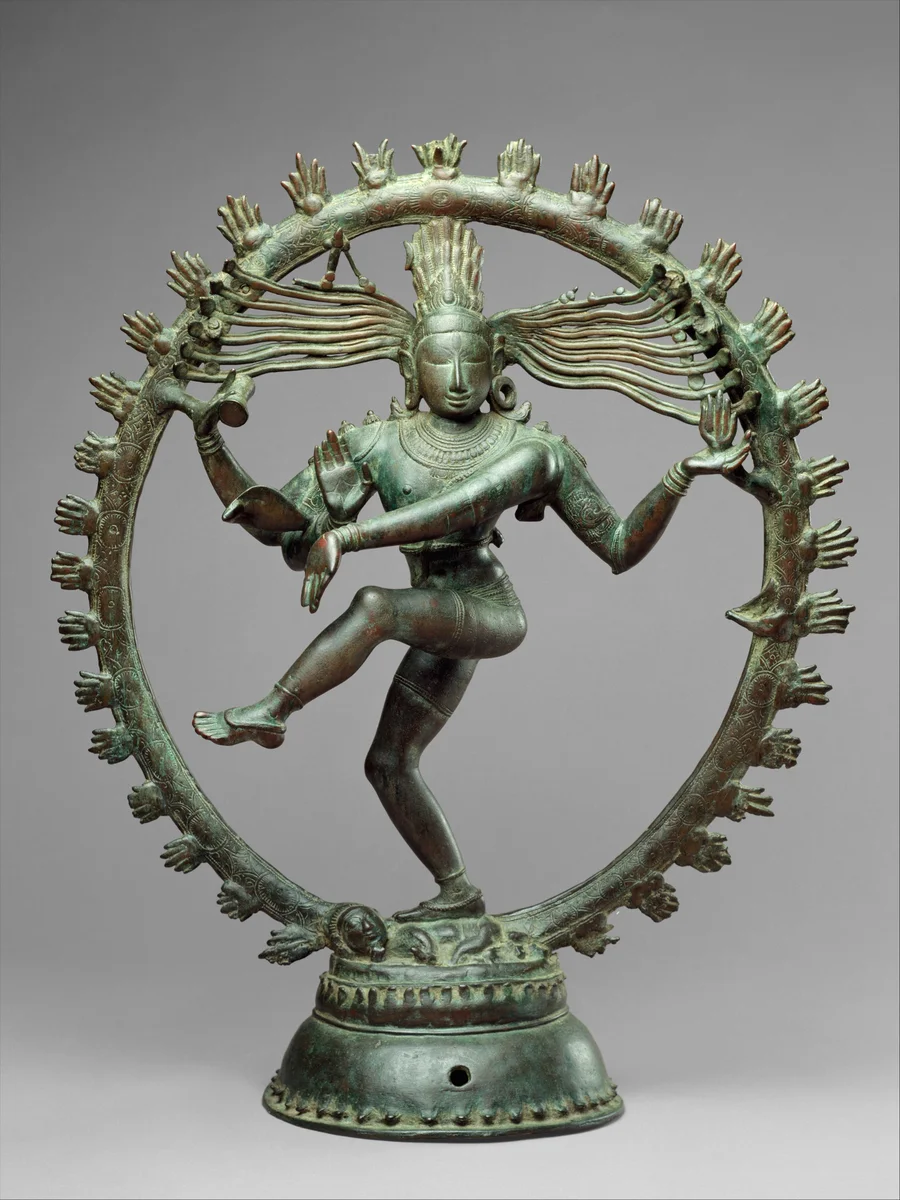
Shiva as Lord of Dance, Tamil Nadu, approximately the late eleventh century, Chola period. Museum photograph of a religious image, not a reconstruction of a historical person.
Picture source & rightsThe Metropolitan Museum of Art · Gift of R. H. Ellsworth Ltd., in honor of Susan Dillon, 1987 · 1987.80.1 · Public domain / CC0 · Resized and converted to WebP · Licence terms

Asia / Culture

Chola Tamil country: living temples, bronze images and poetry

South Indian history includes powerful regional courts and living traditions of worship, poetry and skilled metalwork. Chola temples and bronze images offer a picture-led route into Tamil cultural history.

Read →
1392–1600 CEIn-depth study
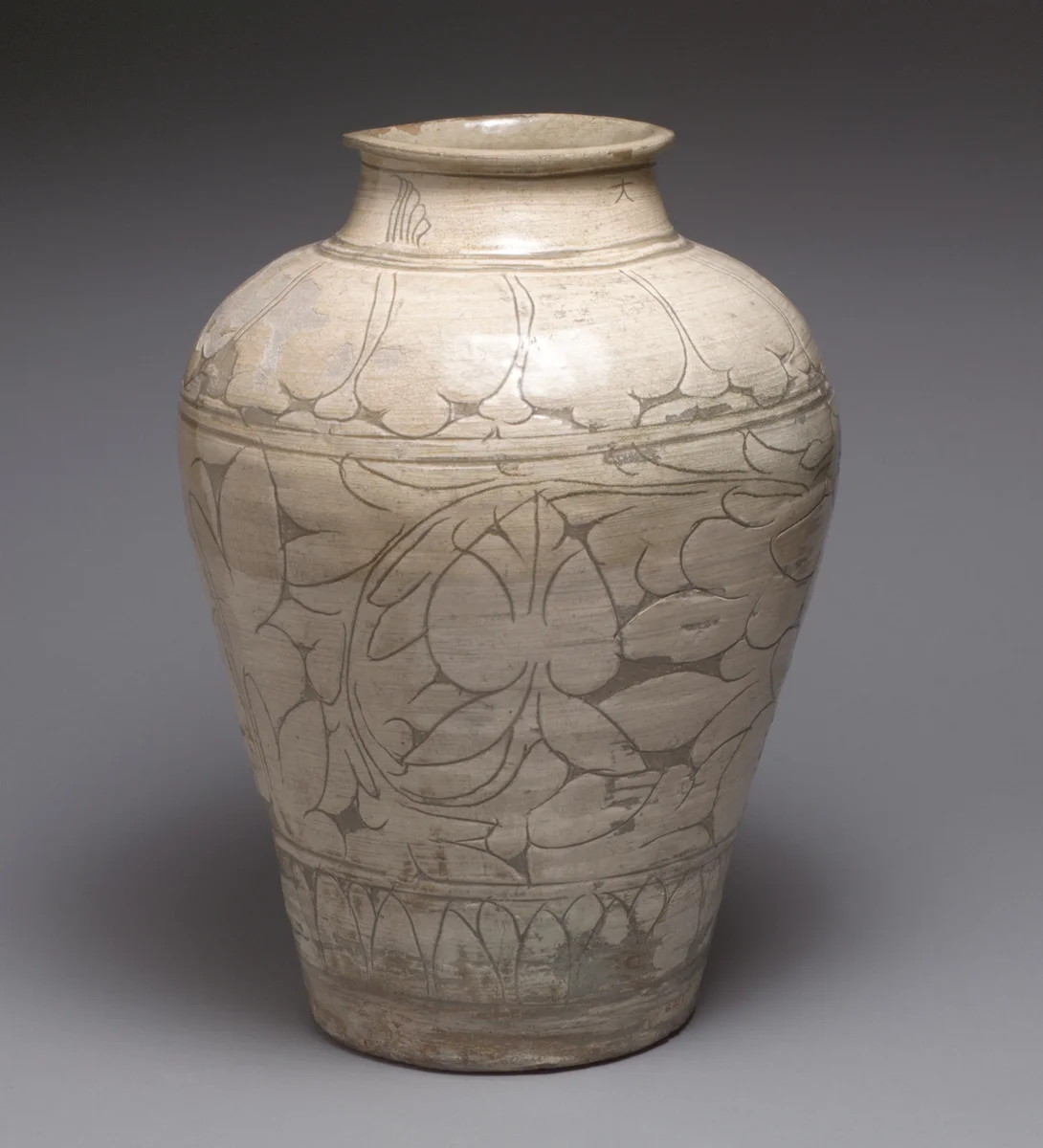
Buncheong jar decorated with peonies, Korea, late fifteenth century. Museum photograph of surviving ceramic work, with incised and sgraffito decoration.
Picture source & rightsThe Metropolitan Museum of Art · Rogers Fund, 1916 · 16.122.1 · Public domain / CC0 · Resized to WebP · Licence terms

Asia / Culture

Early Joseon Korea: writing, belief and the potter’s art

Early Joseon rulers and scholars reshaped institutions and cultural patronage. A new alphabet and inventive ceramics belong to this history alongside the court’s Neo-Confucian programme.

Read →
1501–1722 CEIn-depth study
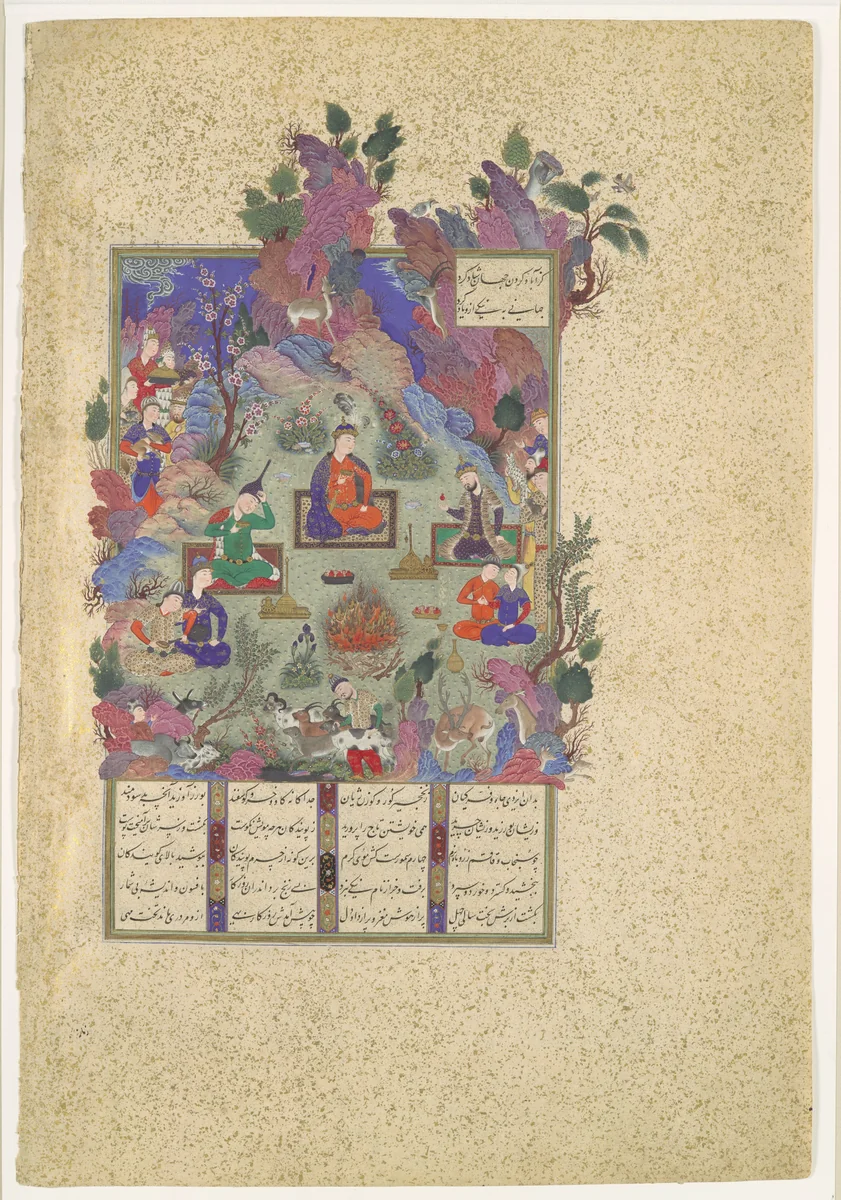
The Feast of Sada, a folio from the Shahnama of Shah Tahmasp, about 1525, attributed to Sultan Muhammad and made in Tabriz. This Safavid painting illustrates a legendary story, not an eyewitness scene of ancient Iran.
Picture source & rightsThe Metropolitan Museum of Art · Gift of Arthur A. Houghton Jr., 1970 · 1970.301.2 · Public domain / CC0 · Resized and converted to WebP · Licence terms

Middle East / Culture

Safavid Iran: faith, illustrated books and imperial cities

Safavid Iran connected a new dynastic and religious order with manuscript painting, textiles and urban patronage. Its visual culture belongs alongside Ottoman and Mughal histories, not inside them.
Read →