ATLAS / WORLD HISTORY IN PICTURES

The reading room

Find your way through history.

Explore 279 entries across places and centuries. Follow an event, compare its context, and examine the evidence.

Jump to the pictures and stories ↓

10 entries · Oldest periods first

Back to filters ↑
2500 BCEIn-depth study
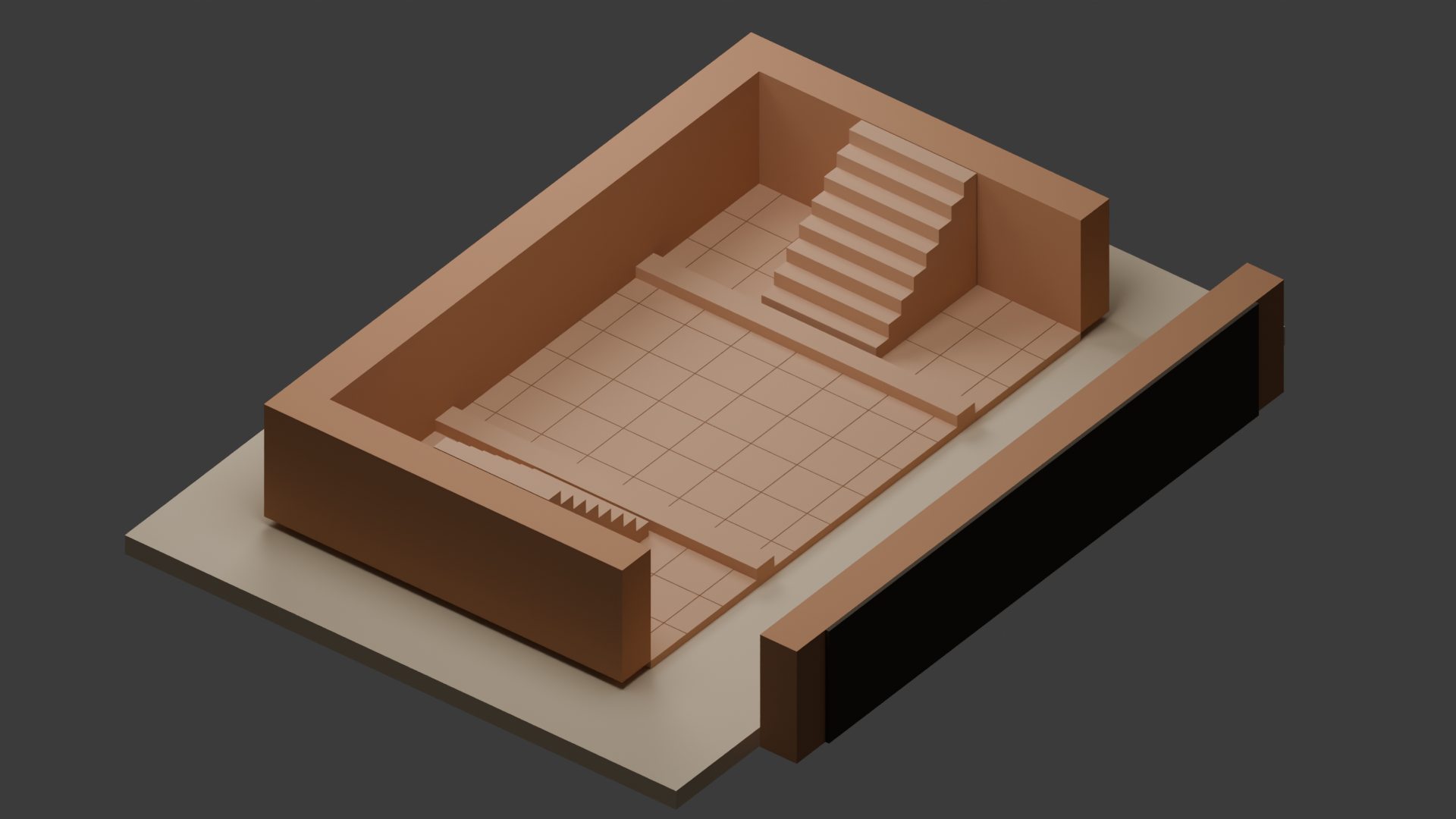
Original schematic cutaway of the Great Bath. The displaced wall is a teaching device; the stairs and construction layers include illustrative dimensions.
Picture source & rightsWorld History in Pictures · Original procedural reconstruction
Interactive 3D →

Asia / Trade

Mohenjo-daro: building the Great Bath

A brick-lined basin offers a close view of construction and water management in an Indus city. Its physical remains are better understood than the ceremonies sometimes imagined around it.

Read →
626–539 BCEIn-depth study
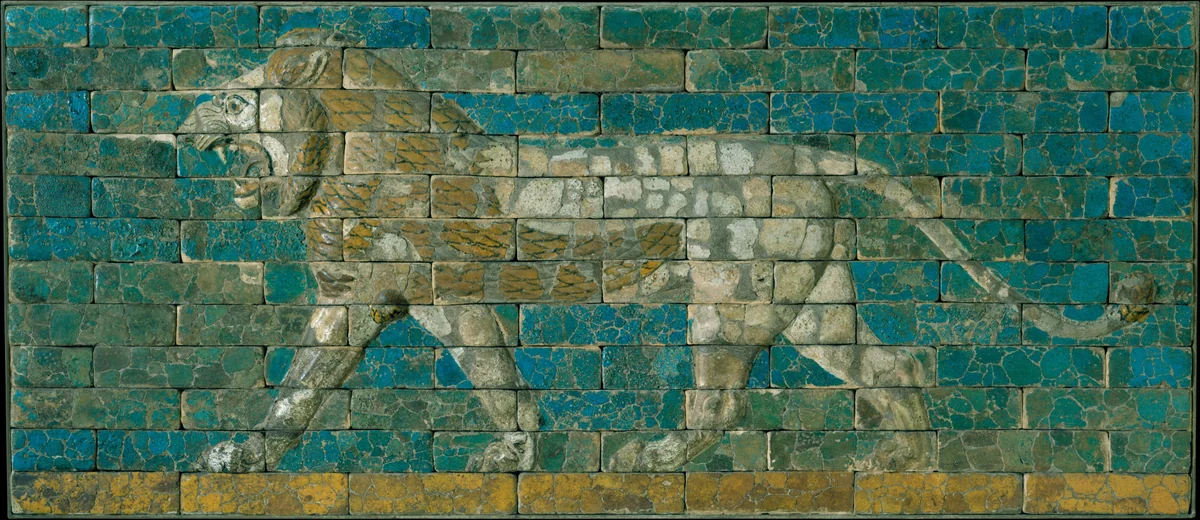
Glazed-brick lion panel from Babylon, about 604–562 BCE, now assembled as a museum panel. Lions lined the Processional Way; this is surviving architectural decoration, not a complete view of the ancient city.
Picture source & rightsThe Metropolitan Museum of Art · Fletcher Fund, 1931 · 31.13.1 · Public domain / CC0 · Resized and converted to WebP · Licence terms

Middle East / Culture

Babylon: a city of colour, ritual and knowledge

Babylon was more than the setting of a conquest. Its glazed-brick streets, temples and scholarship reveal an urban society whose influence outlasted its imperial government.

Read →
206 BCE–220 CEIn-depth study
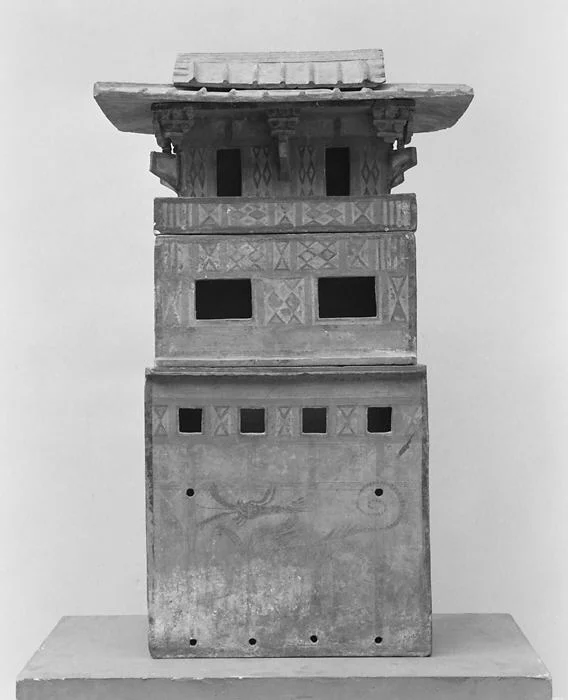
Eastern Han earthenware house model with traces of pigment. A surviving funerary object, not a reconstruction of a particular occupied home.
Picture source & rightsThe Metropolitan Museum of Art · Rogers Fund, 1951 · 51.127.2a–f · Public domain / CC0 · Resized to WebP · Licence terms

Asia / Culture

Han China: cities, households and a connected empire

Han history includes administration, writing and long-distance exchange as well as conquest. A pottery house model opens a different view: the buildings and material comforts imagined for life after death.

Read →
400–1945 CEIn-depth study
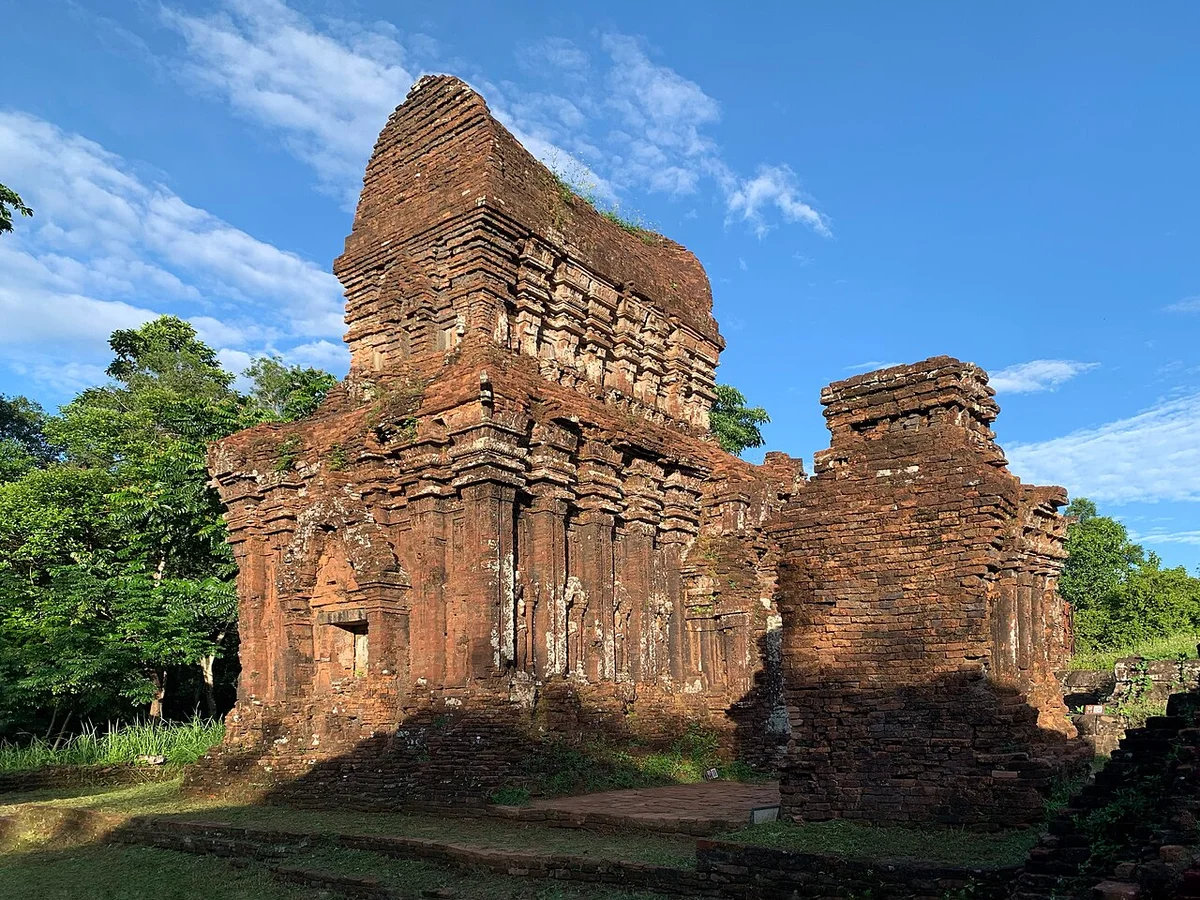
Mỹ Sơn temple remains, groups B, C and D, photographed on 2 August 2024. This is a modern conservation-era view of Cham architecture, not a reconstruction of the historic sanctuary.
Picture source & rightsChainwit. / Wikimedia Commons · CC BY 4.0 · Resized and converted to WebP · Licence terms

Asia / Empire

Vietnam’s historic landscapes: Champa, Đại Việt and Huế

Vietnam’s earlier history includes distinct kingdoms and changing centres of power. Mỹ Sơn, Thăng Long and Huế offer three different windows onto religion, government and the making of urban landscapes.

Read →
750–1258 CEIn-depth study
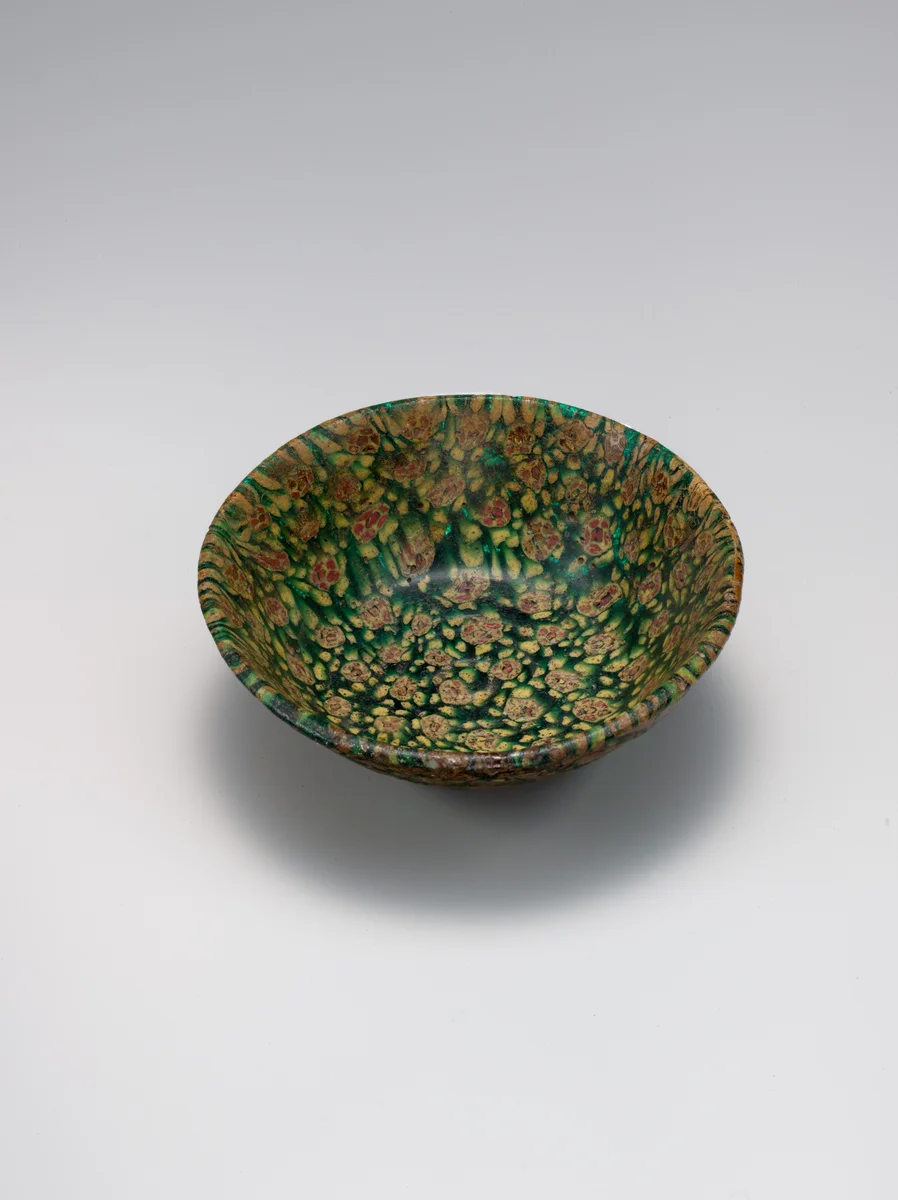
Ninth-century millefiori glass bowl, probably made in Iraq. A surviving object photographed in a museum; its original owner is not known.
Picture source & rightsThe Metropolitan Museum of Art · Rogers Fund, 2001 · 2001.266 · Public domain / CC0 · Resized and converted to WebP · Licence terms

Middle East / Culture

Abbasid Iraq: cities, skilled craft and learning

Baghdad and Samarra brought political patronage, specialised crafts and intellectual life into new urban settings. Surviving glass and architectural decoration illuminate a history that extends beyond dynastic succession.

Read →
800–1500 CEIn-depth study
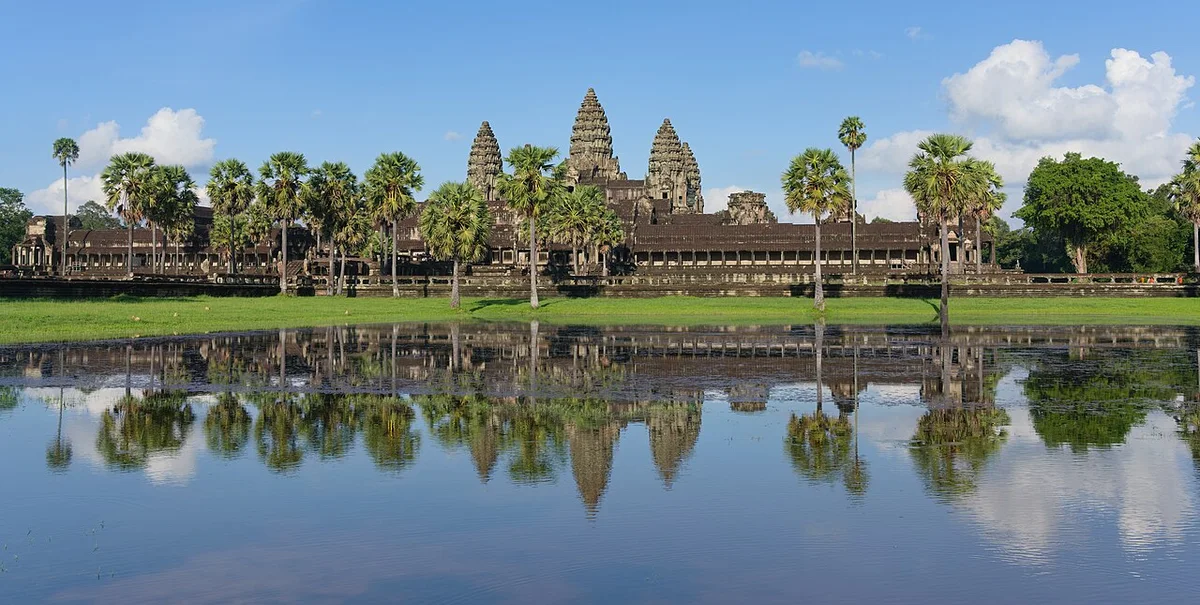
Angkor Wat, photographed on 9 September 2022. This present-day view records a surviving monument, not the full extent or original condition of the Khmer cities.
Picture source & rightsSatdeep Gill / Wikimedia Commons · CC BY-SA 4.0 · Existing crop resized and converted to WebP; derivative under the same licence · Licence terms

Asia / Empire

Angkor: Khmer cities, water and religious change

Cambodia’s history includes centuries of Khmer urban life before the twentieth-century catastrophes. Angkor connects monumental temples with water infrastructure, agriculture and changing religious traditions.

Read →
930–1944 CEIn-depth study
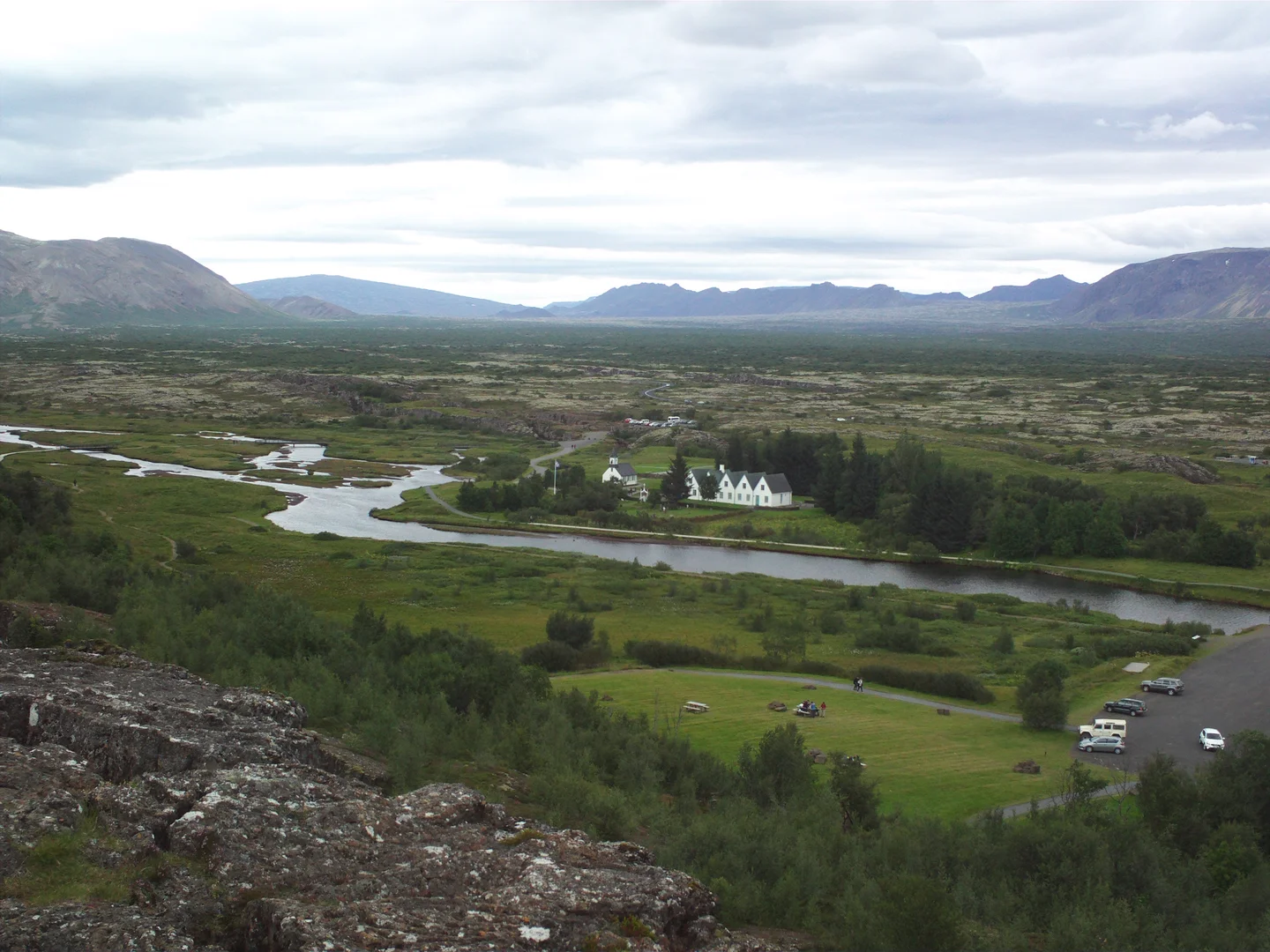
Þingvellir village and landscape, photographed on 9 August 2014. The later buildings and modern visitor facilities are not a reconstruction of the medieval assembly.
Picture source & rightsYpsilon from Finland / Wikimedia Commons · CC0 · Resized and converted to WebP · Licence terms

Europe / Rights

Iceland: assembly, social life and the road to a republic

Þingvellir links Iceland’s medieval assembly, seasonal gatherings and later independence movement. Its long history includes institutional breaks and changing powers—not an unchanged modern democracy lasting a millennium.

Read →
1000–1300 CEIn-depth study
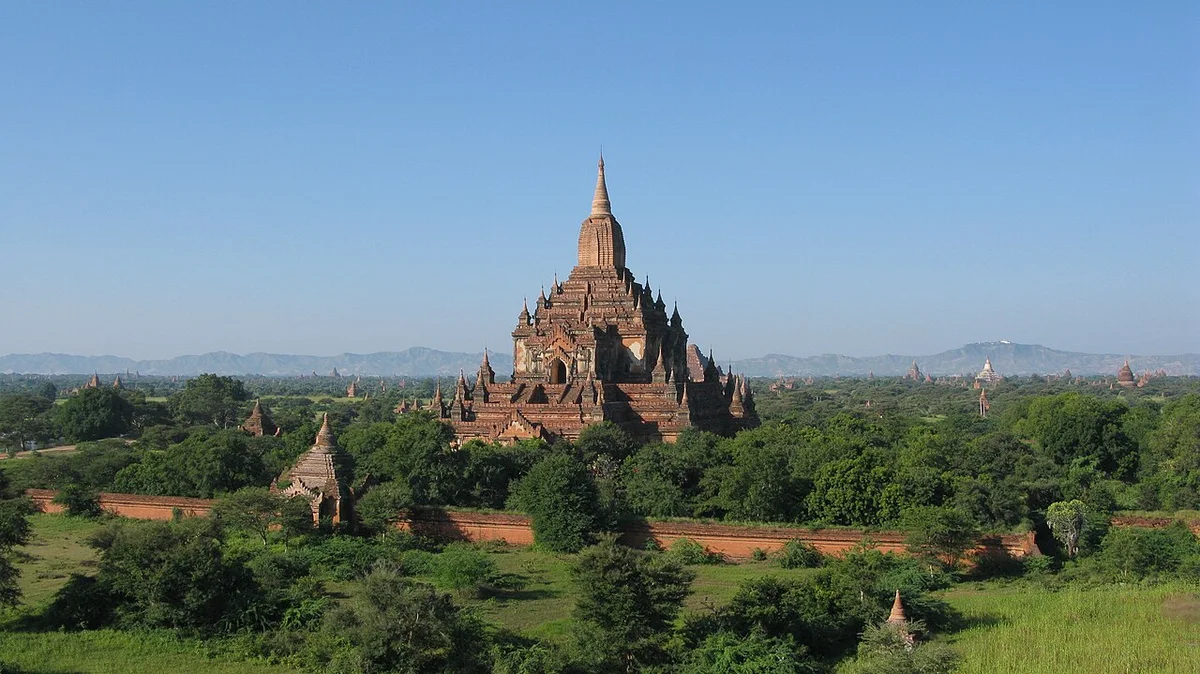
Sulamani Temple and the Bagan landscape, photographed on 20 November 2008. A modern view of surviving architecture, not a reconstruction of medieval Bagan.
Picture source & rightsVyacheslav Argenberg / Wikimedia Commons · CC BY 4.0 · Resized and converted to WebP · Licence terms

Asia / Faith

Bagan: Buddhism, patronage and a living landscape in Myanmar

Bagan’s temples open a history of religious giving, political authority and artistic work beside the Ayeyarwady River. Myanmar’s past extends far beyond its modern conflicts.

Read →
1200–1600 CEIn-depth study
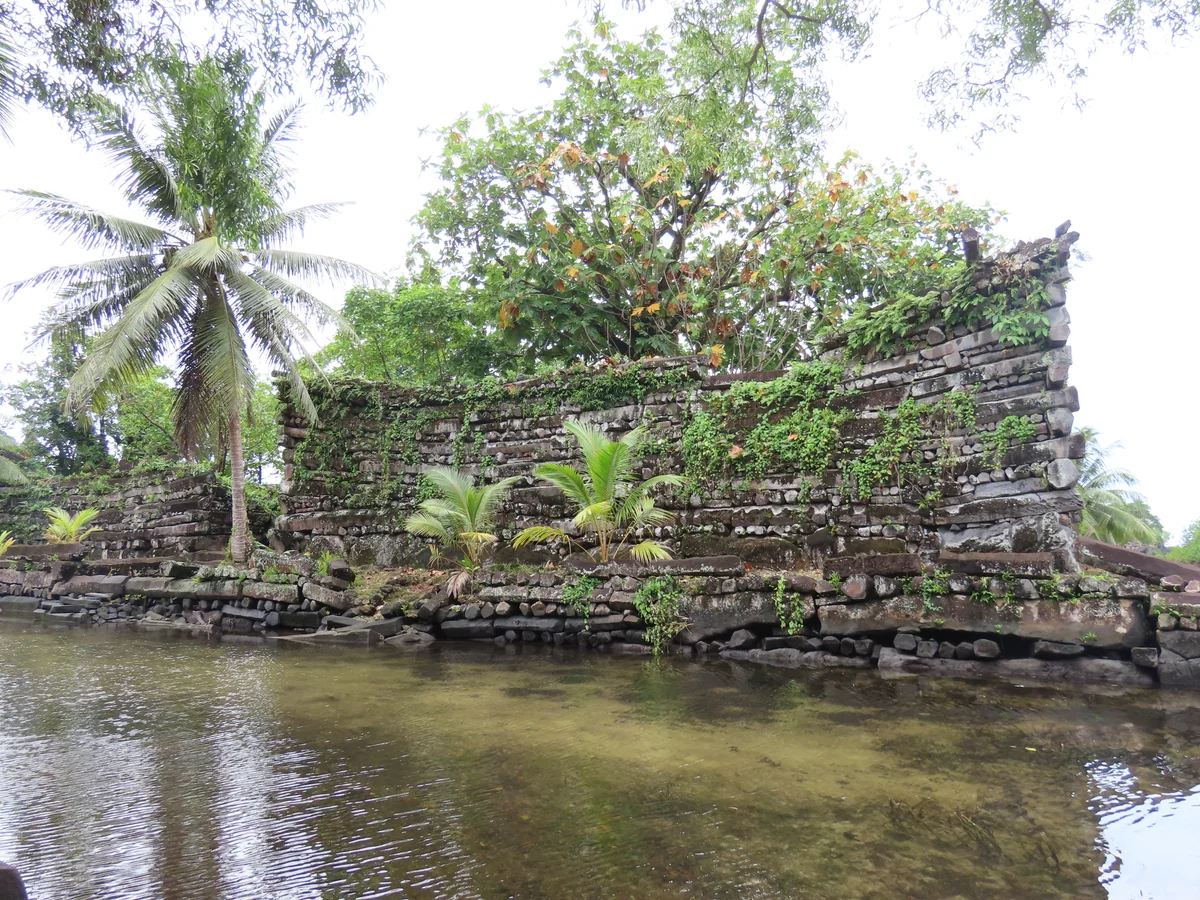
Nan Madol and its surroundings on Pohnpei, photographed by Uhooep on 16 May 2023. This is a modern view of surviving structures, not a reconstruction of Saudeleur-period life.
Picture source & rightsUhooep / Wikimedia Commons · CC BY-SA 4.0 · Resized and converted to WebP; derivative under the same licence · Licence terms

Oceania / Culture

Nan Madol: Pohnpeian architecture and chiefly authority

Basalt walls, artificial islets and waterways at Nan Madol reveal a specifically Pohnpeian history of engineering, ceremony and political authority in Micronesia.

Read →
1300–1819 CEIn-depth study
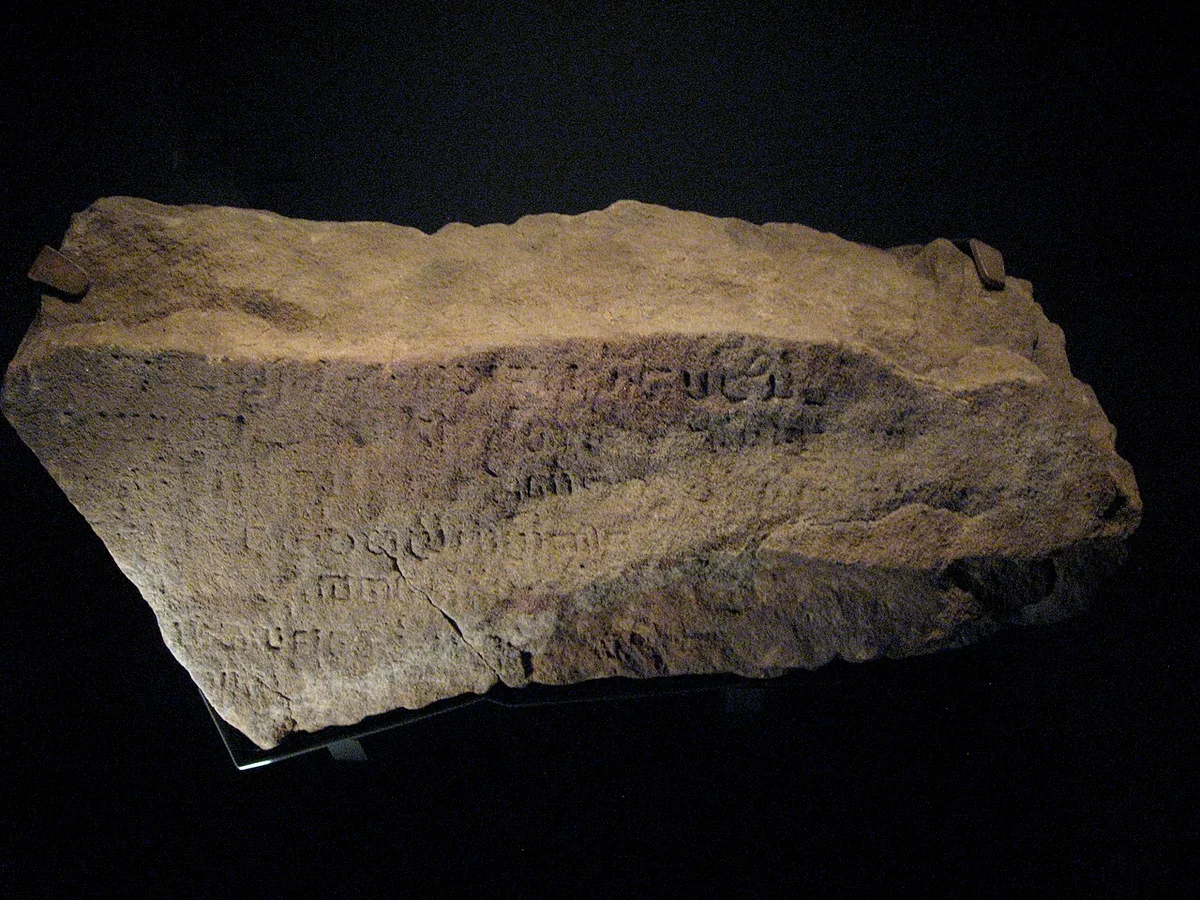
The Singapore Stone in the National Museum of Singapore, photographed on 12 July 2009. A surviving inscribed fragment; this study does not claim a decipherment or precise original date.
Picture source & rightsJon Callas / Wikimedia Commons · CC BY 2.0 · Resized and converted to WebP · Licence terms

Asia / Trade

Singapore before 1819: Temasek, trade and surviving evidence

Singapore did not begin with the British trading post. Archaeology and written traditions reveal a port connected to the wider Malay and Asian maritime world centuries earlier.
Read →