AATLAS
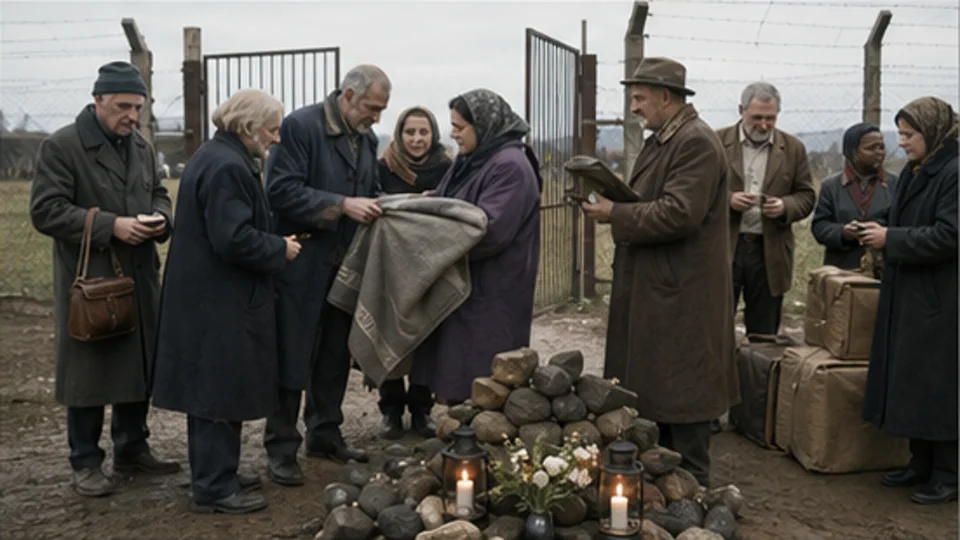
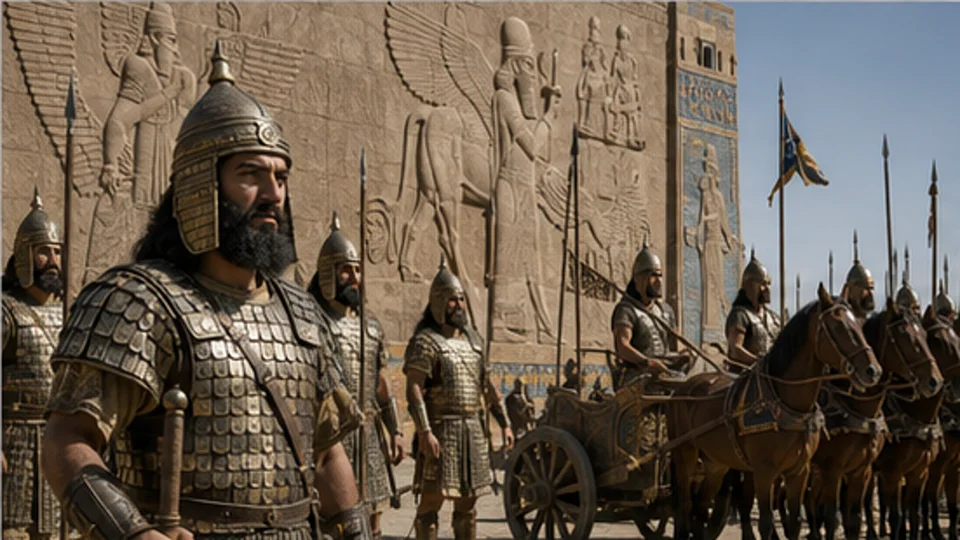
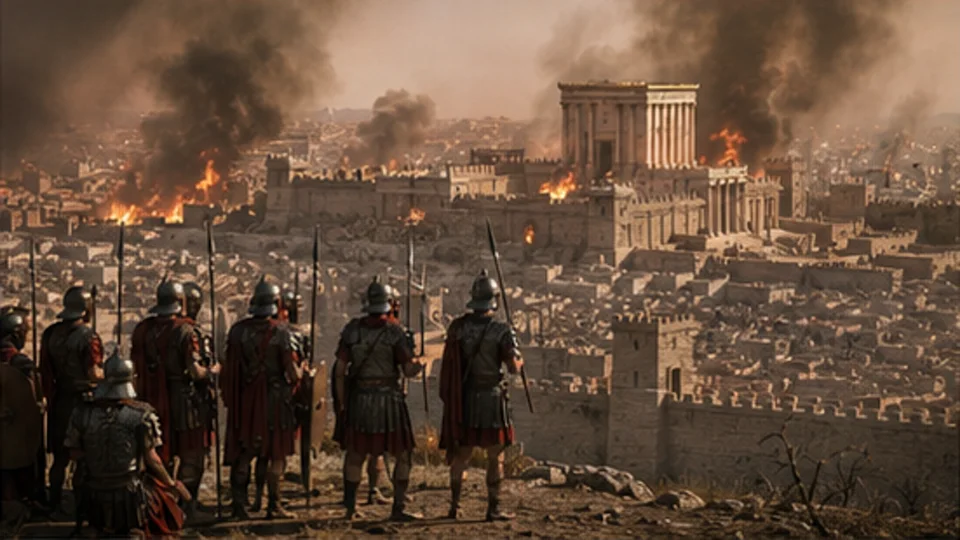
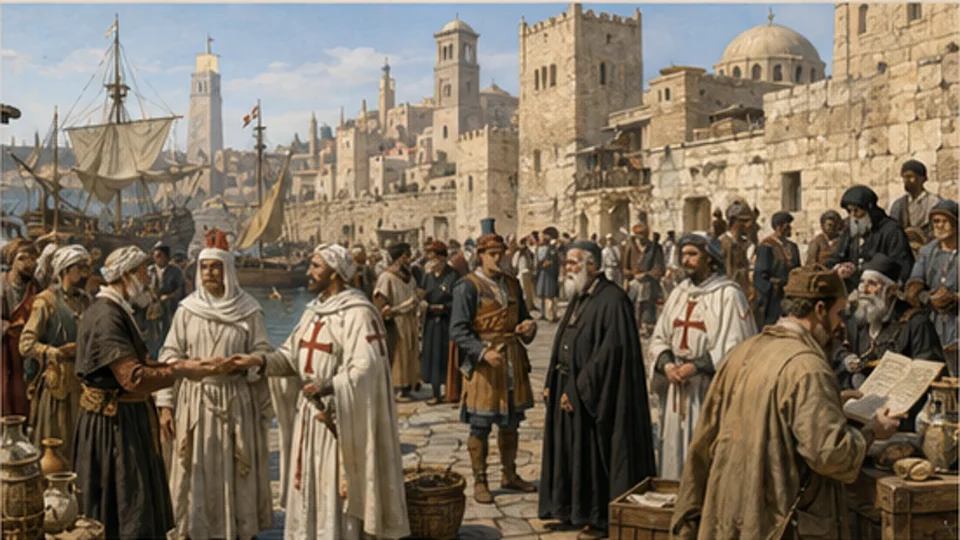
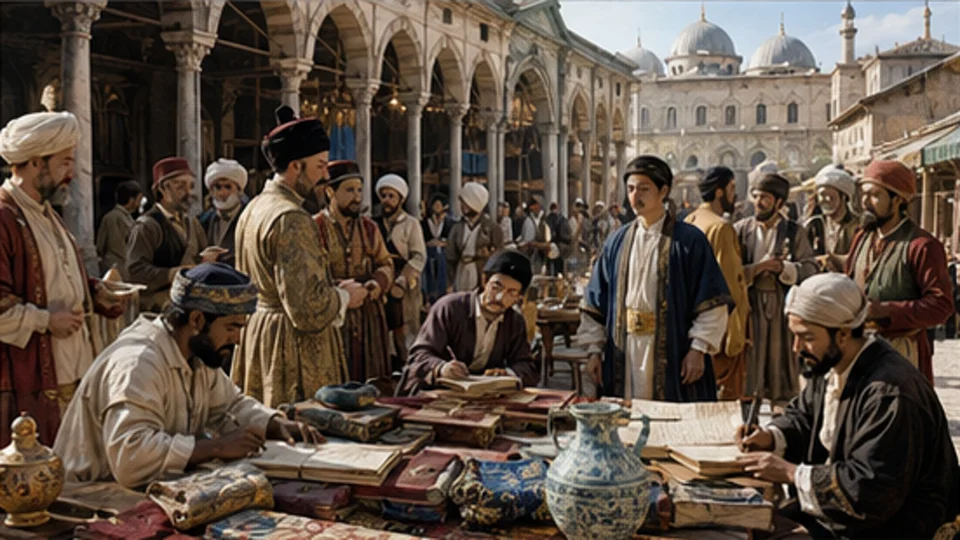
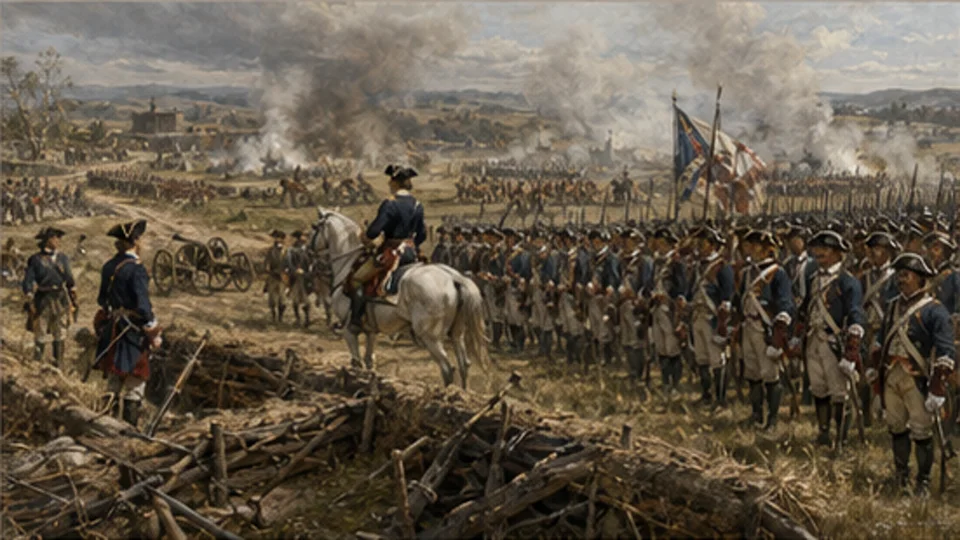
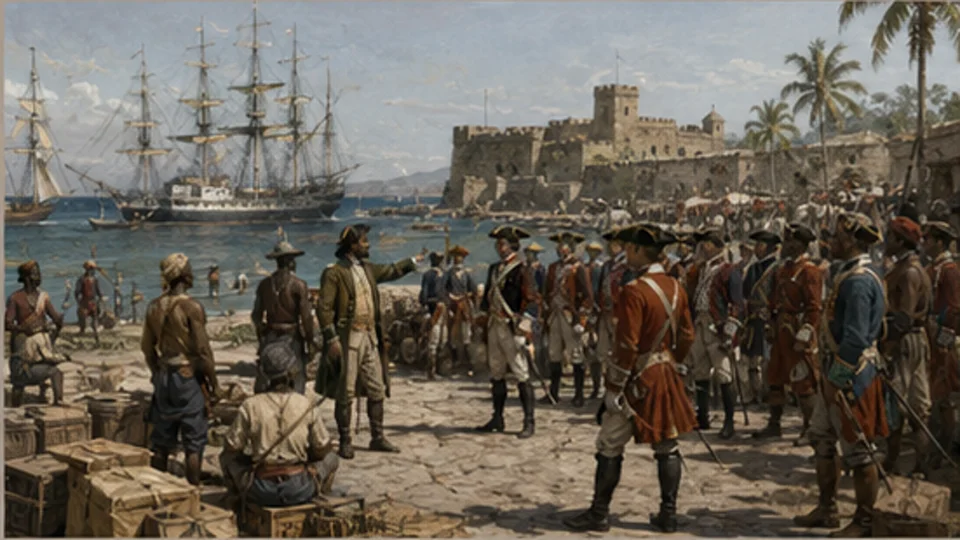
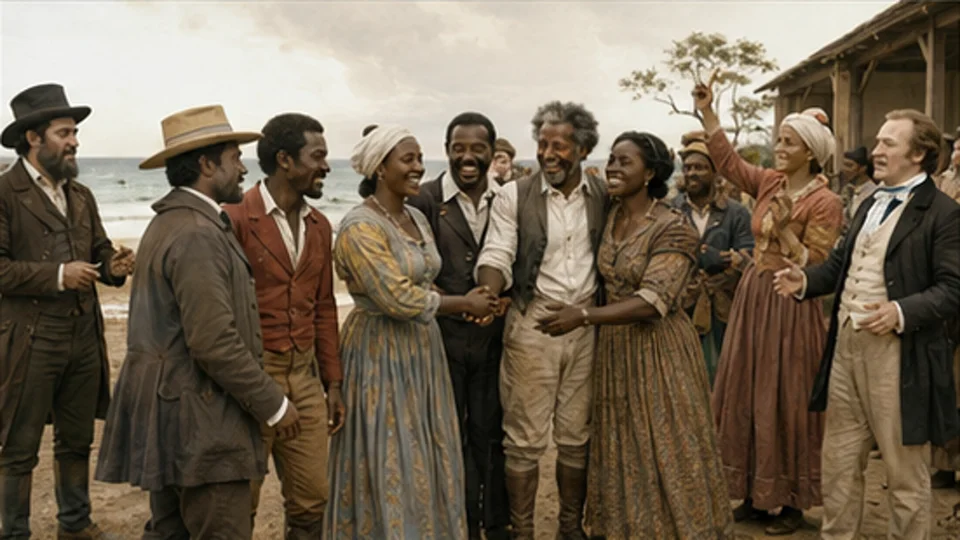
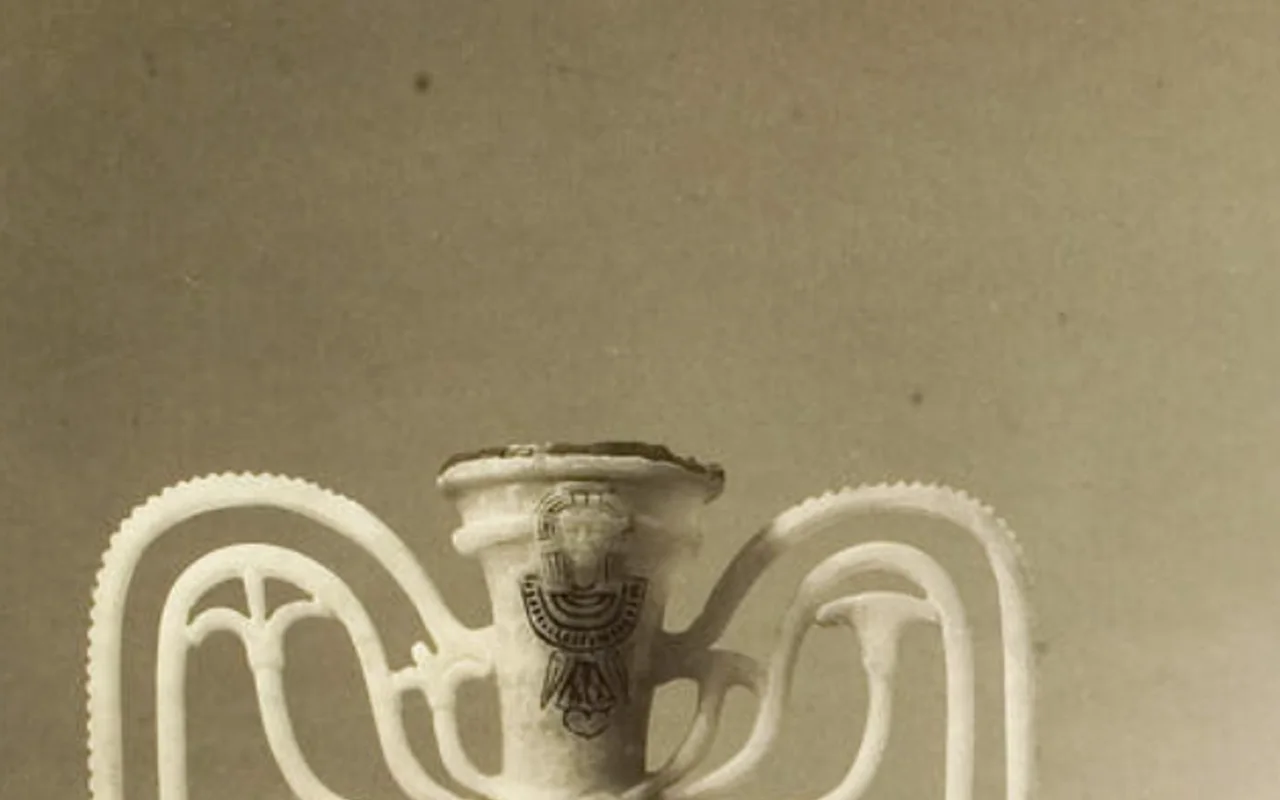
Cyrus takes Babylon, primary atlas editorial reconstruction for cyrus takes babylon.

World history in pictures · An independent atlas

The past is closer
than you think.

Explore an interactive world-history timeline from 3100 BCE to the present, with pictures, maps, museum objects and sourced stories from across the world.

3100 BCE earliest entry279 stories to discover7 global regions
3100 BCEPresent

Three ways into the past

Follow a thread.

The complete reading room ↗

Chronological navigation

Move through thirteen historical worlds.

Every era connects political power, faith, trade, war, discovery, health and ordinary life across several regions of the world.

Searchable atlas

Follow an event, place, person or idea.

Filters reveal connections across regions and themes. Choose any story to enter its illustrated account, narration and parallel timeline.

279 curated entries shown

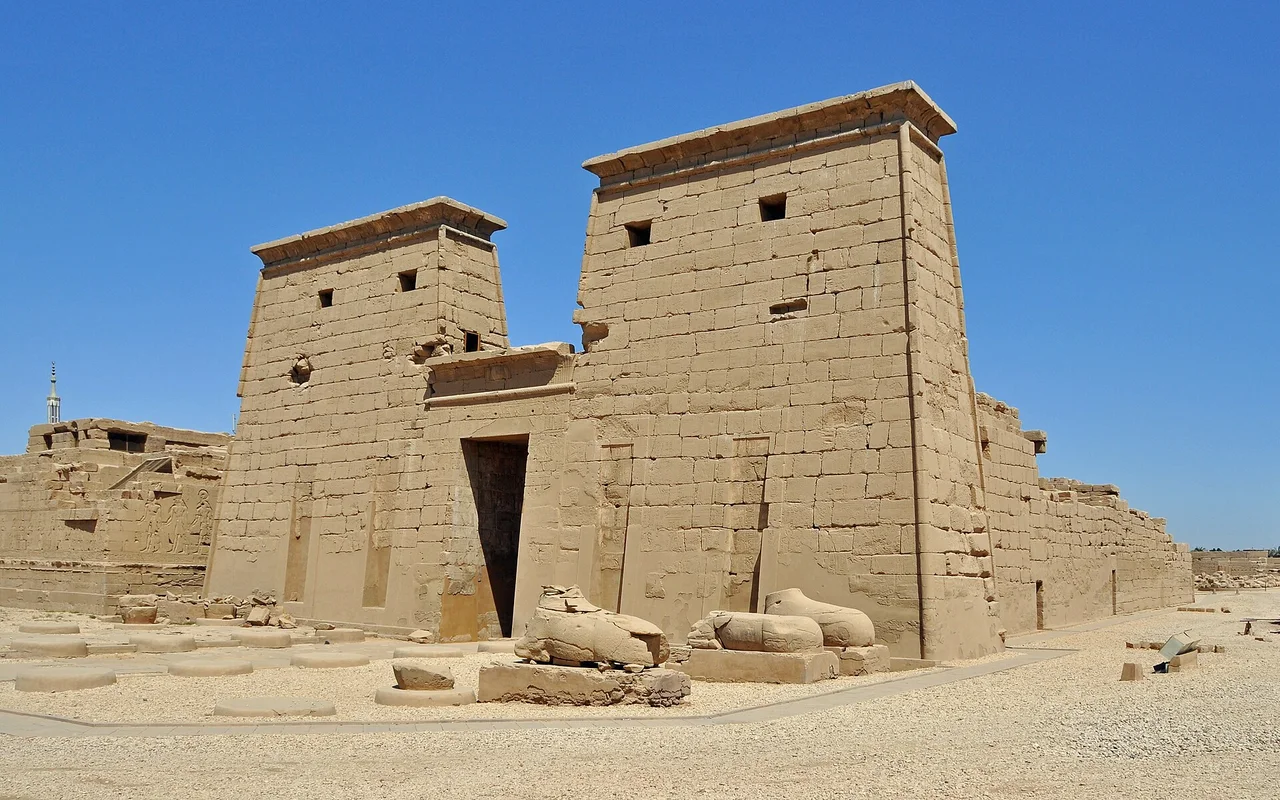
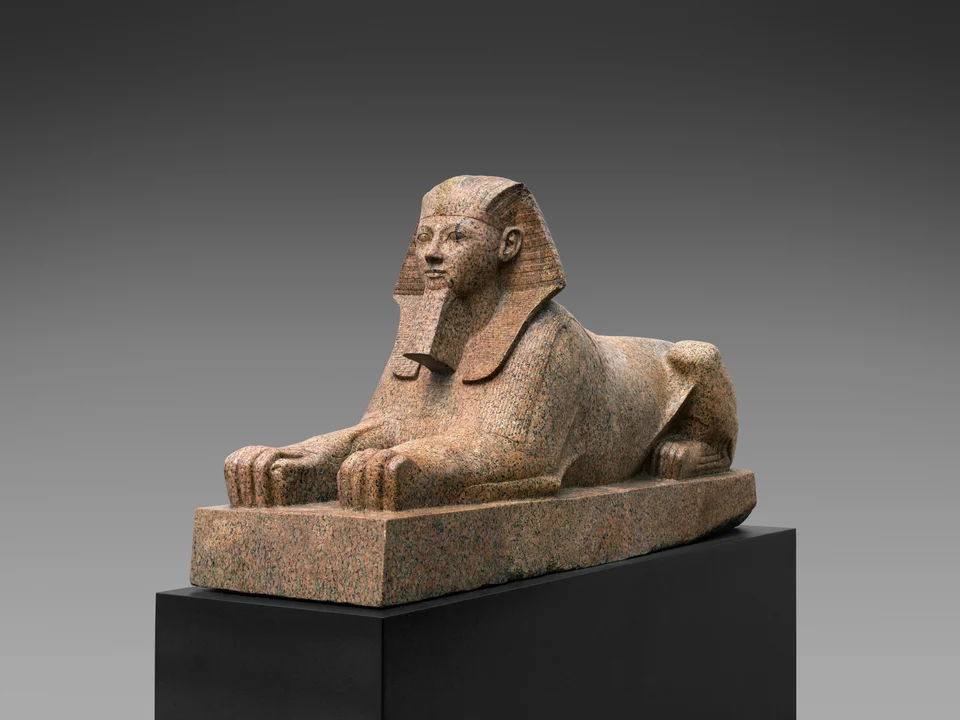
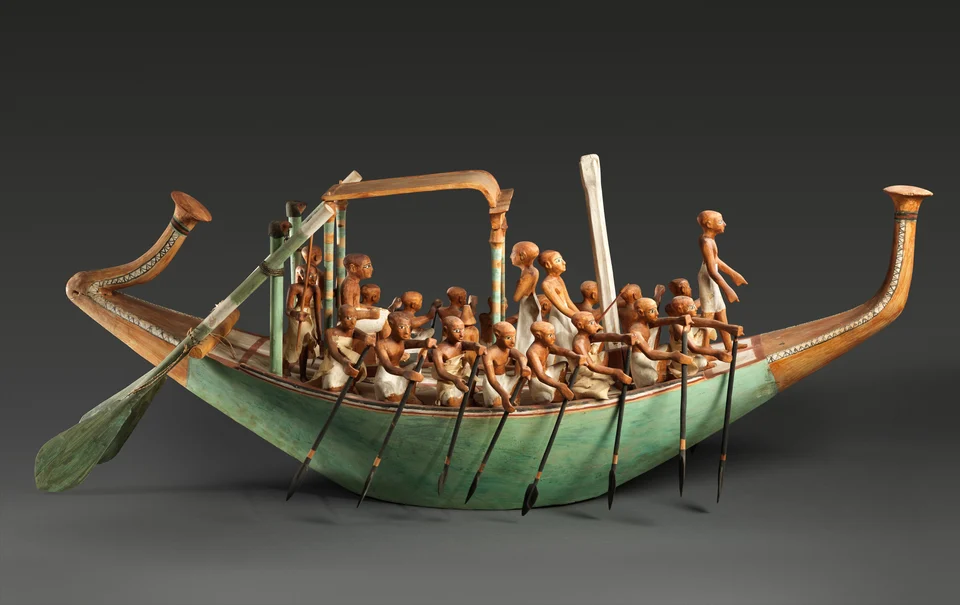
3100–1070 BCEAfrica · EmpireAncient Egypt: Nile kingdoms and the New Kingdom

For more than two millennia, Nile Valley kingdoms developed durable systems of agriculture, writing, taxation, religion, craft and state power. The New Kingdom extended Egyptian rule into Nubia and the eastern Mediterranean while leaving a vast architectural and textual record.

Open dossier ↗
2600–1900 BCEAsia · TradeIndus Valley cities and regional exchange

Harappa, Mohenjo-daro and related settlements formed a vast ancient urban network, with carefully planned streets, drainage, standardized weights and long-distance exchange across South Asia and the Persian Gulf.

Open dossier ↗
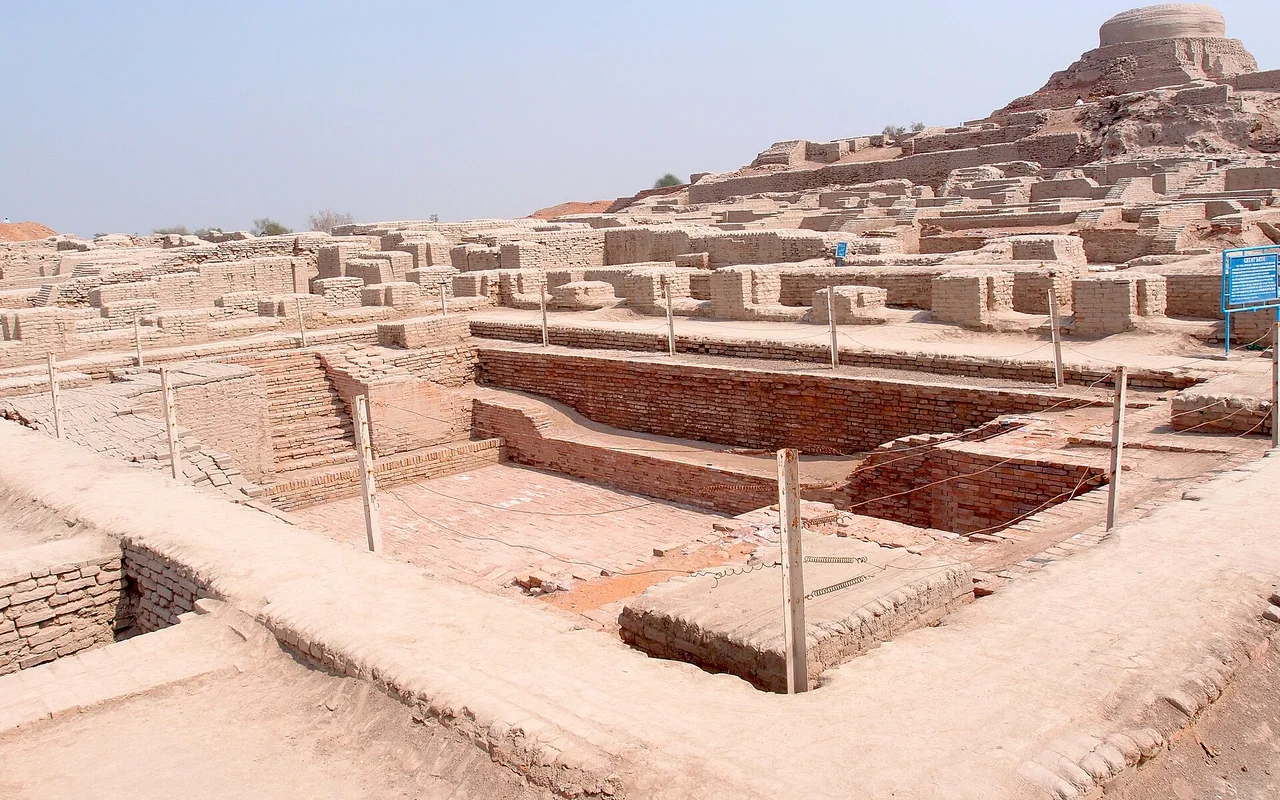
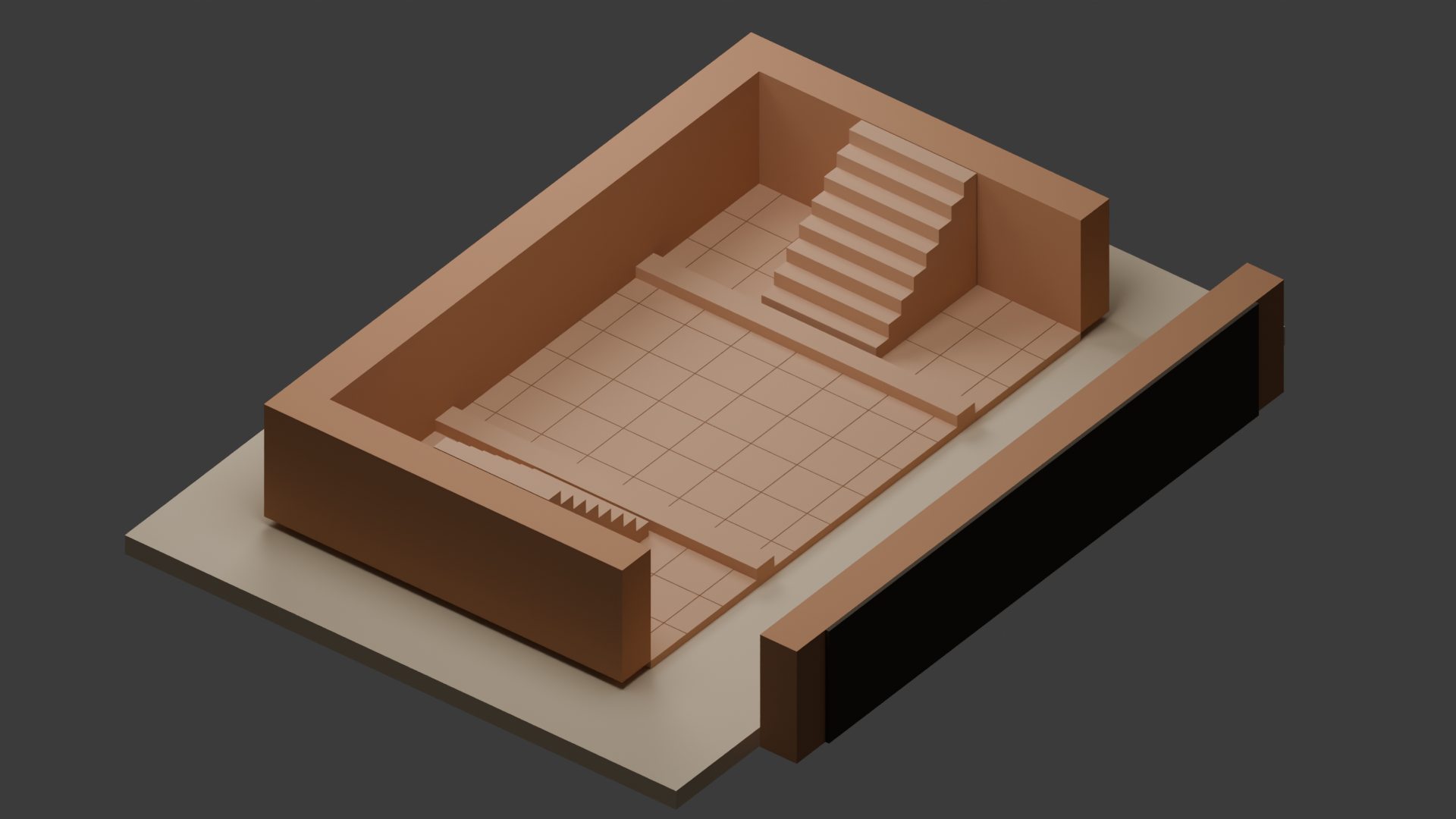
2500 BCEAsia · TradeMohenjo-daro: building the Great Bath

A brick-lined basin offers a close view of construction and water management in an Indus city. Its physical remains are better understood than the ceremonies sometimes imagined around it.

Open dossier ↗
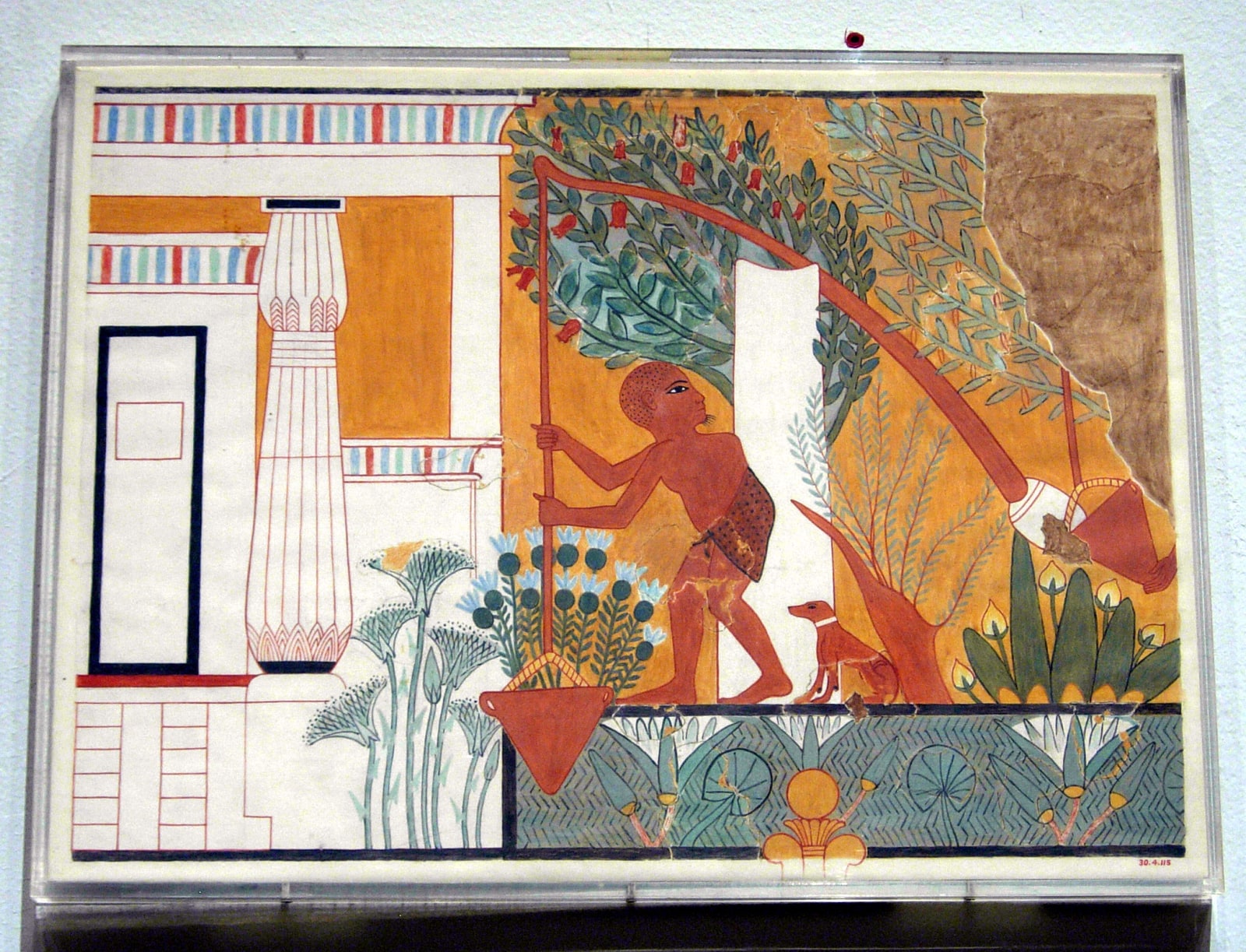
1290–1224 BCEAfrica · TechnologyWater lifting, gardens and irrigation along the Nile

A garden scene from the tomb of Ipuy opens a view onto the practical work of obtaining water. A counterbalanced lifting device links a simple mechanical principle with the labour required to sustain cultivation.

Open dossier ↗
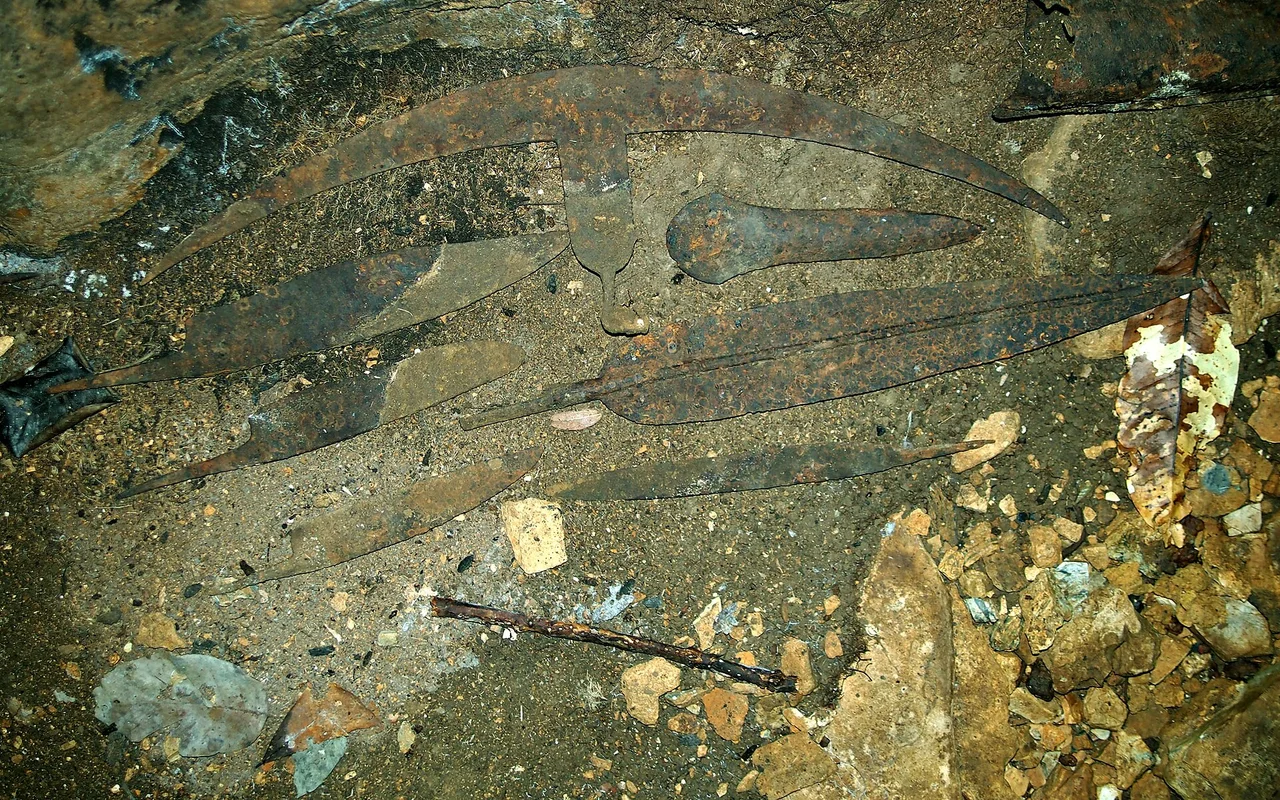
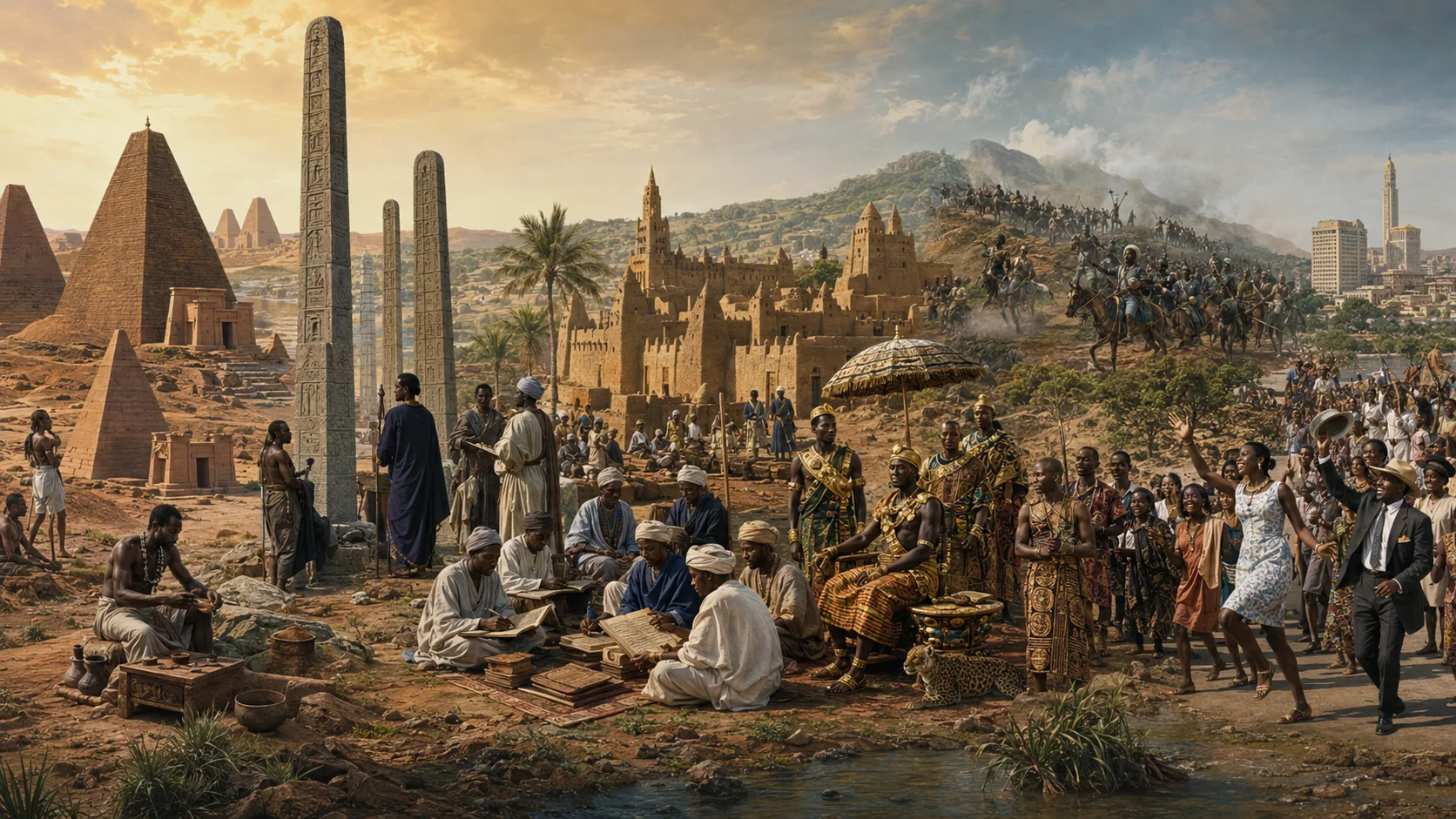
1000 BCE–1500 CEAfrica · TechnologyBantu-speaking migrations and African ironworking networks

Over many centuries, Bantu-language dispersals reshaped linguistic landscapes across central, eastern and southern Africa. Communities adopted and developed farming and ironworking in different places and times, through diverse exchanges with peoples already living in these regions.

Open dossier ↗
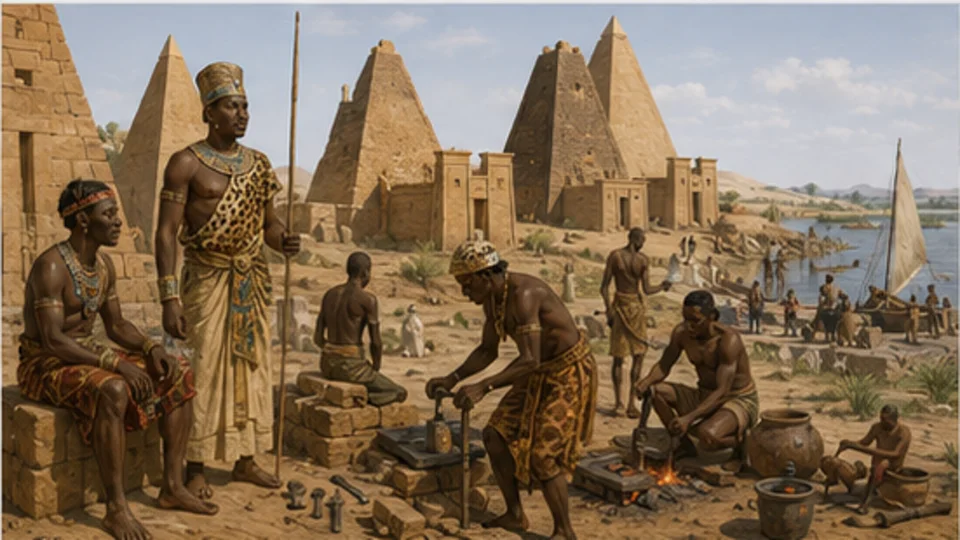
1000 BCE–350 CEAfrica · EmpireKush and Nubian kingdoms

Nubian kingdoms south of Egypt developed powerful states, monumental cities and far-reaching trade; Kushite rulers governed Egypt as the Twenty-fifth Dynasty, while the Meroitic kingdom remained a major Nile Valley power into the early centuries CE.

Open dossier ↗
1000 BCE–1300 CEOceania · TradePacific voyaging, settlement and navigational knowledge

Communities explored and settled the Pacific through voyages requiring skilled navigation and capable ocean-going craft. This broad survey begins long before European arrival.

Open dossier ↗
911–609 BCEMiddle East · EmpireNeo-Assyrian Empire

At its height, the Neo-Assyrian imperial system linked Mesopotamia, the Levant, Anatolia and Egypt through conquest, tribute, provincial administration, communication routes and forced migration.

Open dossier ↗
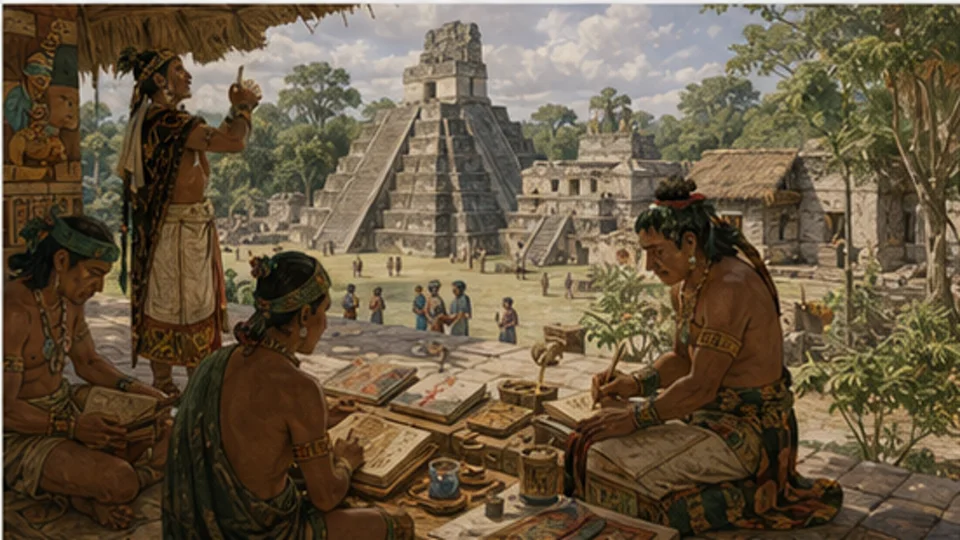
800 BCE–900 CEAmericas · ScienceMaya city-states and knowledge

Maya societies built complex cities, writing systems, calendars, mathematical traditions and regional trade networks across Mesoamerica.

Open dossier ↗
722–721 BCEMiddle East · FaithFall of Samaria

Assyria captured Samaria, capital of the northern kingdom of Israel, in 722/721 BCE, deported a large section of its population and incorporated the territory into its imperial system; local population continuity remained.

Open dossier ↗
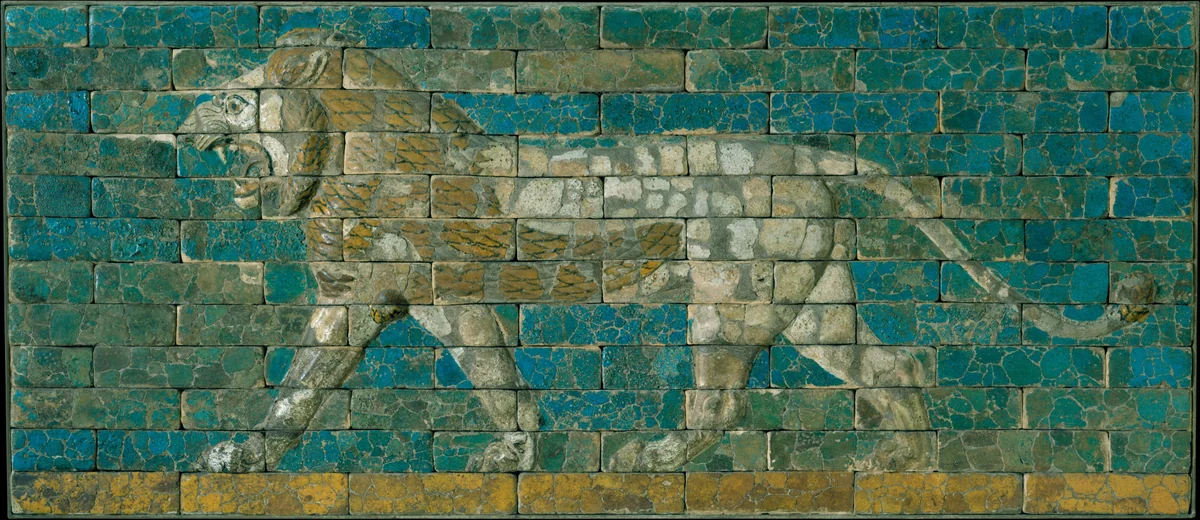
626–539 BCEMiddle East · CultureBabylon: a city of colour, ritual and knowledge

Babylon was more than the setting of a conquest. Its glazed-brick streets, temples and scholarship reveal an urban society whose influence outlasted its imperial government.

Open dossier ↗
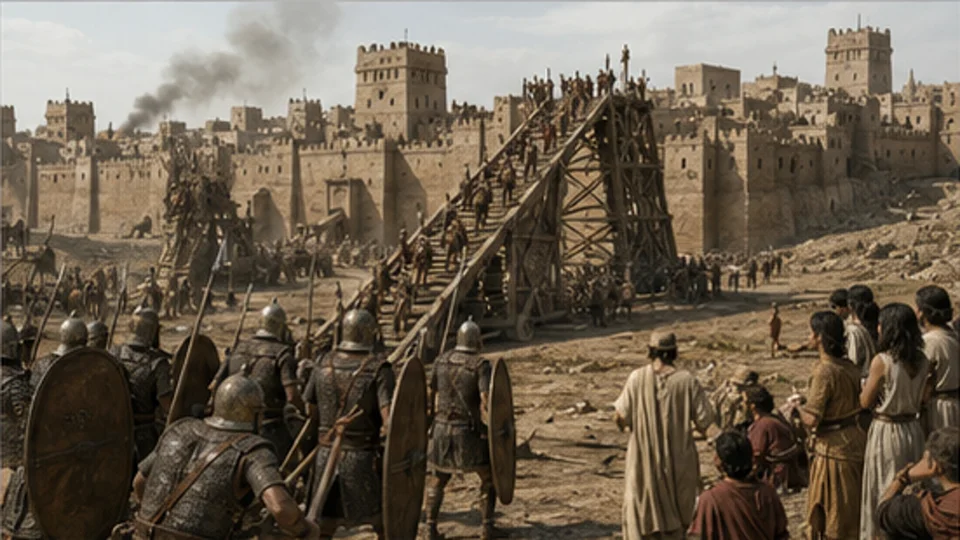
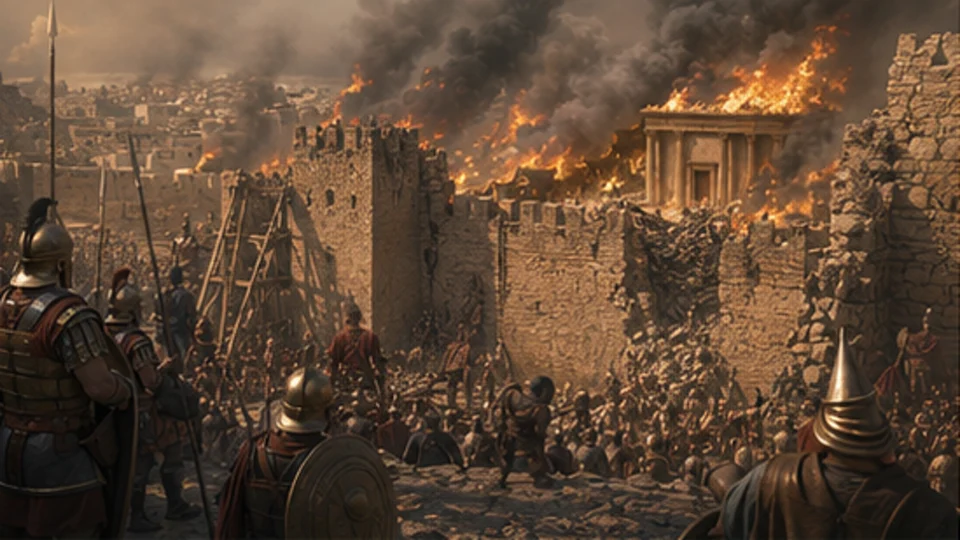
587–586 BCEMiddle East · WarBabylon captures and destroys Jerusalem

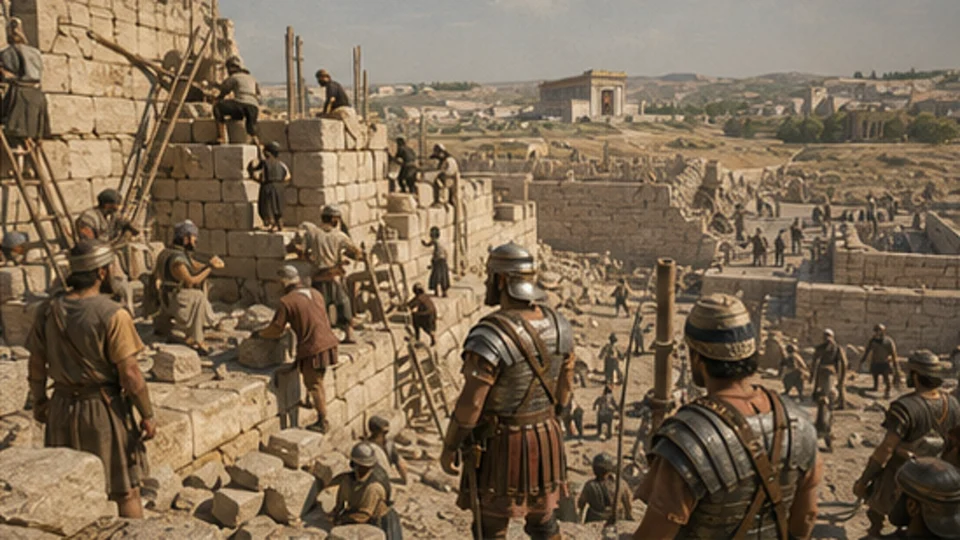
In 587/586 BCE, Nebuchadnezzar II’s army breached Jerusalem, burned the Temple and royal buildings, dismantled the city’s defenses and deported a significant part of Judah’s population to Babylon.

Open dossier ↗
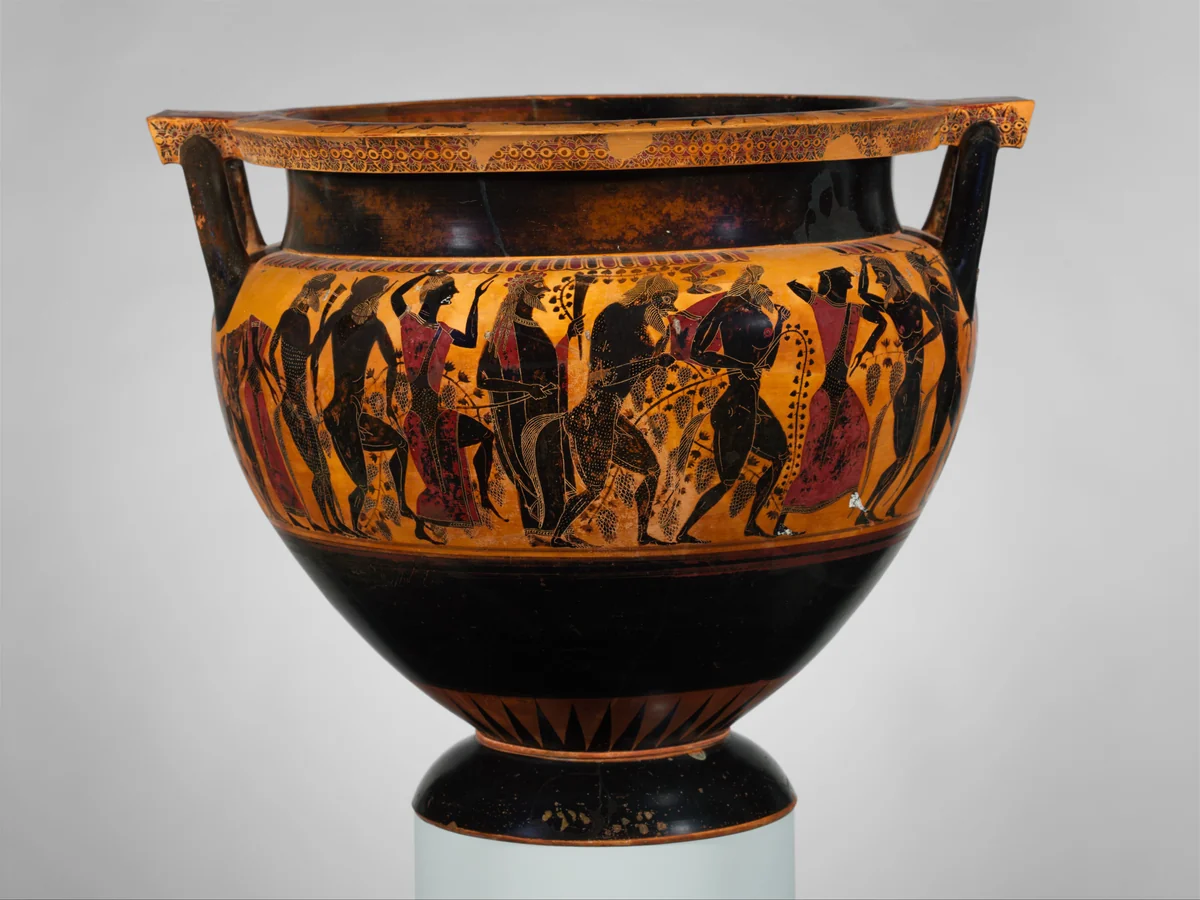
550–31 BCEEurope · CultureAncient Greek social worlds: vessels, clothing and cultural exchange

Painted pottery and clothing bring Greek history beyond its battlefields. These objects reveal social gatherings, skilled labour and cultural exchange—but not an equal or uniform society.

Open dossier ↗
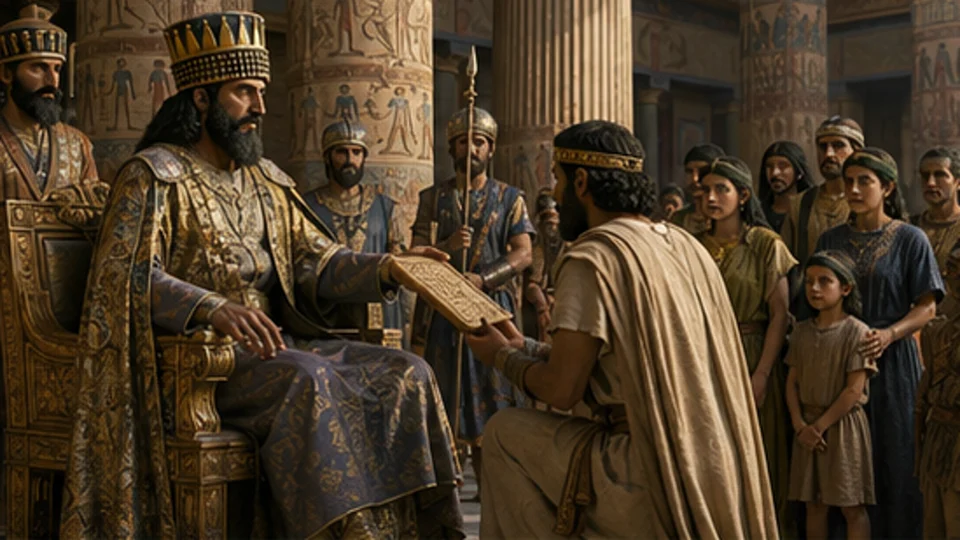
539 BCEMiddle East · EmpireCyrus takes Babylon

Persian forces entered Babylon and absorbed its territories into the Achaemenid Empire. In the biblical restoration tradition, the political change opened a path for Judean exiles to return and rebuild in Jerusalem.

Open dossier ↗
538–515 BCEMiddle East · FaithCyrus’s decree and the Second Temple

Persian policy permitted Judean exiles to return and rebuild the Temple; work associated with Sheshbazzar, Zerubbabel and Jeshua culminated in its dedication under Darius I.

Open dossier ↗
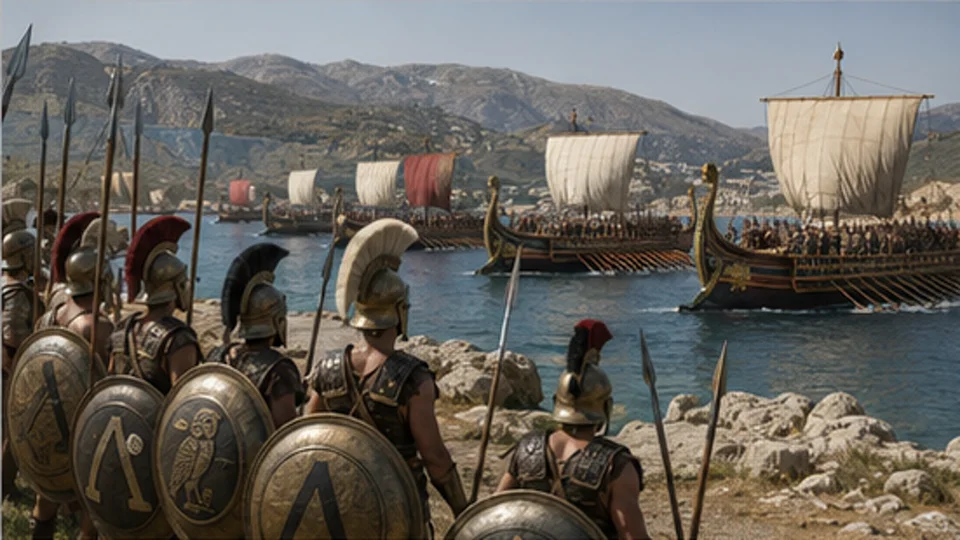
490–479 BCEEurope · WarGreco-Persian Wars

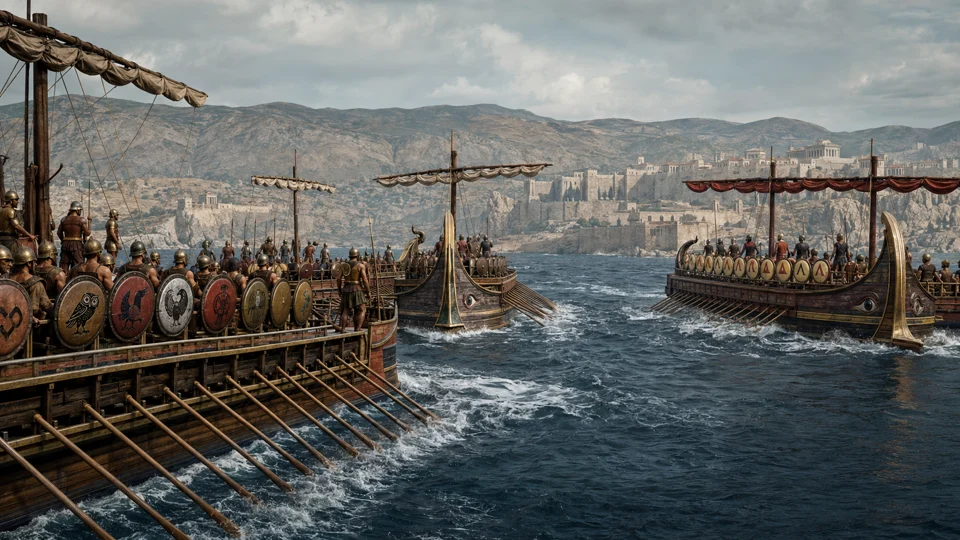
Coalitions of Greek poleis resisted two Achaemenid invasions in campaigns remembered at Marathon, Thermopylae, Salamis and Plataea; other Greek communities supported Persia or remained outside the alliances.

Open dossier ↗
458–432 BCEMiddle East · FaithEzra, Nehemiah and Jerusalem restored

In the traditional Artaxerxes I chronology, Ezra strengthened Torah-centered communal life from 458 BCE and Nehemiah governed Judah and organized the rebuilding of Jerusalem’s walls from 445/444 BCE; their sequence remains debated.

Open dossier ↗
431–404 BCEEurope · WarPeloponnesian War

Athens, Sparta and their alliances fought across the Greek world in a prolonged conflict marked by plague, revolt, naval warfare and the Sicilian disaster; Persian support helped Sparta in the war’s closing phase.

Open dossier ↗
334–323 BCEGlobal · EmpireWars of Alexander the Great

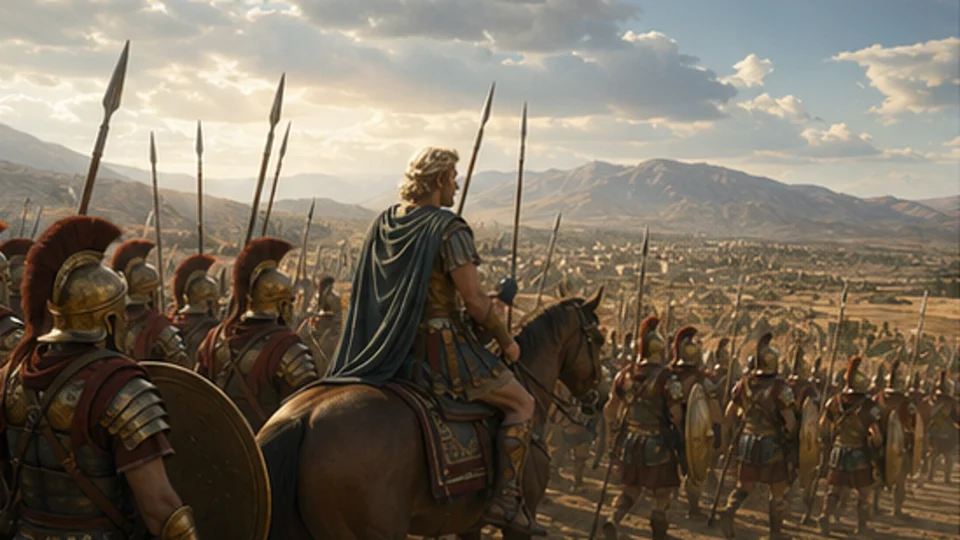
Alexander’s Macedonian army defeated Achaemenid Persia, besieged Tyre, entered Egypt and campaigned through Central Asia to the Indus; his empire fragmented into successor kingdoms after his death.

Open dossier ↗
264–146 BCEEurope · WarPunic Wars

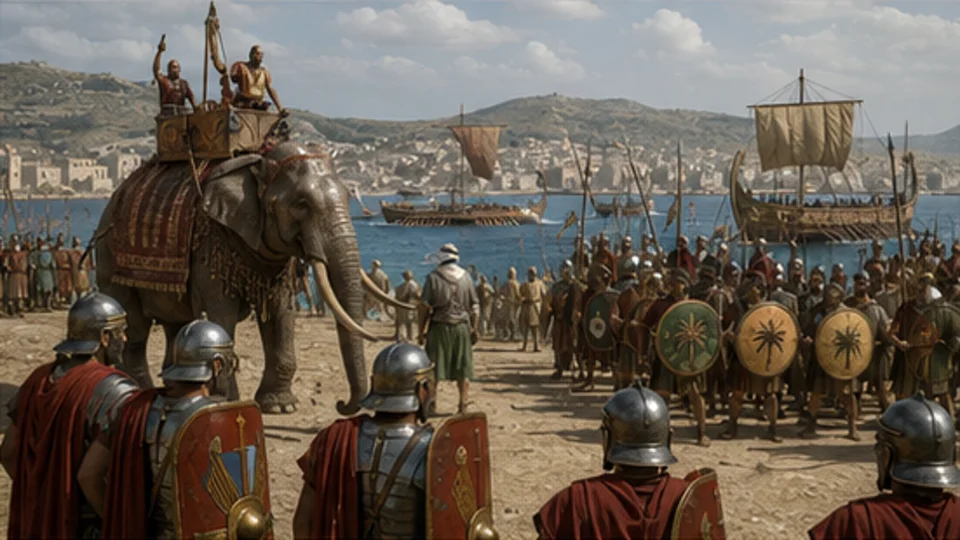
Rome and Carthage fought three wars across the western Mediterranean; the final siege ended in 146 BCE with Carthage’s destruction and the enslavement of much of its surviving population.

Open dossier ↗
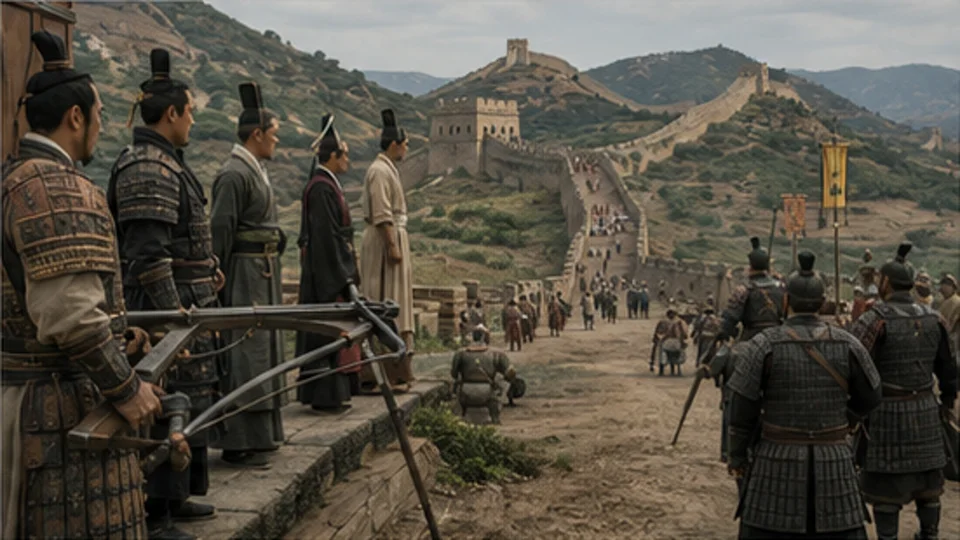
221 BCEAsia · EmpireQin unification of China

Qin conquest ended the Warring States period in 221 BCE, divided the empire into centrally administered commanderies and standardized script, currency and measurements while expanding roads and canals.

Open dossier ↗
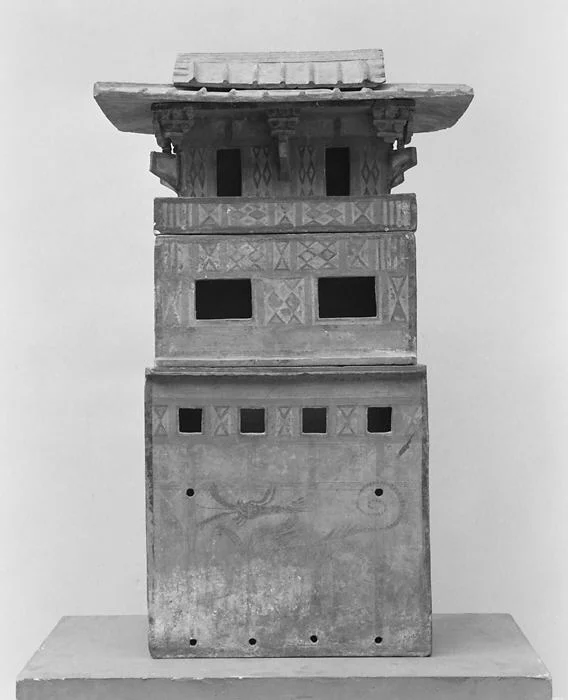
206 BCE–220 CEAsia · CultureHan China: cities, households and a connected empire

Han history includes administration, writing and long-distance exchange as well as conquest. A pottery house model opens a different view: the buildings and material comforts imagined for life after death.

Open dossier ↗
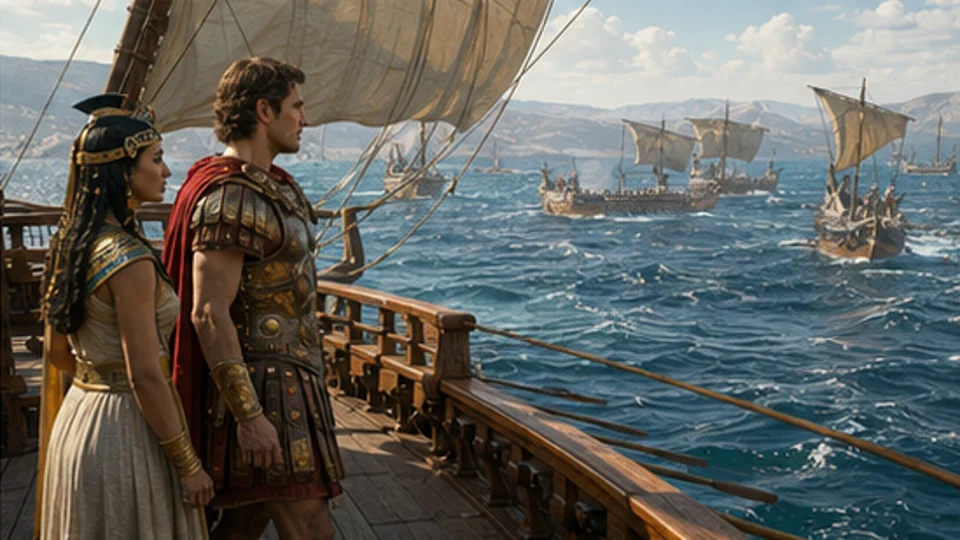
146–30 BCEEurope · EmpireRome conquers the Greek and Egyptian worlds

The destruction of Corinth in 146 BCE marked a major stage in Rome's domination of Greece. After the naval battle of Actium in 31 BCE, Octavian took Alexandria and annexed Ptolemaic Egypt in 30 BCE. These were distinct stages in a longer history of conquest.

Open dossier ↗
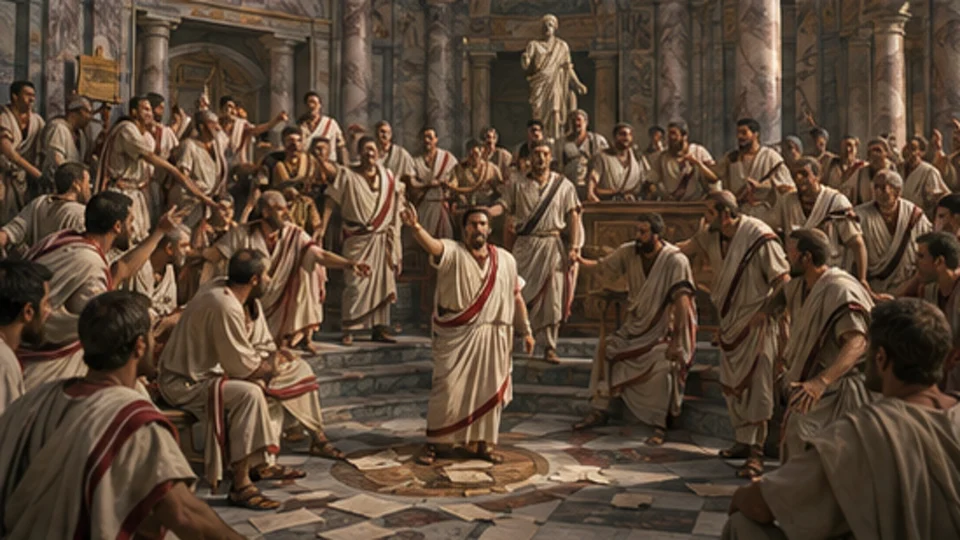
44 BCEEurope · WarAssassination of Julius Caesar

Senators killed Caesar on the Ides of March, claiming to defend the Republic after his accumulation of extraordinary power.

Open dossier ↗
27 BCE–180 CEEurope · EmpirePax Romana

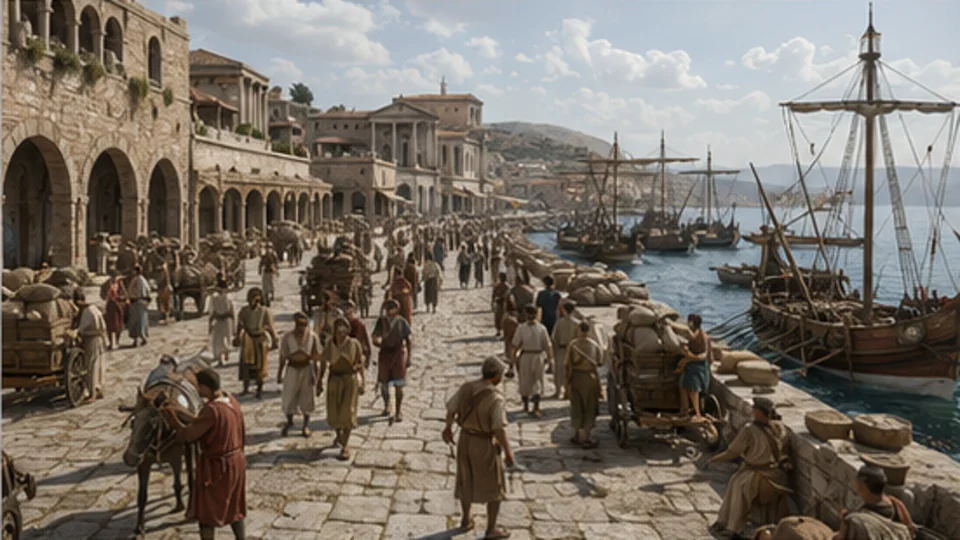
The period conventionally called the Pax Romana, from Augustus to Marcus Aurelius, linked Mediterranean communities through imperial administration, roads, ports and commerce. It also included conquest, slavery, revolts and civil war.

Open dossier ↗
c. 4 BCE–c. 30 CE · approximate chronologyMiddle East · FaithLife and ministry of Jesus Christ

Jesus taught in Roman-ruled Judea and Galilee, was crucified under Pontius Pilate, and—according to the New Testament—rose and ascended.

Open dossier ↗
c. 1st–8th centuries CEAfrica · TradeKingdom of Aksum

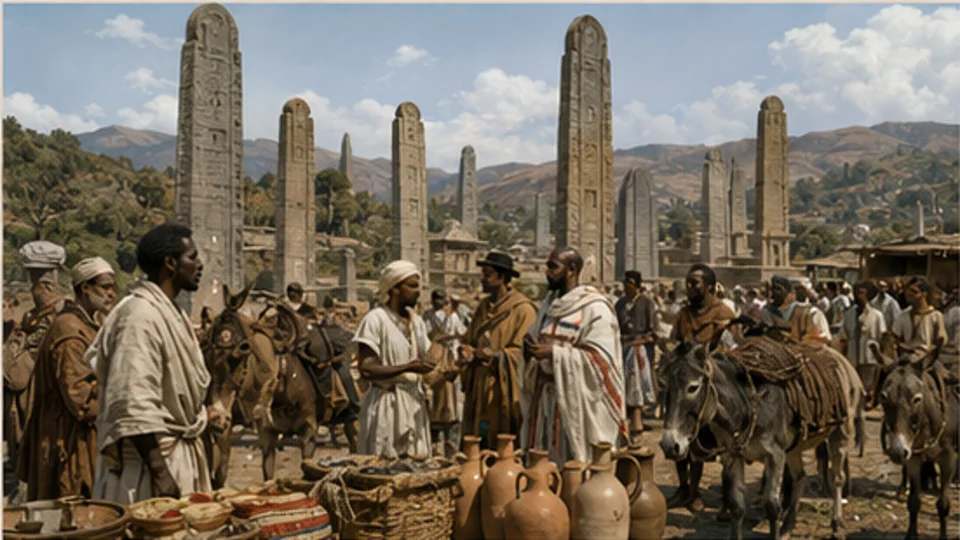
Aksum linked the African interior, Red Sea and Indian Ocean, minted coinage and adopted Christianity in the fourth century.

Open dossier ↗
30–67 CEMiddle East · FaithApostolic Church and Paul’s journeys

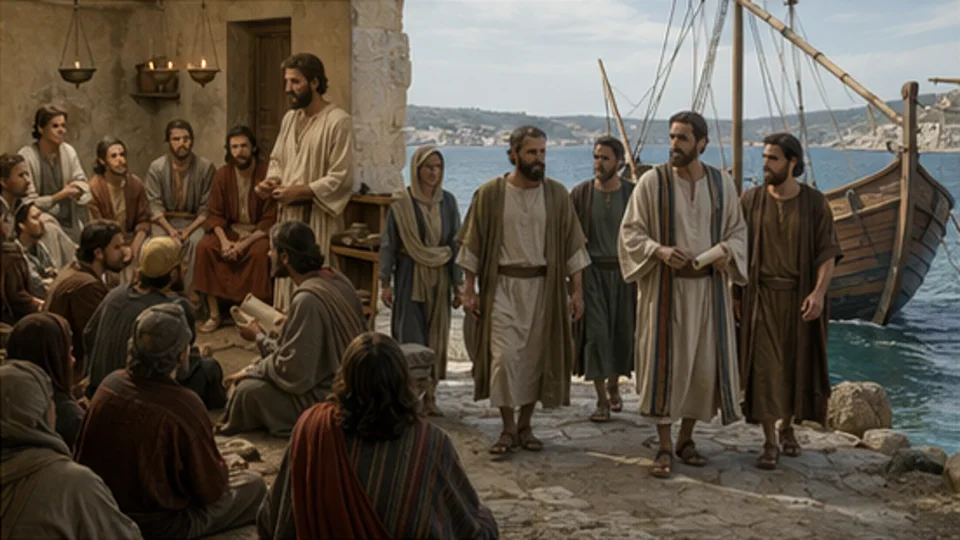
Pentecost, missionary travel and house churches carried the Christian message from Jerusalem through Asia Minor, Greece and Rome.

Open dossier ↗
64–311 CEEurope · FaithChristian persecution before Constantine

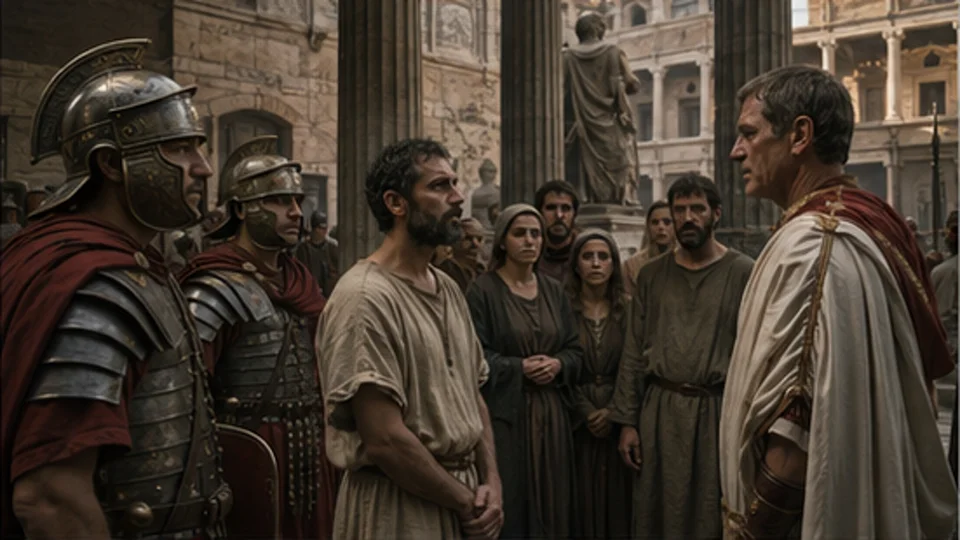
Persecution varied by place and period, from Nero’s violence at Rome to empire-wide coercion under Decius and Diocletian.

Open dossier ↗
70 CEMiddle East · WarDestruction of Jerusalem

Roman forces under Titus captured Jerusalem and destroyed the Second Temple in 70 CE during the Jewish revolt, which had begun in 66; resistance continued elsewhere after the city's fall.

Open dossier ↗
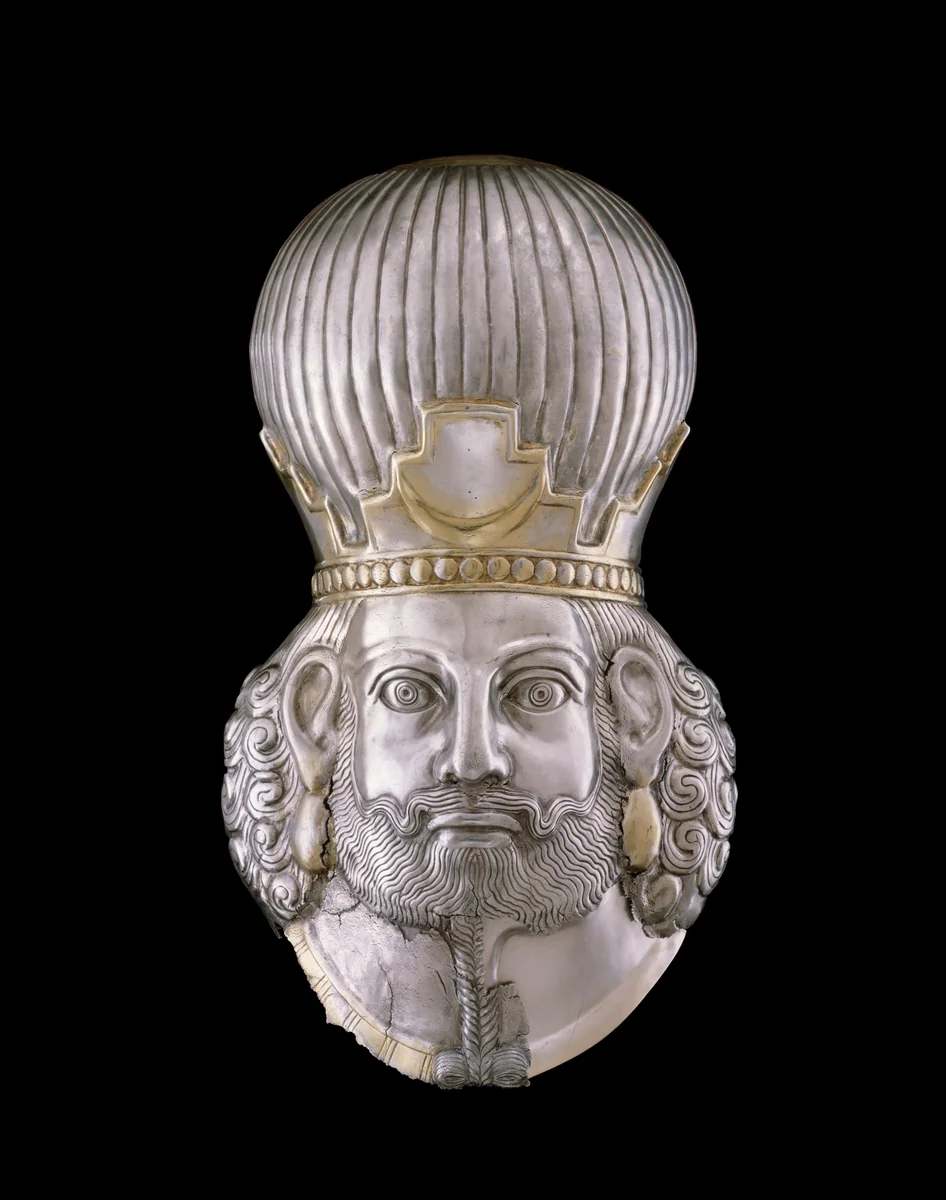
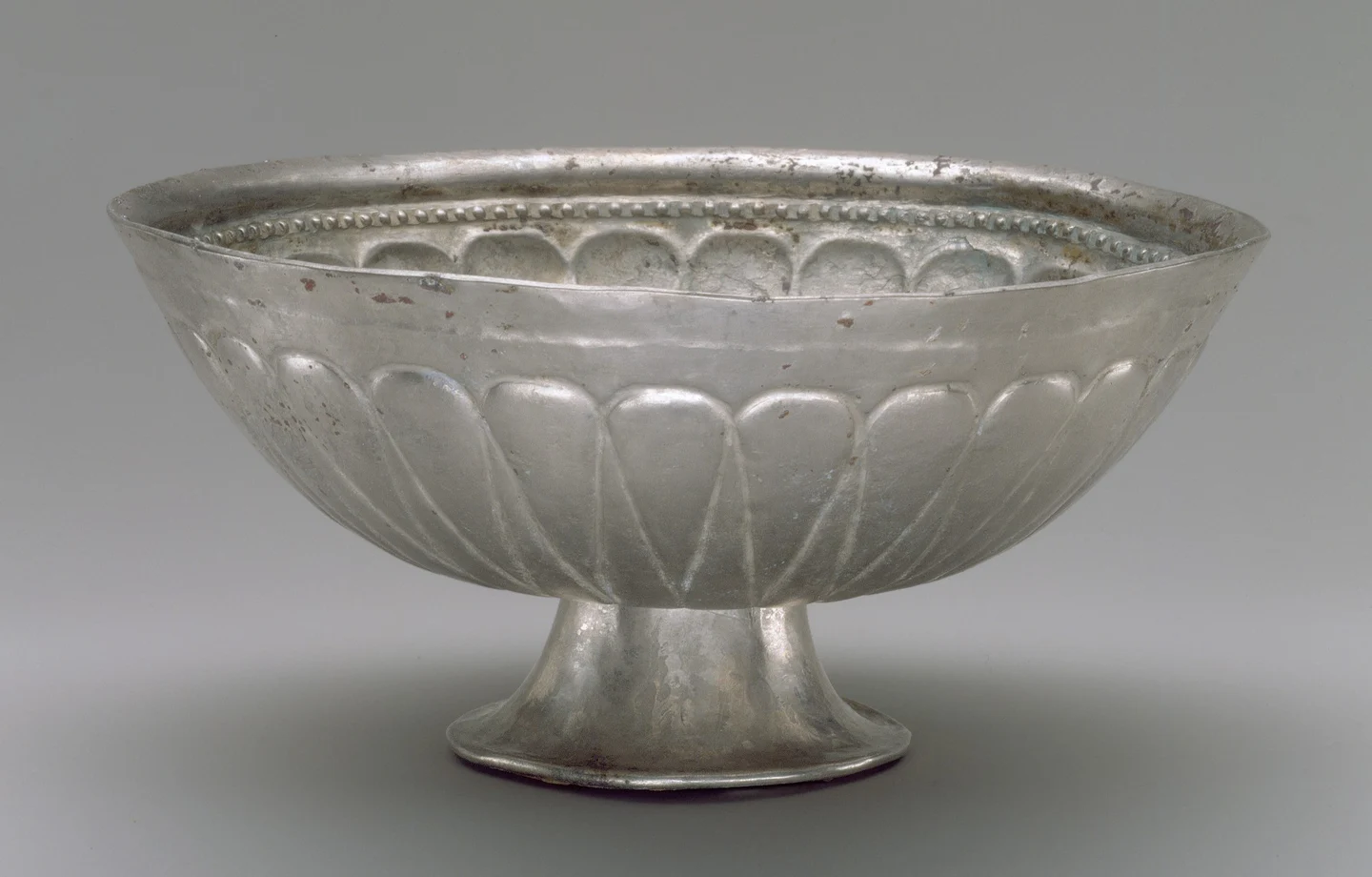
224–651 CEMiddle East · EmpireSasanian Iran: kingship, craft and exchange

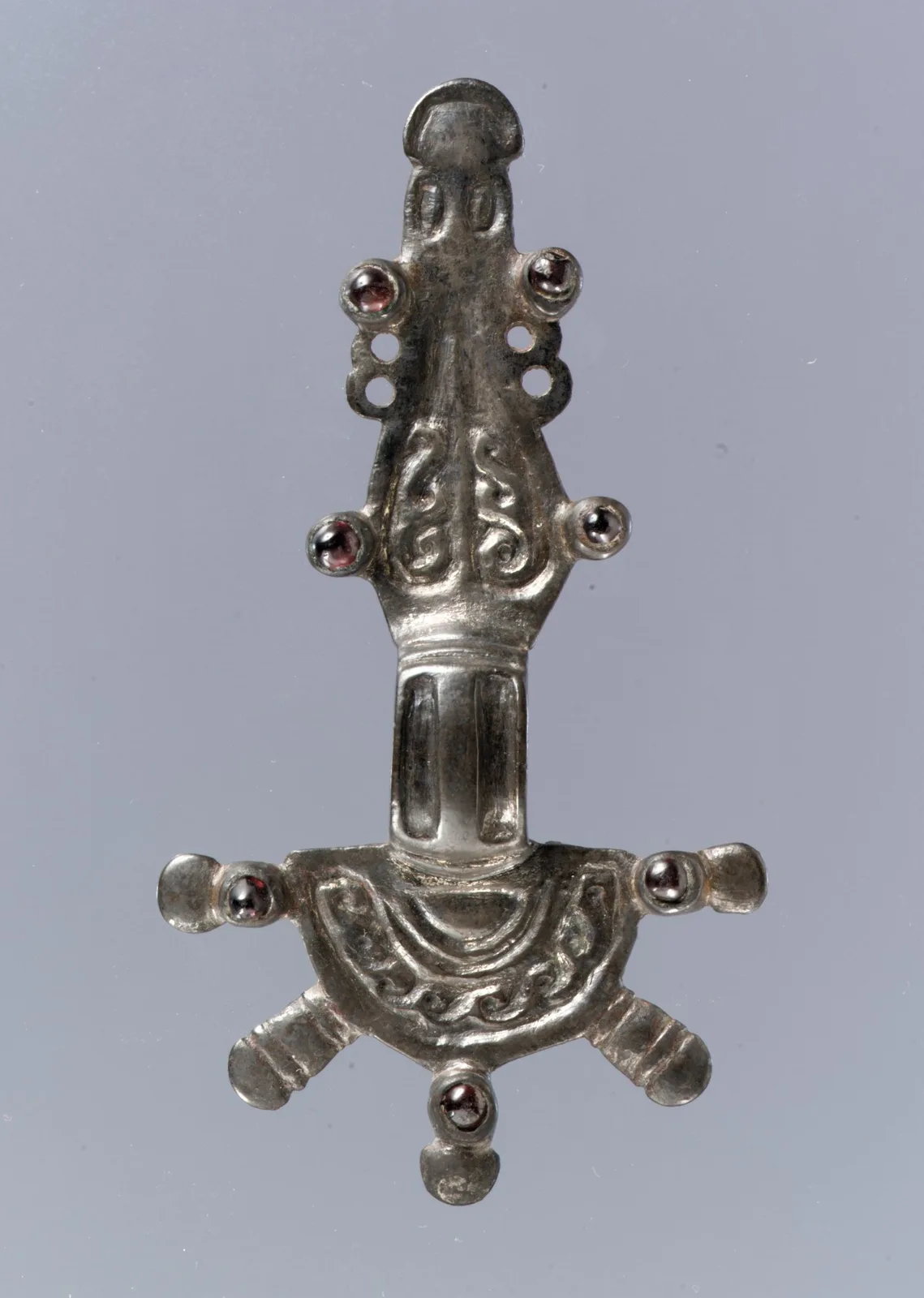
Between the Parthian and early Islamic periods, Sasanian rulers built a major Iranian empire. Silverwork, court imagery and exchanges with neighbouring societies reveal more than its wars with Rome.

Open dossier ↗
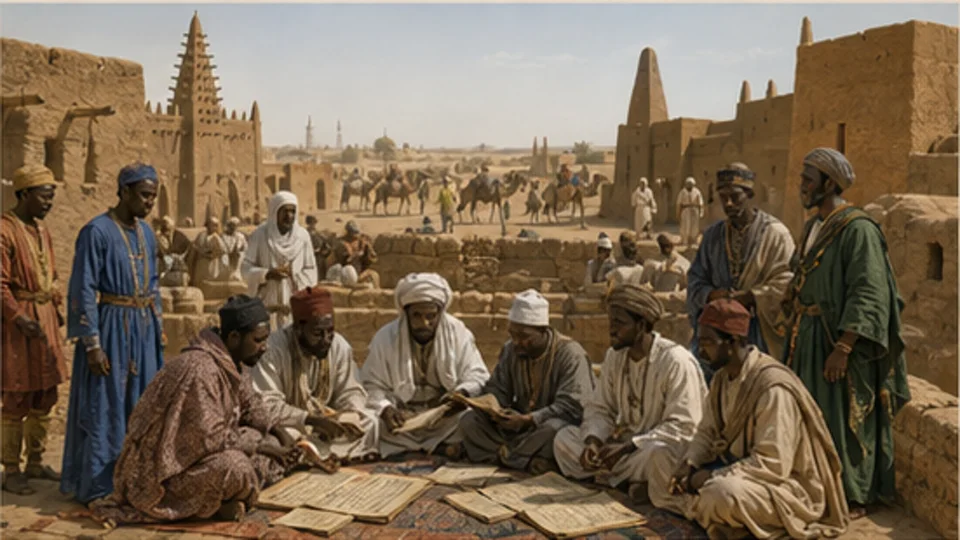
300–1200 CEAfrica · TradeGhana / Wagadu: a Sahelian empire before Mali

Ancient Ghana, also called Wagadu, developed in the western Sahel. Its history belongs alongside Mali and Songhai, and is distinct from the modern republic of Ghana.

Open dossier ↗
300–1871 CEEurope · EmpireRome, the migrations and the long making of Europe

Invasions, settlements and changing alliances transformed Roman Europe. Medieval kingdoms and modern European states emerged through further centuries of political change.

Open dossier ↗
300–800 CEAsia · TradeSogdiana: cities, merchants and the Silk Roads

Sogdian communities helped connect Central Asia with China and the steppe. Their history includes farming, urban life, languages and artistic exchange—not only caravans crossing an empty landscape.

Open dossier ↗
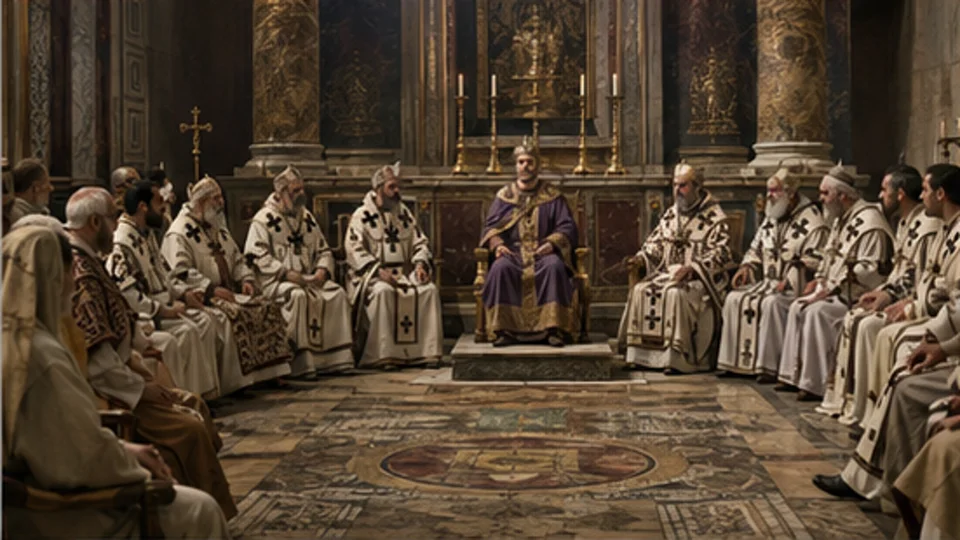
313–325 CEEurope · FaithMilan to Nicaea

Constantine and Licinius extended religious toleration and restored Christian property in 313, following Galerius's edict of 311. Constantine convened Nicaea in 325 to address disputes over the Son's relationship to the Father; controversy continued afterward.

Open dossier ↗
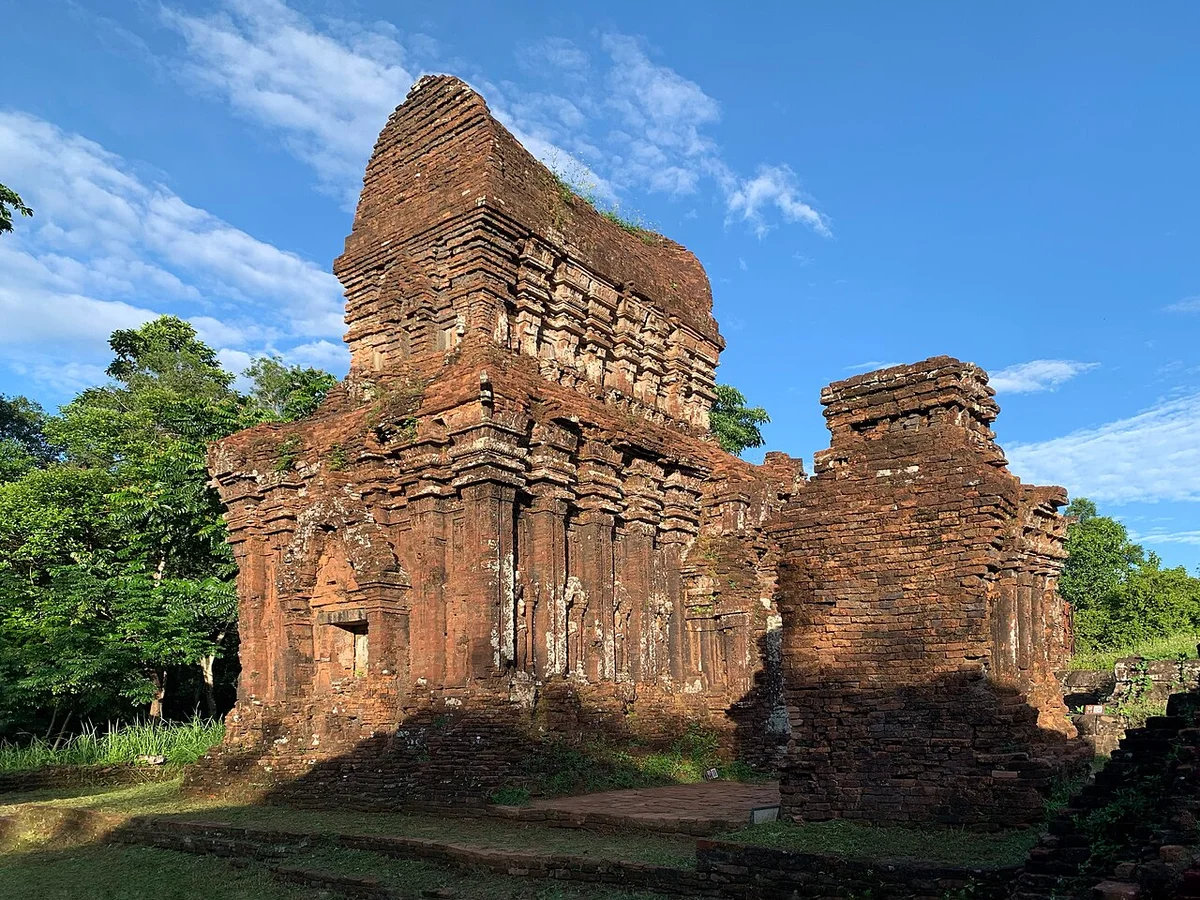
400–1945 CEAsia · EmpireVietnam’s historic landscapes: Champa, Đại Việt and Huế

Vietnam’s earlier history includes distinct kingdoms and changing centres of power. Mỹ Sơn, Thăng Long and Huế offer three different windows onto religion, government and the making of urban landscapes.

Open dossier ↗
476 CEEurope · EmpireEnd of the Western Roman Empire

Odoacer deposed Romulus Augustulus in Italy in 476, a conventional marker for the end of the Western Roman Empire. Roman institutions endured in successor kingdoms, while the Eastern Roman Empire continued from Constantinople.

Open dossier ↗
493–554 CEEurope · FaithJustinian, the three kingdoms and the papacy

The fall of Odoacer, the Vandal kingdom and Ostrogothic rule belongs to several campaigns. Protestant historicist readings connect these events to Daniel 7; the military chronology needs its own careful account.

Open dossier ↗
610–750 CEMiddle East · FaithRise and early spread of Islam

Muhammad’s preaching in Arabia, the Hijra and the formation of a Muslim community were followed by caliphal conquests across the Byzantine and Sasanian worlds, North Africa and Iberia.

Open dossier ↗
618–1279 CEAsia · TechnologyTang and Song China

Tang (618–907) and Song (960–1279) were separate dynasties, divided by the Five Dynasties and Ten Kingdoms era. Their changing societies developed major cities, commercial networks, printing, technical knowledge and distinctive scholarly and artistic traditions.

Open dossier ↗
622–1258 CEMiddle East · ScienceIslamic expansion and Golden Age

Muslim-ruled societies connected trade and scholarship from Iberia to Central Asia; scholars advanced mathematics, astronomy, medicine and philosophy.

Open dossier ↗
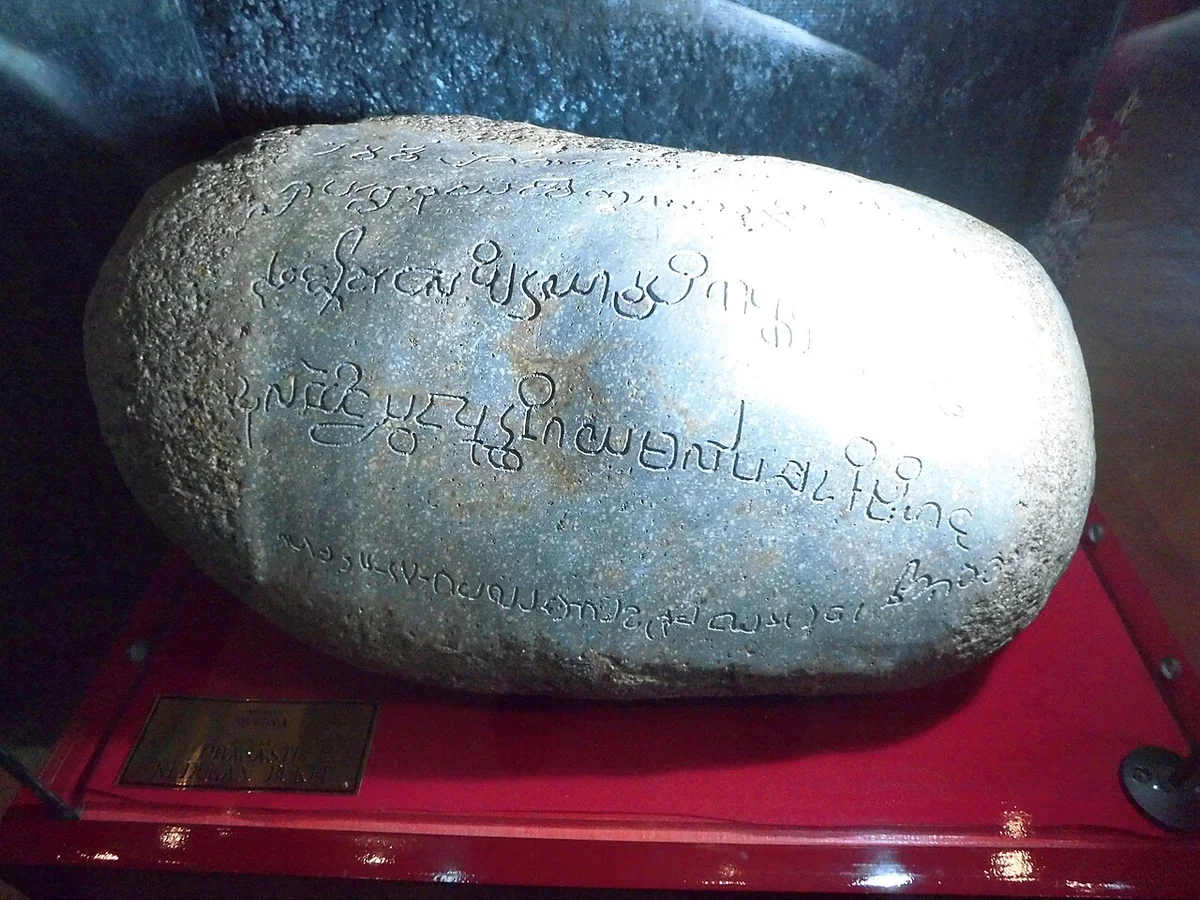
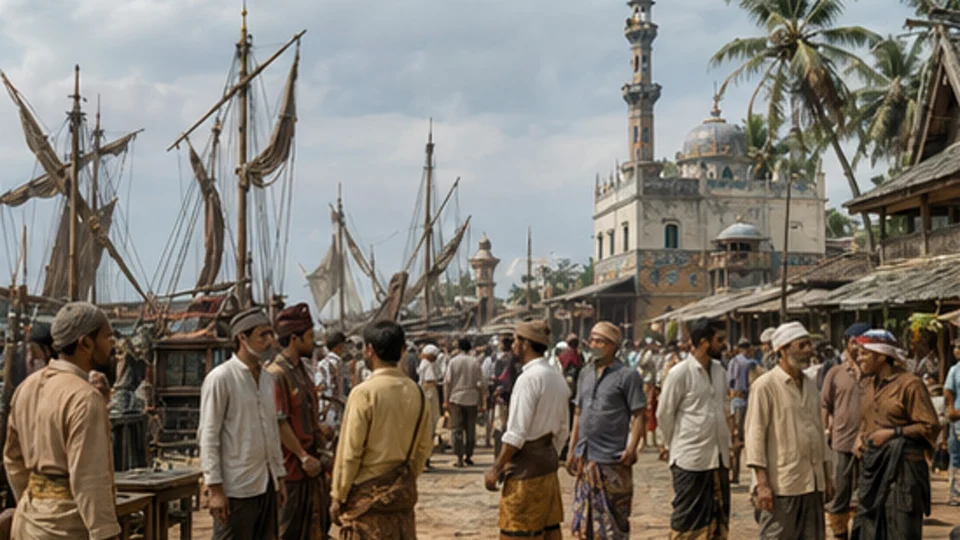
650–1300 CEAsia · TradeSrivijaya: rivers, seaways and Buddhist learning in early Indonesia

Early Indonesian history was shaped by river communities, ports and religious journeys. Srivijaya connected southern Sumatra to wider Asian exchange without resembling a modern nation with fixed borders.

Open dossier ↗
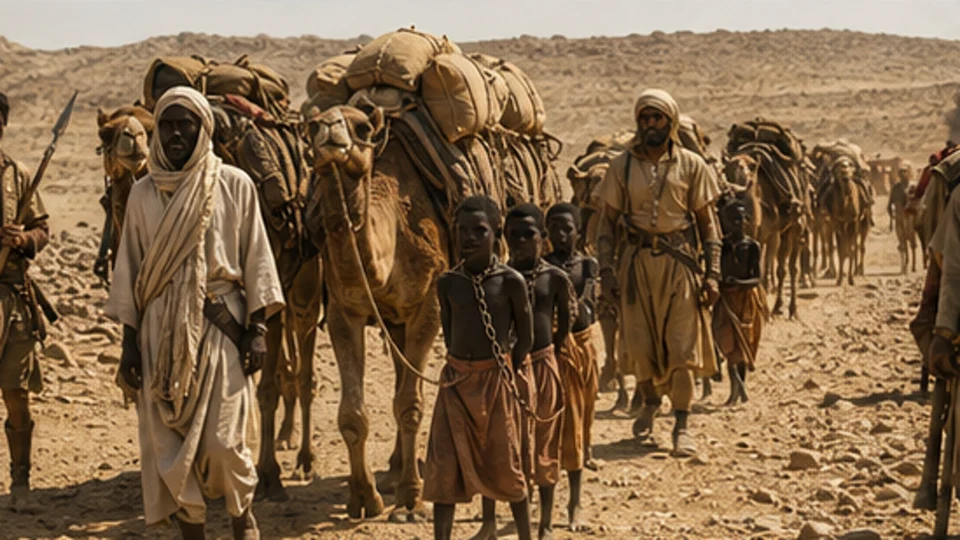
c. 650–early 1900s CE · regional surveyAfrica · TradeTrans-Saharan trade and enslavement

Caravan routes exchanged gold, salt, textiles, books and other goods between North and West Africa; enslaved Africans were also transported northward through Saharan networks over many centuries.

Open dossier ↗
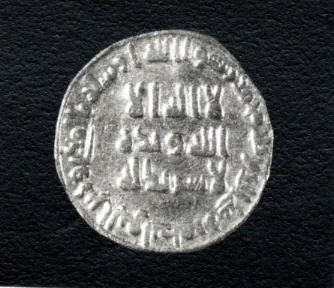
692–705 CEMiddle East · TradeUmayyad coinage: reform, belief and exchange

A small gold coin records a major change in official imagery: Arabic religious inscriptions replaced inherited imperial designs.

Open dossier ↗
700–900 CEAsia · FaithBorobudur: Buddhist architecture in Java

Built in central Java during the eighth and ninth centuries, Borobudur combines terraces, reliefs and stupas in a monumental expression of Buddhist cosmology.

Open dossier ↗
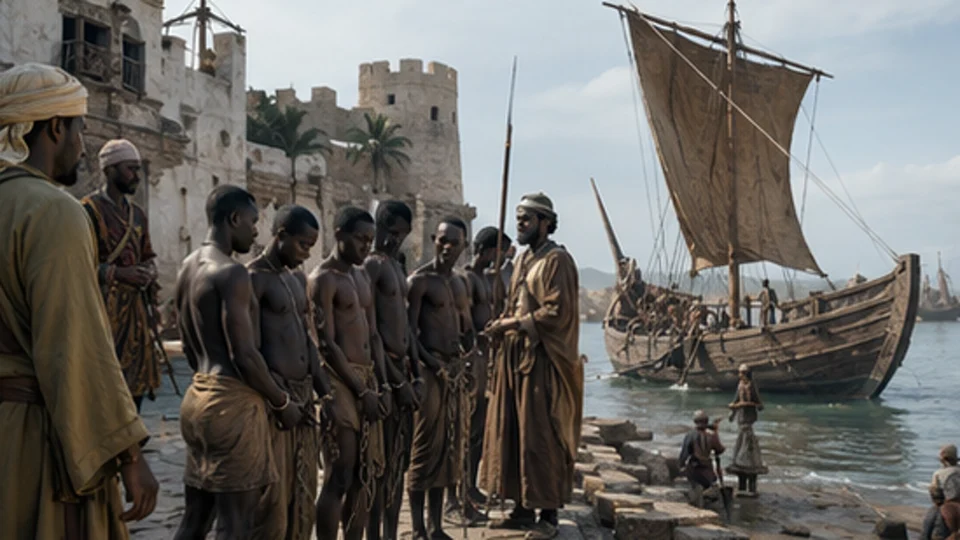
c. 700–early 1900s CE · regional surveyAfrica · TradeIndian Ocean and East African slave trades

Interconnected Red Sea and Indian Ocean systems moved commodities and enslaved people among East Africa, Arabia, Persia, India and island societies; Zanzibar became a major nineteenth-century hub.

Open dossier ↗
711–1600 CE · selected regional surveyGlobal · FaithIslam spreads across Africa and Asia

Muslim rule and belief expanded through conquest, diplomacy, scholarship, Sufi networks and maritime trade into West and East Africa, Central and South Asia, and island Southeast Asia.

Open dossier ↗
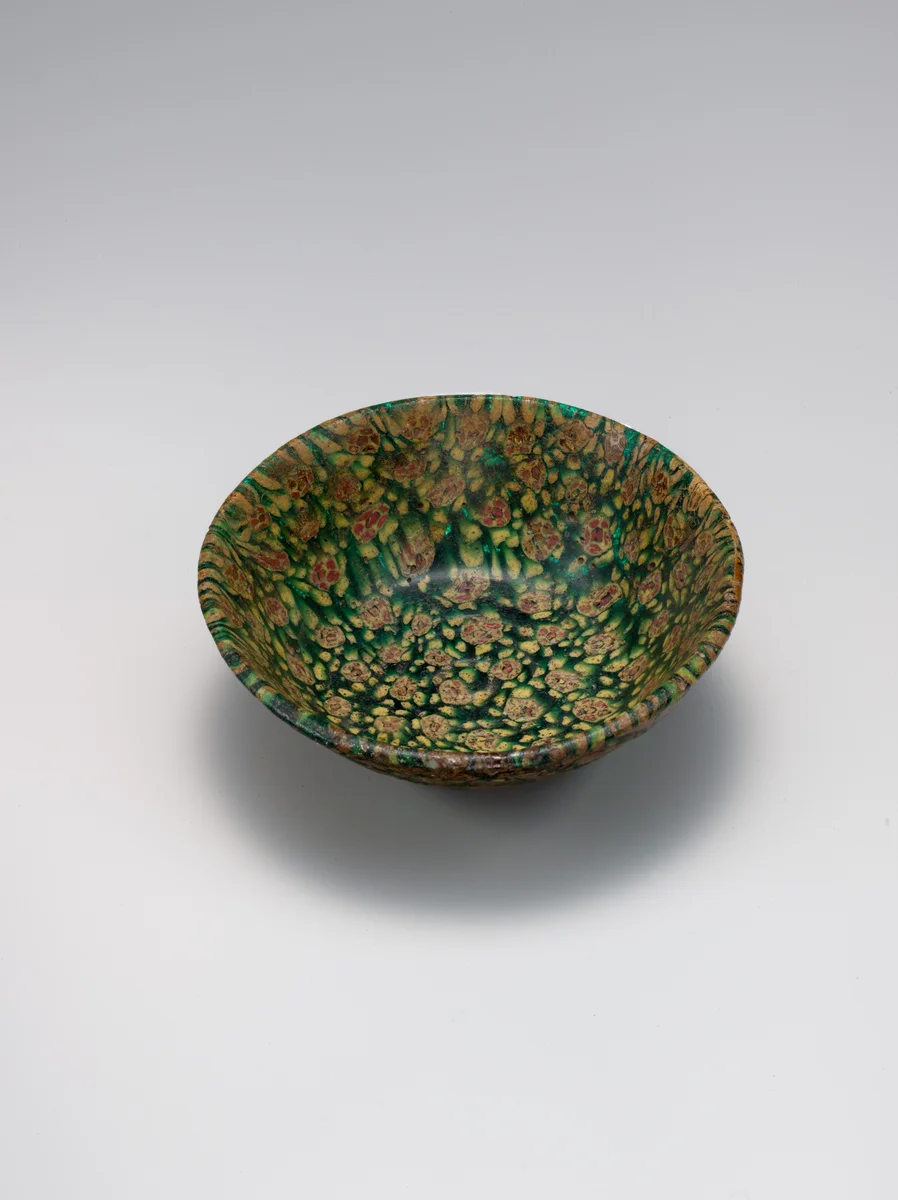
750–1258 CEMiddle East · CultureAbbasid Iraq: cities, skilled craft and learning

Baghdad and Samarra brought political patronage, specialised crafts and intellectual life into new urban settings. Surviving glass and architectural decoration illuminate a history that extends beyond dynastic succession.

Open dossier ↗
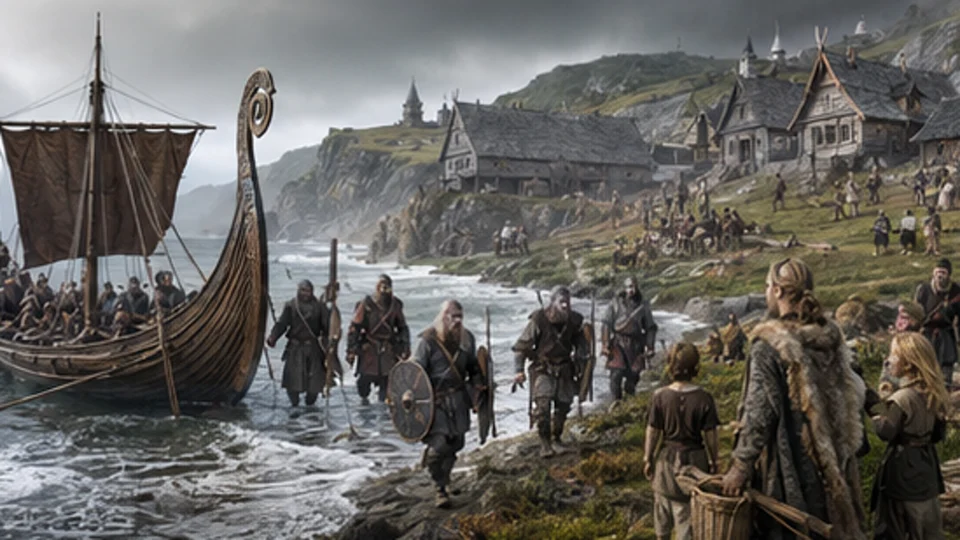
793–1066 CEEurope · TradeViking expansion and Scandinavian worlds

Norse raiders, traders and settlers crossed the North Atlantic, entered river routes toward Byzantium and established communities from Ireland and Normandy to Iceland and Greenland.

Open dossier ↗
794–1185 CEAsia · CultureHeian Japan: court writing, belief and artistic worlds

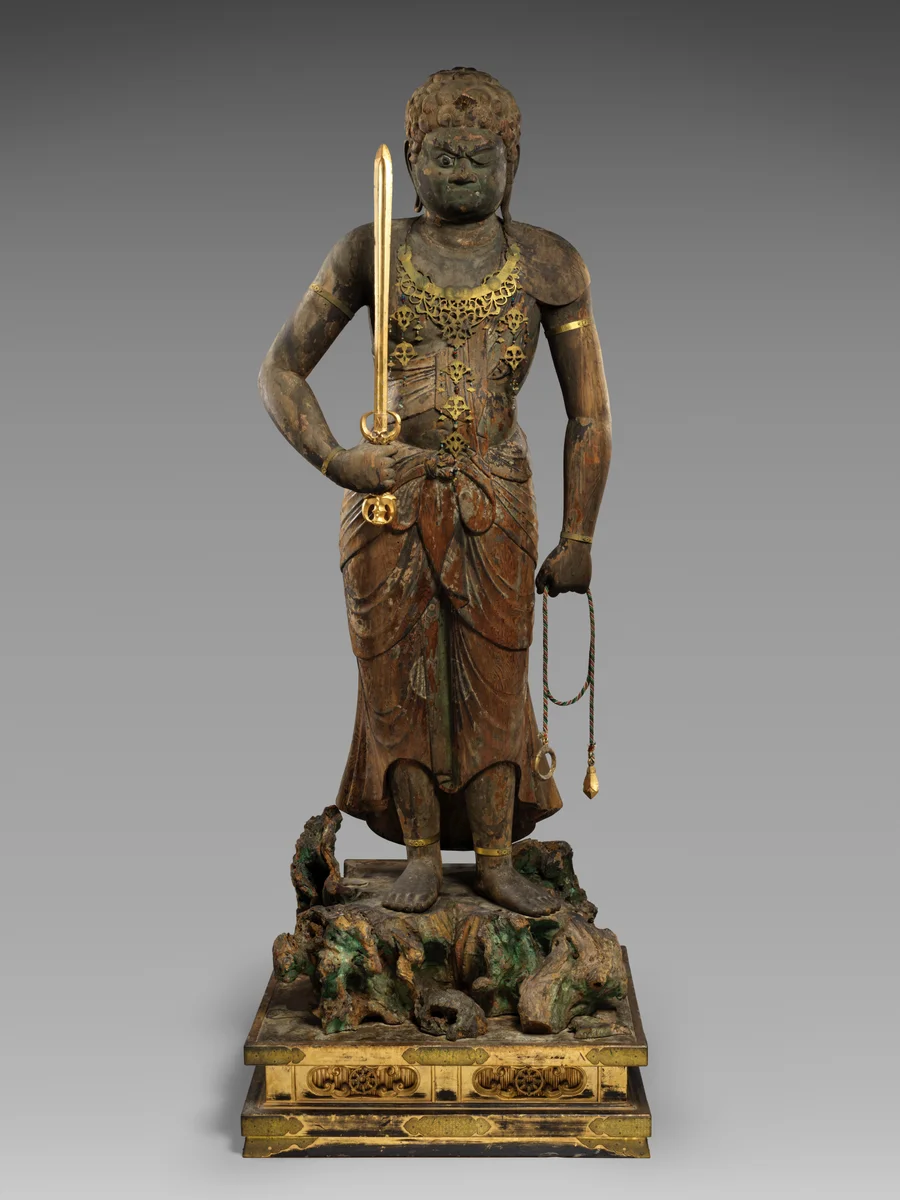
Before the familiar image of samurai rule, Heian Japan developed influential literary and religious traditions. Court diaries, narrative fiction and Buddhist sculpture offer different kinds of evidence, not one uniform picture of society.

Open dossier ↗
800–1500 CEAsia · EmpireAngkor: Khmer cities, water and religious change

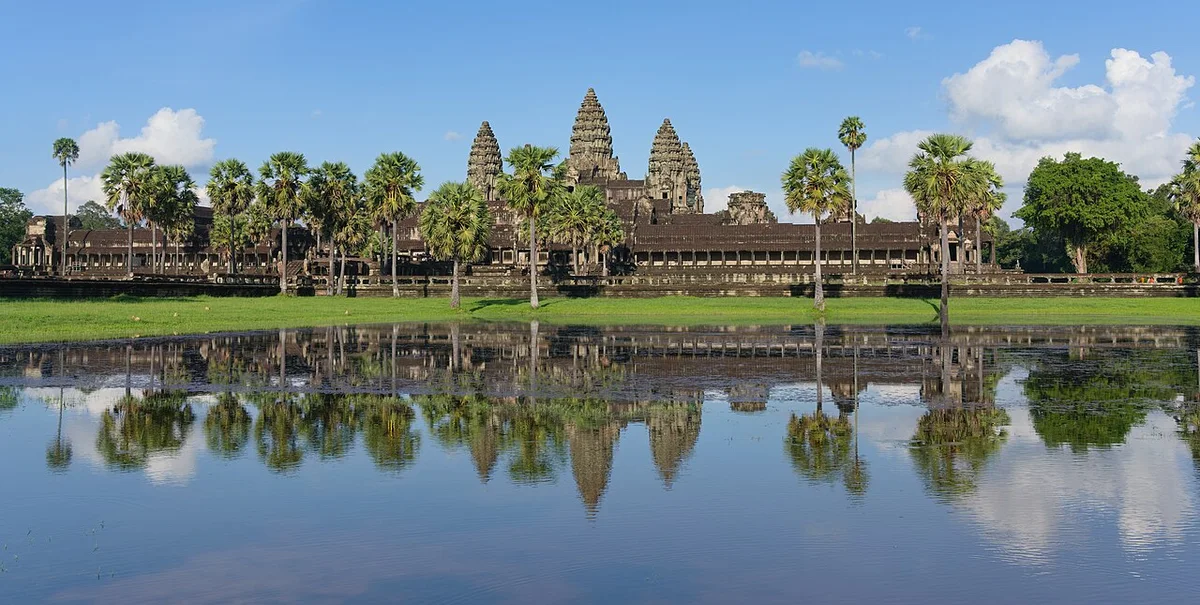
Cambodia’s history includes centuries of Khmer urban life before the twentieth-century catastrophes. Angkor connects monumental temples with water infrastructure, agriculture and changing religious traditions.

Open dossier ↗
880–1279 CEAsia · CultureChola Tamil country: living temples, bronze images and poetry

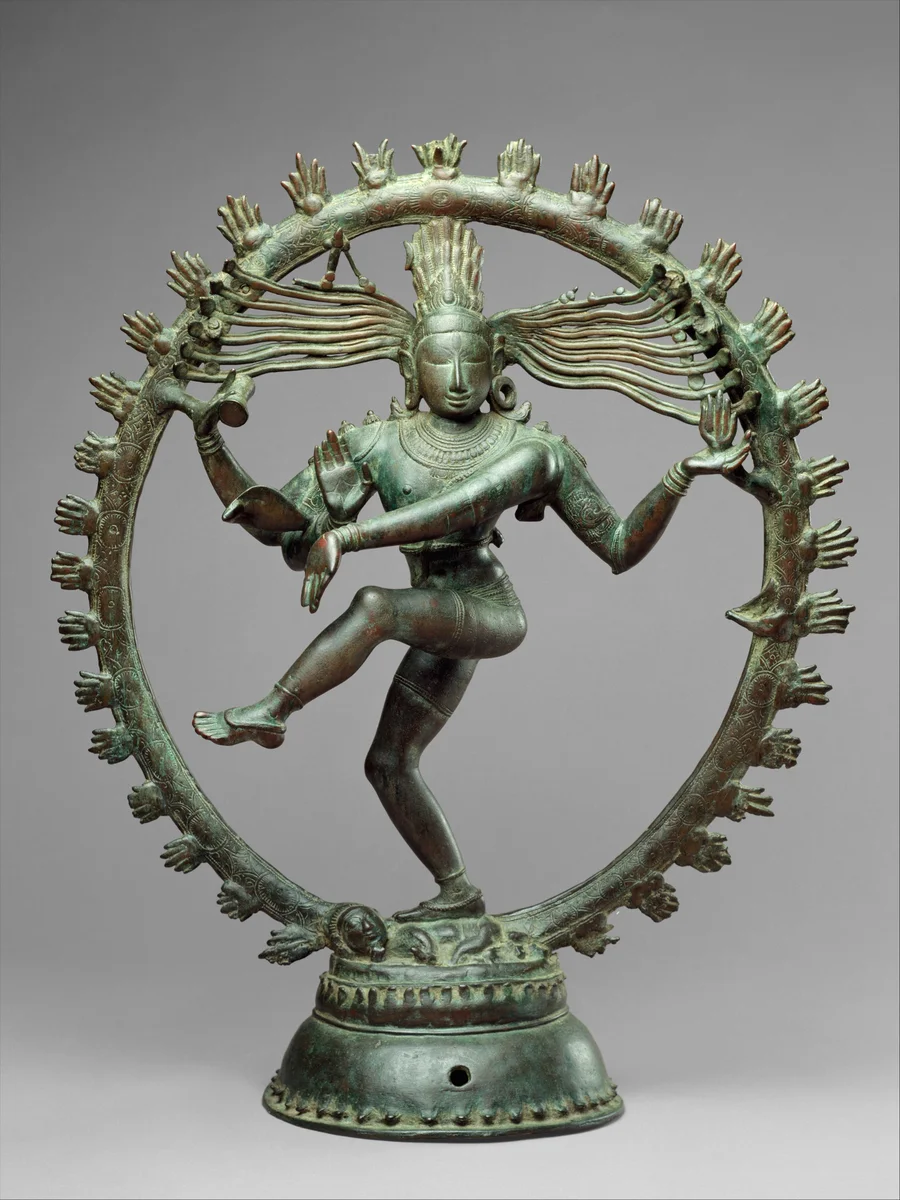
South Indian history includes powerful regional courts and living traditions of worship, poetry and skilled metalwork. Chola temples and bronze images offer a picture-led route into Tamil cultural history.

Open dossier ↗
900–1500 CEAfrica · TradeKilwa and the Swahili worlds of the Indian Ocean

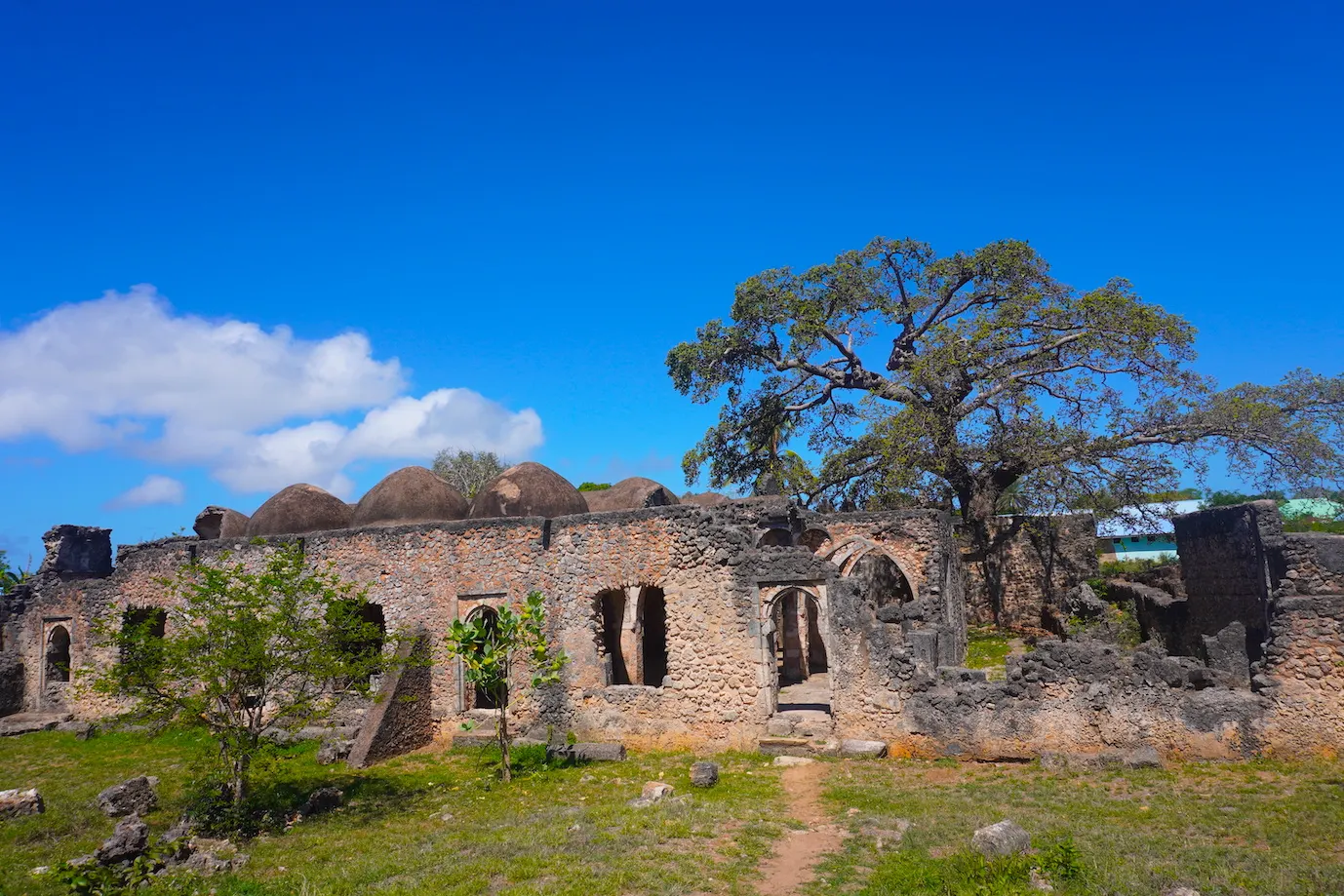
Kilwa Kisiwani and neighbouring settlements reveal an African coastal history connected to commerce, architecture and political networks across the Indian Ocean.

Open dossier ↗
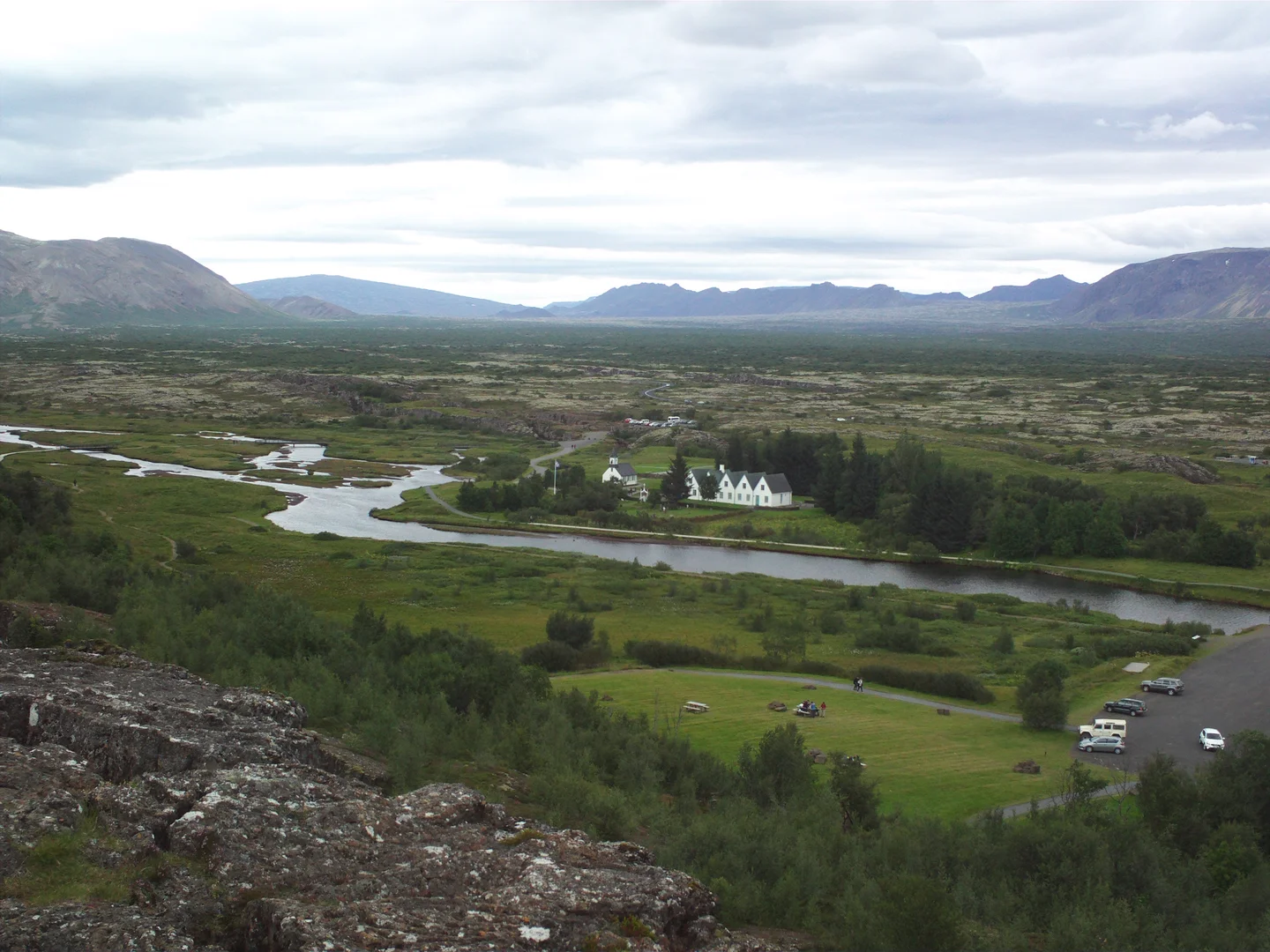
930–1944 CEEurope · RightsIceland: assembly, social life and the road to a republic

Þingvellir links Iceland’s medieval assembly, seasonal gatherings and later independence movement. Its long history includes institutional breaks and changing powers—not an unchanged modern democracy lasting a millennium.

Open dossier ↗
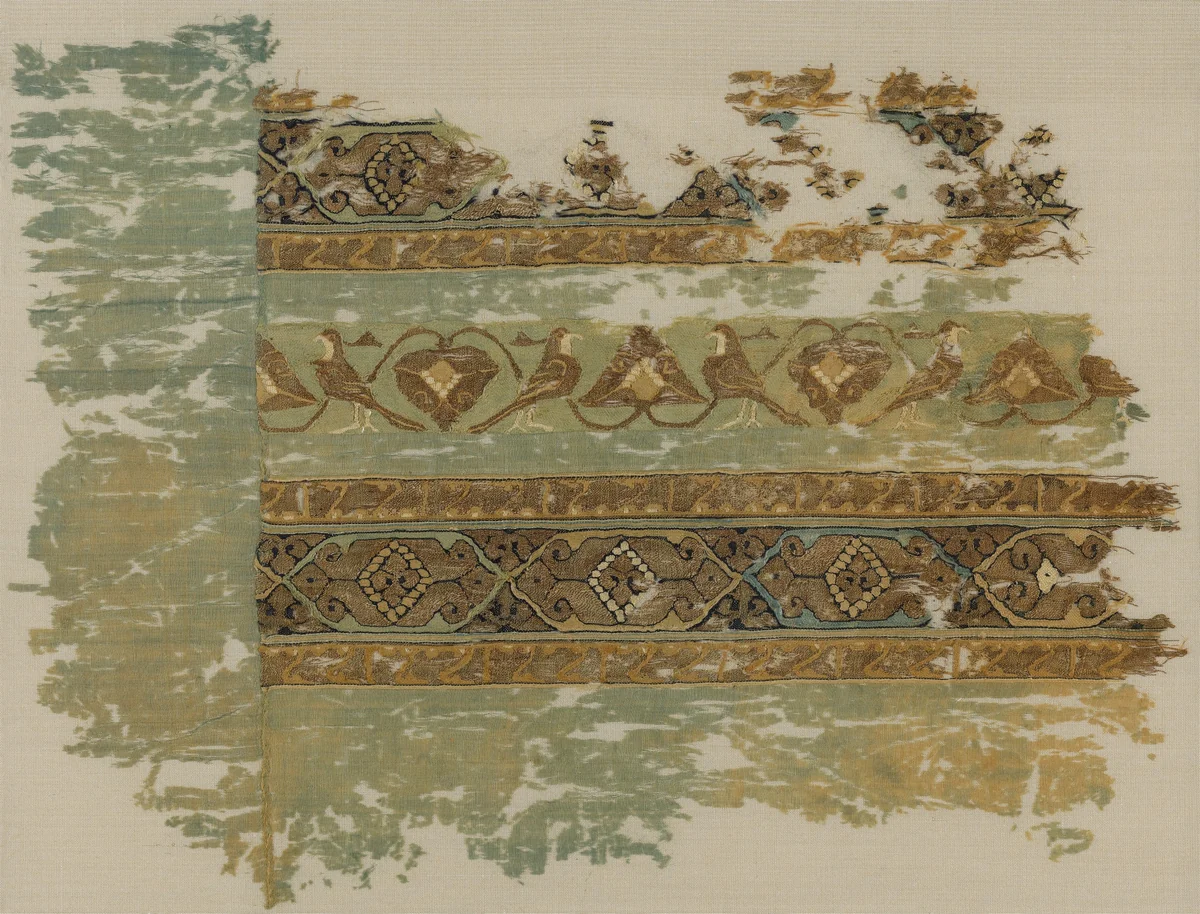
969–1171 CEAfrica · TradeFatimid Egypt: textiles, court gifts and trade

A silk fragment opens a history of Cairo’s court, diplomatic gifts and the wider Egyptian economy, without mistaking luxury for ordinary life.

Open dossier ↗
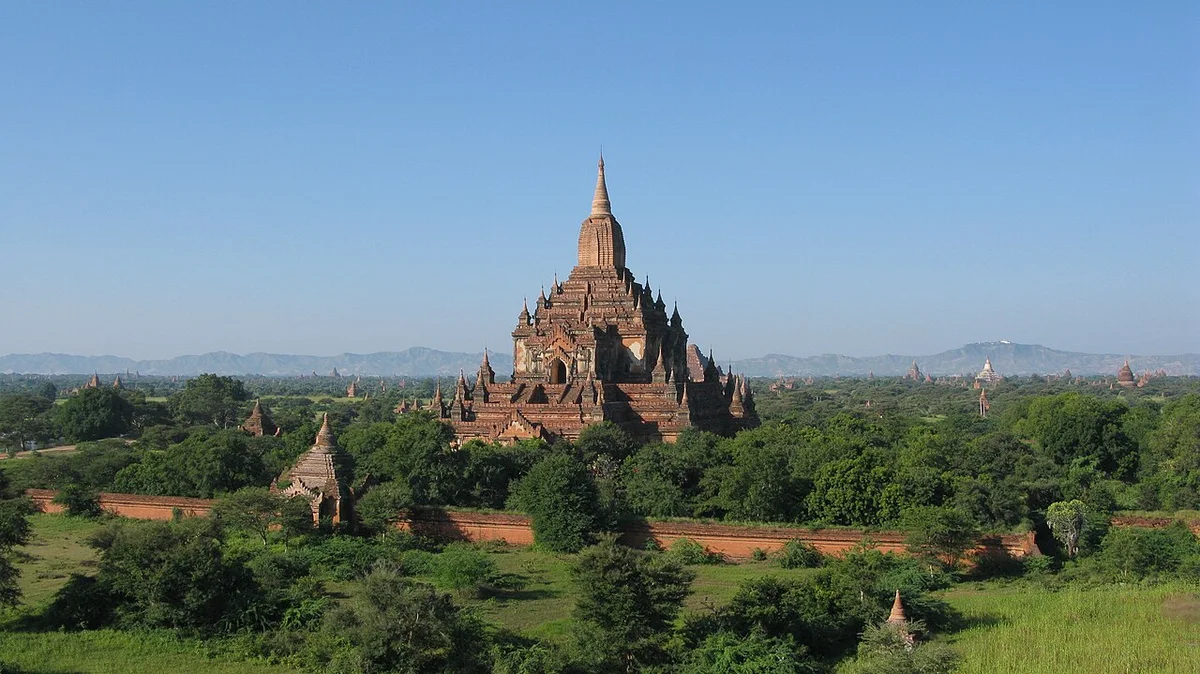
1000–1300 CEAsia · FaithBagan: Buddhism, patronage and a living landscape in Myanmar

Bagan’s temples open a history of religious giving, political authority and artistic work beside the Ayeyarwady River. Myanmar’s past extends far beyond its modern conflicts.

Open dossier ↗
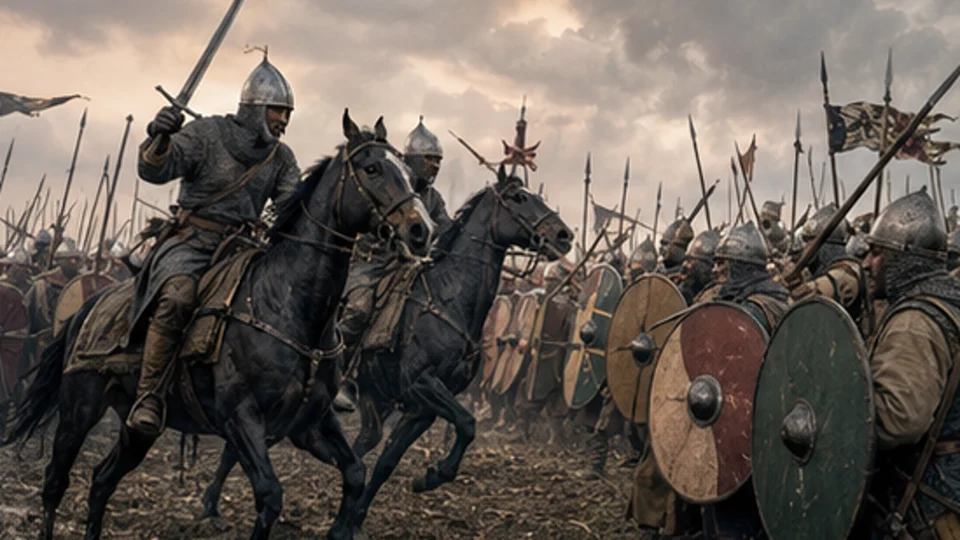
1066 CEEurope · EmpireNorman Conquest of England

William of Normandy defeated Harold II at Hastings and imposed a new ruling elite through castles, land redistribution and violent campaigns.

Open dossier ↗
1095–1291 CEMiddle East · WarCrusades and Mediterranean worlds

Latin Christian expeditions, Muslim powers, Byzantines and local communities fought over territory and sacred places while commerce continued across frontiers.

Open dossier ↗
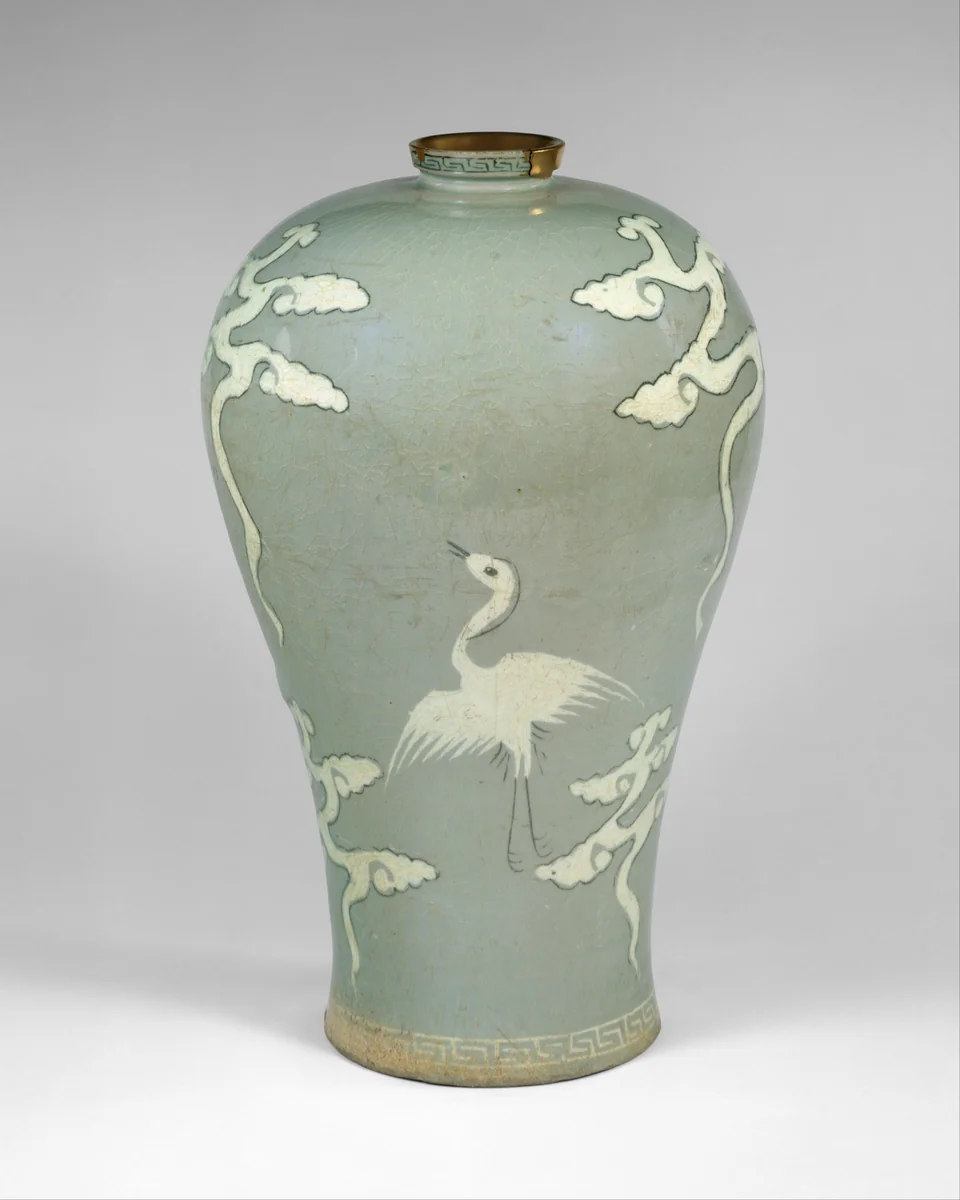
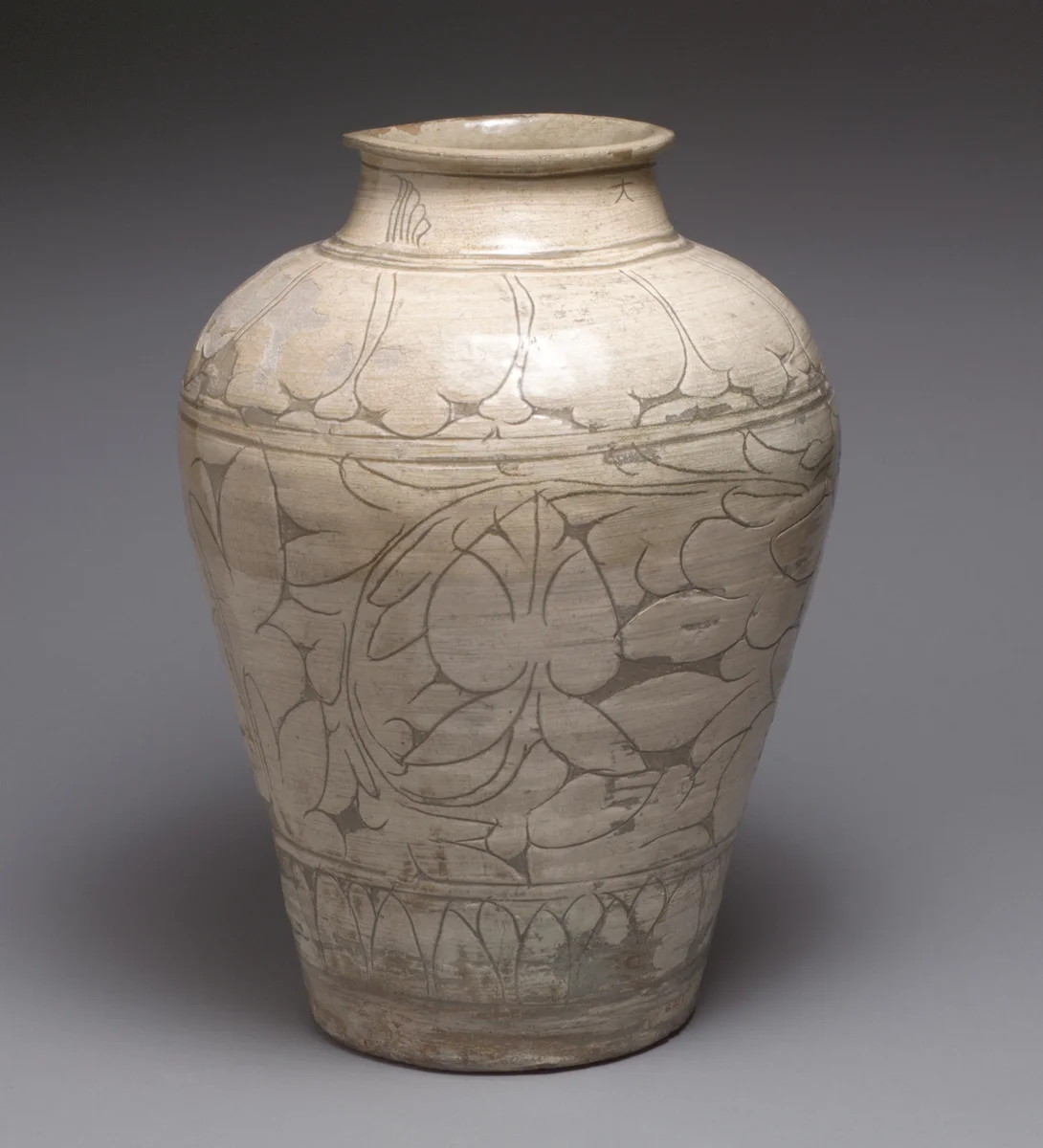
1100–1392 CEAsia · CultureGoryeo Korea: celadon, workshops and collecting

Green-glazed vessels connect regional workshops and technical exchange with elite tastes and difficult questions about collecting the past.

Open dossier ↗
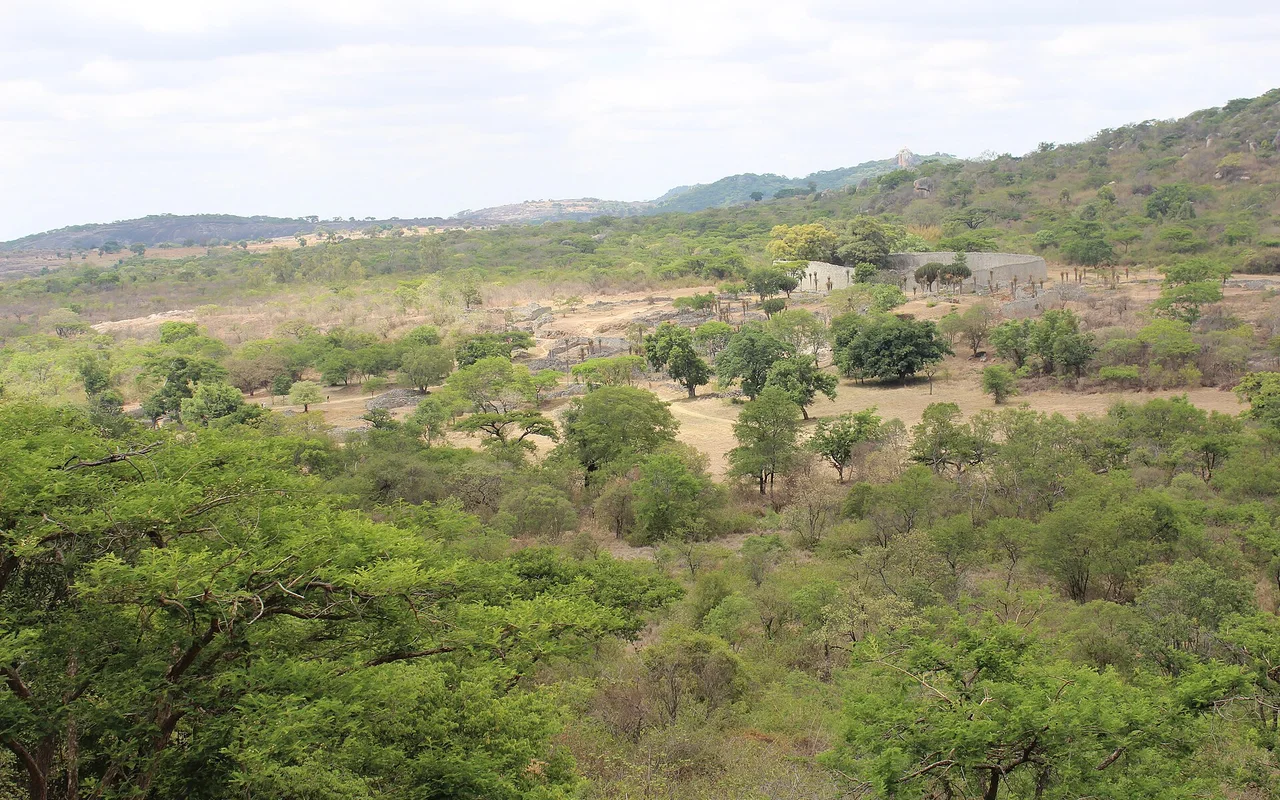
1100–1450 CEAfrica · TradeGreat Zimbabwe and southern African trade

Great Zimbabwe became the centre of a Shona-speaking state whose monumental dry-stone architecture and gold, cattle and trade networks connected the southern African interior to the Indian Ocean world.

Open dossier ↗
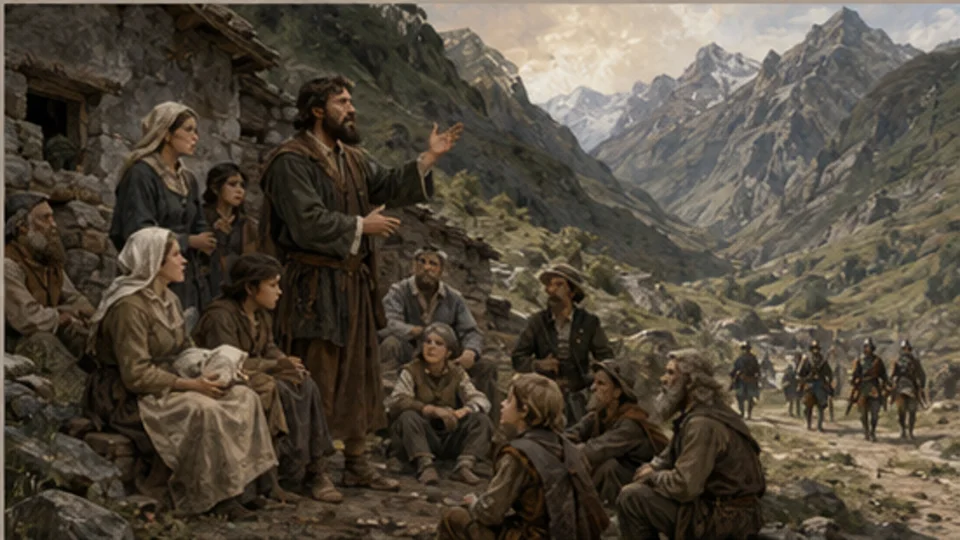
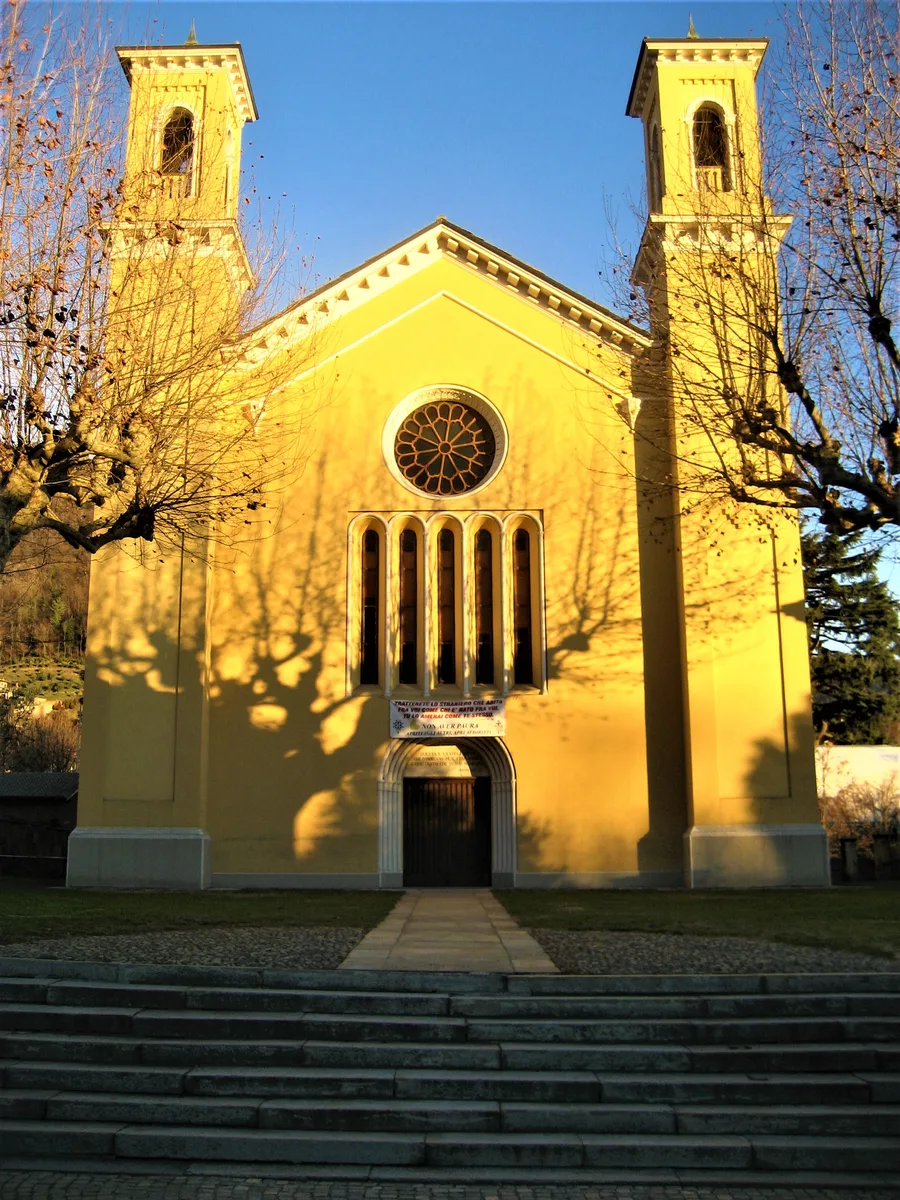
c. 1170–1848 CE · persecution and emancipationEurope · FaithWaldensian witness and persecution

A lay reform movement emphasizing Scripture and preaching survived condemnation, crusade, displacement and later massacres.

Open dossier ↗
1170–1848 CEEurope · FaithWaldensians: preaching, persecution and the limits of emancipation

From lay preaching in medieval Lyon to civil rights in Piedmont, Waldensian history connects religious conviction with changing institutions, exile, books and contested memories.

Open dossier ↗
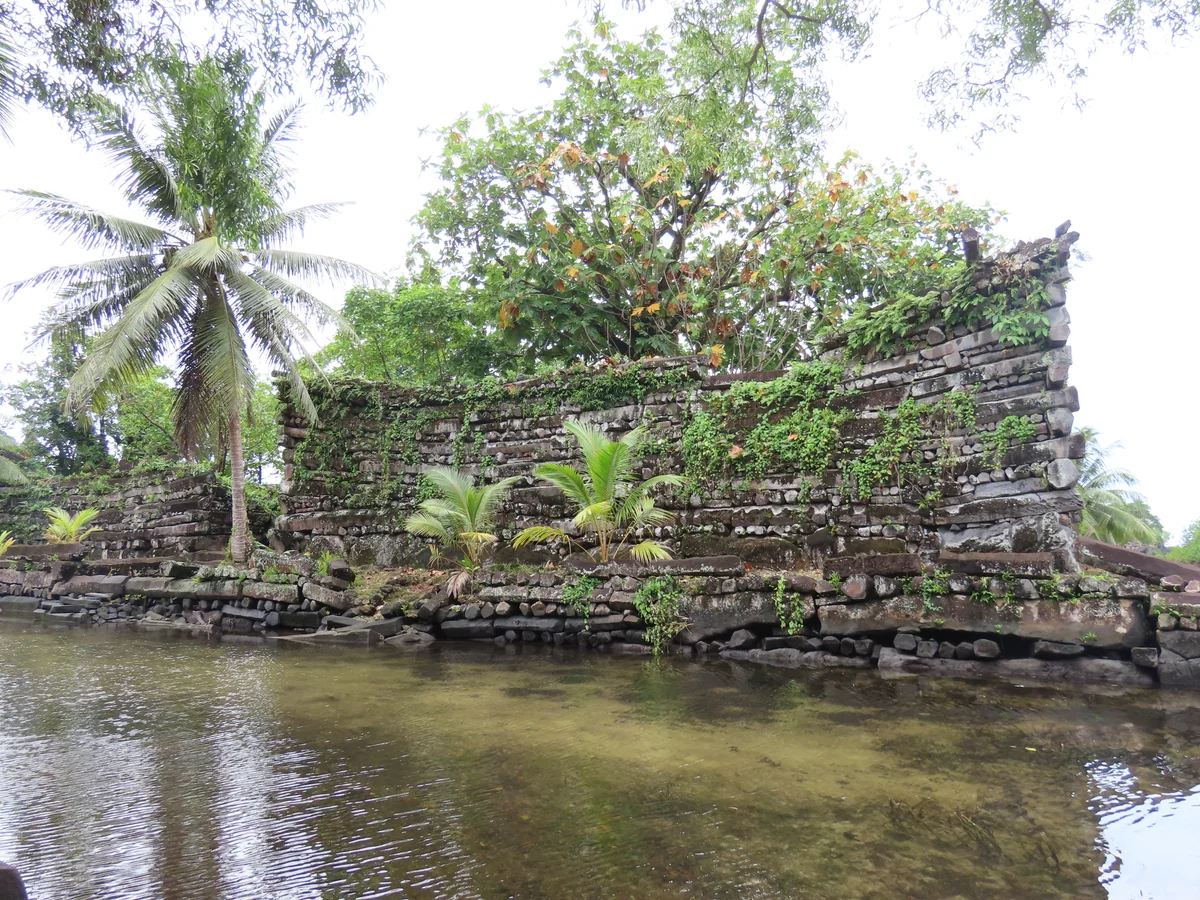
1200–1600 CEOceania · CultureNan Madol: Pohnpeian architecture and chiefly authority

Basalt walls, artificial islets and waterways at Nan Madol reveal a specifically Pohnpeian history of engineering, ceremony and political authority in Micronesia.

Open dossier ↗
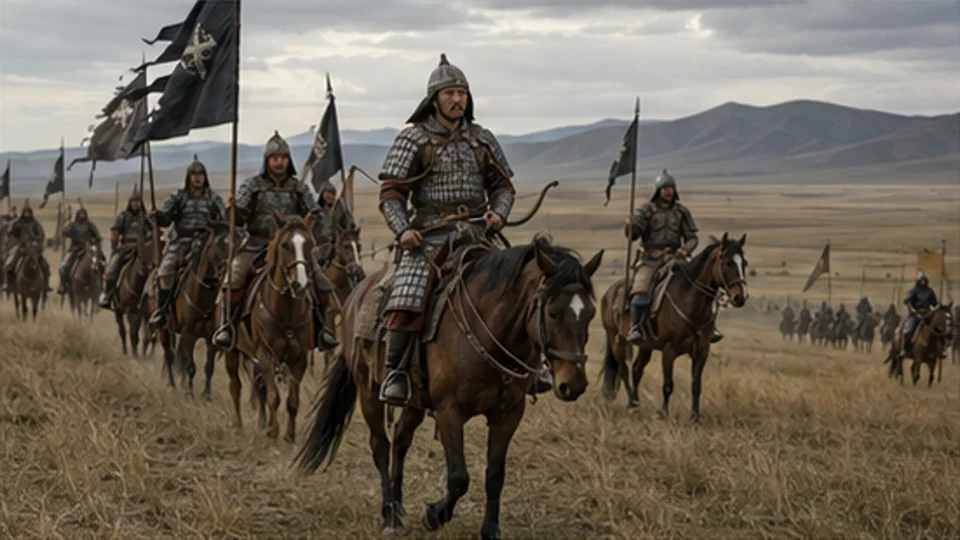
1206–1368 CE · expansion through Yuan rule in ChinaAsia · EmpireMongol expansions

Mongol armies created the largest contiguous land empire, devastating many societies while intensifying Eurasian exchange.

Open dossier ↗
c. 1230–1591 CE · imperial surveyAfrica · TradeMali and Songhai empires

Mali and Songhai were distinct, overlapping Sahelian powers. Mali's rise in the thirteenth century preceded Songhai's expansion under Sunni Ali from 1464; Morocco's invasion broke Songhai's imperial power in 1591. Farming, gold, taxation, trade and scholarship sustained these societies.

Open dossier ↗
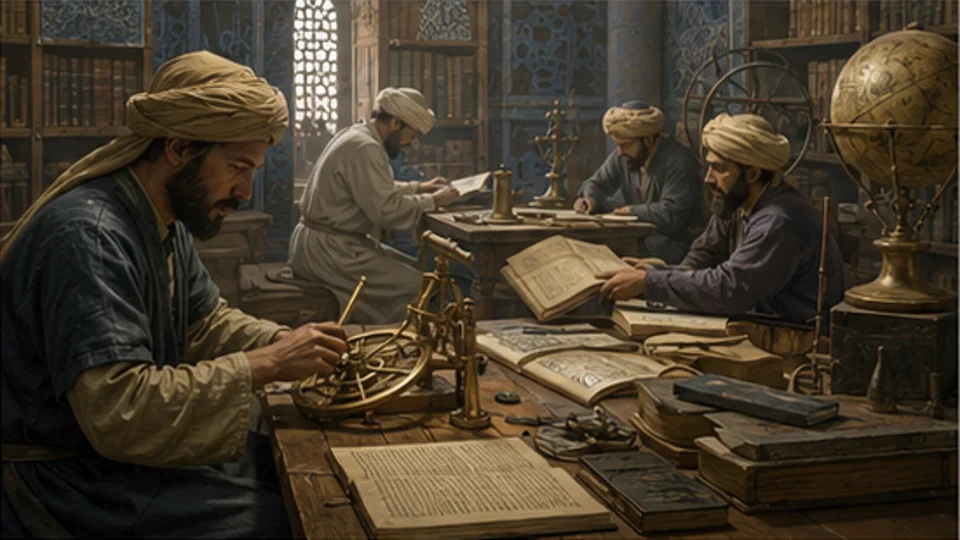
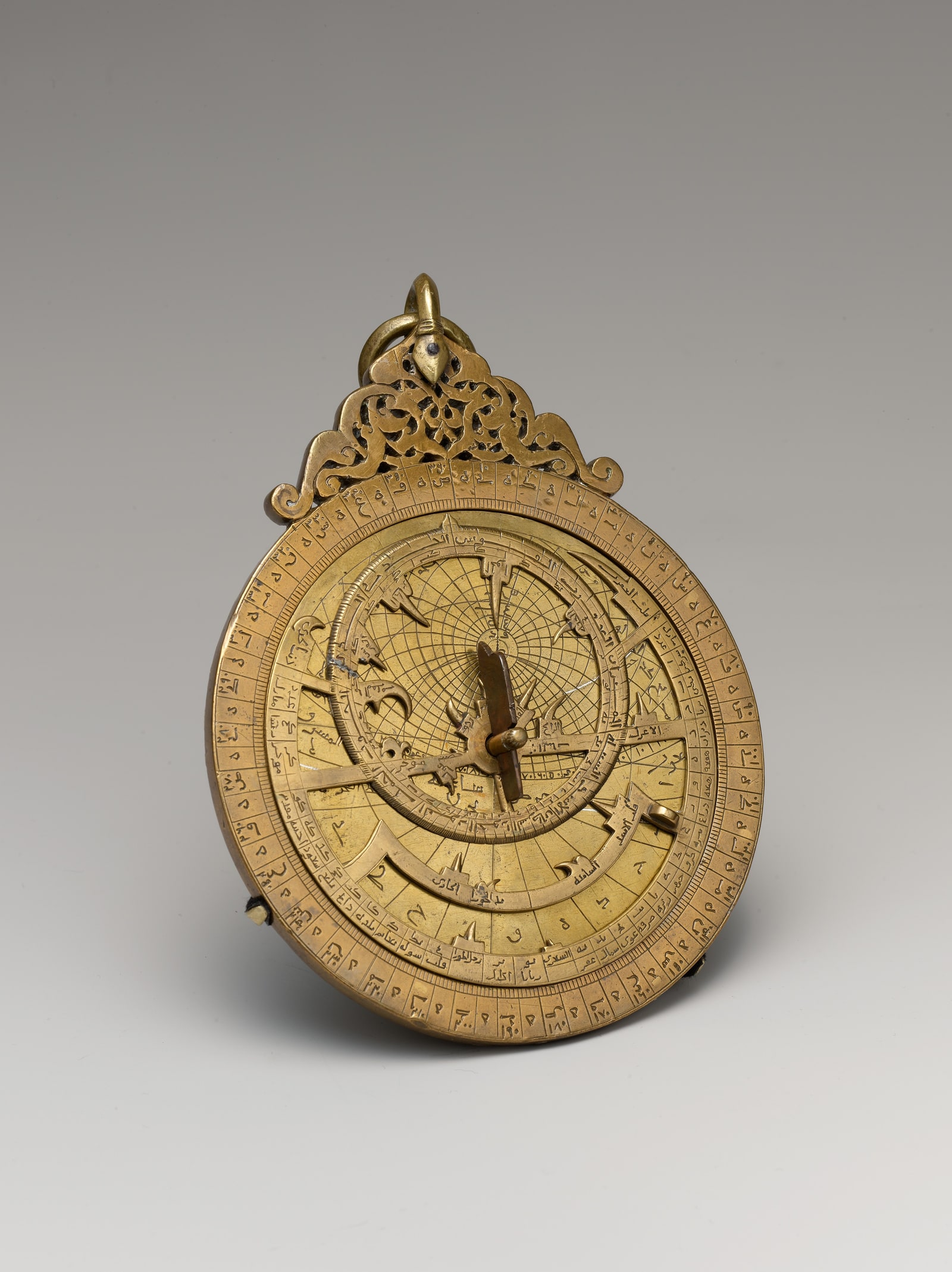
1291 CEMiddle East · ScienceAstrolabes, observation and astronomical knowledge

A surviving instrument made in Yemen in 1291 connects mathematical astronomy, skilled metalwork and religious practice. Its parts reveal knowledge that a decorative image alone cannot explain.

Open dossier ↗
c. 1299–1922 CE · changing imperial ruleMiddle East · EmpireOttoman Empire

An Anatolian principality became a multilingual empire spanning Southeast Europe, North Africa and the Middle East, governing vital cities and trade corridors for centuries.

Open dossier ↗
c. 1299–1922 CE · changing imperial ruleMiddle East · EmpireOttoman Empire: rise, expansion and dissolution

A frontier principality became a multiethnic empire spanning Anatolia, southeastern Europe, the Arab lands and North Africa before reform, nationalism, war and partition ended the sultanate.

Open dossier ↗
c. 1300–1600 CE · regional surveyEurope · ScienceRenaissance and humanism

Artists, scholars and patrons revisited classical learning while experimenting with perspective, anatomy, philology and new forms of civic culture.

Open dossier ↗
1300–1819 CEAsia · TradeSingapore before 1819: Temasek, trade and surviving evidence

Singapore did not begin with the British trading post. Archaeology and written traditions reveal a port connected to the wider Malay and Asian maritime world centuries earlier.

Open dossier ↗
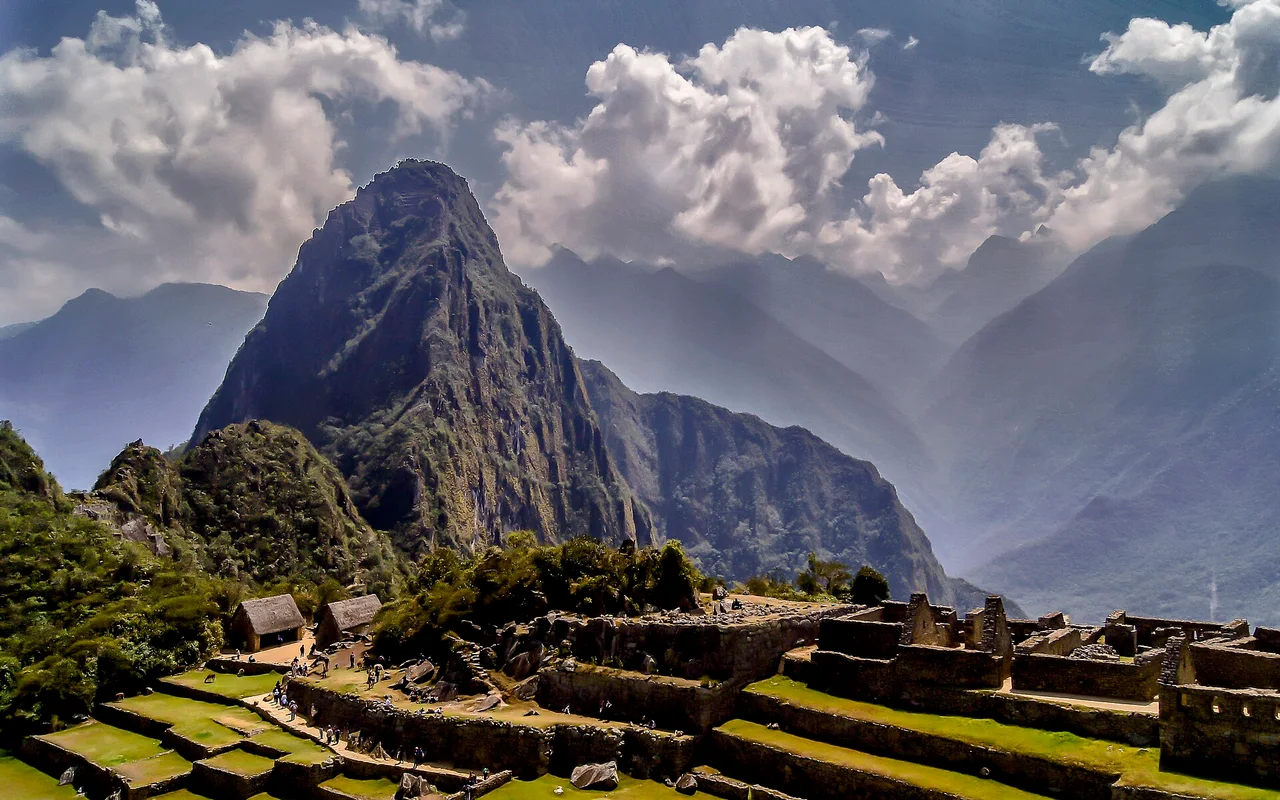
1325–1532 CE · paired survey; endpoints are milestonesAmericas · EmpireMexica and Inca worlds before conquest

The Mexica and Inca built far-reaching political worlds with sophisticated agriculture, engineering, tribute systems, trade, religious life and knowledge traditions before Spanish invasions ruptured them in the sixteenth century.

Open dossier ↗
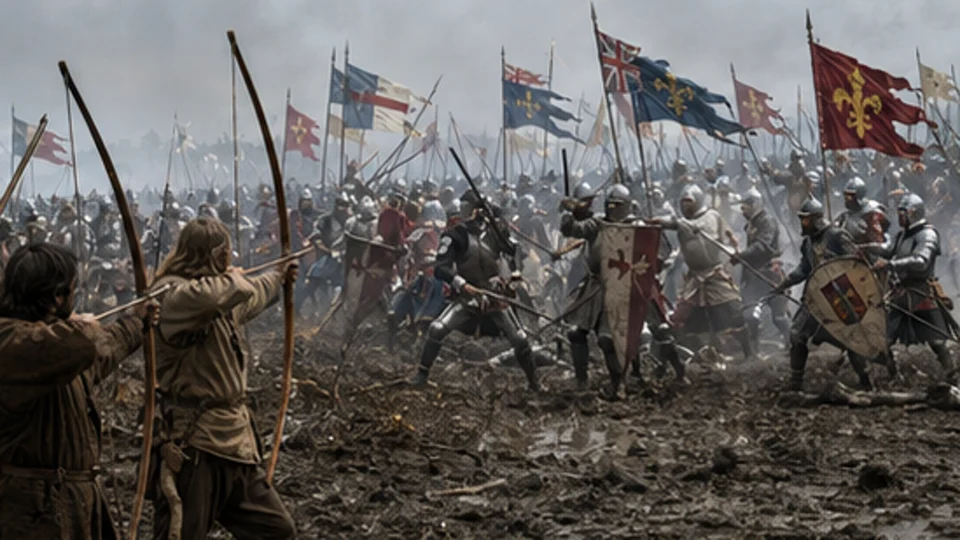
1337–1453 CEEurope · WarHundred Years’ War

English and French dynasties contested territory and sovereignty through long cycles of war, truce and civil conflict.

Open dossier ↗
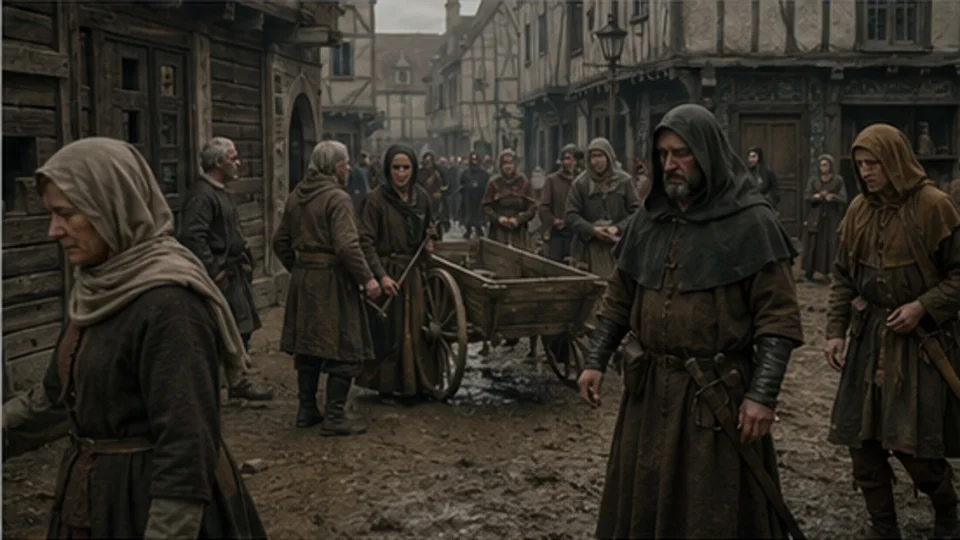
1347–1353 CEGlobal · MedicineBlack Death

Plague moved through Eurasian and North African networks, killing an immense share of local populations.

Open dossier ↗
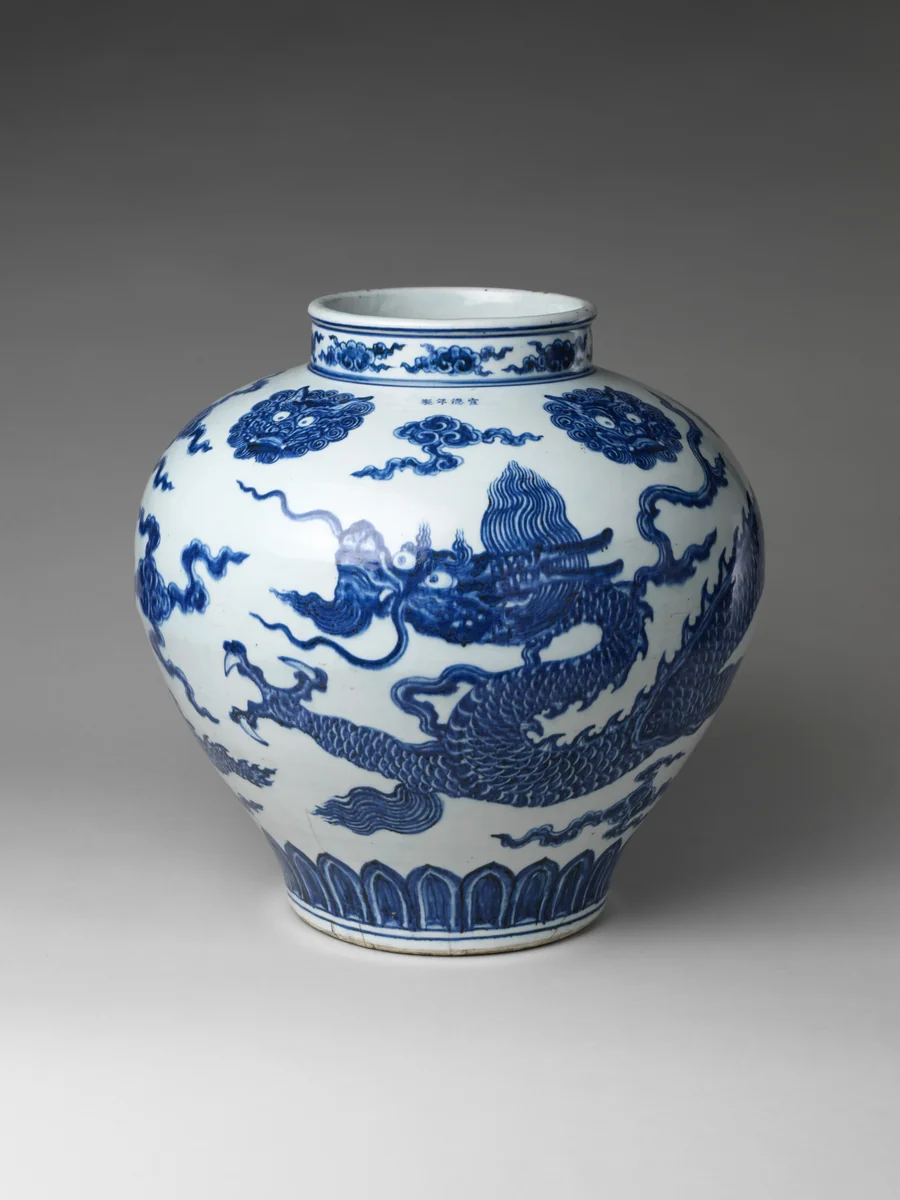
1368–1644 CEAsia · TradeMing China: porcelain, court demand and archaeology

Jingdezhen porcelain links specialist production and imperial consumption to international exchange—and to excavations that revise the familiar chronology.

Open dossier ↗
1377 CEAsia · TechnologyJikji and the longer history of printing

The surviving volume of Jikji, printed in Korea in 1377, is the oldest extant book printed with movable metal type. It sits within a much longer East Asian history of reproducing texts.

Open dossier ↗
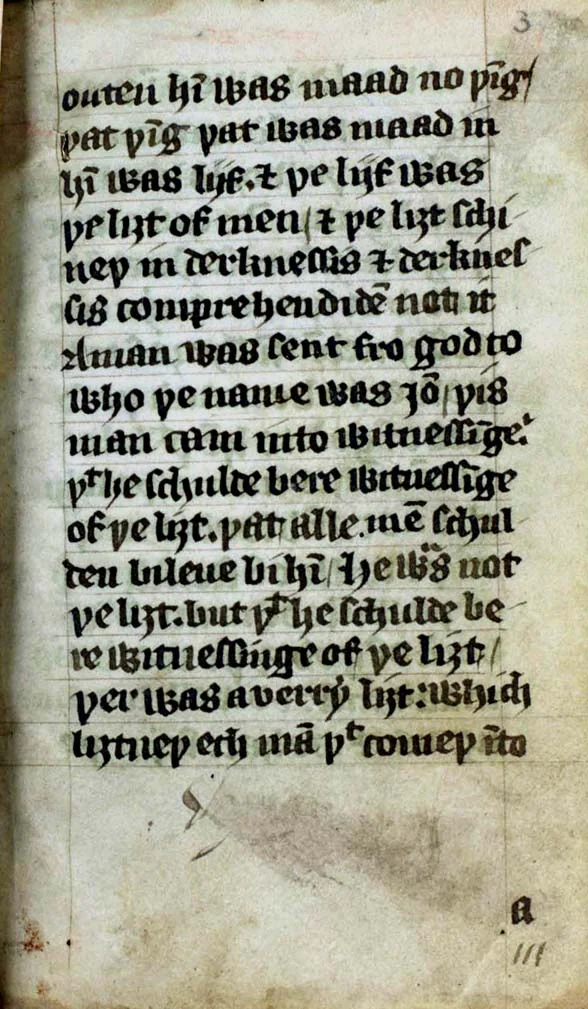
1380–1415 CEEurope · FaithWycliffe and Hus: manuscripts, preaching and reform before Luther

A medieval English manuscript introduces the distinct worlds of Wycliffe and Hus, and the later Protestant histories that connected their stories.

Open dossier ↗
1392–1600 CEAsia · CultureEarly Joseon Korea: writing, belief and the potter’s art

Early Joseon rulers and scholars reshaped institutions and cultural patronage. A new alphabet and inventive ceramics belong to this history alongside the court’s Neo-Confucian programme.

Open dossier ↗
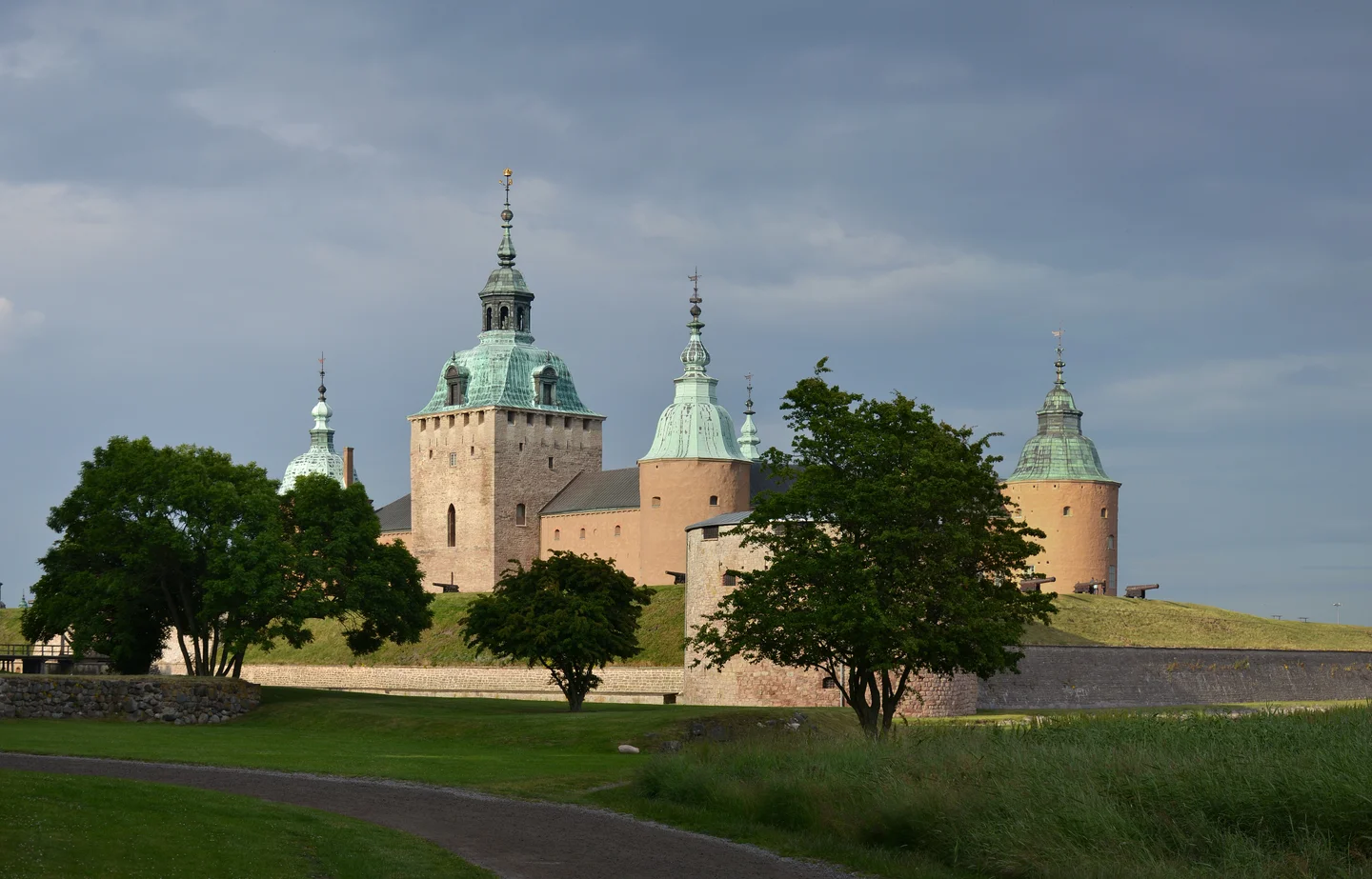
1397–1523 CEEurope · EmpireThe Kalmar Union: three kingdoms, contested authority

Denmark, Norway and Sweden shared a monarch without becoming one uniform state. The union reveals both the power of dynastic negotiation and the limits of royal authority.

Open dossier ↗
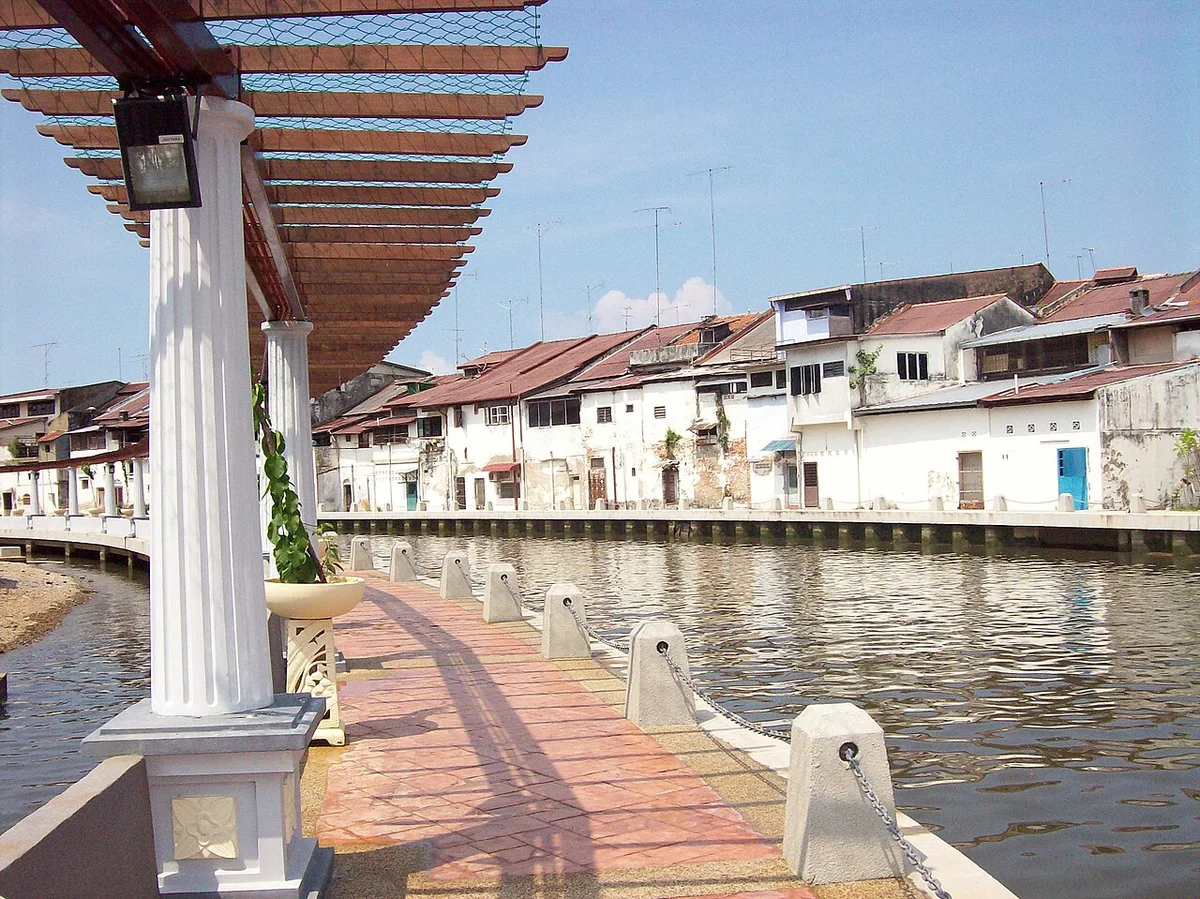
1400–1819 CEAsia · TradeMelaka and Johor: ports, sultanates and the Straits world

The Malay Peninsula’s maritime history was shaped by Asian merchants and sultanates as well as European conquest. Melaka’s capture did not bring the political and commercial world around it to an end.

Open dossier ↗
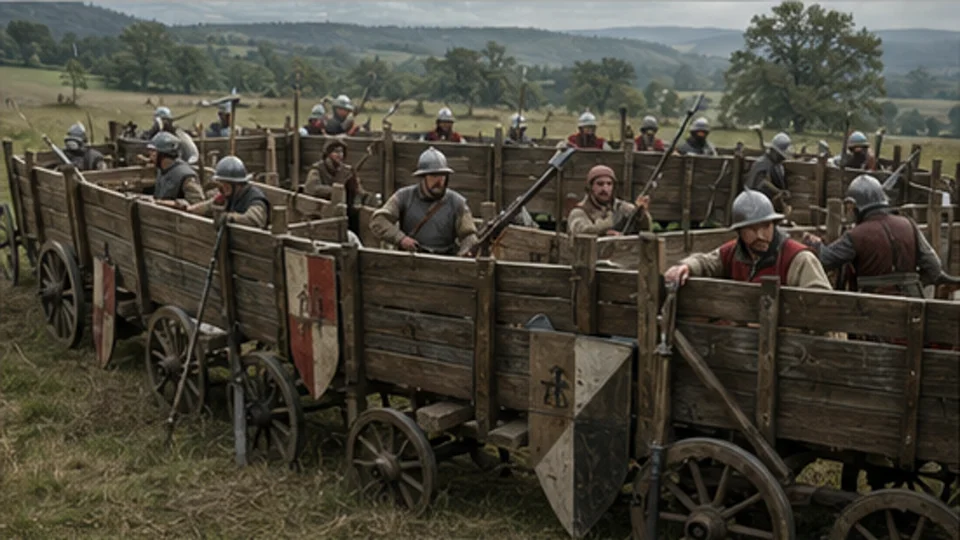
1419–1436 CEEurope · FaithHussite Wars

Bohemian followers of Jan Hus defeated repeated crusading armies of the Holy Roman imperial and papal coalition.

Open dossier ↗
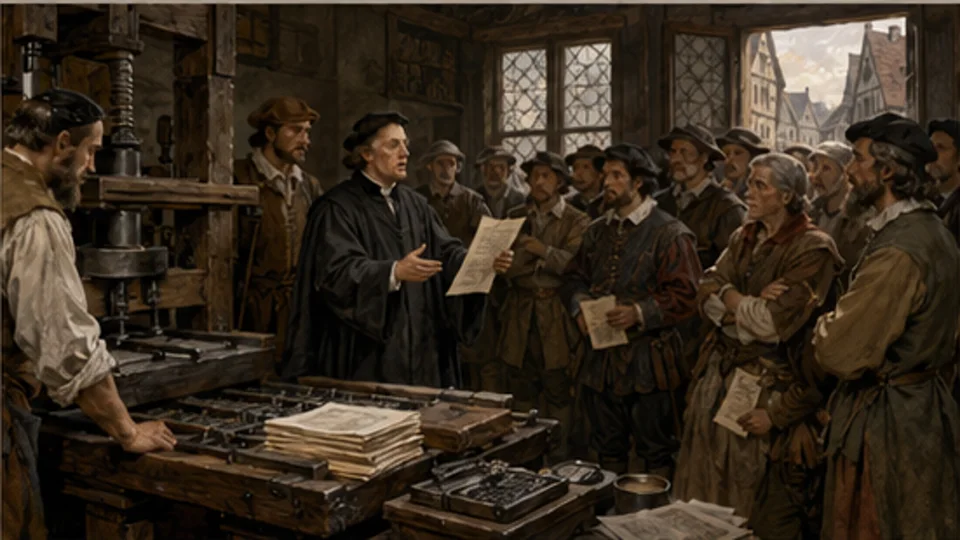
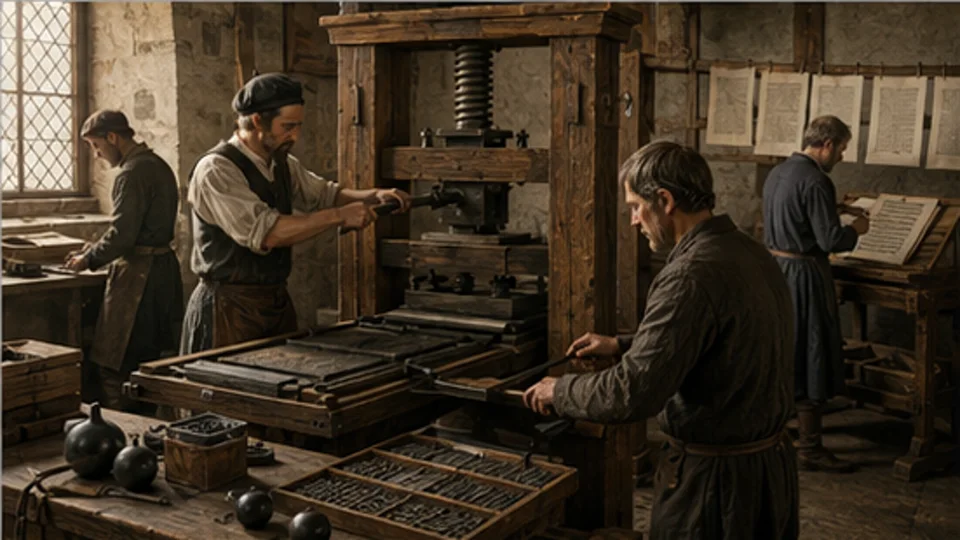
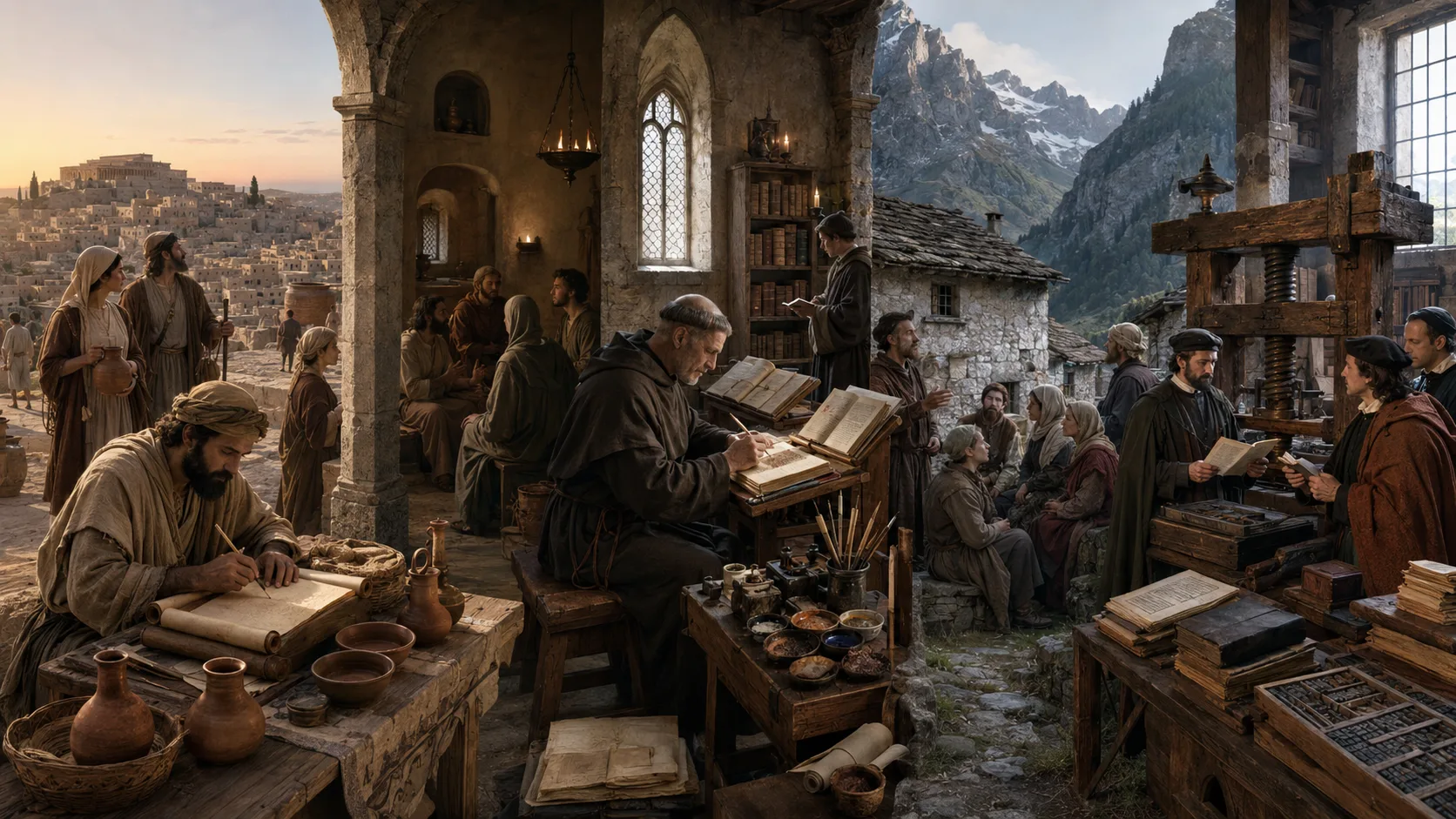
c. 1450 CE · European press developmentEurope · TechnologyPrinting press in Europe

Gutenberg’s work combined movable metal type and press production in mid-fifteenth-century Europe. Earlier East Asian woodblock and movable-type traditions form part of the wider printing story.

Open dossier ↗
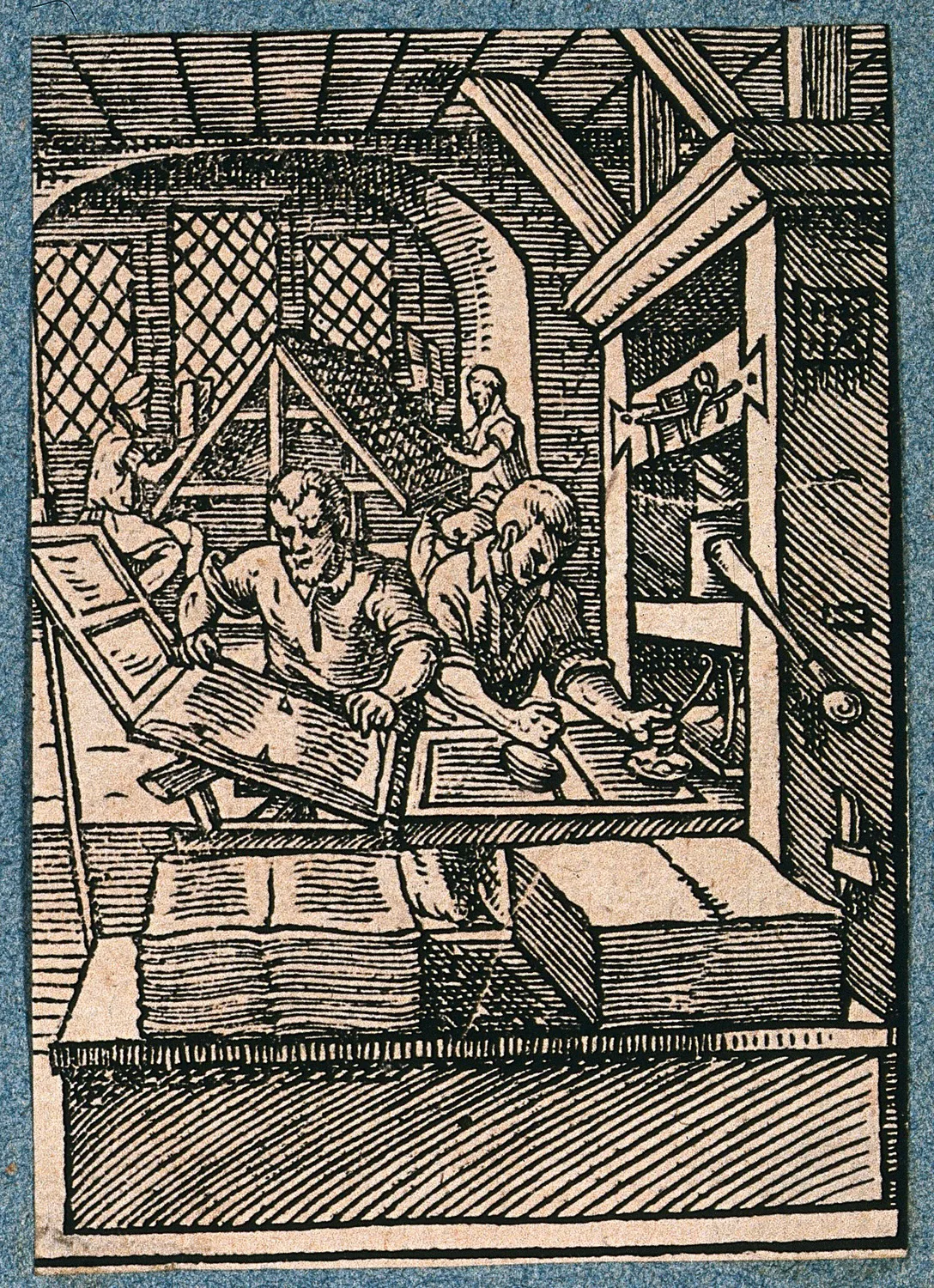
1450 CEEurope · TechnologyThe screw printing press: pressure, type and repeated pages

A screw and platen converted a printer’s turning motion into pressure on paper and inked type. The mechanism formed one part of a much larger system of book production.

Open dossier ↗
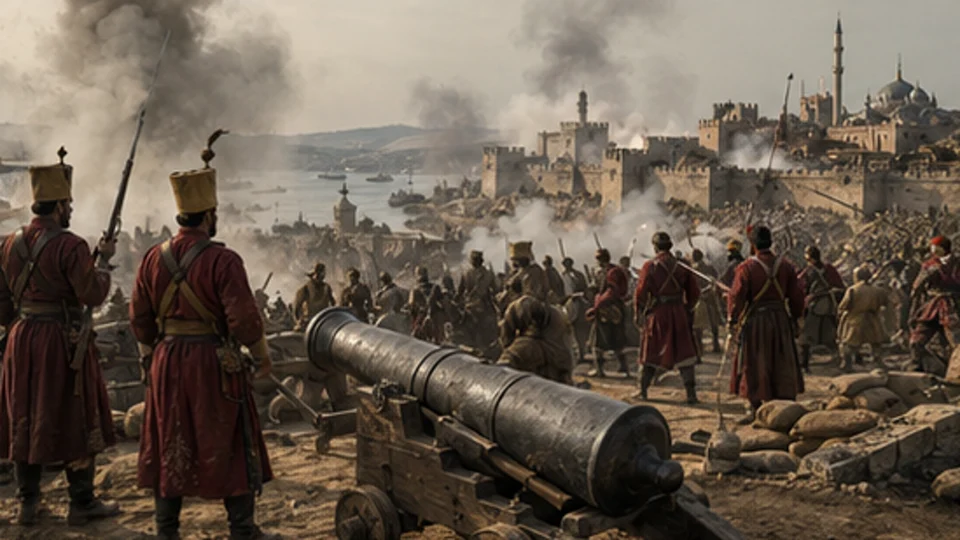
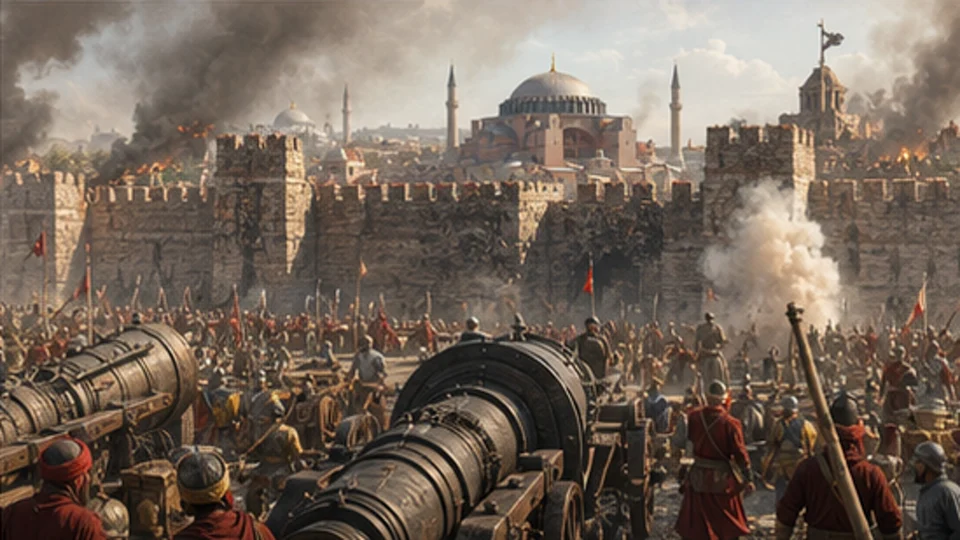
1453 CEEurope · WarFall of Constantinople and the Byzantine Empire

Mehmed II’s Ottoman forces captured Constantinople after a major siege, ending Byzantine imperial government in the city and establishing an Ottoman capital. Other Byzantine successor polities survived beyond 1453.

Open dossier ↗
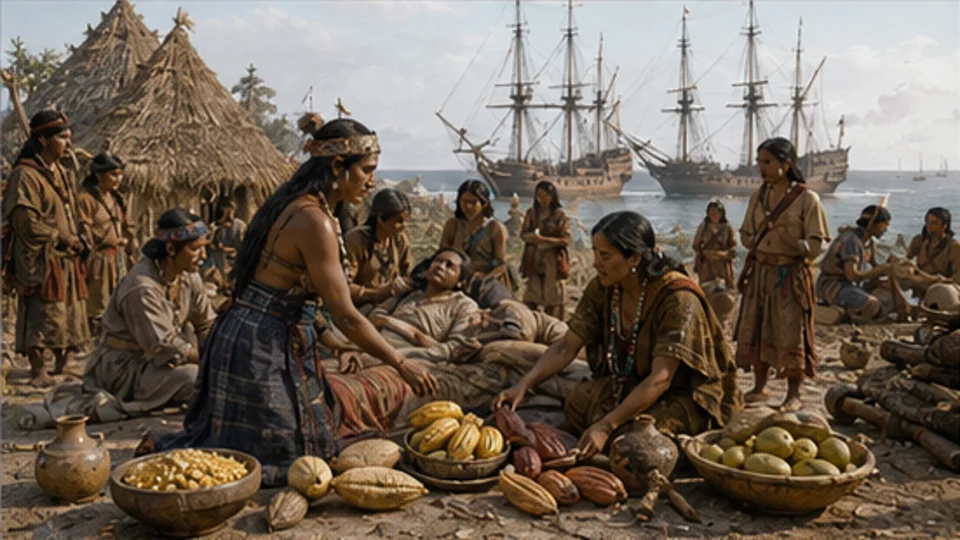
1492–1700 CE · Atlantic transformation; consequences continuedGlobal · TradeColumbian Exchange and Indigenous catastrophe

Atlantic crossings moved crops, animals, pathogens and people between hemispheres while invasion, epidemic disease, enslavement and forced labour devastated many Indigenous societies.

Open dossier ↗
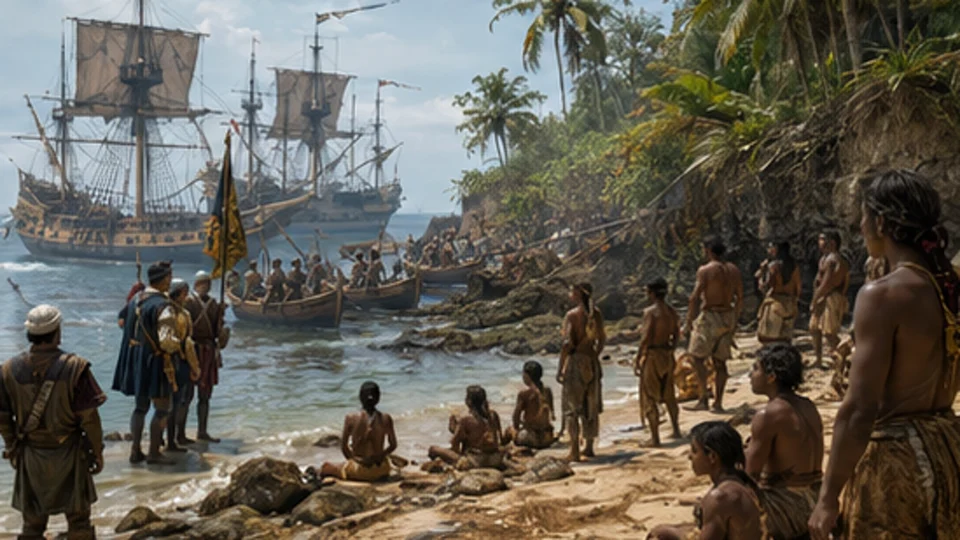
1492–c. 1770 CE · selected colonial surveyAmericas · EmpireEuropean voyages and conquest in the Americas

Atlantic voyages intensified connections among Europe, Africa and the Americas and were followed by Iberian and later European invasion, settlement, missionary systems and extraction.

Open dossier ↗
c. 1501–1866 CE · voyage survey; resistance continuedGlobal · TradeAtlantic slave trade and resistance

European and American traders forcibly transported more than twelve million captive Africans across the Atlantic; resistance by Africans and their descendants took many forms throughout slavery and abolition.

Open dossier ↗
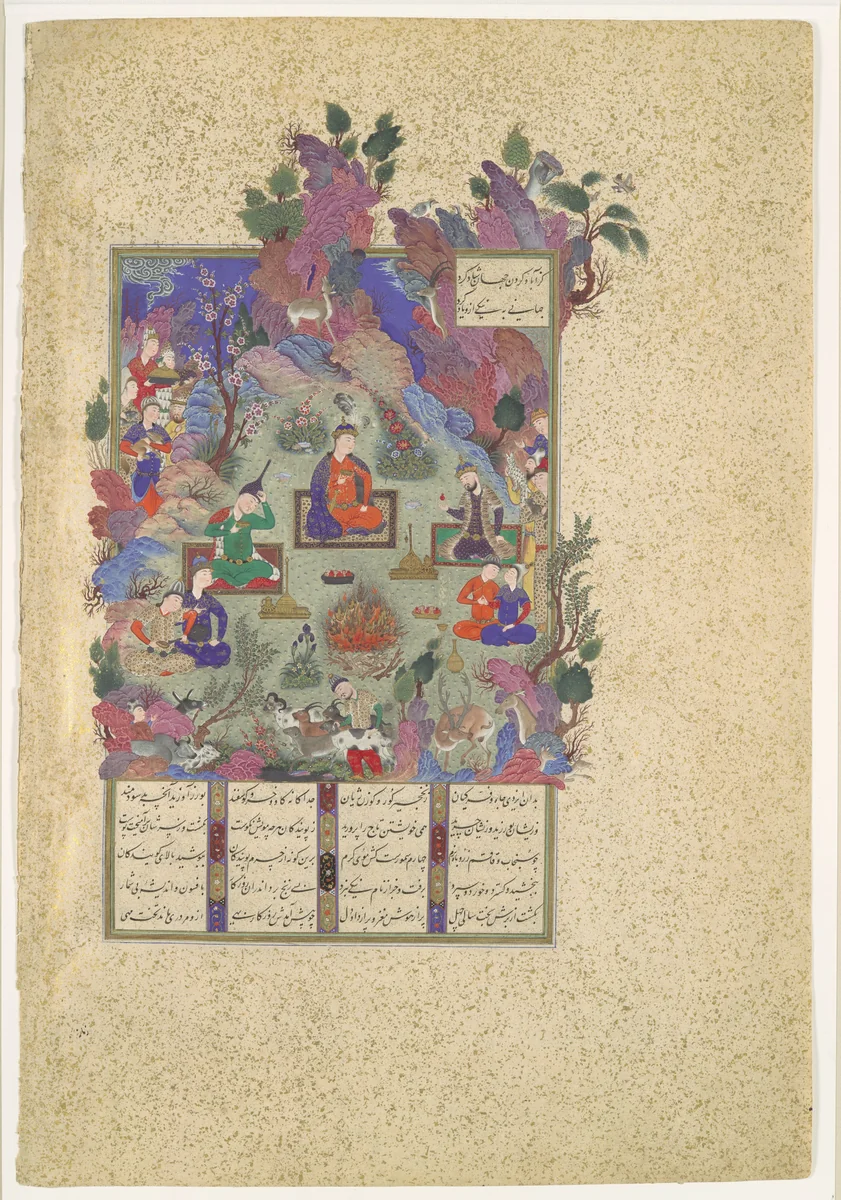
1501–1722 CEMiddle East · CultureSafavid Iran: faith, illustrated books and imperial cities

Safavid Iran connected a new dynastic and religious order with manuscript painting, textiles and urban patronage. Its visual culture belongs alongside Ottoman and Mughal histories, not inside them.

Open dossier ↗
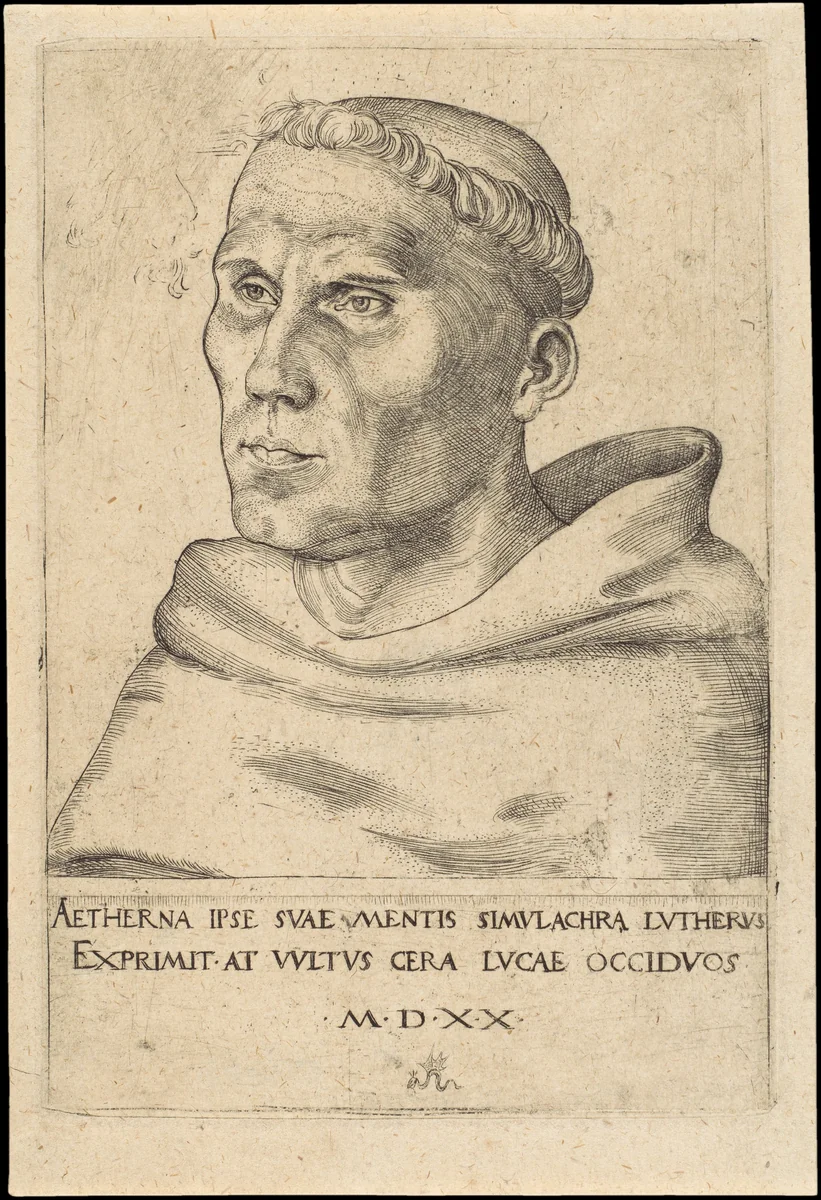
1517–1522 CEEurope · FaithLuther: indulgences, conscience and the German New Testament

A dispute about indulgences became a confrontation over salvation and authority. Letters, printed portraits and surviving books help distinguish Luther’s actions from later Protestant accounts of their meaning.

Open dossier ↗
1517–1648 CEEurope · FaithReformation and confessional conflict

Reform movements challenged church authority, doctrine and practice; Catholic renewal and state conflict produced new churches and devastating wars.

Open dossier ↗
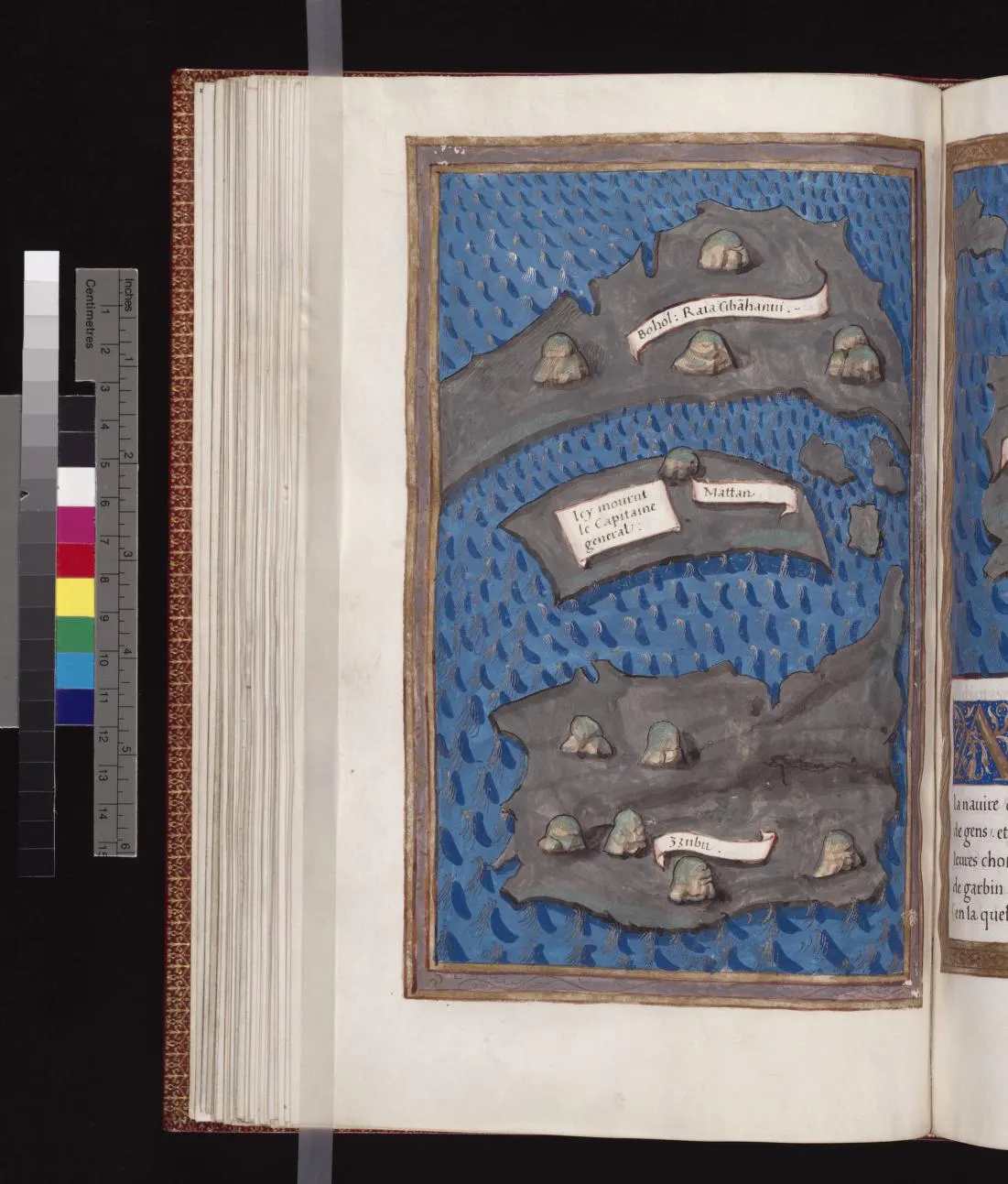
1519–1522 CEGlobal · TradeThe Magellan–Elcano voyage and the first circumnavigation

An expedition seeking a western route to the Spice Islands became the first documented voyage around the world. Its course connects navigation and commerce with violence, local societies and the work of a multinational crew.

Open dossier ↗
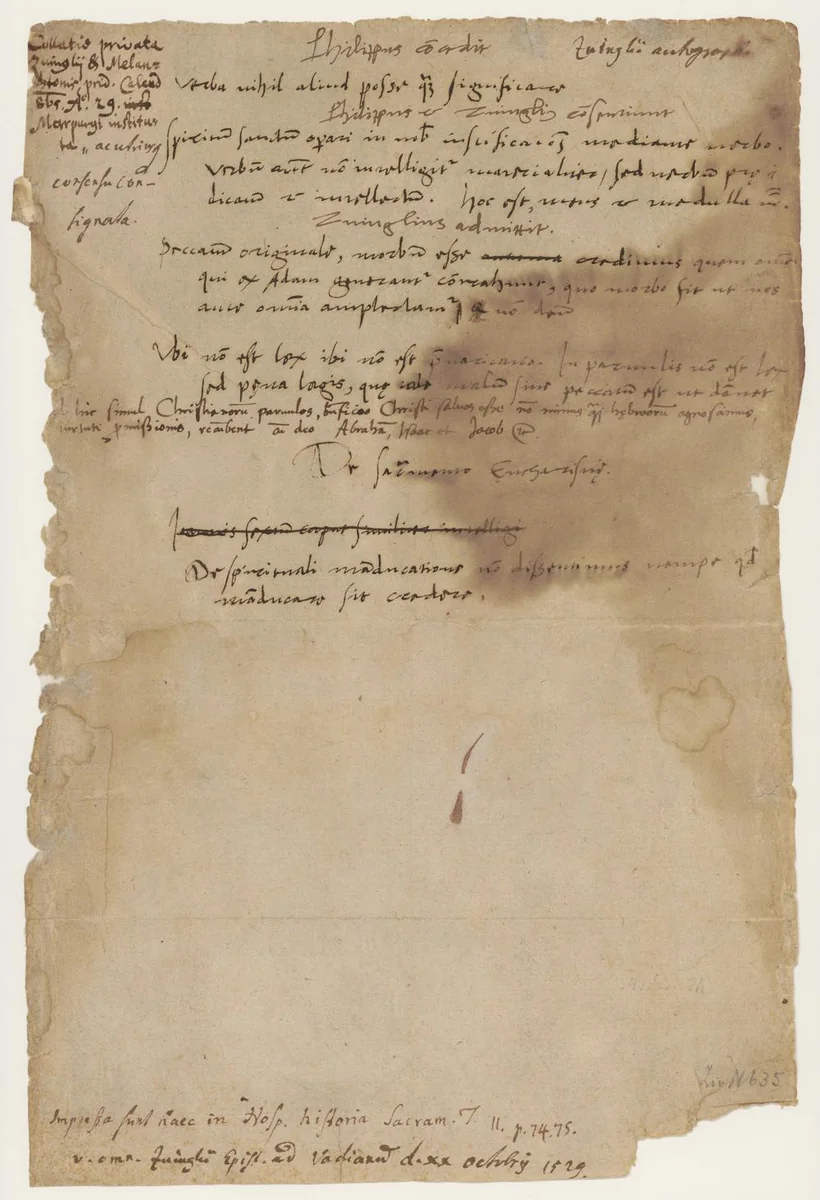
1519–1531 CEEurope · FaithZwingli, Zurich and Marburg: Scripture, reform and disagreement

A surviving manuscript brings us close to a divided Reformation. Explore Zurich’s civic reforms, the Marburg dispute and the ways later Protestant historians understood their spiritual meaning.

Open dossier ↗
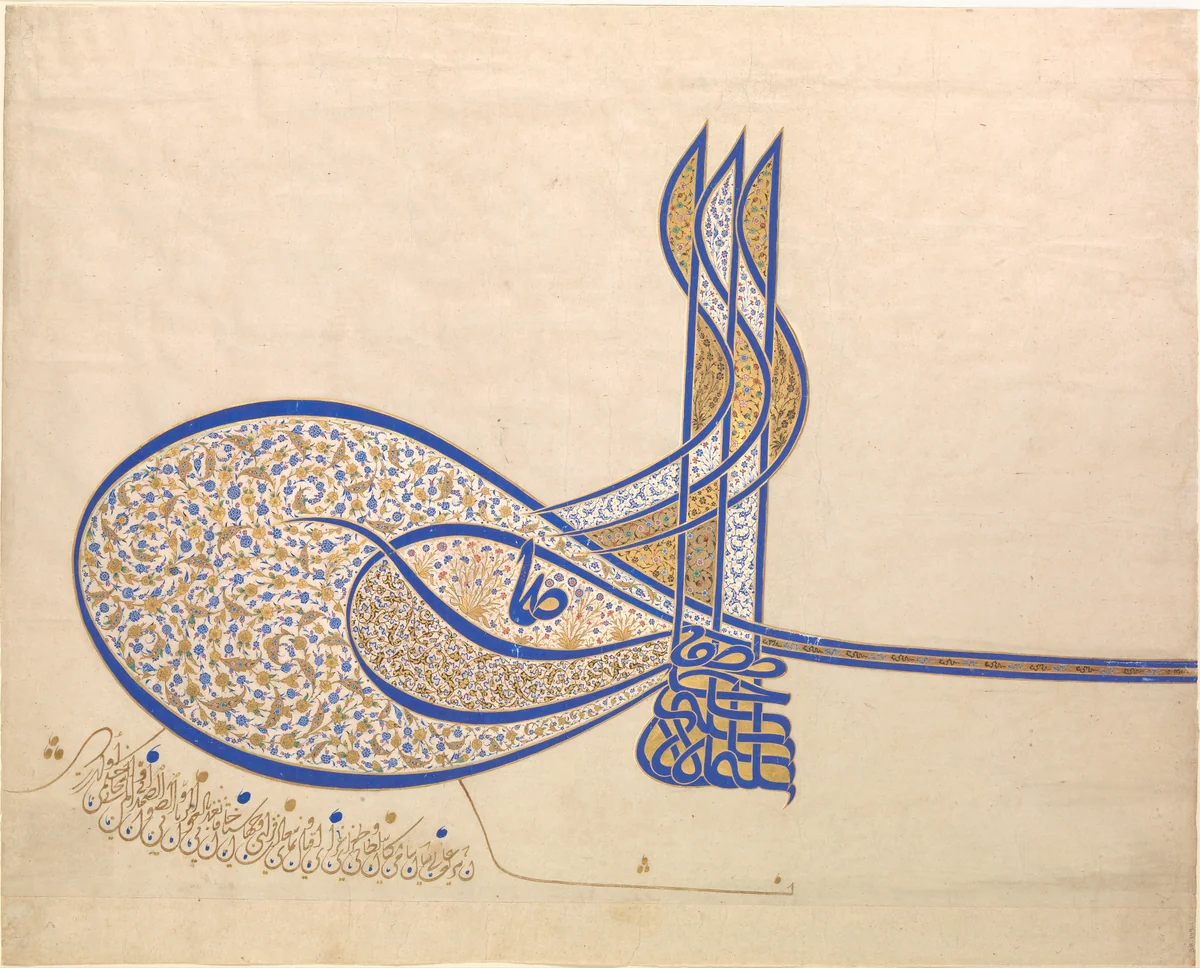
1520–1566 CEMiddle East · EmpireOttoman authority on paper: Süleyman’s tughra

A decorated imperial emblem reveals how Ottoman government made authority visible—and the skilled work behind the ruler’s public identity.

Open dossier ↗
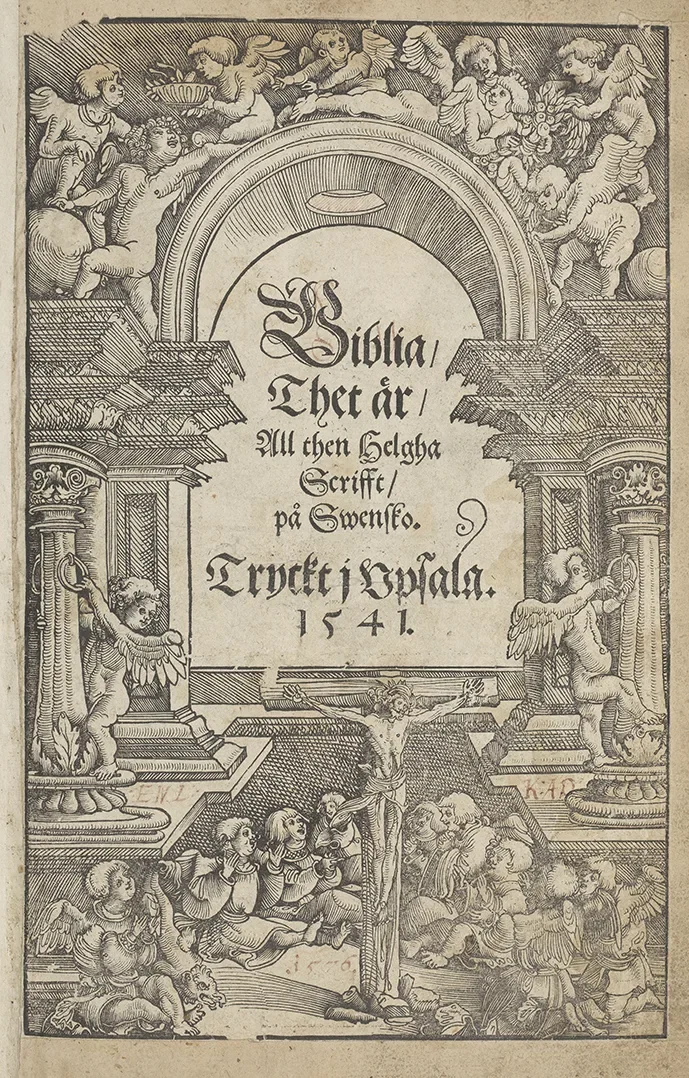
1523–1584 CEEurope · FaithNordic Reformations: Scripture, crowns and conscience

Swedish, Danish, Norwegian and Icelandic reformations followed different paths. Vernacular Scripture and preaching interacted with royal power, confiscation and resistance; later Protestant writers interpreted these changes through their faith.

Open dossier ↗
1523–1556 CEEurope · FaithWomen, schools and printed arguments

Selected German-speaking cases connect women’s religious arguments, civic proposals for schooling and the material lives of pamphlets. They reveal specific acts of participation rather than a uniform transformation of everyday life.

Open dossier ↗
1524–1527 CEEurope · FaithAnabaptists and the Peasants’ War: different visions of reform

Village grievances, believers’ baptism and arguments about the sword intersected during the Reformation without forming a single movement. Their documents reveal sharply different answers to who could reform church and society.

Open dossier ↗
1524–1536 CEEurope · FaithTyndale and Coverdale: the English Bible, exile and reform

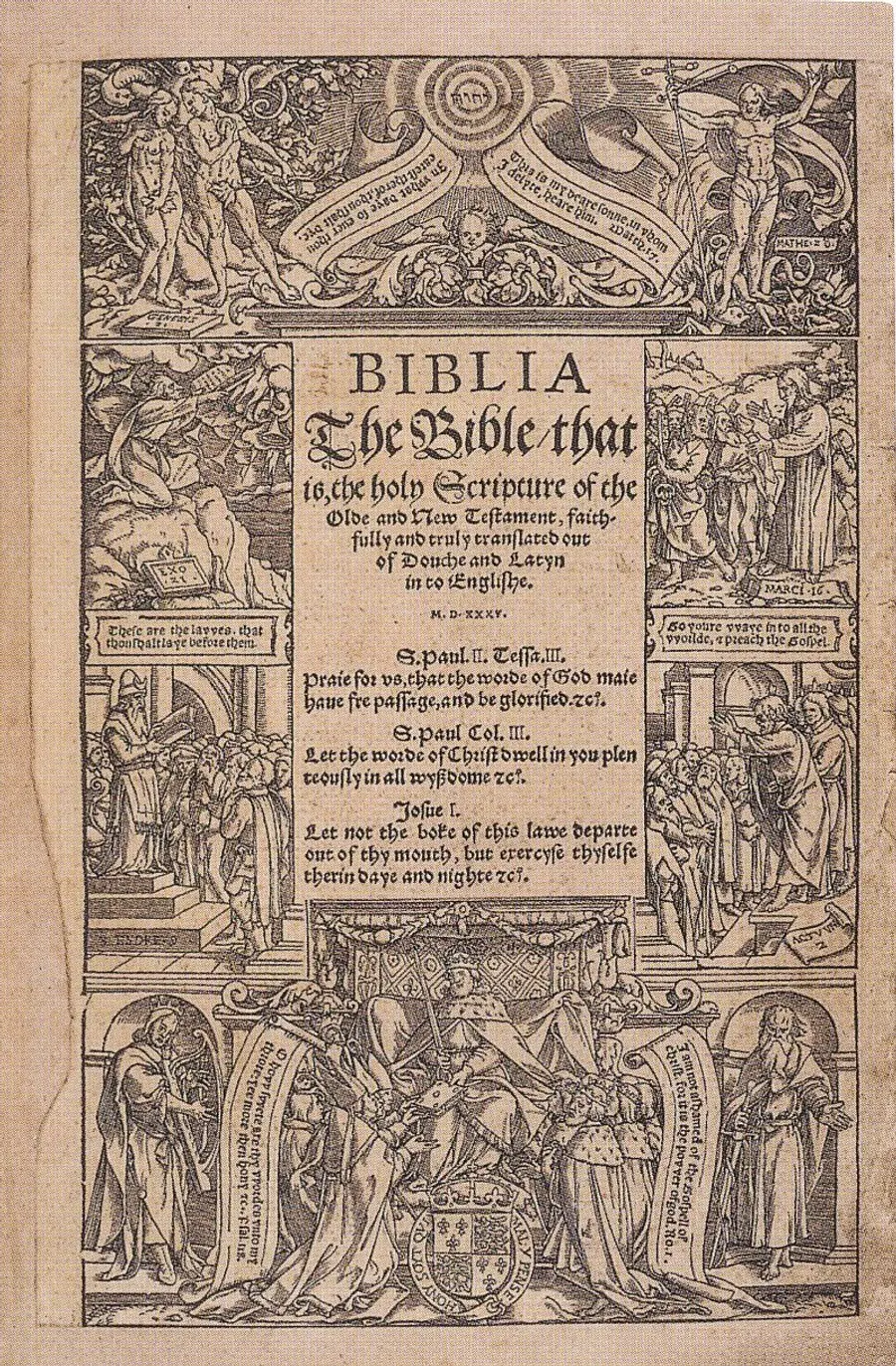
An English Bible was more than a new printed book: it raised questions about who could interpret Scripture. Tyndale’s translations, Coverdale’s complete Bible and later Protestant histories reveal both the struggle and its remembered meaning.

Open dossier ↗
1526–1858 CE · dynastic surveyAsia · EmpireMughal India

Mughal rulers governed much of South Asia through negotiated sovereignty, taxation and military power while court culture supported major architecture, painting and literature.

Open dossier ↗
1534–1563 CEEurope · FaithCatholic renewal: Trent, mission and formation

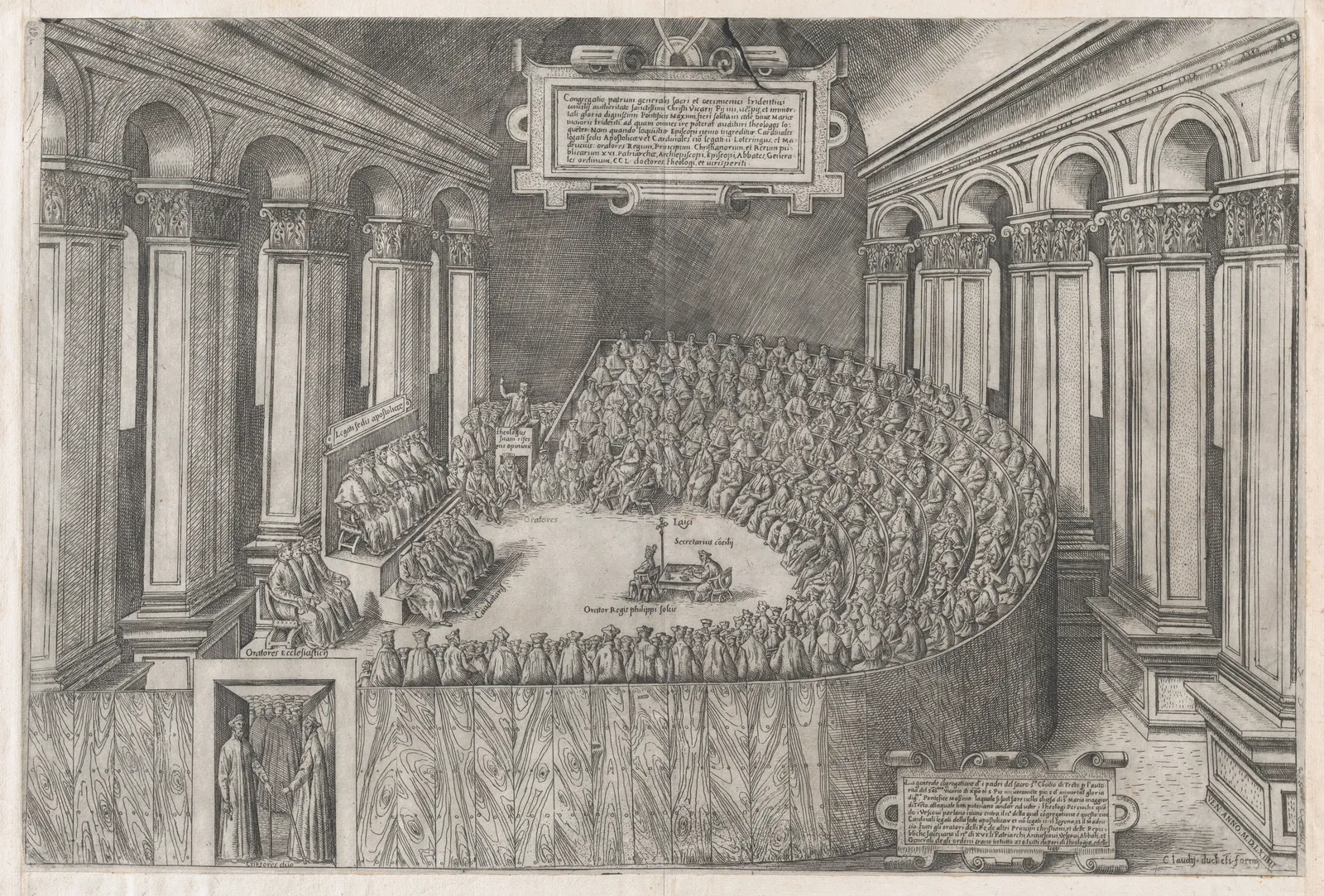
A new religious society and an interrupted council pursued preaching, instruction, doctrinal definition and clerical reform. Their programmes shaped Catholic renewal, while their implementation varied across places and institutions.

Open dossier ↗
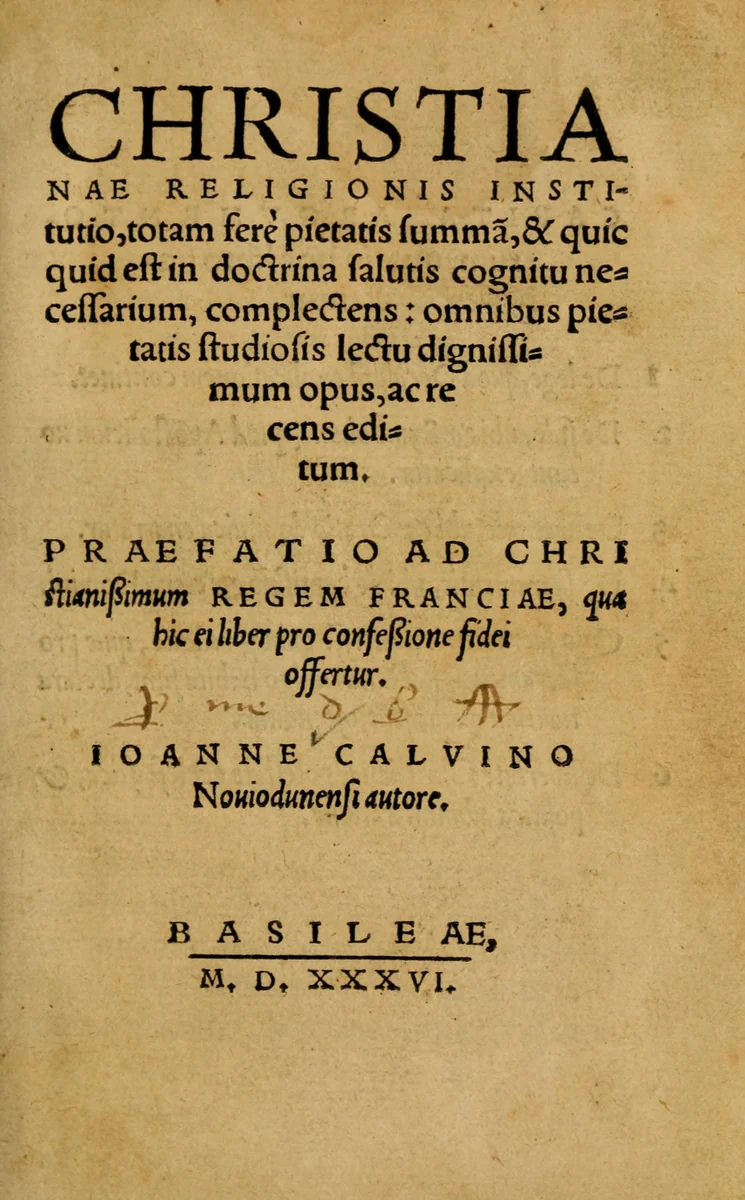
1536–1564 CEEurope · FaithCalvin and Geneva: books, institutions and contested authority

A surviving 1536 title page opens a study of Calvin’s changing books, Geneva’s church institutions and the limits of its religious settlement.

Open dossier ↗
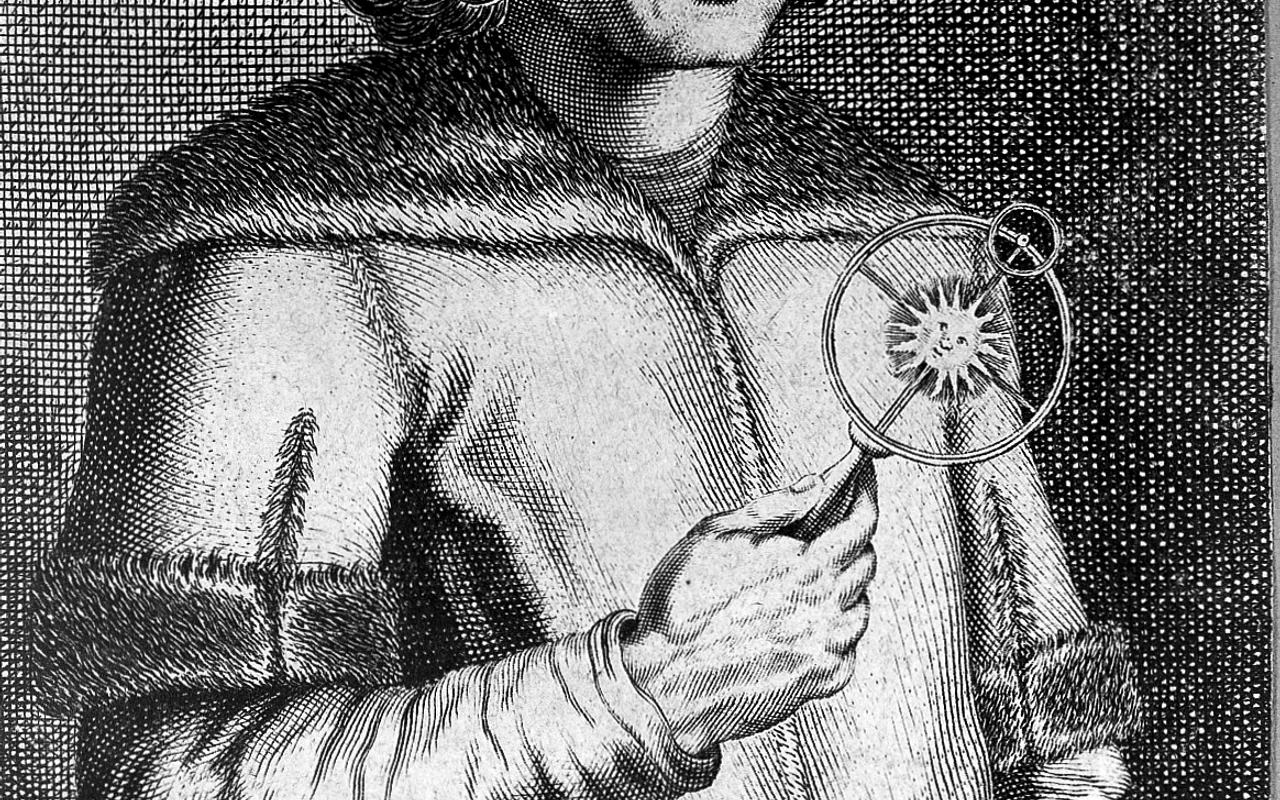
1543 CEEurope · ScienceCopernican heliocentrism

Nicolaus Copernicus published a Sun-centered mathematical model that reordered the planets and set a long debate about observation, calculation and authority in motion.

Open dossier ↗
1543–1700 CE · conventional European surveyEurope · ScienceScientific Revolution

Across a conventional European survey period, new models of astronomy, experiment, mathematics and instrumentation challenged inherited explanations of nature.

Open dossier ↗
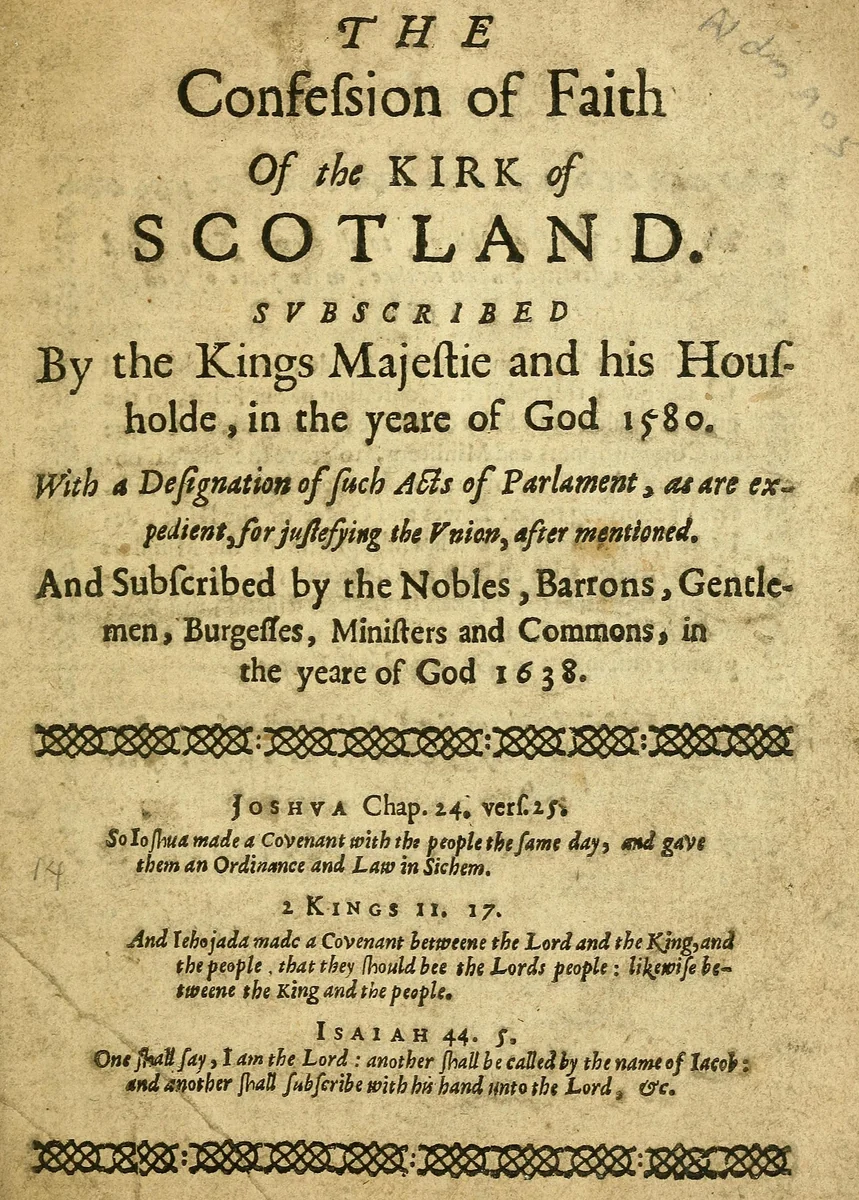
1560–1638 CEEurope · FaithScotland’s Reformation: Knox, confession and an unfinished settlement

Explore the 1560 settlement and its later legacy through confessions, disciplinary proposals and a carefully identified 1638 printed document.

Open dossier ↗
1562–1598 CEEurope · FaithFrance: conscience, worship and a conditional peace

Royal settlements distinguished private conscience, public worship and civil participation. Reading their provisions beside later Protestant histories reveals both the possibilities and the limits of a negotiated religious peace.

Open dossier ↗
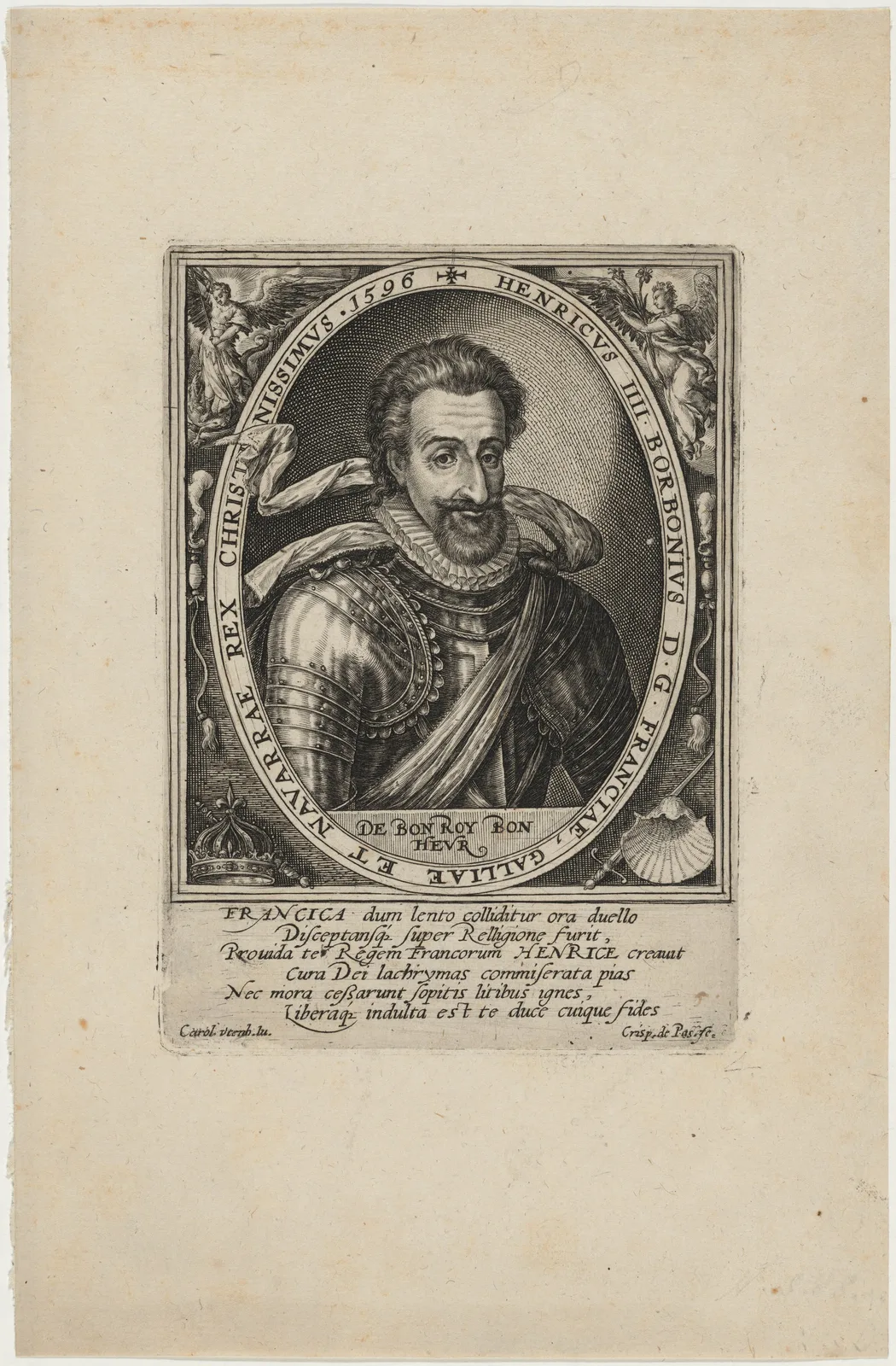
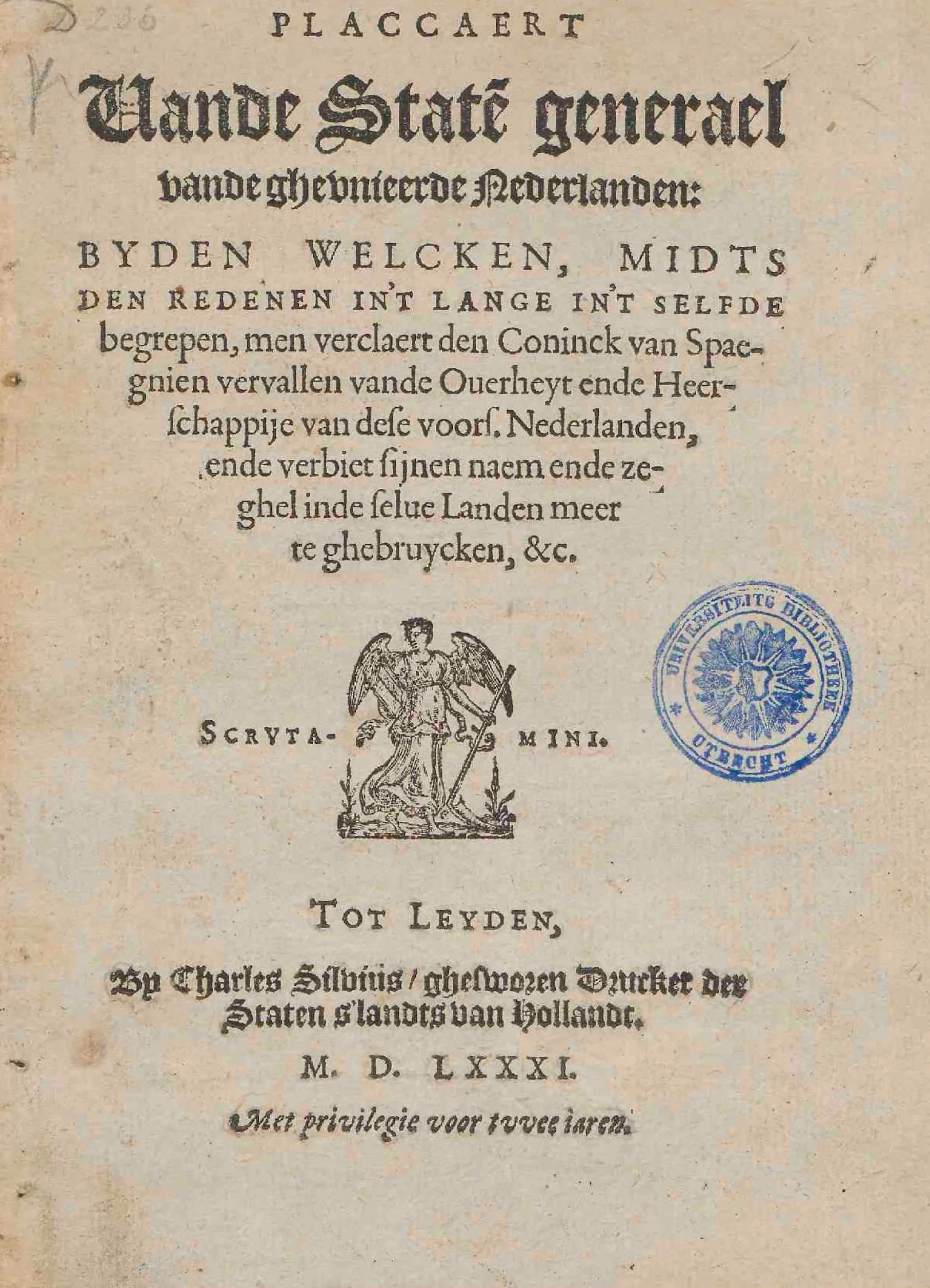
1566–1581 CEEurope · FaithThe Netherlands: petition, union and withdrawal of allegiance

Petitions, provincial agreements and the Act of Abjuration record changing answers to royal authority and religious coercion. Their differences resist a story of one united nation declaring a modern republic in a single moment.

Open dossier ↗
1568–1815 CE · selected conflict surveyEurope · WarMajor Anglo-French and European wars

This selected survey follows dynastic, religious and commercial conflicts from the Dutch Revolt and wars of Louis XIV through the Seven Years’ and Napoleonic Wars, often extending overseas.

Open dossier ↗
1602–1720 CE · institutional milestones, not a complete historyGlobal · TradeJoint-stock companies, exchanges and global finance

The Dutch East India Company, securities trading, insurance and public debt developed durable institutions for pooling capital and financing long-distance commerce; the 1720 crises exposed their risks.

Open dossier ↗
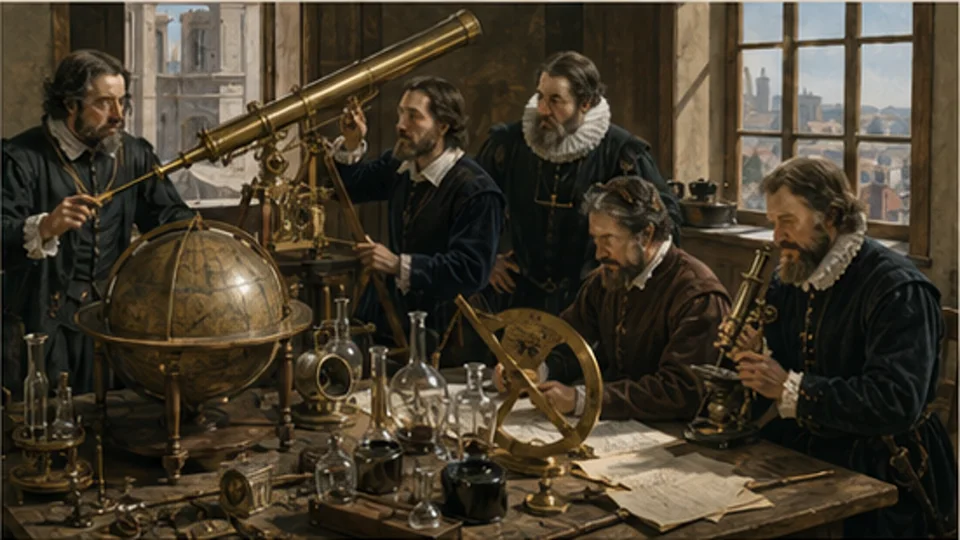
1609–1673 CEEurope · TechnologyTelescope, microscope and experimental observation

New optical instruments brought moons, planets, cells, insects and other previously unseen worlds into view, making careful observation a decisive scientific practice.

Open dossier ↗
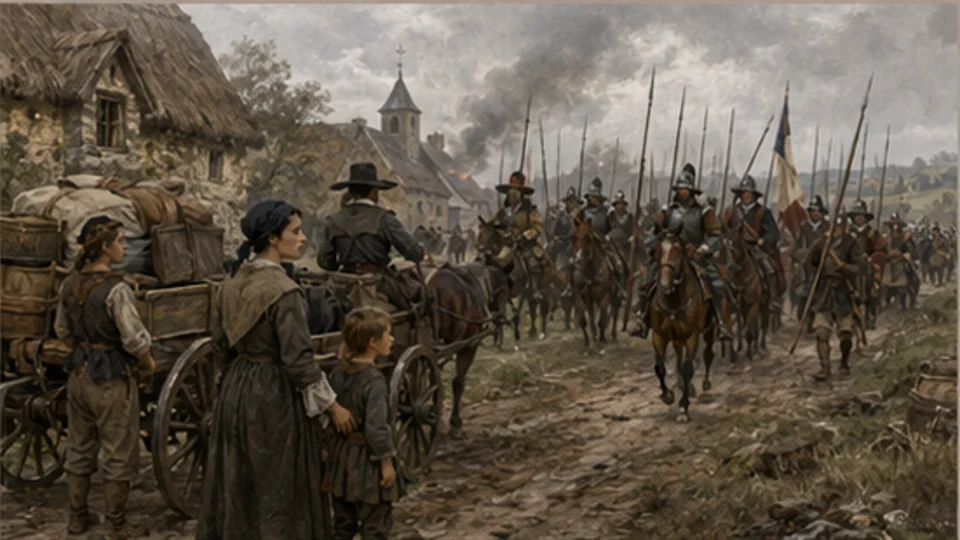
1618–1648 CEEurope · WarThe Thirty Years’ War and the Peace of Westphalia

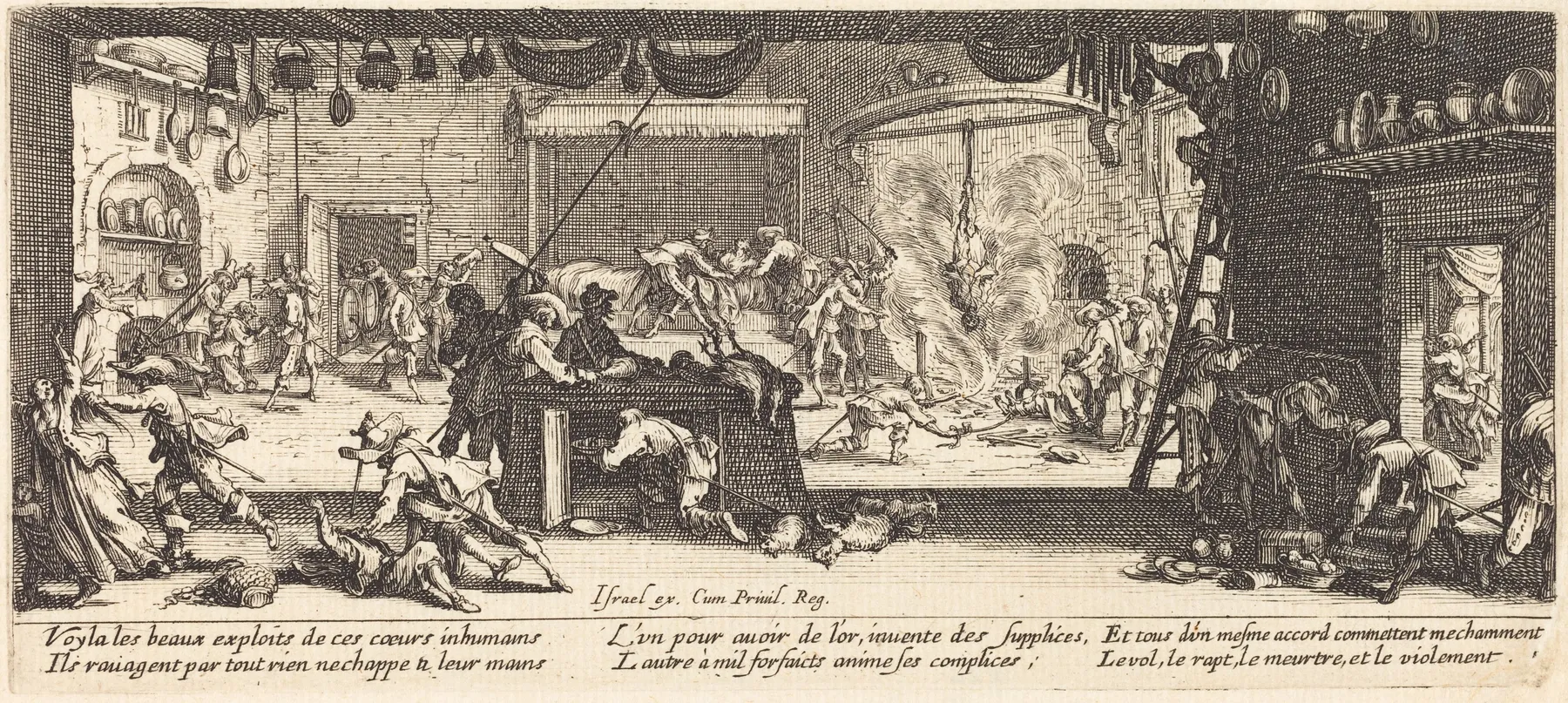
A revolt in Bohemia widened into overlapping wars. Legal texts, a Swabian chronicle and a period print connect contested religious privileges, civilian survival and the negotiated settlement of 1648.

Open dossier ↗
1618–1648 CEEurope · WarThirty Years’ War

Confessional and dynastic struggles devastated Central Europe before the Peace of Westphalia.

Open dossier ↗
1628 CEEurope · MedicineCirculation of the blood

William Harvey argued from experiment and anatomy that the heart pumps blood through a continuous circulation rather than the body continually making and consuming it.

Open dossier ↗
1654–1858 CE · selected probability and public-health milestonesEurope · ScienceProbability, statistics and the measurement of populations

Work on probability, mortality tables and statistical graphics created new ways to calculate uncertainty and analyse population health, although the underlying records remained incomplete and selective.

Open dossier ↗
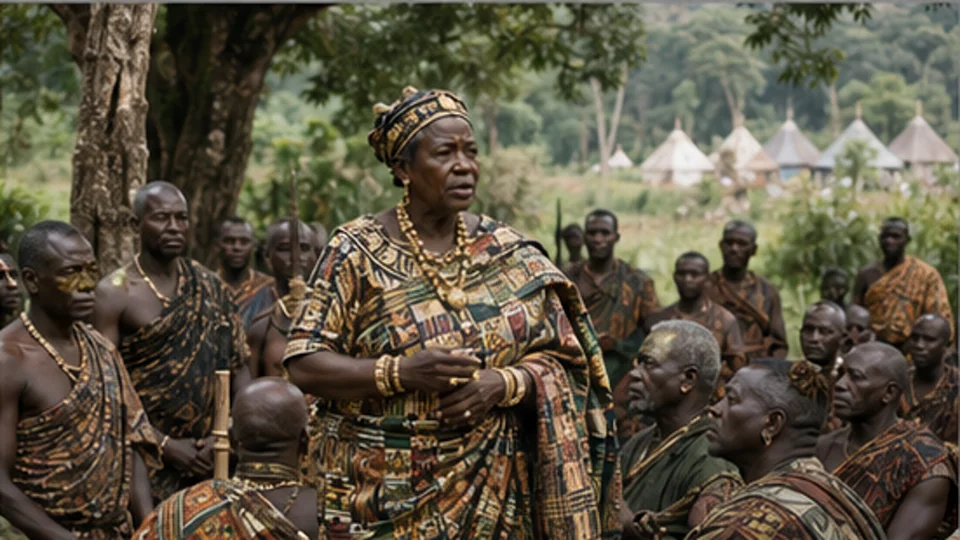
c. 1680–1901 CE · state formation to colonial annexationAfrica · EmpireAsante Empire

Osei Tutu and Okomfo Anokye helped unite Akan states around Kumasi and the Golden Stool; a sophisticated confederacy grew through military power, diplomacy, law and gold and kola trade.

Open dossier ↗
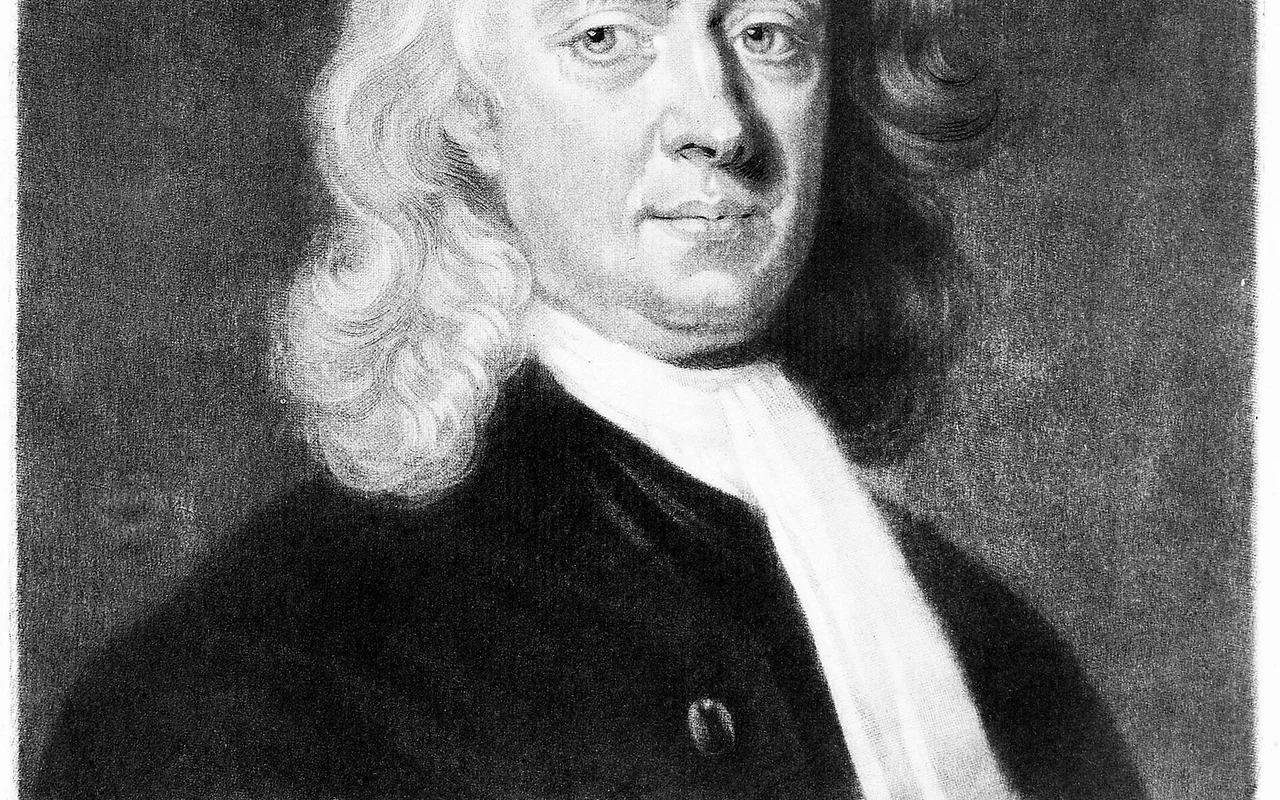
1687 CEEurope · ScienceNewtonian physics

Isaac Newton’s Principia connected terrestrial motion and celestial motion through mathematical laws of motion and universal gravitation.

Open dossier ↗
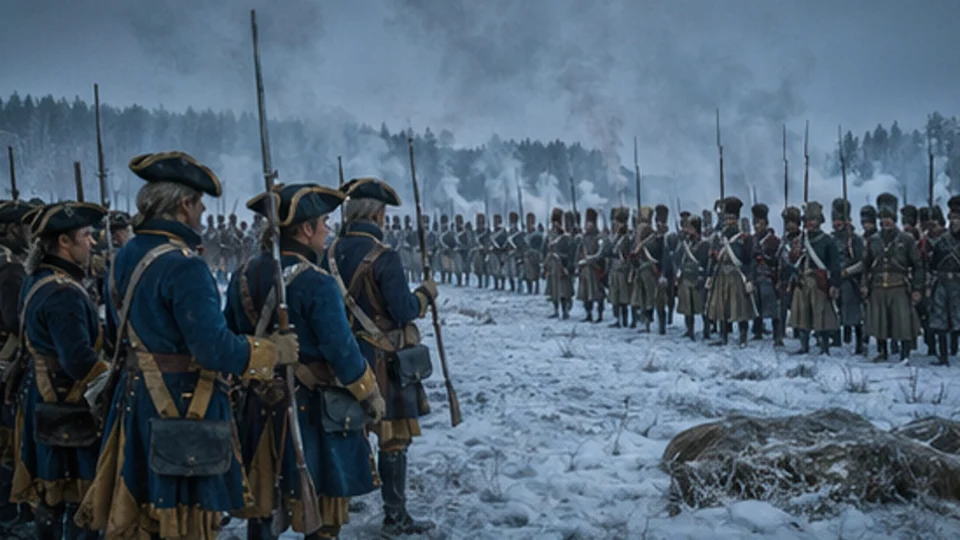
1700–1721 CE · coalition war ending at NystadEurope · WarGreat Northern War

Russia and changing coalition partners challenged Swedish power across the Baltic; Poltava in 1709 was pivotal, while the 1721 Treaty of Nystad closes the displayed war.

Open dossier ↗
1701–1714 CE · European and imperial conflictEurope · WarWar of the Spanish Succession

A dispute over the Spanish succession became a coalition war fought in Europe and imperial theatres, with burdens extending far beyond royal courts.

Open dossier ↗
1712 CEEurope · TechnologyNewcomen’s engine: draining mines with atmospheric pressure

The early atmospheric engine turned the pressure of the surrounding air into a pumping stroke. It addressed a practical mining problem and helped open deeper mineral workings.

Open dossier ↗
1712–1769 CEEurope · TechnologySteam power and industrial energy

Newcomen’s mine-pumping engine and Watt’s later separate-condenser design advanced the use of steam power. Subsequent improvements extended its applications to machinery and transport.

Open dossier ↗
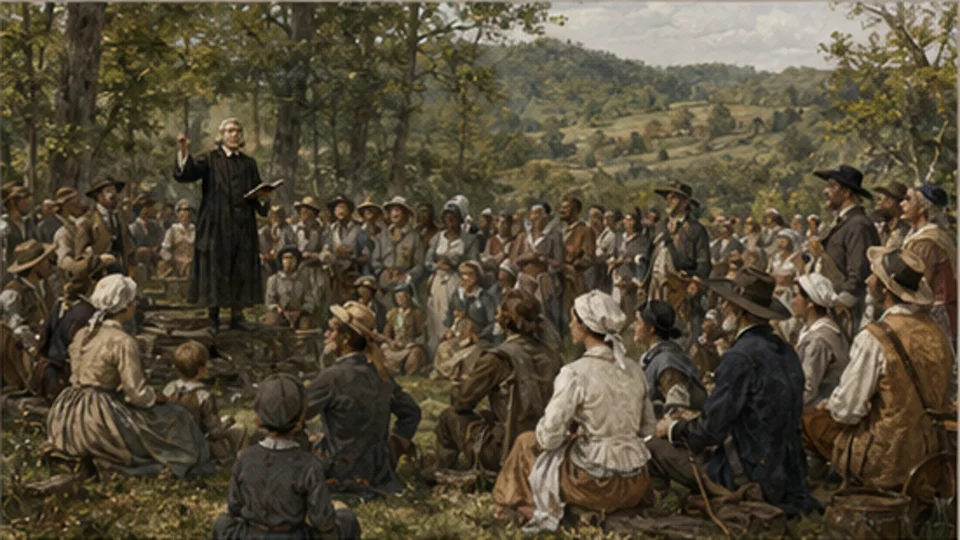
c. 1730–1760 CE · regional revival movementsAmericas · FaithThe Great Awakening

Revival movements transformed Protestant worship, print culture and ideas of individual conscience.

Open dossier ↗
1752–1831 CEGlobal · ScienceElectricity and electromagnetism

Experiments on charge, batteries, current and electromagnetic induction established the principles that would later power generators, motors and electrical networks.

Open dossier ↗
1752–1866 CEGlobal · TechnologyWaterpower, mill systems and industrial work

Waterwheels belong to a longer history than steam-powered factories. Experiments and mill systems show how controlling water and transmitting rotation shaped industrial production.

Open dossier ↗
1754/1756–1763 CE · connected global theatresGlobal · WarSeven Years’ War

Fighting began in North America in 1754 and expanded into a formally European war in 1756, connecting Europe, the Americas, West Africa and Asia.

Open dossier ↗
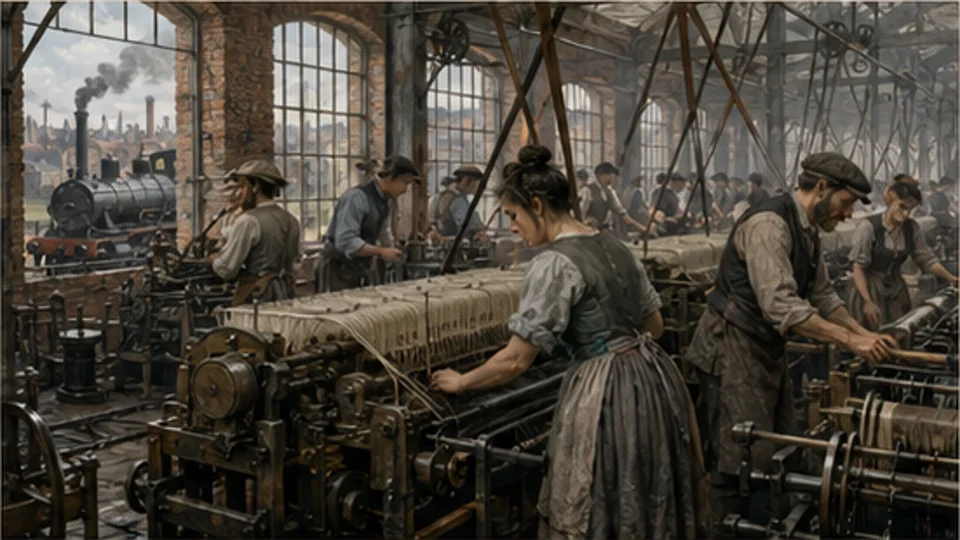
c. 1760–1914 CE · uneven global surveyGlobal · TechnologyIndustrial Revolution

Mechanized production, fossil energy, factories, railways and steamships transformed work, cities and global trade, first in Britain and then unevenly worldwide.

Open dossier ↗
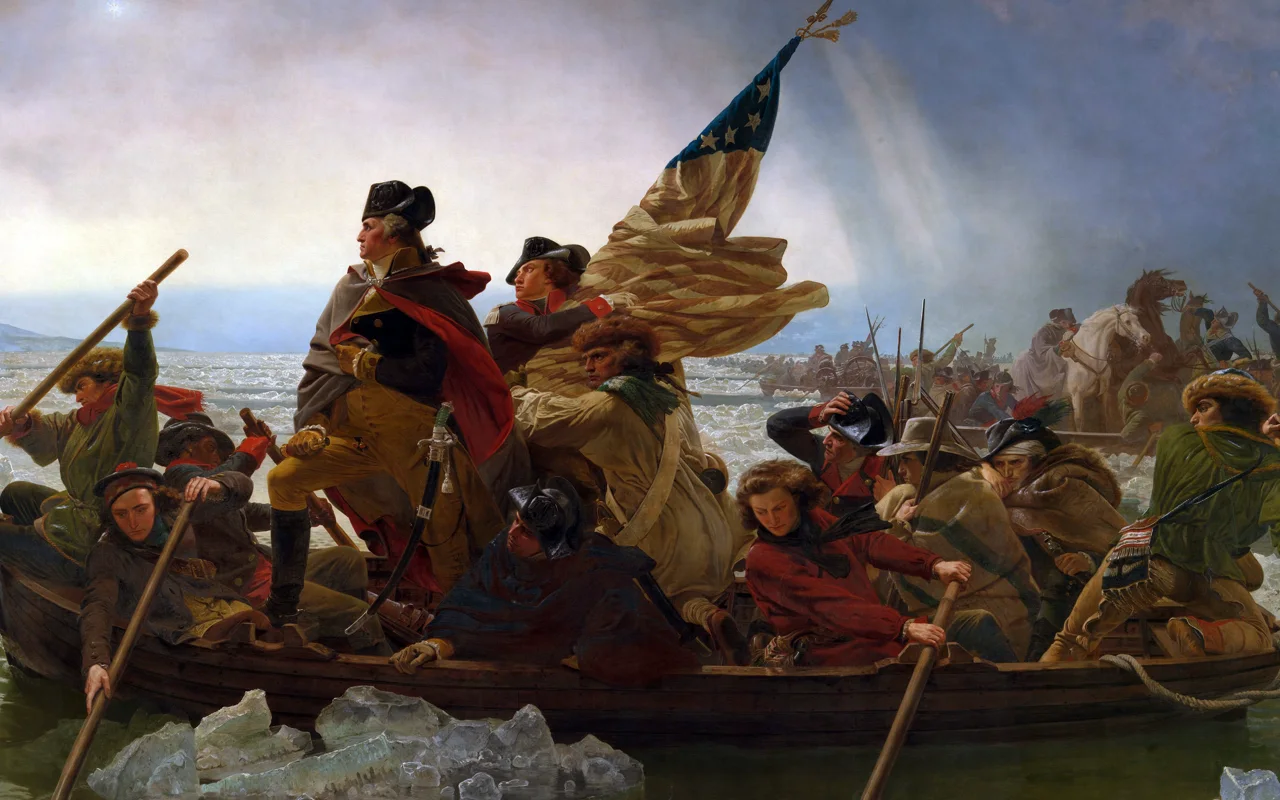
1763–1783 CE · imperial crisis, war and settlementAmericas · RightsAmerican Revolution

Conflict over imperial taxation and authority became rebellion and war; thirteen colonies declared independence in 1776 and secured British recognition in 1783.

Open dossier ↗
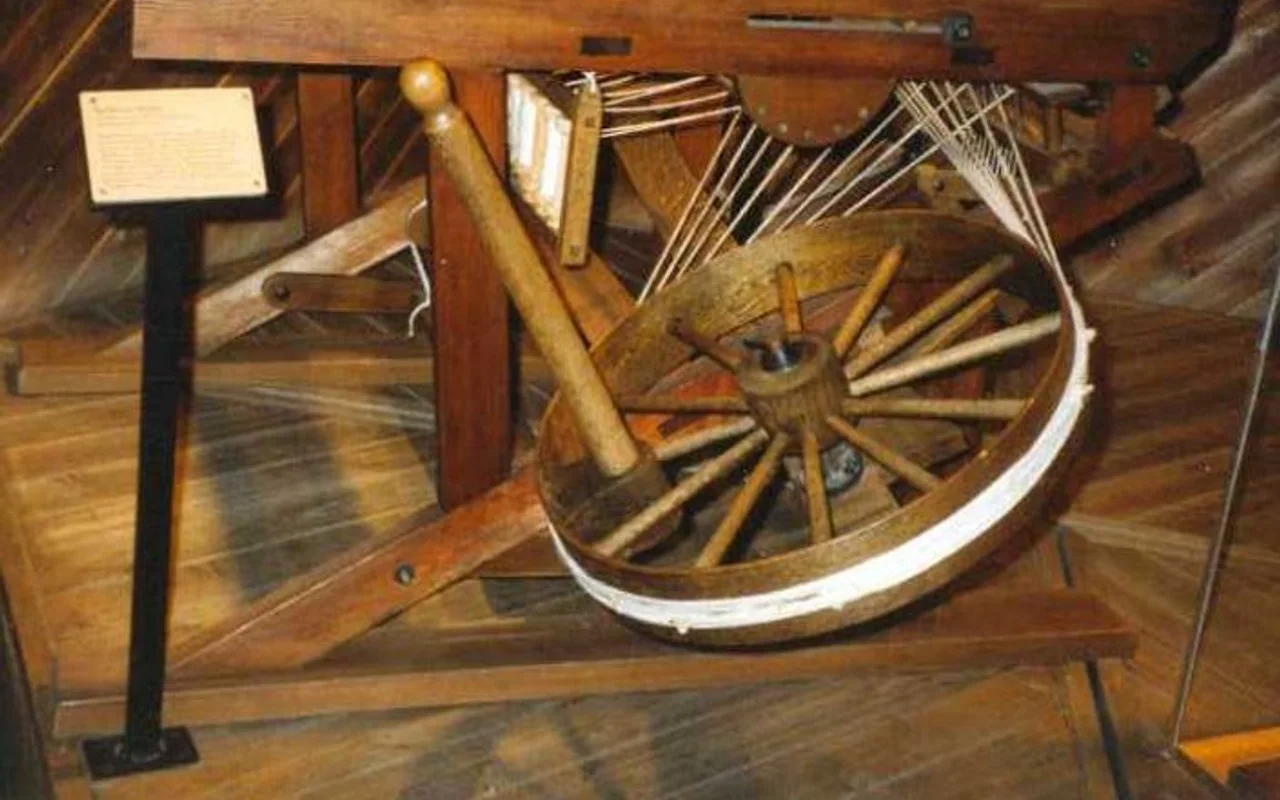
c. 1764–1850 CE · selected British-centred milestonesEurope · TechnologyMechanized textiles, machine tools and factory production

Spinning, weaving, precision metalworking and powered machinery expanded factory production without immediately replacing workshops or domestic labour.

Open dossier ↗
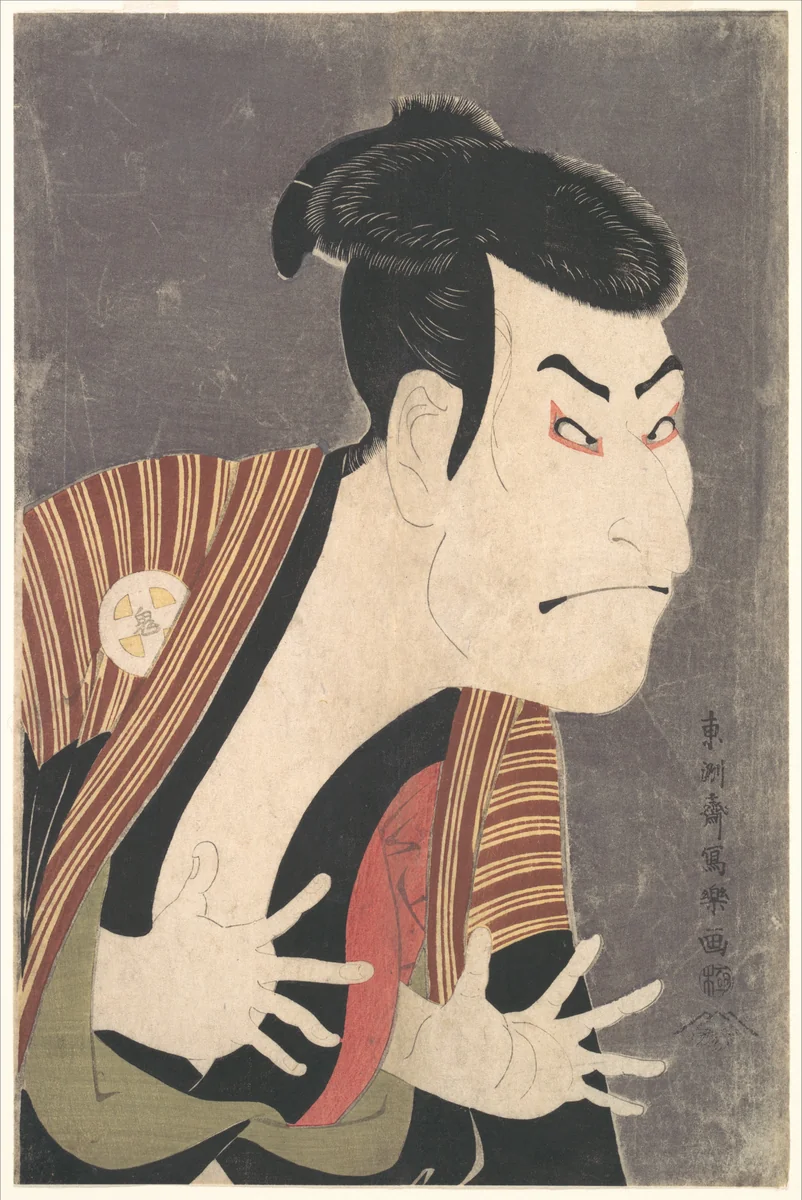
1765–1868 CEAsia · CultureEdo Japan: prints, performers and urban publishing

Color prints connected specialist workshop labor, commercial publishing, theatre and urban fashion in Tokugawa Japan.

Open dossier ↗
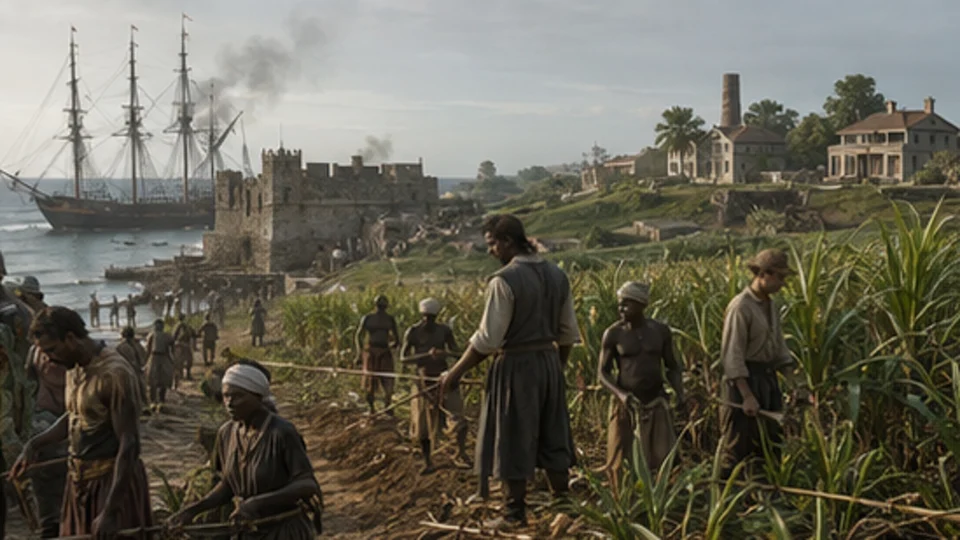
1772–1888 CE · selected Atlantic legal milestonesGlobal · RightsAbolition of Atlantic slave systems

Enslaved people, maroon communities, writers, religious organizers and political movements forced successive restrictions and abolitions across the Atlantic world.

Open dossier ↗
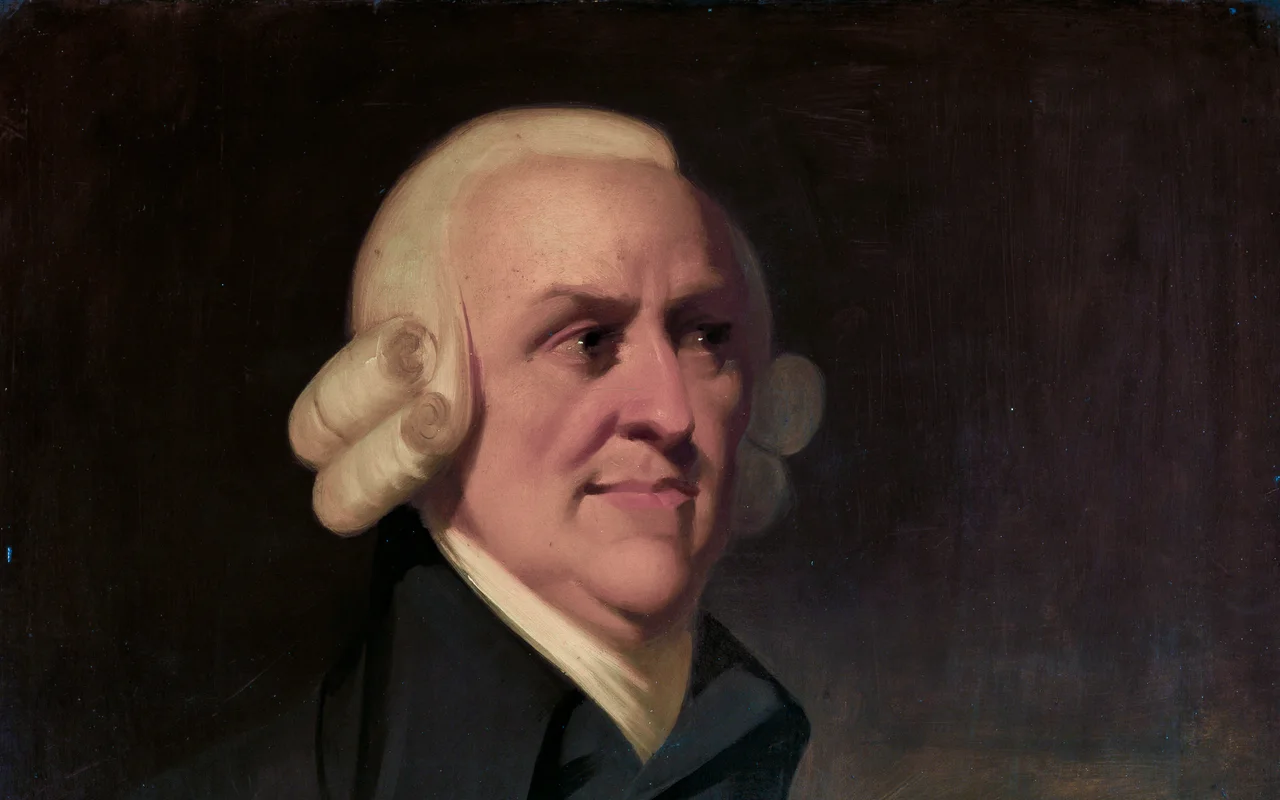
1776–1867 CE · selected publications and debatesEurope · TradePolitical economy and industrial capitalism

Debates over markets, labor, land, value, poverty and industrial growth became formal political economy, from Adam Smith to Karl Marx and many critics of empire and capitalism.

Open dossier ↗
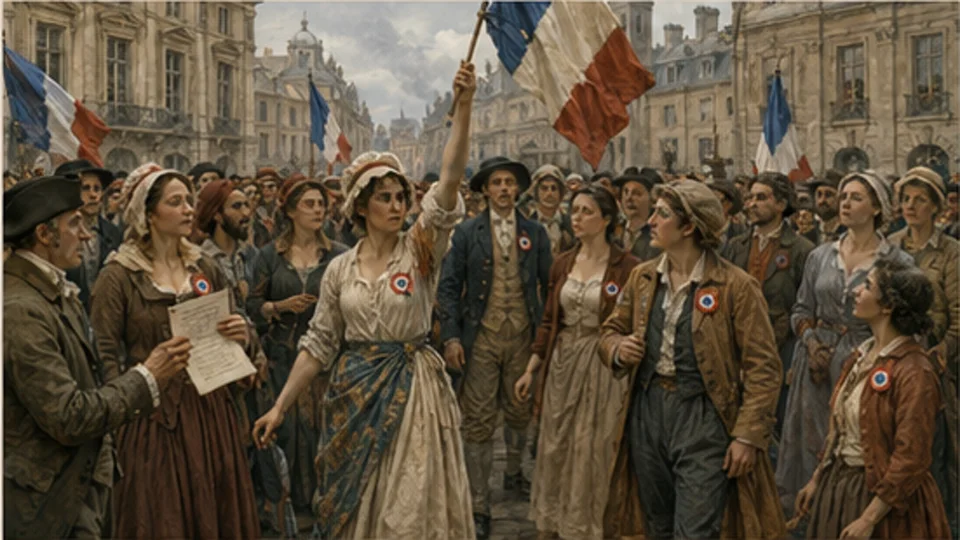
1789–1799 CE · constitutional, republican and imperial phasesEurope · RightsFrench Revolution

Fiscal crisis, inequality and political conflict toppled the monarchy and produced declarations of rights, republic, terror and war.

Open dossier ↗
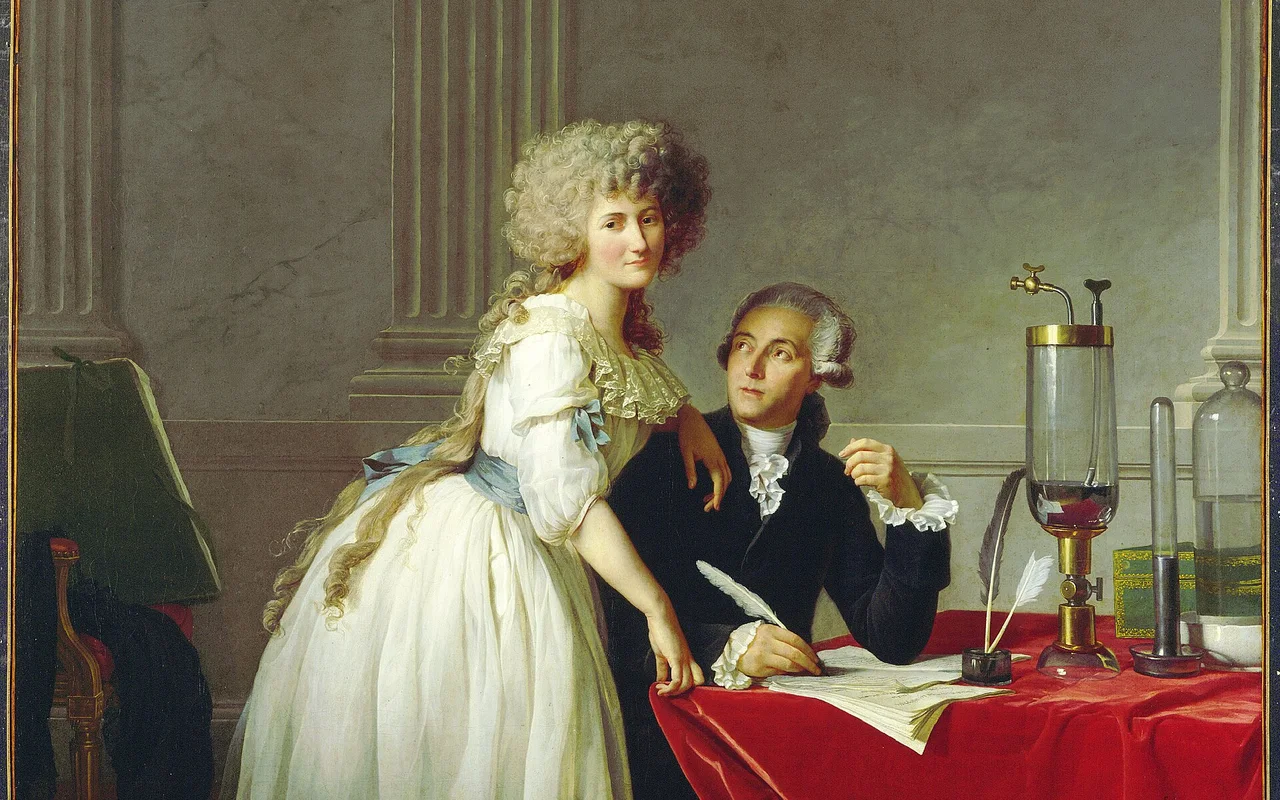
1789–1869 CEEurope · ScienceModern chemistry and the periodic table

Lavoisier’s chemical language and later periodic classifications made elements, mass and recurring properties easier to identify, compare and predict.

Open dossier ↗
1791–1804 CE · uprising, emancipation and independenceAmericas · RightsHaitian Revolution

Enslaved and free people in Saint-Domingue fought colonial armies and internal rivals through revolution, emancipation and the establishment of independent Haiti.

Open dossier ↗
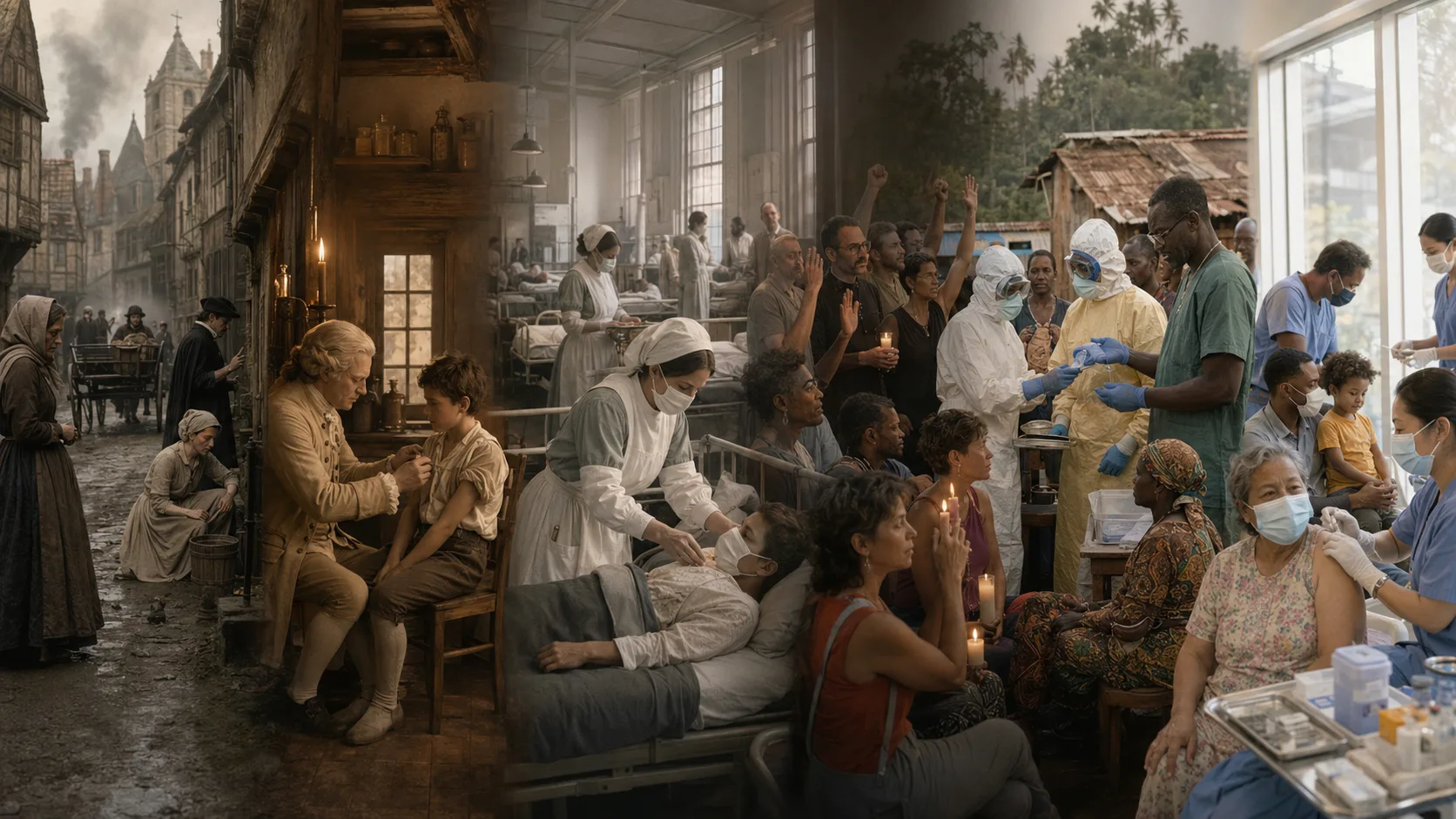
1796–1980 CE · Jenner milestone to certified eradicationGlobal · MedicineSmallpox vaccination

Edward Jenner’s experiment helped formalize vaccination, building on earlier variolation knowledge across Asia, Africa and the Ottoman world.

Open dossier ↗
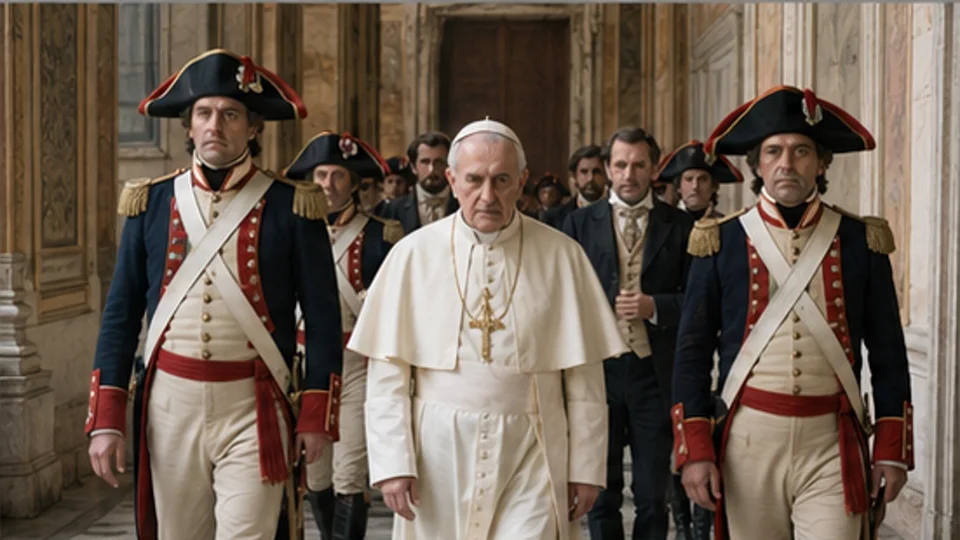
1798–1799 CE · capture, exile and deathEurope · FaithCapture of Pope Pius VI

French revolutionary forces occupied Rome and proclaimed a republic in 1798. Pius VI was removed from Rome, held under French authority and died in exile at Valence in 1799.

Open dossier ↗
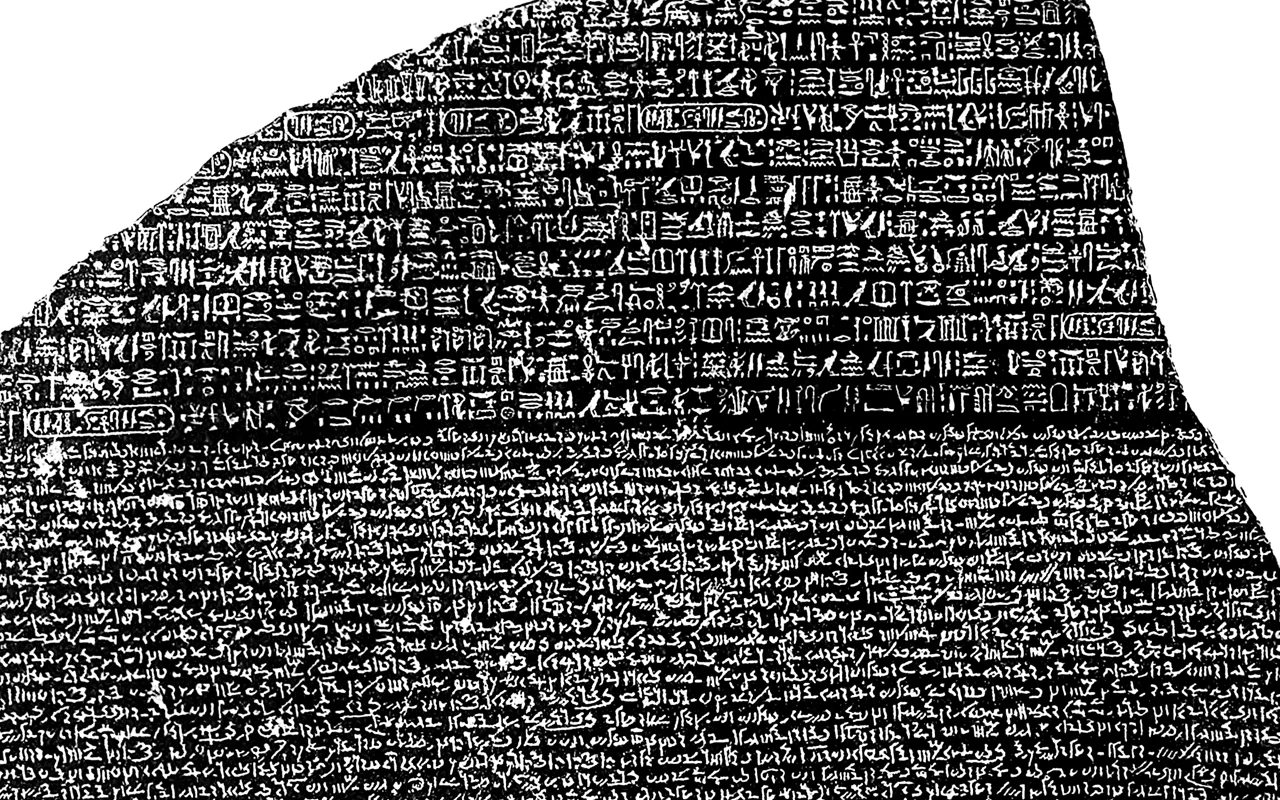
1799–1822 CE · discovery and decipherment milestonesAfrica · ScienceThe Rosetta Stone unlocks hieroglyphs

French soldiers found the trilingual Rosetta Stone at Rashid in 1799. British forces took it in 1801; in 1822 Jean-François Champollion announced a decisive advance built on Thomas Young’s work and earlier scholarship.

Open dossier ↗
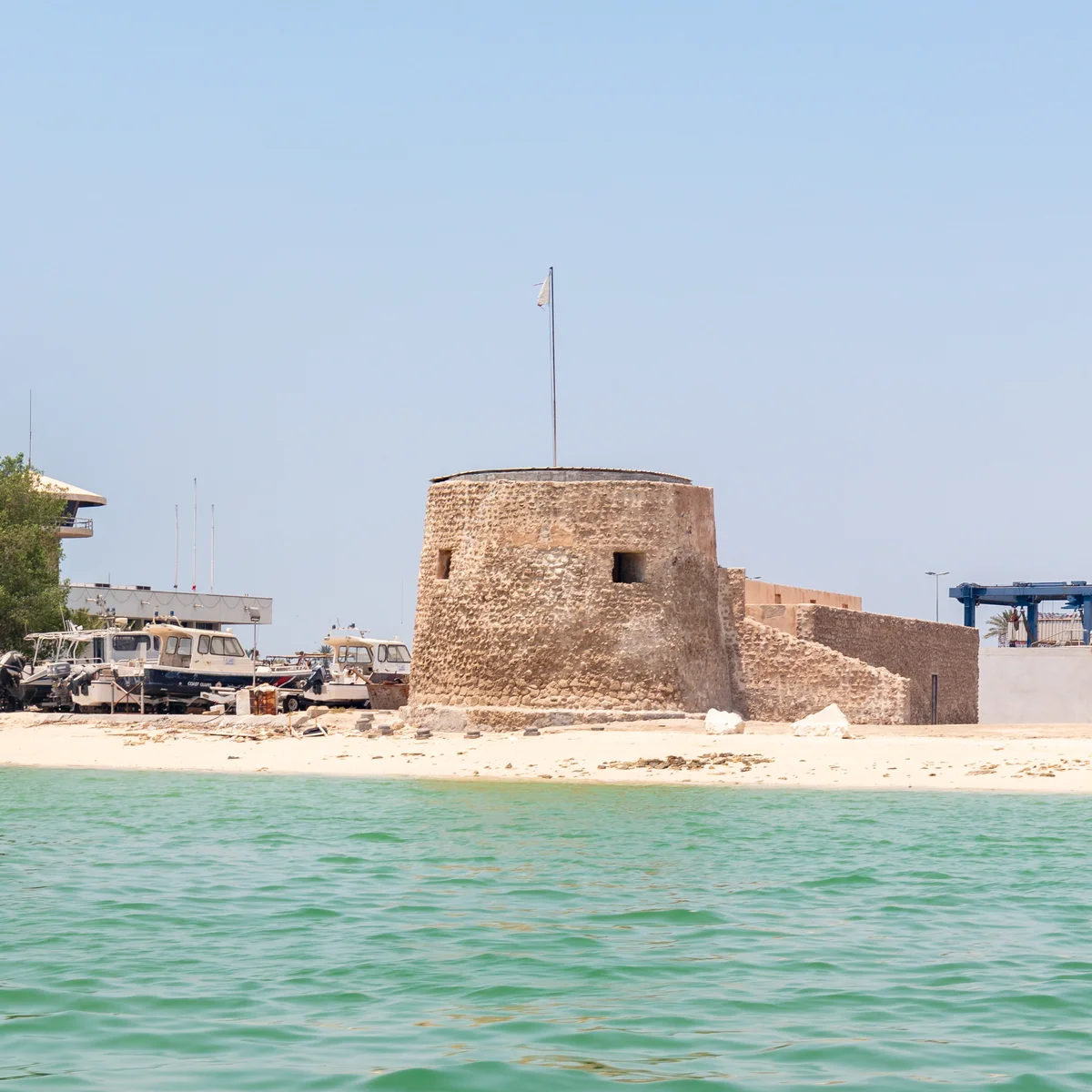
1800–1930 CEMiddle East · TradeBahrain: pearling, maritime work and Muharraq

Before oil, pearls connected Bahrain’s offshore oyster beds with crews, merchant houses and overseas markets. Muharraq preserves traces of this maritime economy, not merely the wealth of its most successful traders.

Open dossier ↗
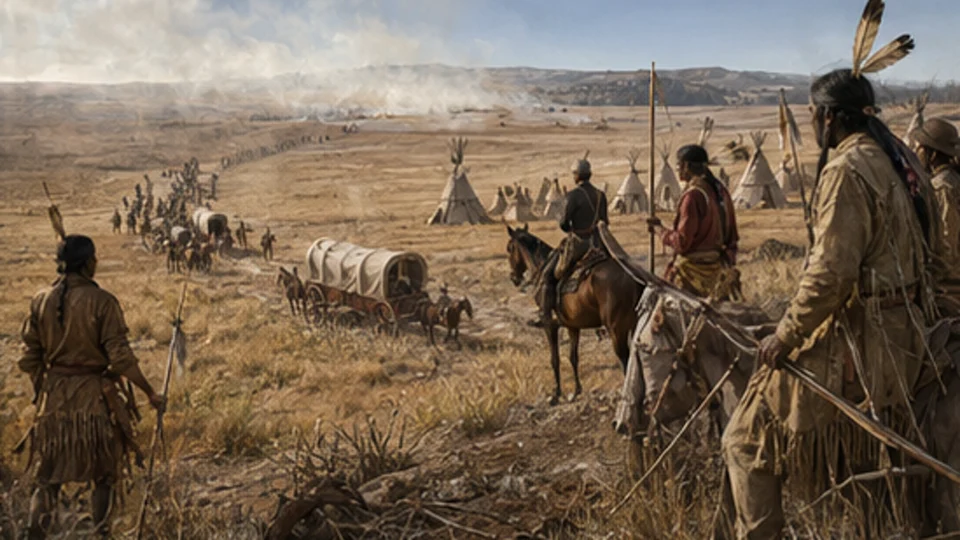
1803–1890 CE · selected U.S. expansion milestonesAmericas · EmpireManifest Destiny and Indigenous wars

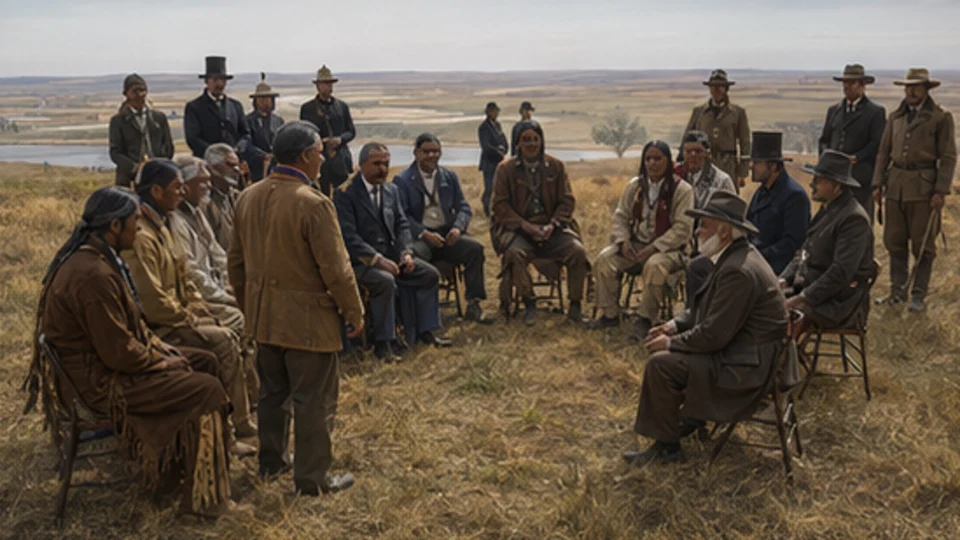
U.S. settlement expanded westward through purchase, annexation, forced removal, broken treaties, warfare and the destruction of Indigenous food systems.

Open dossier ↗
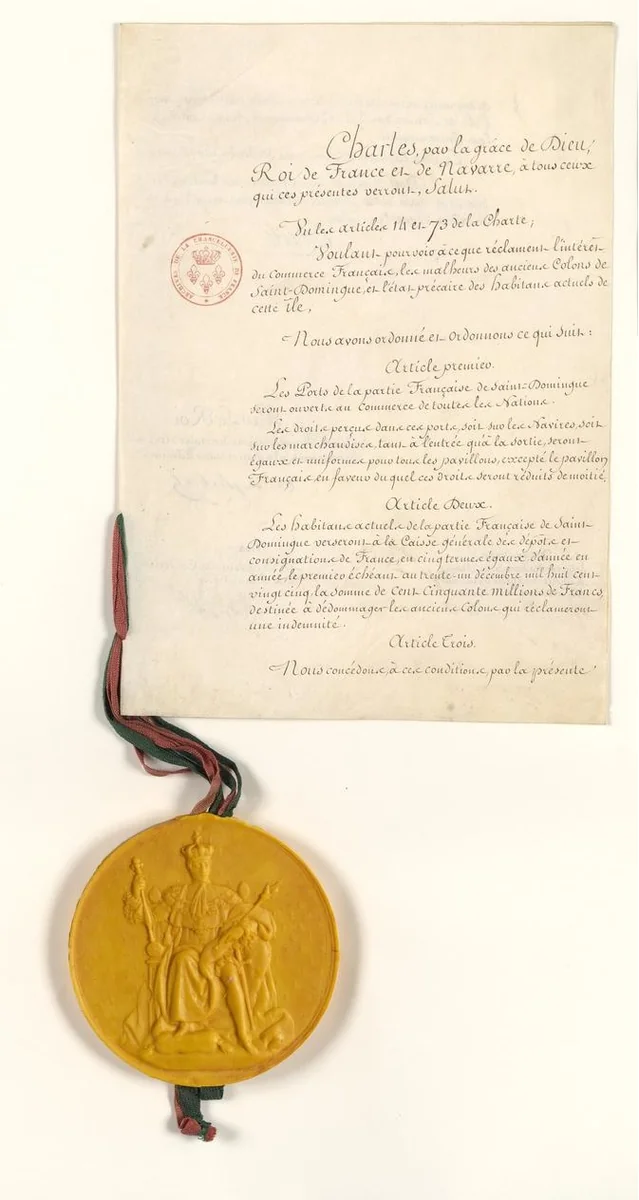
1804–1838 CEAmericas · RightsHaiti: independence, recognition and imposed debt

Haiti won independence in 1804, but recognition by other states followed a different chronology. A French royal ordinance exposes the coercive conditions attached to recognition in 1825; the story continues through renegotiation in 1838.

Open dossier ↗
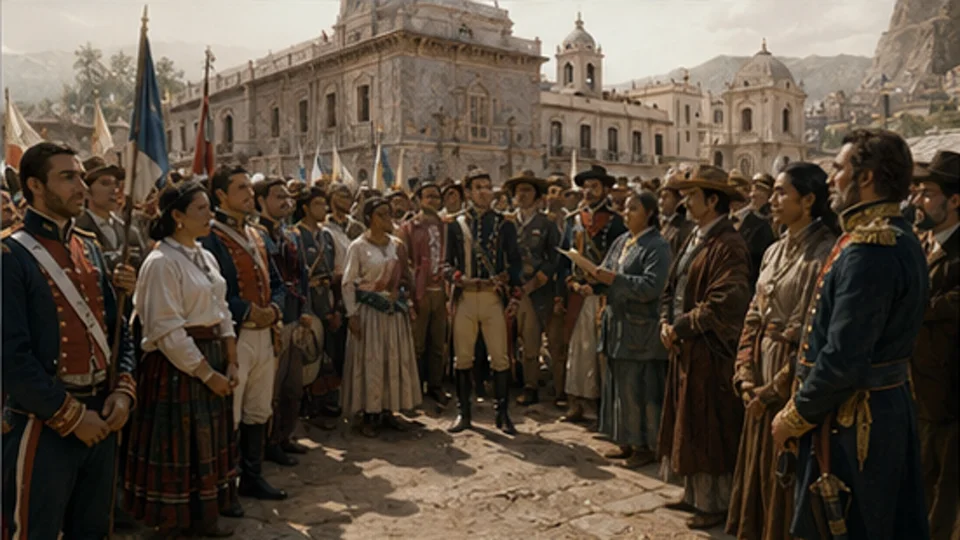
1804–1826 CE · selected mainland independence surveyAmericas · RightsLatin American independence

This selected survey follows wars that ended most Spanish rule in mainland Latin America, while distinguishing Haiti’s earlier revolution, Brazil’s different path and surviving colonial territories.

Open dossier ↗
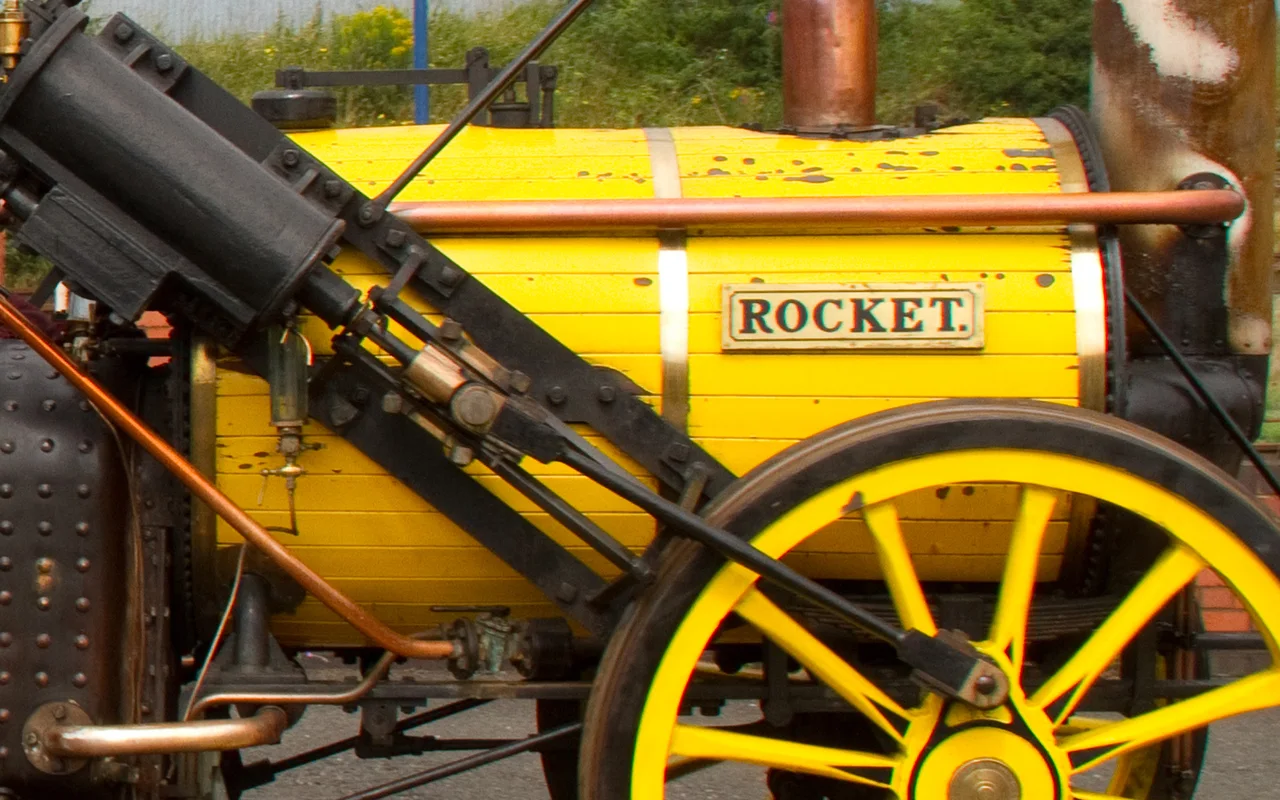
1804–1869 CE · selected locomotive, steamship and railway milestonesGlobal · TechnologyRailways, steamships and networked transport

Selected locomotive, railway and steamship milestones trace how transport became faster and more regular, while older sail, road and river systems continued and regional timelines differed.

Open dossier ↗
1804–1903 CEAfrica · EmpireThe Sokoto Caliphate: political power, plantations and slavery

The nineteenth-century Sokoto Caliphate linked religious reform and state formation to an expanding plantation economy sustained by enslaved labour.

Open dossier ↗
1807–c. 1960 CE · uneven continental surveyAfrica · EmpireFrom abolition to colonial conquest

Across different African regions, uneven abolition measures, African political choices, changing commerce and European naval coercion preceded—but did not mechanically cause—later territorial conquest and colonial rule.

Open dossier ↗
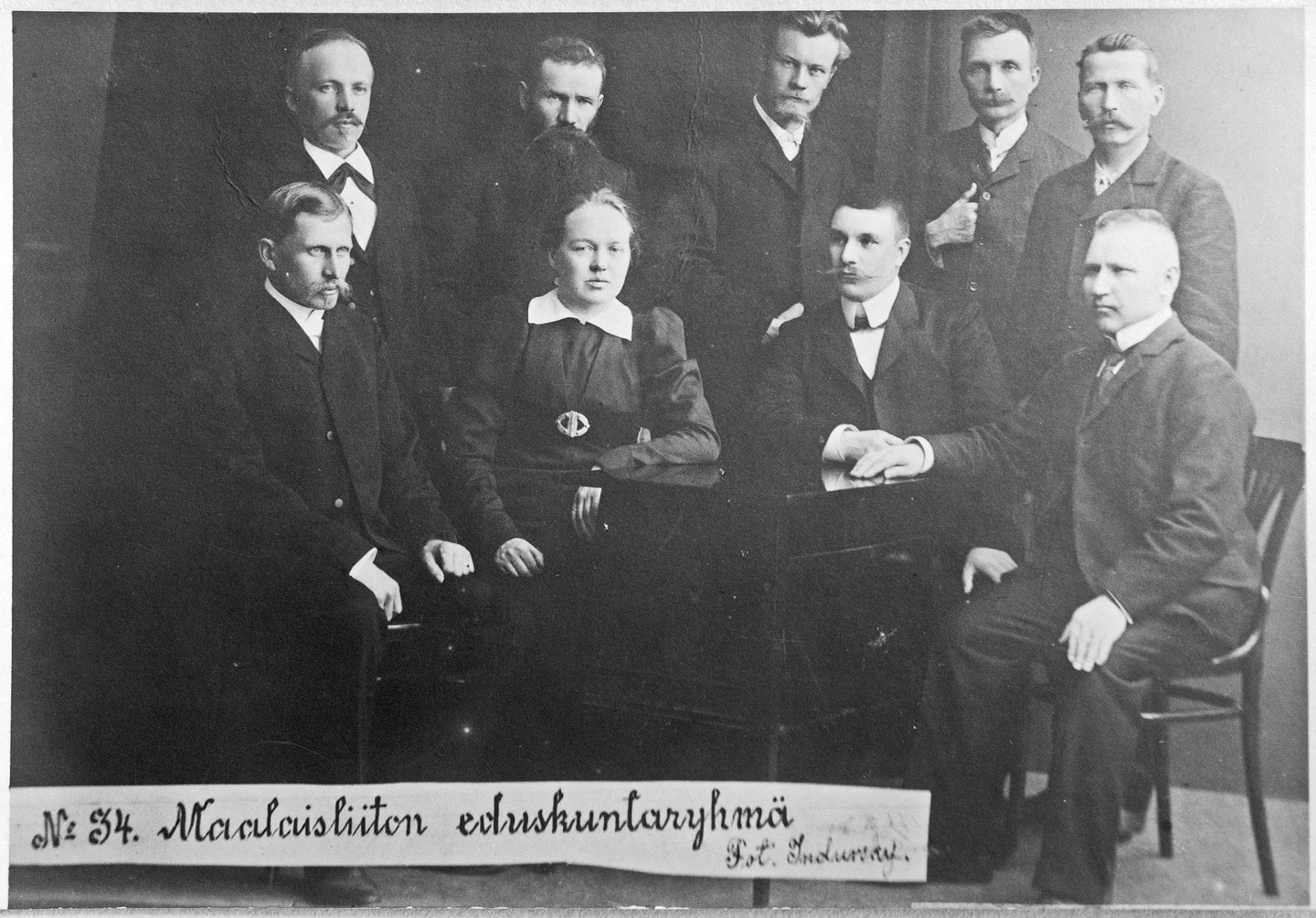
1809–1919 CEEurope · RightsFinland: votes for women, independence and a contested republic

Finland’s parliamentary transformation preceded independence. The election of women in 1907, separation from Russia in 1917, civil war in 1918 and republican settlement in 1919 were distinct—and contested—developments.

Open dossier ↗
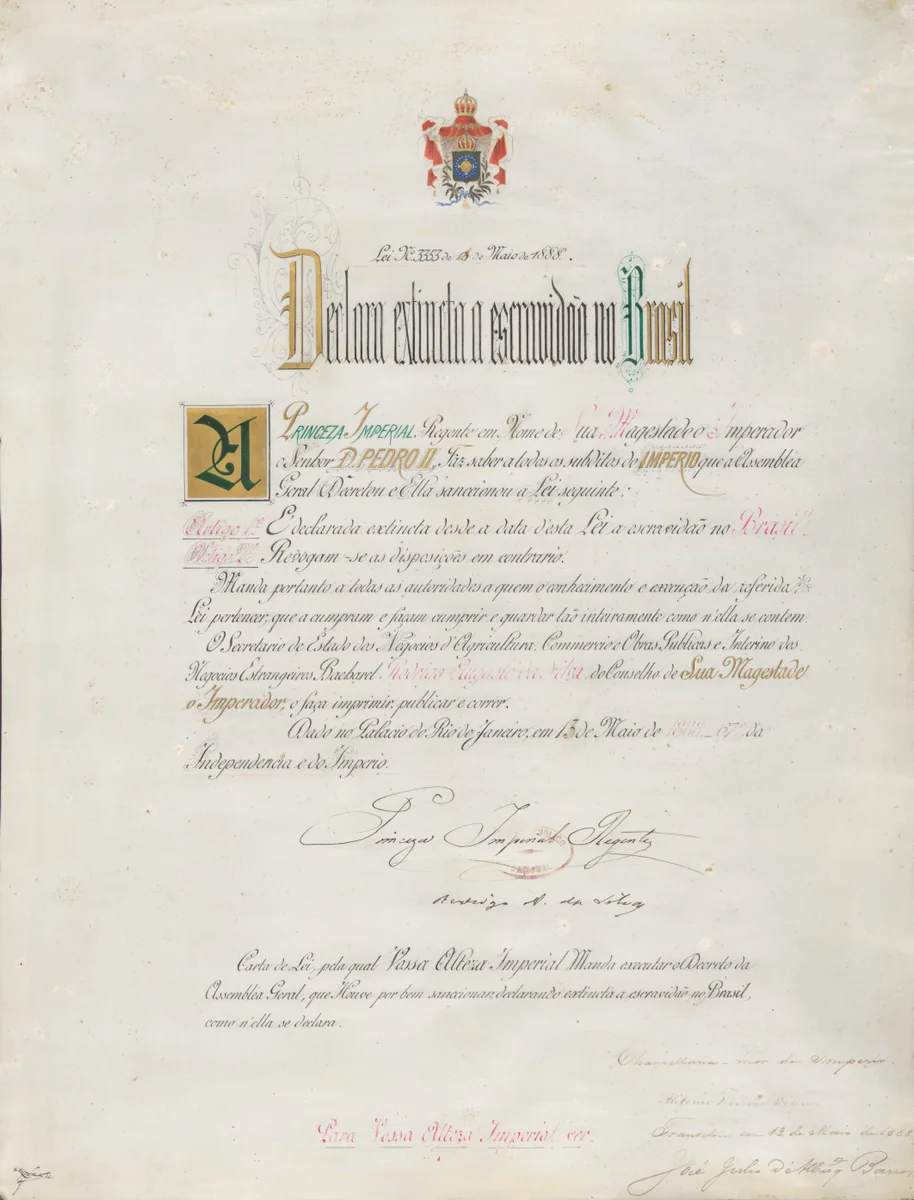
1811–1888 CEAmericas · RightsBrazil: slavery, freedom claims and abolition

Valongo Wharf, a contested freedom suit and the Golden Law illuminate different parts of Brazil’s struggle over slavery. Legal abolition in 1888 was a decisive change, not a complete account of freedom or its consequences.

Open dossier ↗
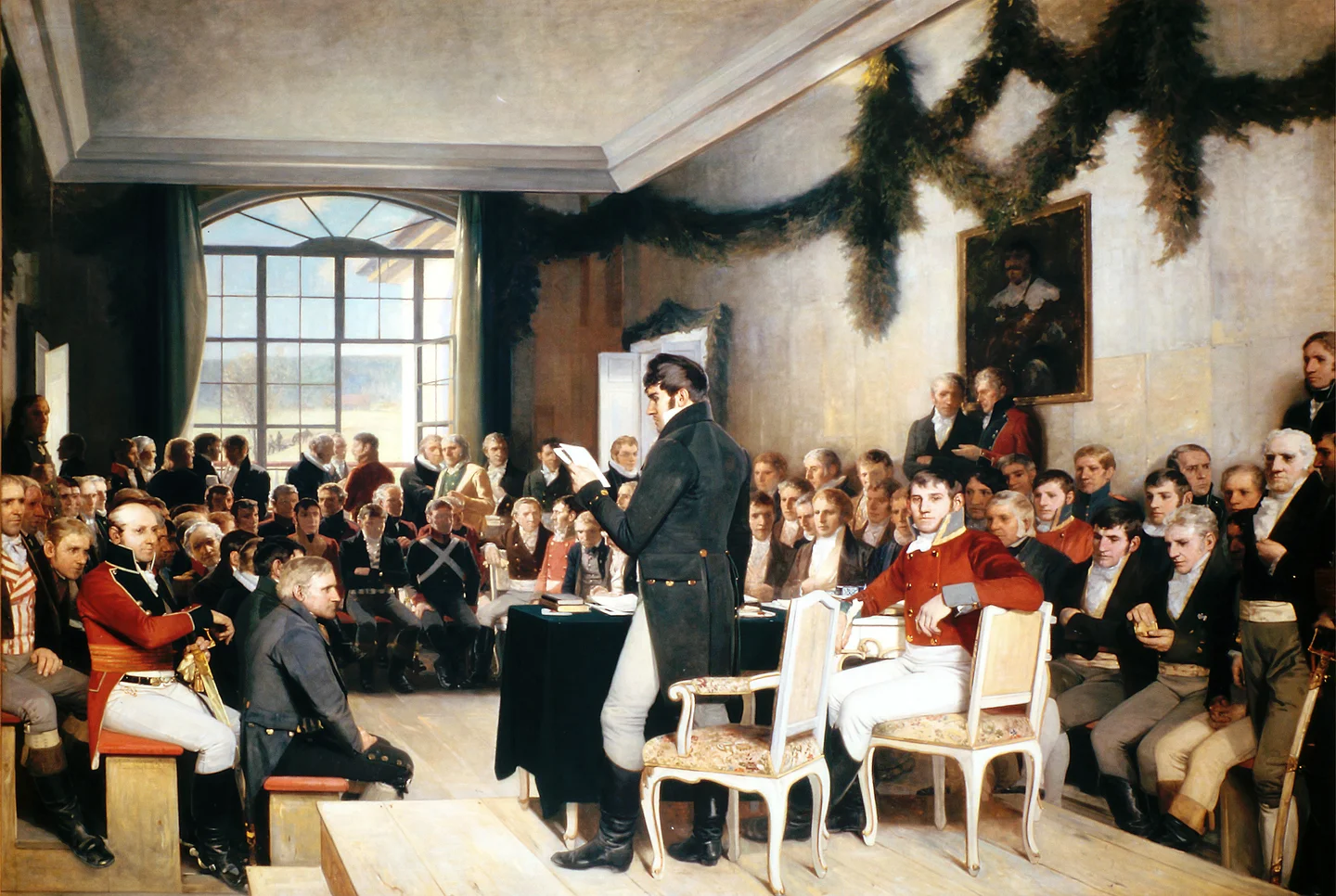
1814–1919 CEEurope · RightsNorway: constitution, union and the expansion of democracy

Norway’s 1814 constitution, its union with Sweden and independence in 1905 were different milestones. Political participation widened through further struggles rather than arriving fully formed at Eidsvoll.

Open dossier ↗
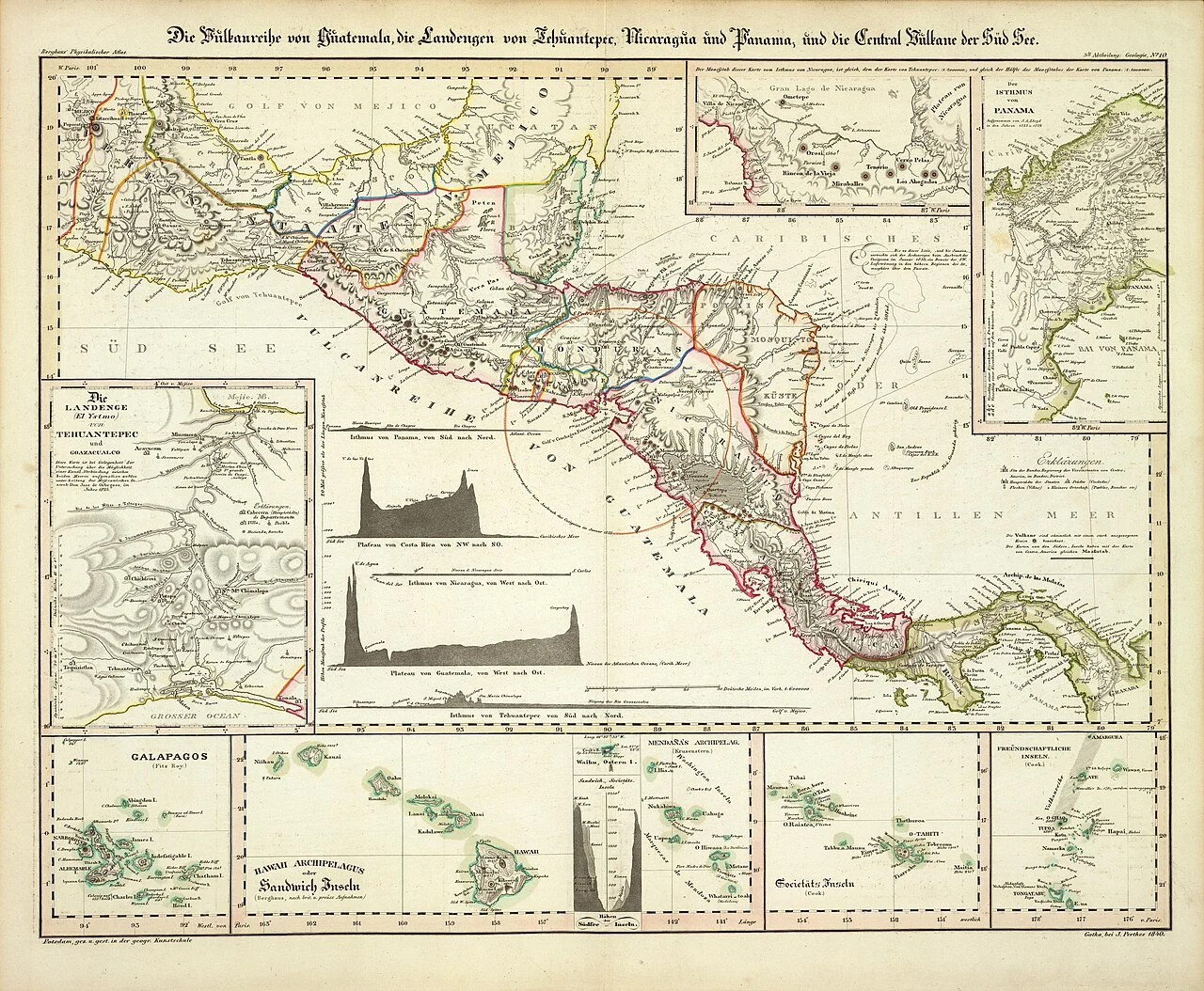
1821–1847 CEAmericas · RightsCentral America: independence and the federal experiment

The five states of a short-lived Central American federation did not emerge through identical national stories. Independence, a federal constitution and a prolonged breakup must be distinguished from one another.

Open dossier ↗
1824–1901 CE · selected wars and colonial annexationAfrica · WarAsante–British Wars

Successive conflicts pitted Asante sovereignty against British expansion on the Gold Coast. Yaa Asantewaa led the 1900 War of the Golden Stool; Britain annexed Asante in 1901 without ending Asante identity or institutions.

Open dossier ↗
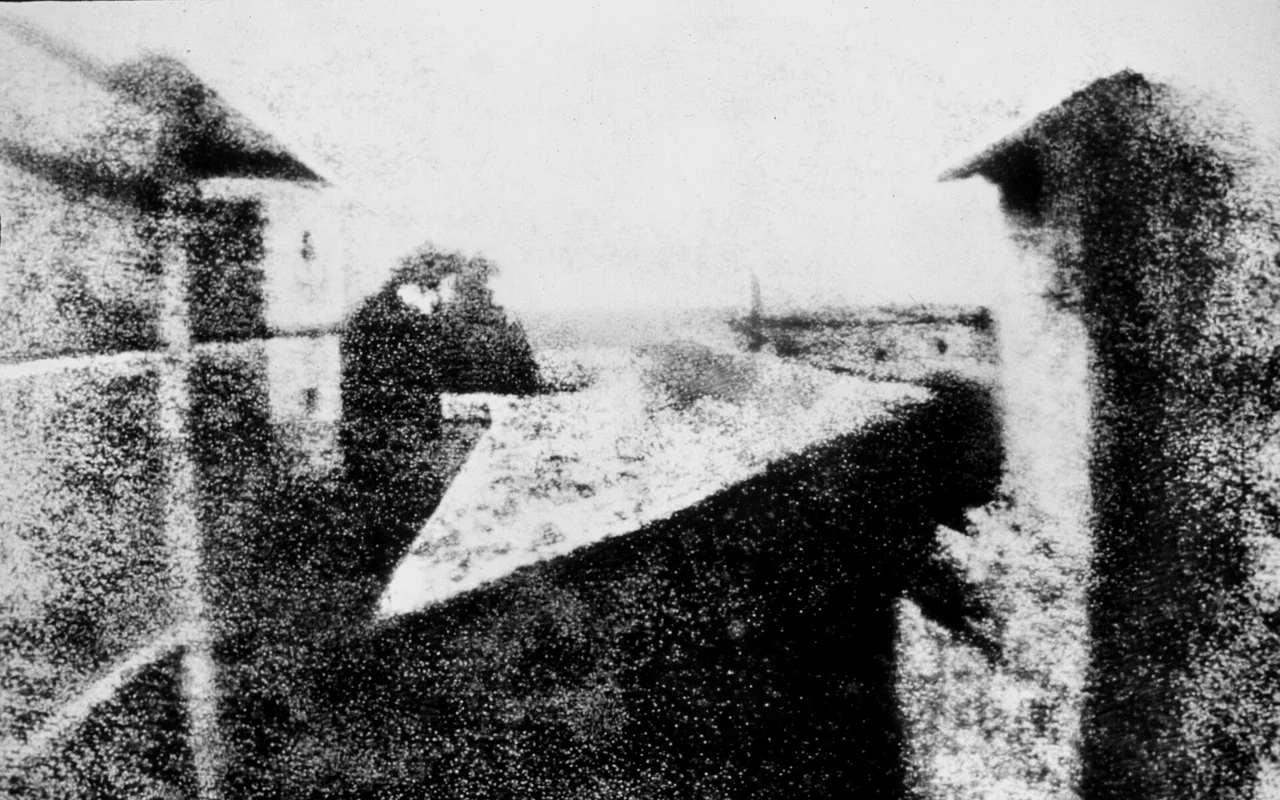
c. 1826–1895 CE · selected imaging and projection milestonesEurope · TechnologyPhotography, film and the recorded image

Experiments by many makers produced chemical photography and then projected motion pictures. The selected European and North American milestones do not represent every photographic tradition or one inventor’s achievement.

Open dossier ↗
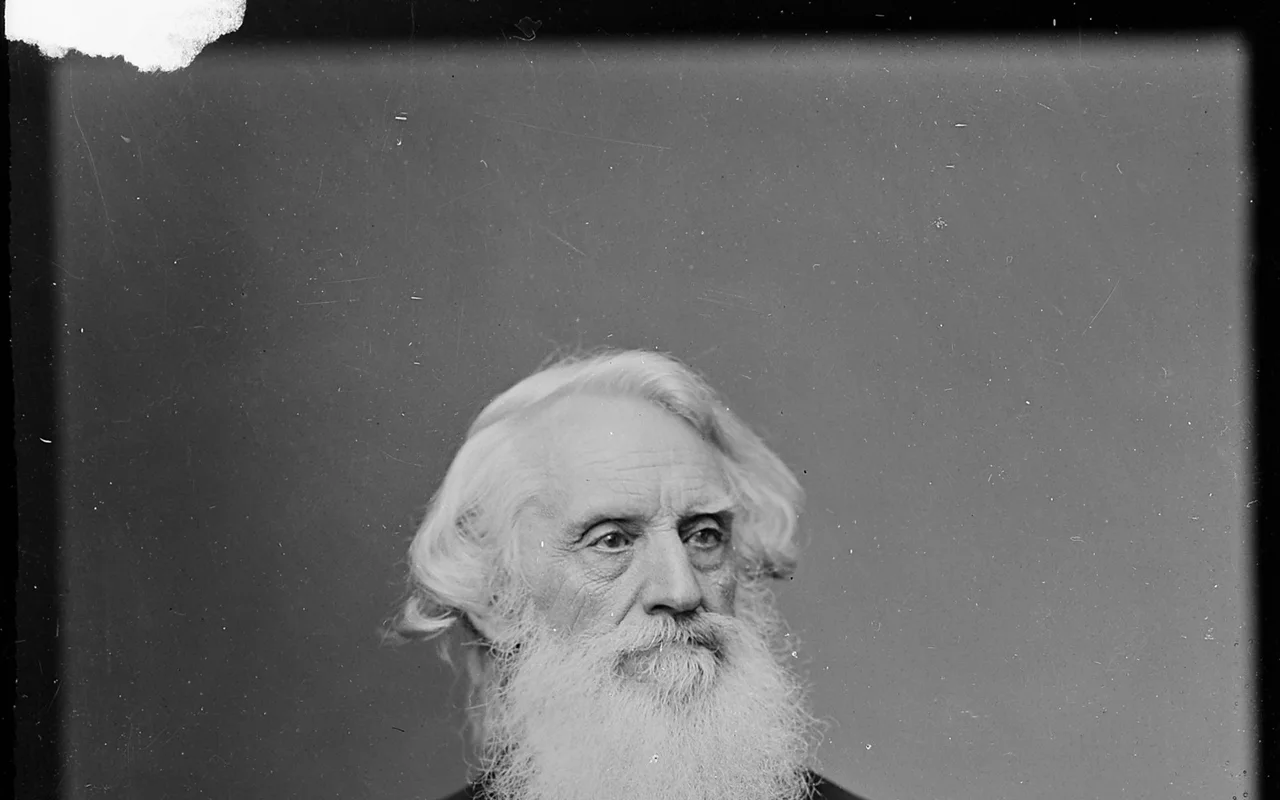
1837–1901 CE · selected signal and recording milestonesGlobal · TechnologyElectrical communication and recording

Selected telegraphy, telephony, sound-recording and radio milestones show distinct technologies becoming systems for rapid communication, coordination and mass media through infrastructure and operator labour.

Open dossier ↗
1838 CEOceania · EmpireAustralian frontier violence: Myall Creek and its aftermath

The killing of Gamilaraay people at Myall Creek exposes the violence accompanying settler expansion and the exceptional nature of the prosecutions that followed.

Open dossier ↗
1838–1906 CE · selected cell, physiology and neuron milestonesEurope · MedicineCell theory, neurons and modern physiology

Microscopy, cell theory, experimental physiology and competing work on nervous tissue gradually recast living bodies as organized systems of cells, organs, signals and chemical processes.

Open dossier ↗
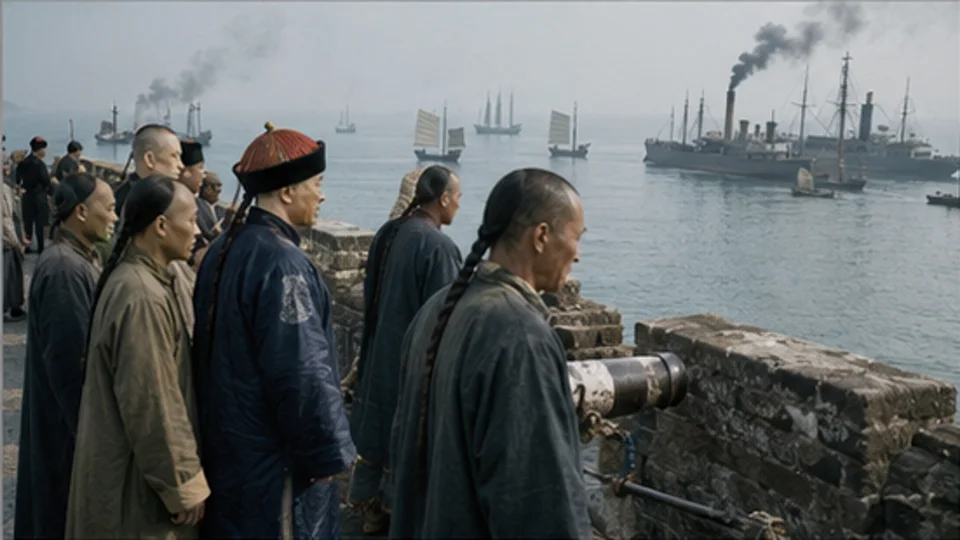
1839–1842 and 1856–1860 CE · two imperial warsAsia · TradeOpium Wars

Britain fought Qing China in 1839–1842; Britain and France fought the second war in 1856–1860. Opium commerce, diplomatic conflict and military coercion produced unequal treaties and expanded treaty-port access.

Open dossier ↗
1840 CEOceania · RightsTe Tiriti o Waitangi and contested sovereignty

An agreement between Māori rangatira and the British Crown became central to New Zealand’s history. Its Māori and English texts conveyed different understandings of authority.

Open dossier ↗
1845–1852 CEEurope · RightsThe Great Famine in Ireland: distress, relief and the archive

The famine devastated Irish communities. Records of pleas for assistance reveal both local suffering and the institutions responsible for relief.

Open dossier ↗
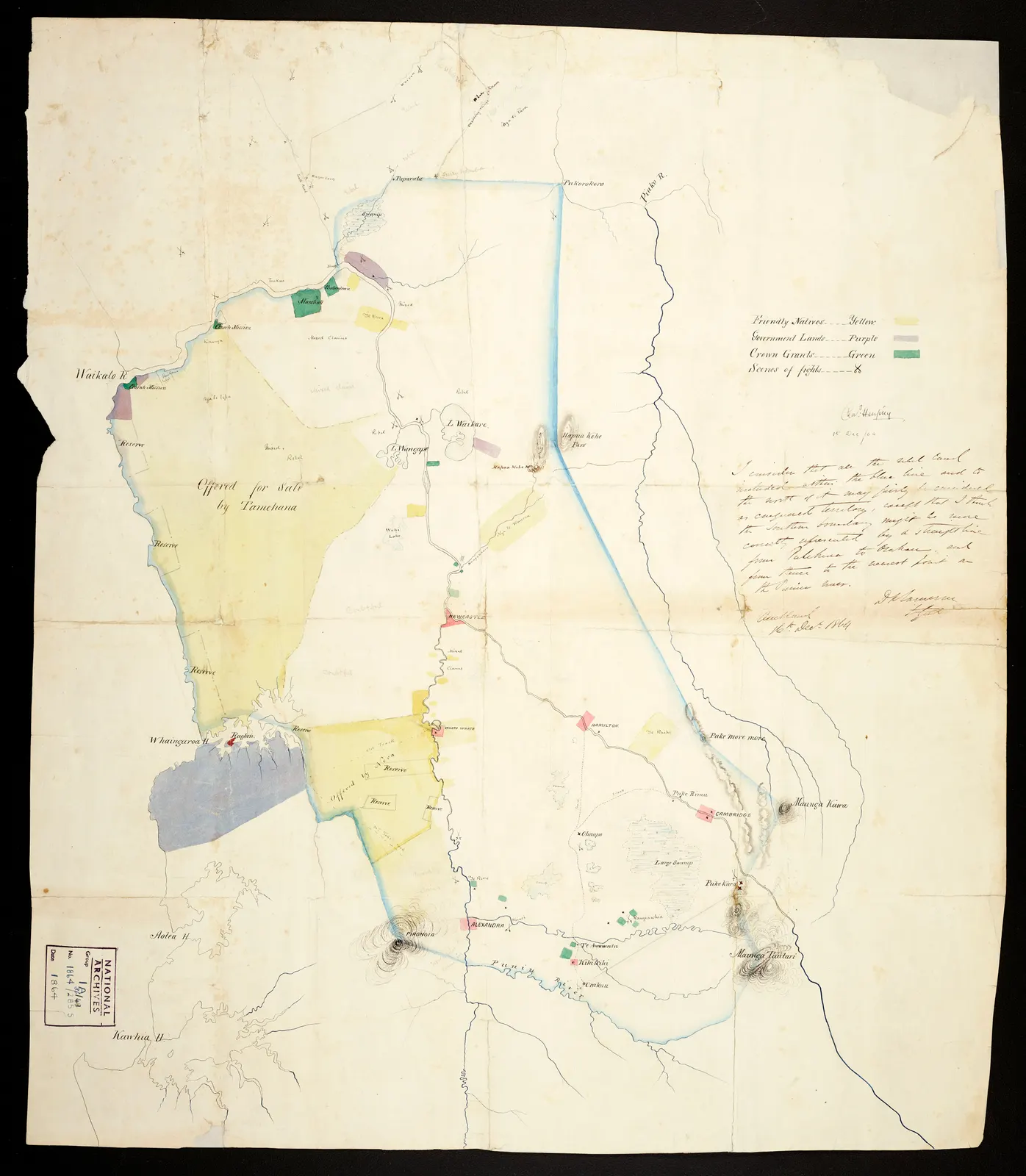
1845–1872 CEOceania · WarThe New Zealand Wars: land, alliances and sovereignty

Wars between Crown forces, Māori opponents and Māori allies of the Crown reshaped authority and landholding across the North Island.

Open dossier ↗
1846–1885 CEGlobal · MedicineAnesthesia, germ theory and public health

Anesthesia made new forms of surgery possible while germ theory, antisepsis, vaccination and sanitation changed how communities explained and prevented disease.

Open dossier ↗
1846–1848 CE · war, treaty and territorial transferAmericas · WarMexican–American War

War after the U.S. annexation of Texas and a disputed border ended in the Treaty of Guadalupe Hidalgo, which transferred extensive Mexican territory to the United States without making Indigenous nations parties to the settlement.

Open dossier ↗
1848–1849 CEEurope · RightsThe revolutions of 1848–1849 and the Frankfurt Assembly

Liberal, democratic and national movements challenged Europe’s established order. The Frankfurt Assembly attempted to create a constitutional German nation-state.

Open dossier ↗
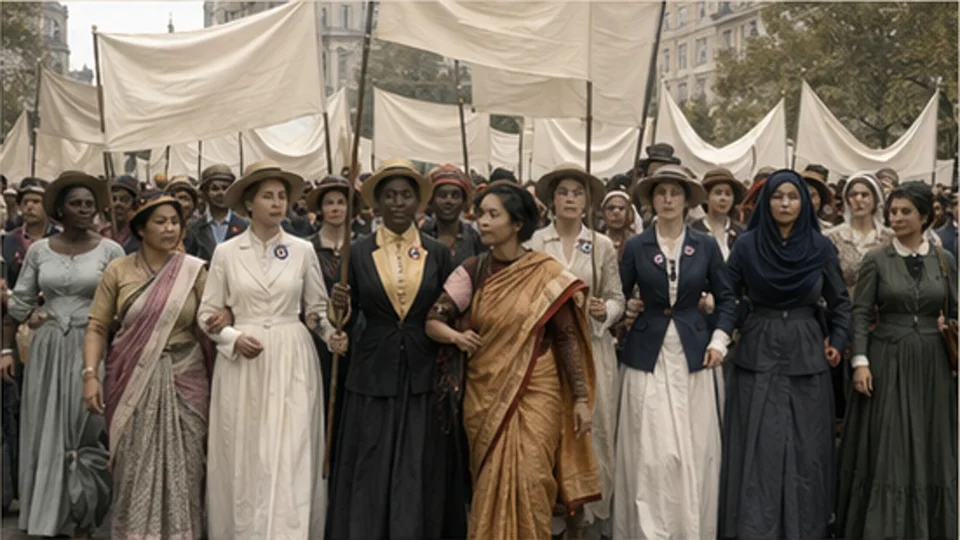
1848–1920 CE · selected U.S. and British movement milestonesGlobal · RightsWomen’s rights and suffrage movements

This selected U.S. and British survey follows conventions, petitions, publications and civil disobedience for legal personhood, property rights and the vote; suffrage chronologies differed worldwide.

Open dossier ↗
1850–1864 CEAsia · WarThe Taiping rebellion and the crisis of Qing rule

Hong Xiuquan’s movement challenged the Qing state with a rival religious and political programme. Civil war devastated large parts of China.

Open dossier ↗
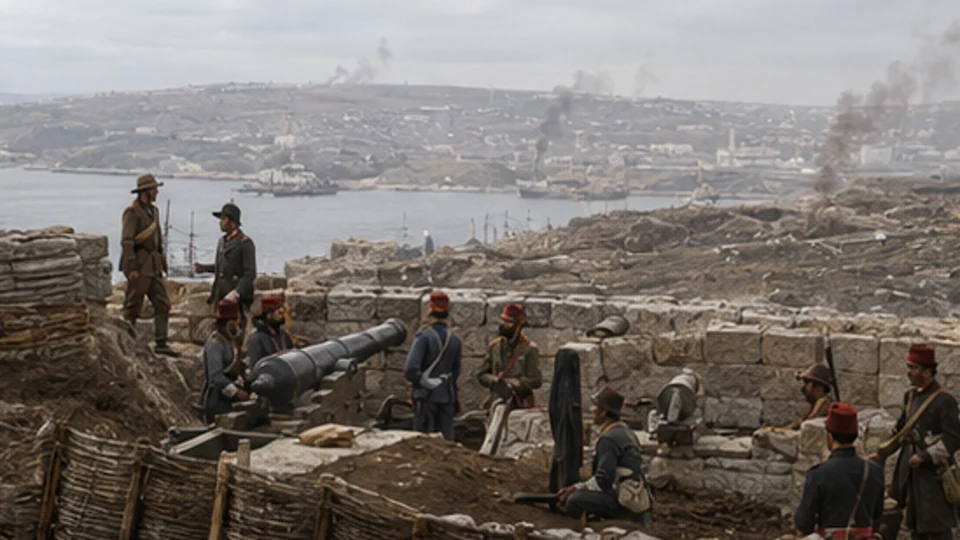
1853–1856 CE · Black Sea and wider coalition warEurope · WarCrimean War

Russia fought an alliance of the Ottoman Empire, Britain, France and Sardinia-Piedmont, chiefly around the Black Sea and Crimea.

Open dossier ↗
1857–1858 CEAsia · EmpireIndian Rebellion of 1857 and the end of Company rule

A military uprising became a wider challenge to the East India Company, drawing in rulers and civilians with different grievances and goals.

Open dossier ↗
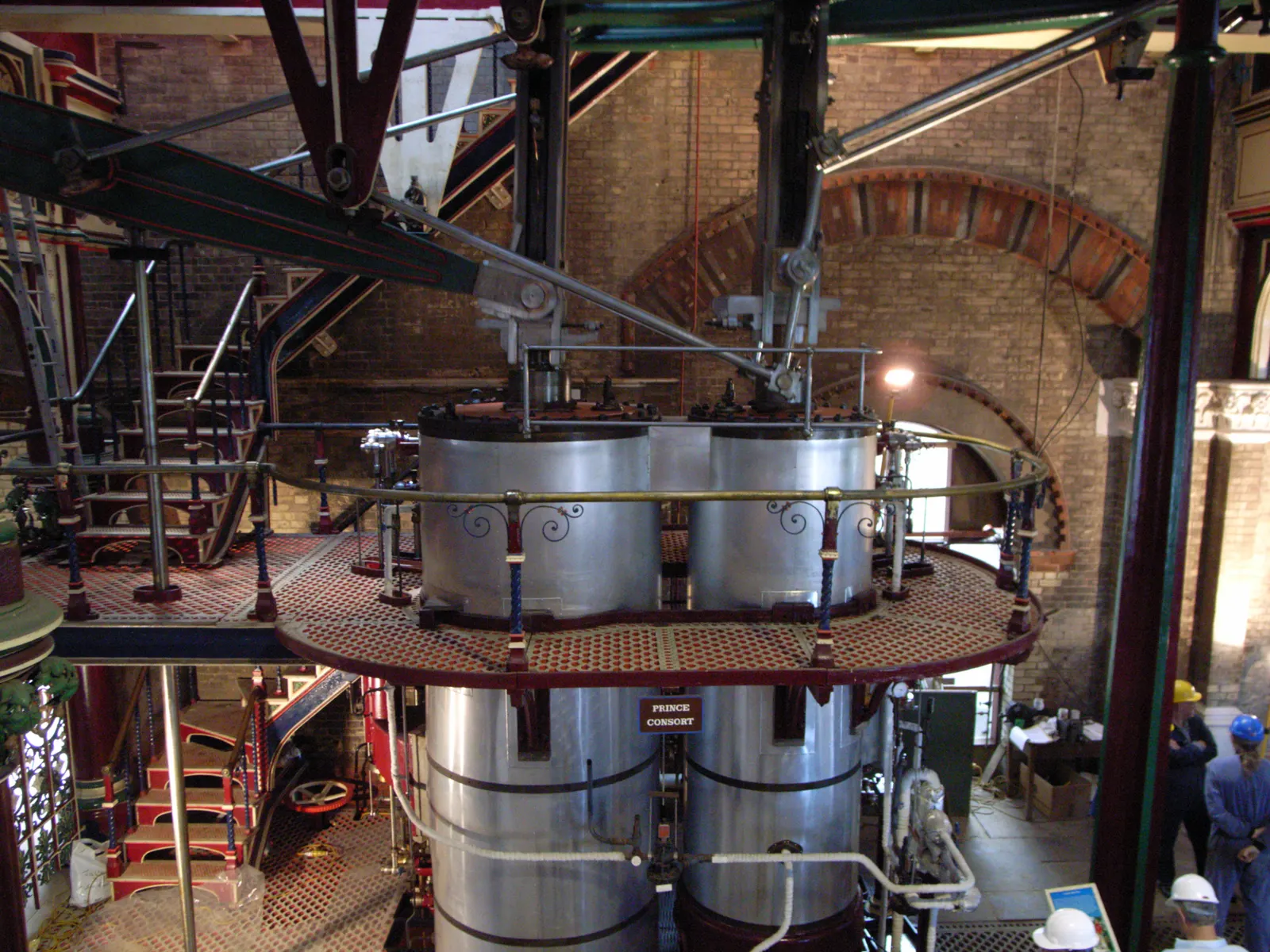
1858–1875 CEEurope · MedicineLondon’s sanitation: waste, water and public works

Rapid urban growth overwhelmed older waste systems. London’s sewer works show how public health depended on engineering, finance and the work of maintenance.

Open dossier ↗
1859–1866 CE · selected evolution and inheritance publicationsEurope · ScienceEvolution and heredity

Darwin and Wallace developed natural selection, while Mendel’s pea experiments addressed inheritance through a distinct research programme. Their later synthesis was not completed in 1866.

Open dossier ↗
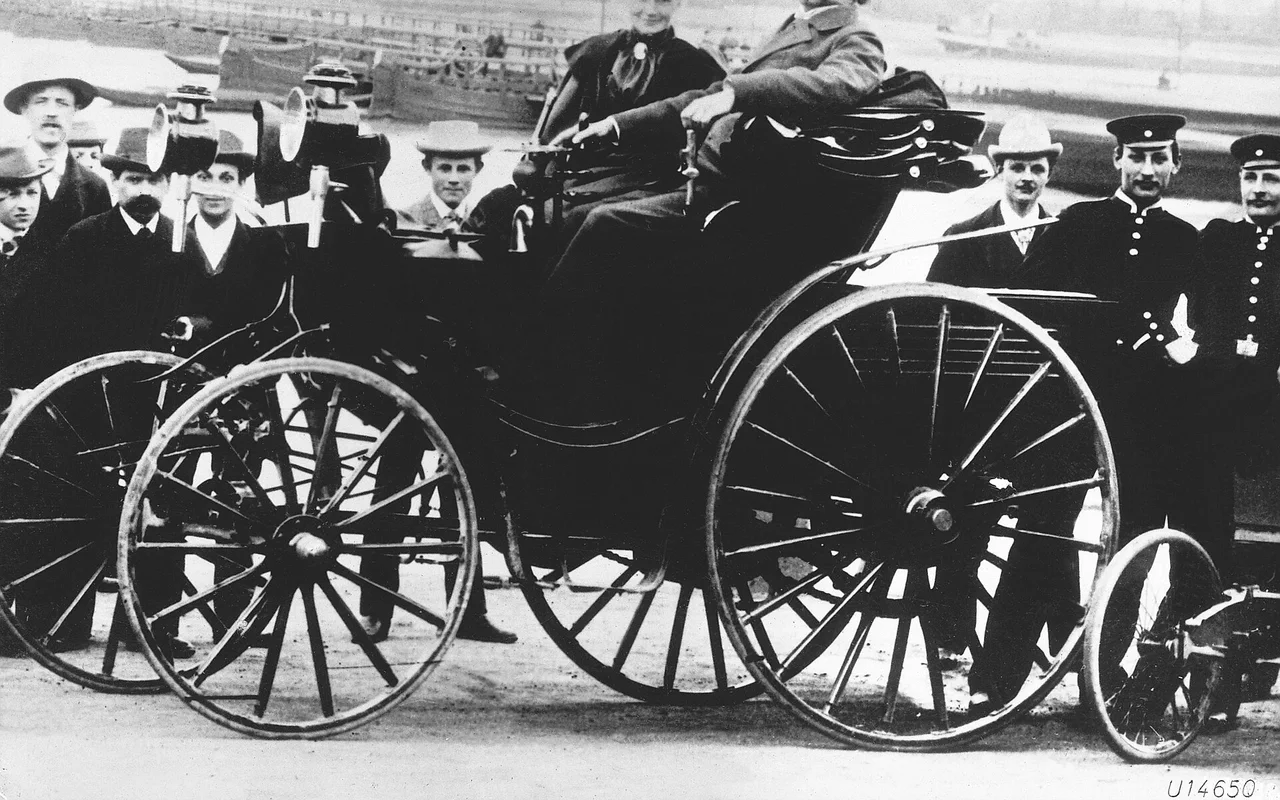
c. 1860–1913 CE · selected engine, automobile and production milestonesGlobal · TechnologyInternal combustion, automobiles and mass mobility

Selected European and U.S. engine, automobile and factory milestones trace a transition toward motor transport; widespread mass mobility developed later and unevenly around the world.

Open dossier ↗
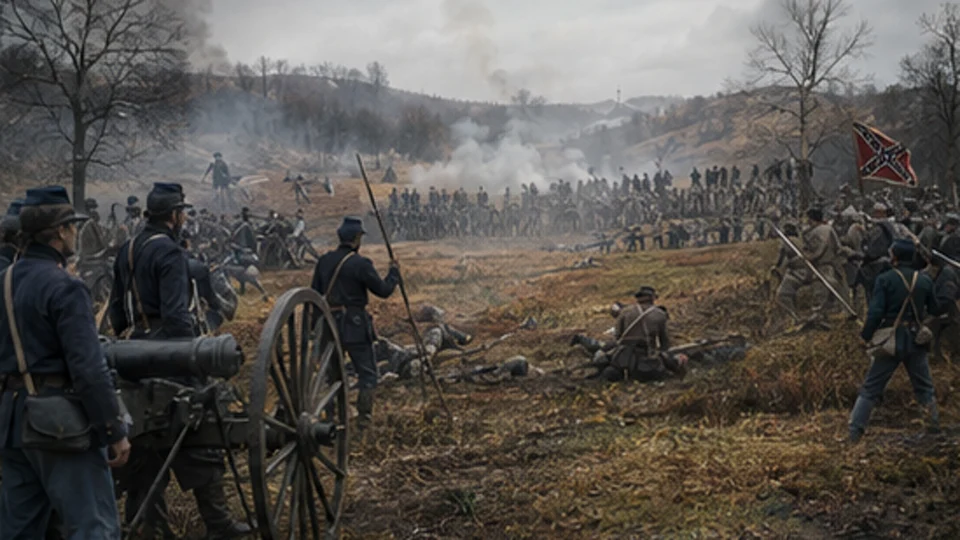
1861–1865 CE · civil war and wartime emancipationAmericas · WarAmerican Civil War and emancipation

Eleven slaveholding states attempted secession to protect slavery. Enslaved people’s actions, wartime emancipation, Black military service, Union victory and the Thirteenth Amendment destroyed legal chattel slavery.

Open dossier ↗
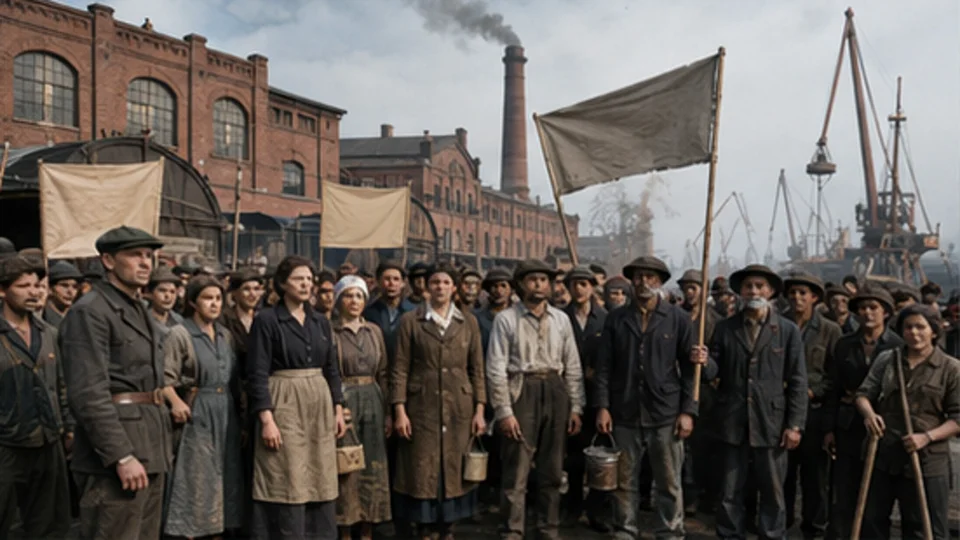
1864–1938 CE · selected organising and labour-law milestonesGlobal · RightsLabour and trade-union movements

Workers built unions, parties and international organizations to contest dangerous conditions, low wages and political exclusion.

Open dossier ↗
1865–1900 CEAmericas · RightsReconstruction, citizenship and the rise of Jim Crow

Emancipation opened a struggle over citizenship, political participation and freedom. Reconstruction’s gains met organised violence and the subsequent expansion of segregation.

Open dossier ↗
1867–1999 CE · selected state-building and Indigenous-resistance milestonesAmericas · RightsCanada, Confederation and Indigenous resistance

Canadian Confederation expanded west and north through treaties, settlement and coercion; First Nations, Inuit and Métis communities negotiated, resisted and survived dispossession and residential schools.

Open dossier ↗
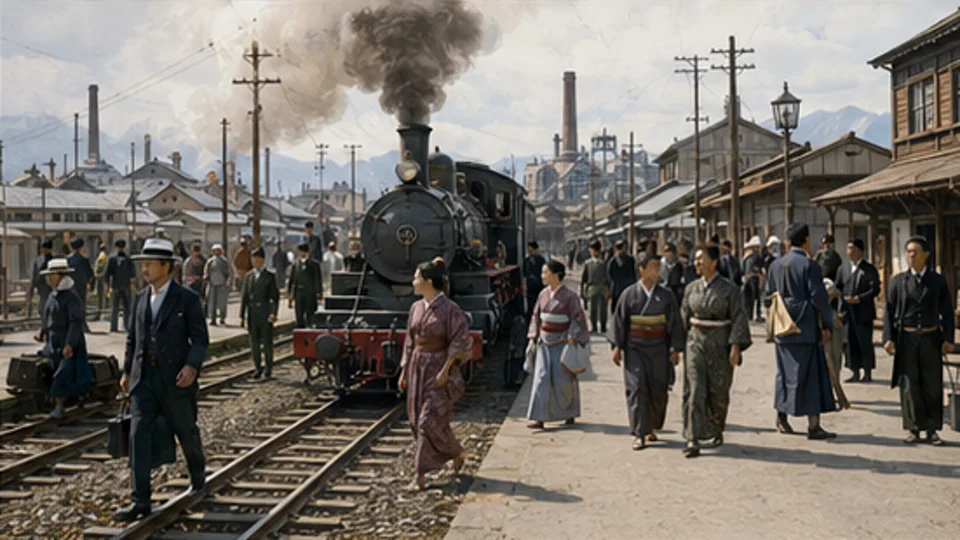
1868–1912 CE · Meiji reign and imperial transformationAsia · TechnologyMeiji transformation of Japan

Japan centralized government, industrialized rapidly and reorganized education and the military while building an empire of its own.

Open dossier ↗
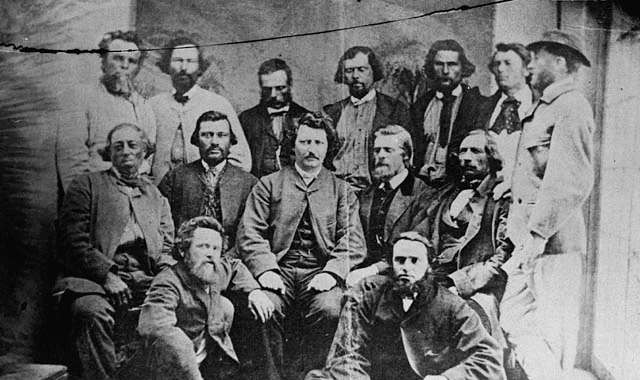
1869–1870 CEAmericas · RightsRed River: Métis government and the making of Manitoba

Manitoba’s entry into Confederation was negotiated through Métis political action. The photograph of the provisional government challenges a story in which Canadian expansion simply happened to an unrepresented population.

Open dossier ↗
1870–1893 CEEurope · RightsMass schooling in England and Wales: access, fees and attendance

State-supported school provision, compulsory attendance and the removal of fees developed through separate reforms. Family livelihoods affected whether children could attend.

Open dossier ↗
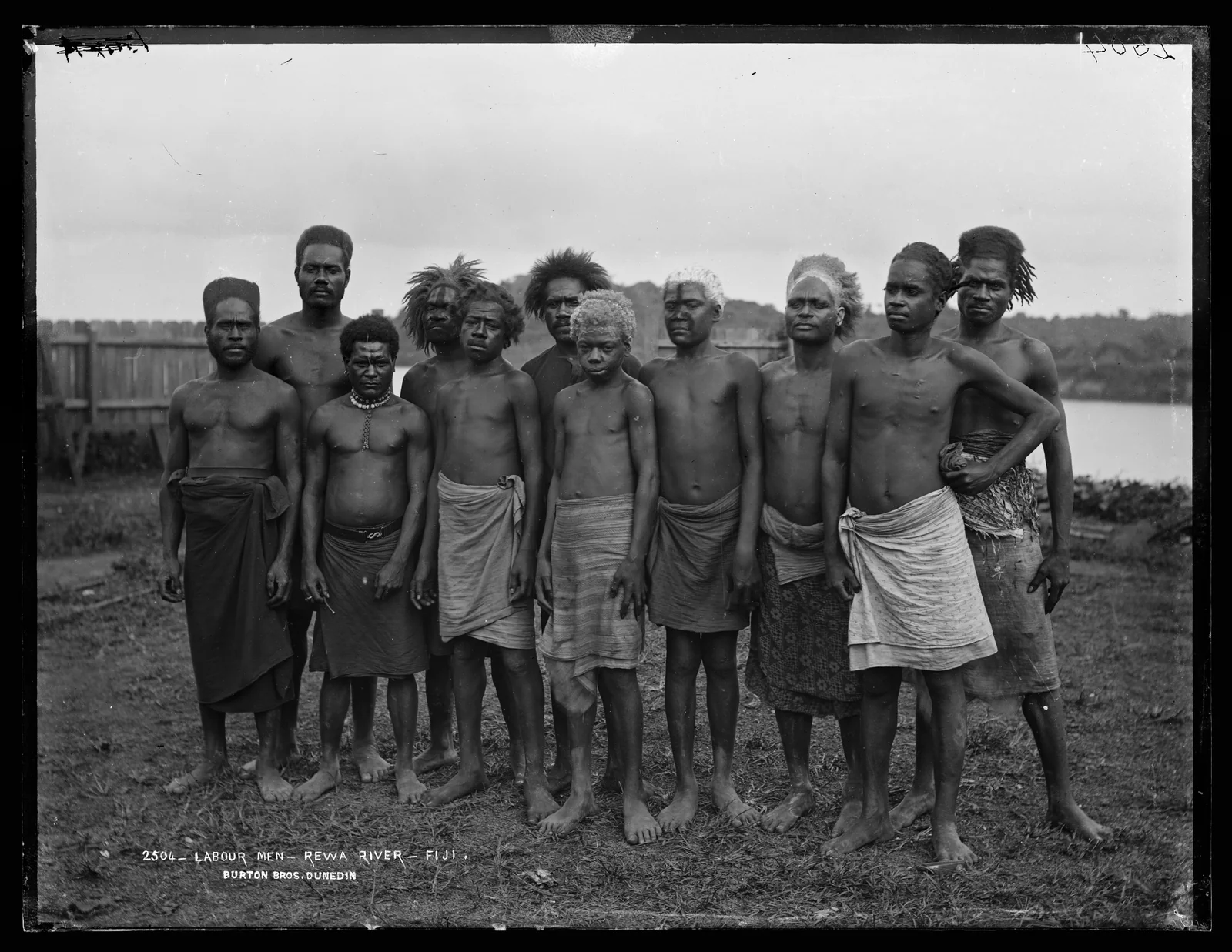
1874–1970 CEOceania · RightsFiji: cession, labour and the terms of independence

A Rewa River photograph, migration records and constitutional documents connect colonial rule with labour and political representation. This focused chapter distinguishes Indigenous Fijian workers, Indian indentured migrants and the unequal terms of inclusion before and at independence.

Open dossier ↗
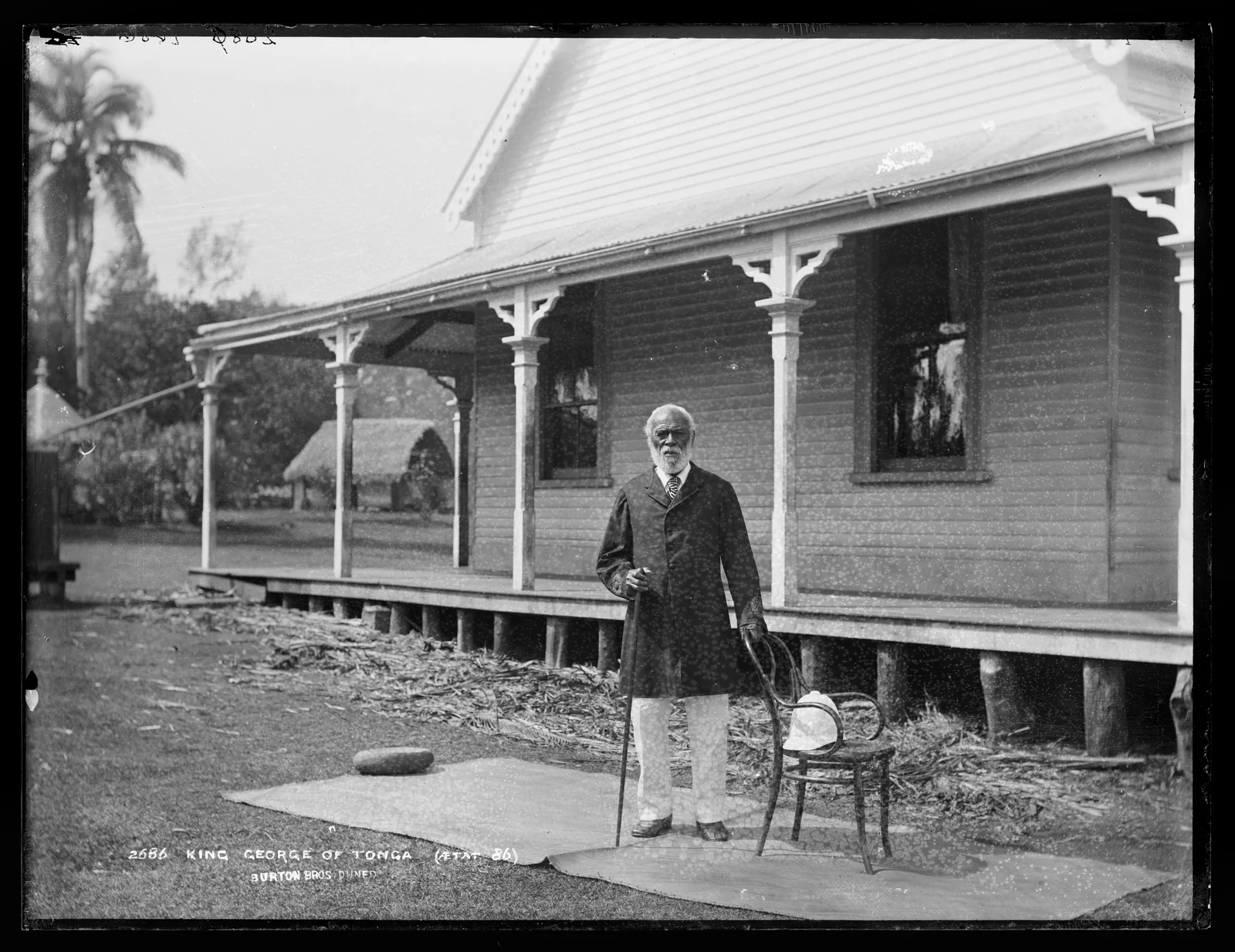
1875–1970 CEOceania · RightsTonga: constitution, land and the boundaries of sovereignty

A portrait of George Tupou I introduces a kingdom that combined constitutional rights, inherited rank and regulated landholding. Historical legal editions and parliamentary records distinguish the 1875 settlement, British protection, women’s franchise and the recovery of responsibility for external affairs in 1970.

Open dossier ↗
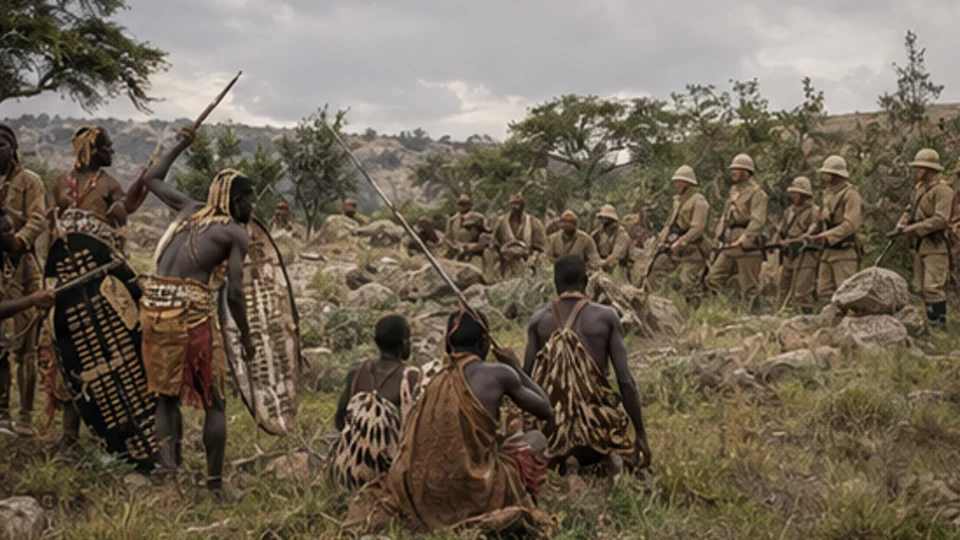
1879 CEAfrica · EmpireThe Zulu Kingdom and the British invasion of 1879

British plans for a southern African federation threatened an independent Zulu kingdom. Military resistance, conquest and political fragmentation followed.

Open dossier ↗
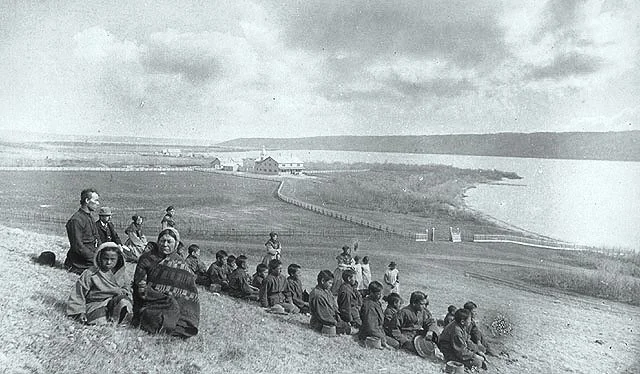
1880–2015 CEAmericas · RightsCanada: residential schools, resistance and Indigenous survival

Content note: institutional abuse and a historical photograph of Indigenous people who have died. Residential schools sought assimilation; Indigenous resistance and Survivor testimony are central to understanding the system and its consequences.

Open dossier ↗
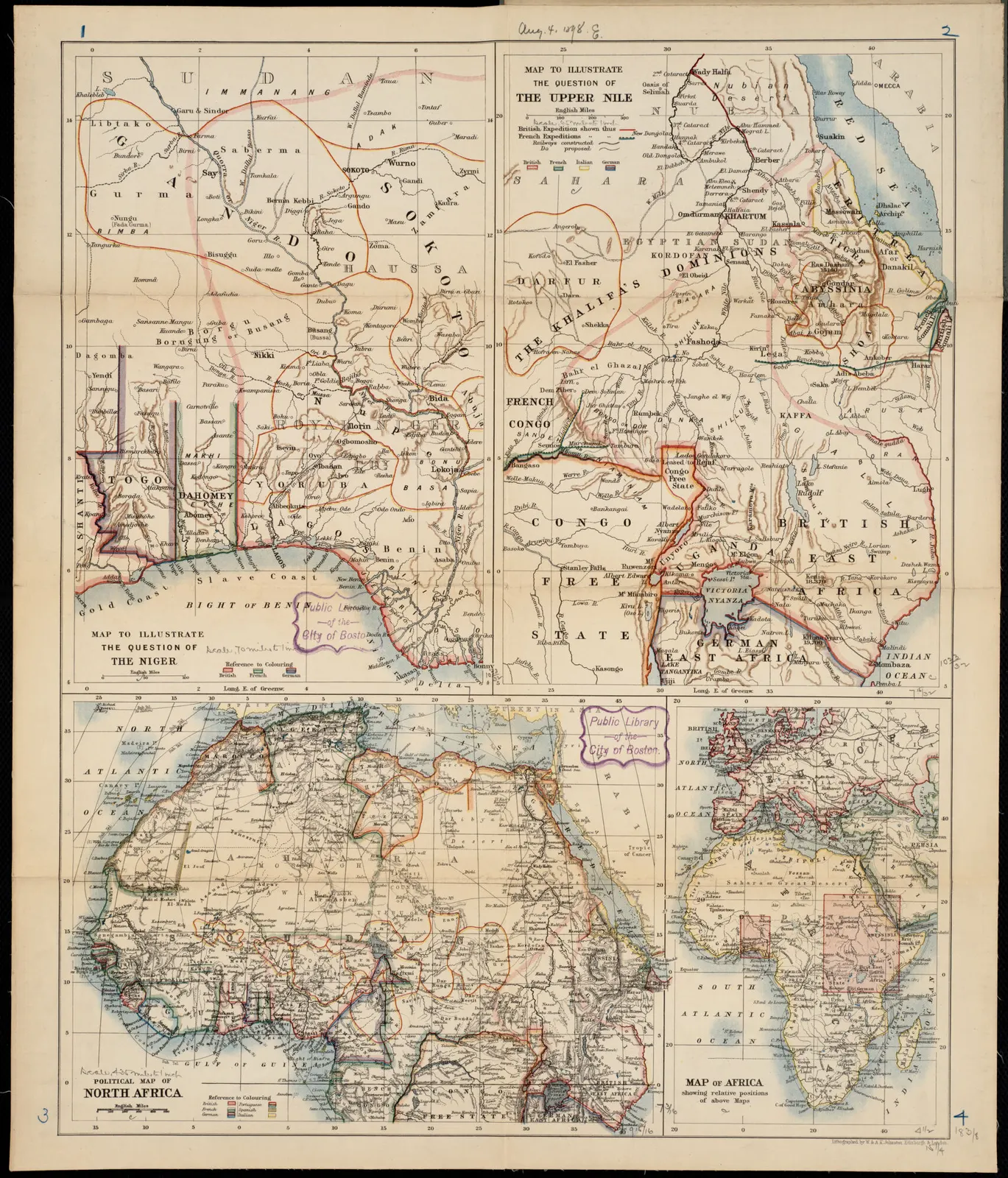
c. 1880–1914 CE · conventional imperial-intensification surveyGlobal · EmpireNew Imperialism and colonial partition

Industrial powers intensified territorial conquest in Africa, Asia and the Pacific through wars, unequal treaties, chartered companies and settler colonization.

Open dossier ↗
1881–1925 CE · cache discovery and excavation milestonesAfrica · ScienceEgyptian mummies: royal cache and Tutankhamun

The Deir el-Bahari royal-mummy cache entered official archaeology in 1881. Tutankhamun’s tomb was found in 1922 and his mummy examined in 1925 through work involving Egyptian excavators and officials as well as Howard Carter’s team.

Open dossier ↗
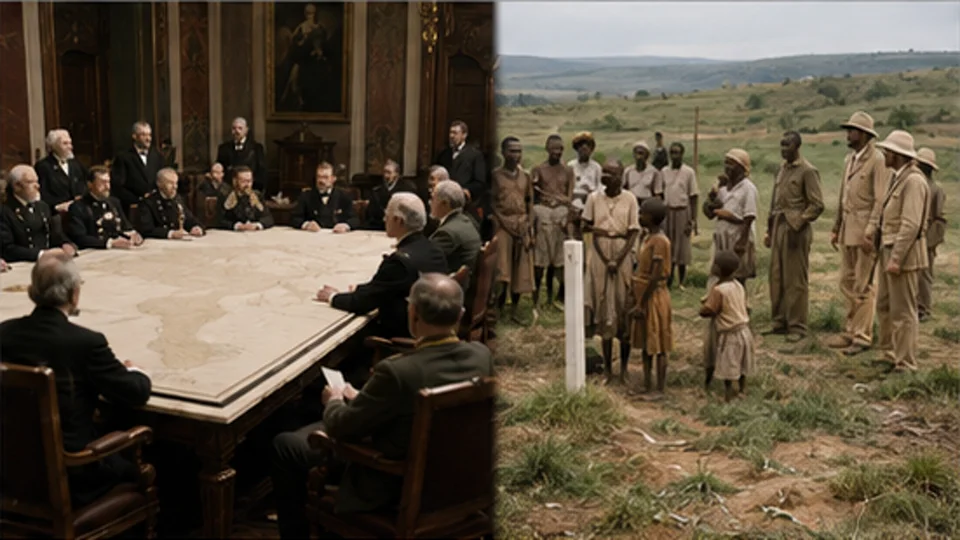
1884–1885 CE · Berlin meeting within a longer partitionAfrica · EmpireBerlin Conference and Scramble for Africa

European powers negotiated rules for claiming African territory without African representation as conquest accelerated.

Open dossier ↗
1885–1908 CEAfrica · EmpireThe Congo Free State: extraction, coercion and population loss

Leopold II’s Congo Free State organised violent extraction of rubber and ivory. Its history requires attention to coercion, disrupted livelihoods and the limits of population estimates.

Open dossier ↗
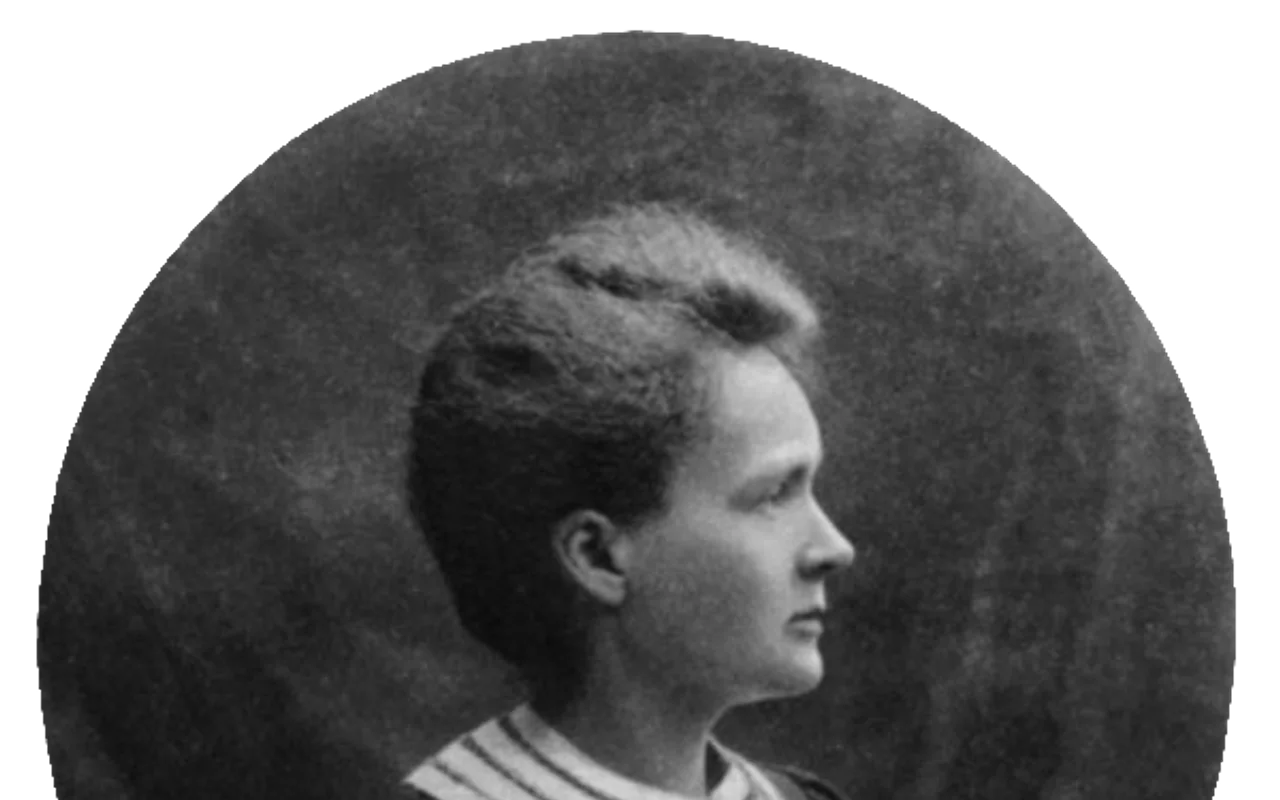
1895–1927 CE · selected radiation and quantum milestonesEurope · ScienceX-rays, radioactivity and quantum physics

X-ray imaging, research on radioactivity and several stages of quantum theory were distinct experimental and mathematical programmes that exposed limits in classical physics.

Open dossier ↗
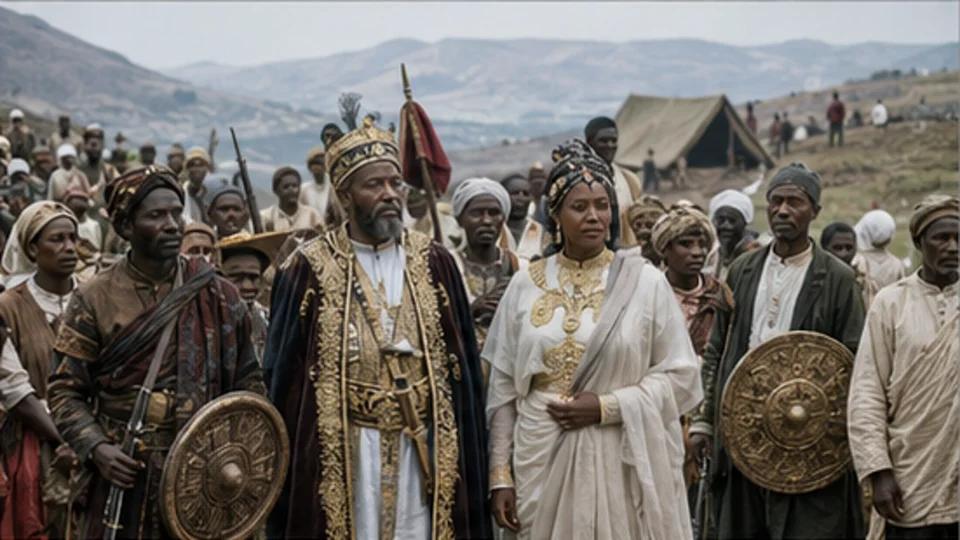
1 March 1896 CE · battle and treaty-recognition milestoneAfrica · WarBattle of Adwa

An Ethiopian army assembled from several regions under Menelik II and Taytu Betul defeated Italy’s invading force at Adwa; Italy recognised Ethiopian independence in the Treaty of Addis Ababa later that year.

Open dossier ↗
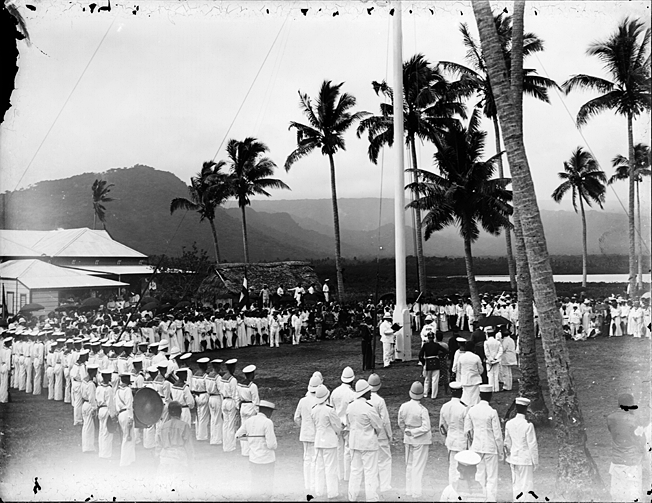
1899–1962 CEOceania · RightsSamoa: colonial rule, the Mau and independence

A colonial photograph, Samoan testimony and constitutional records connect partition, resistance and the independence of Western Samoa. This focused chapter distinguishes changing administrations, women’s organizing and the limits of political inclusion.

Open dossier ↗
1901–1923 CE · blood-group, insulin and clinical-use milestonesEurope · MedicineBlood groups, insulin and modern clinical physiology

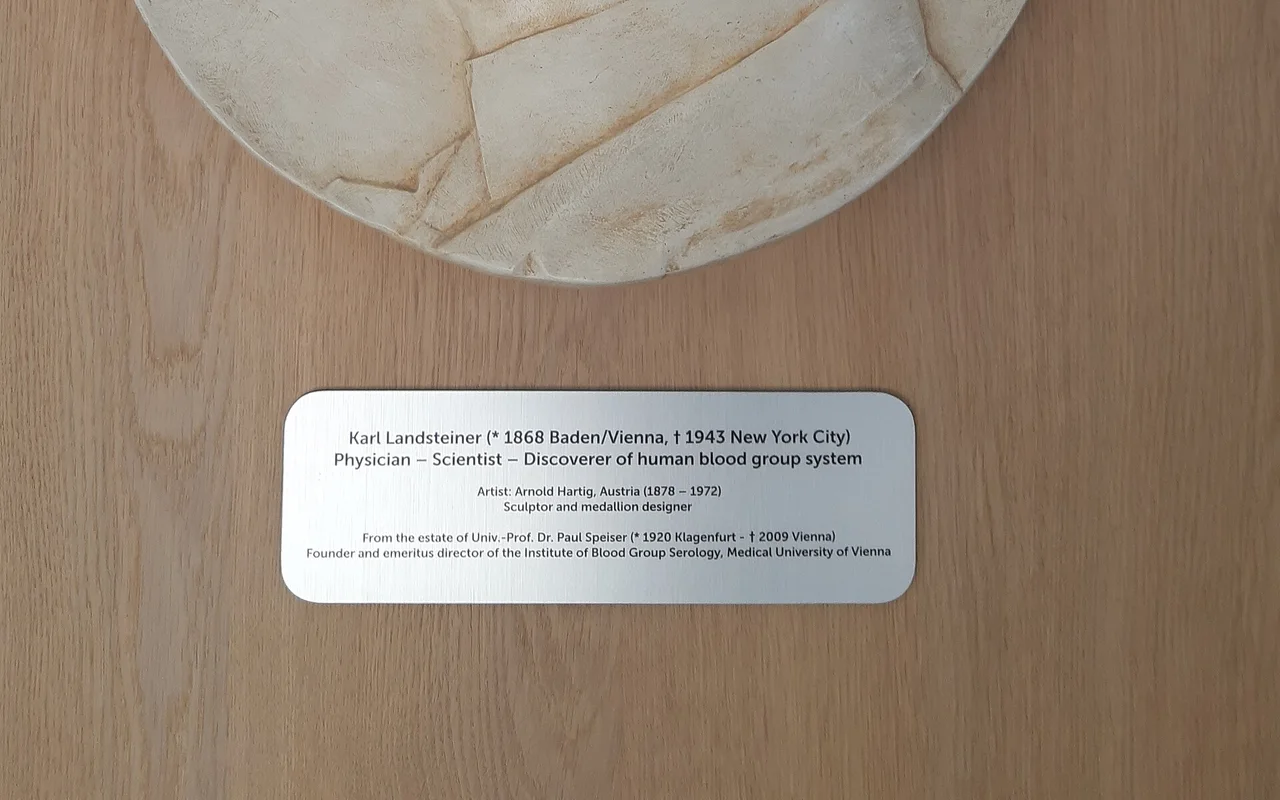
Landsteiner’s blood-group work enabled safer compatibility testing, while the Toronto insulin team’s extraction, purification and clinical trials transformed type 1 diabetes from a rapidly fatal disease into a treatable chronic condition.

Open dossier ↗
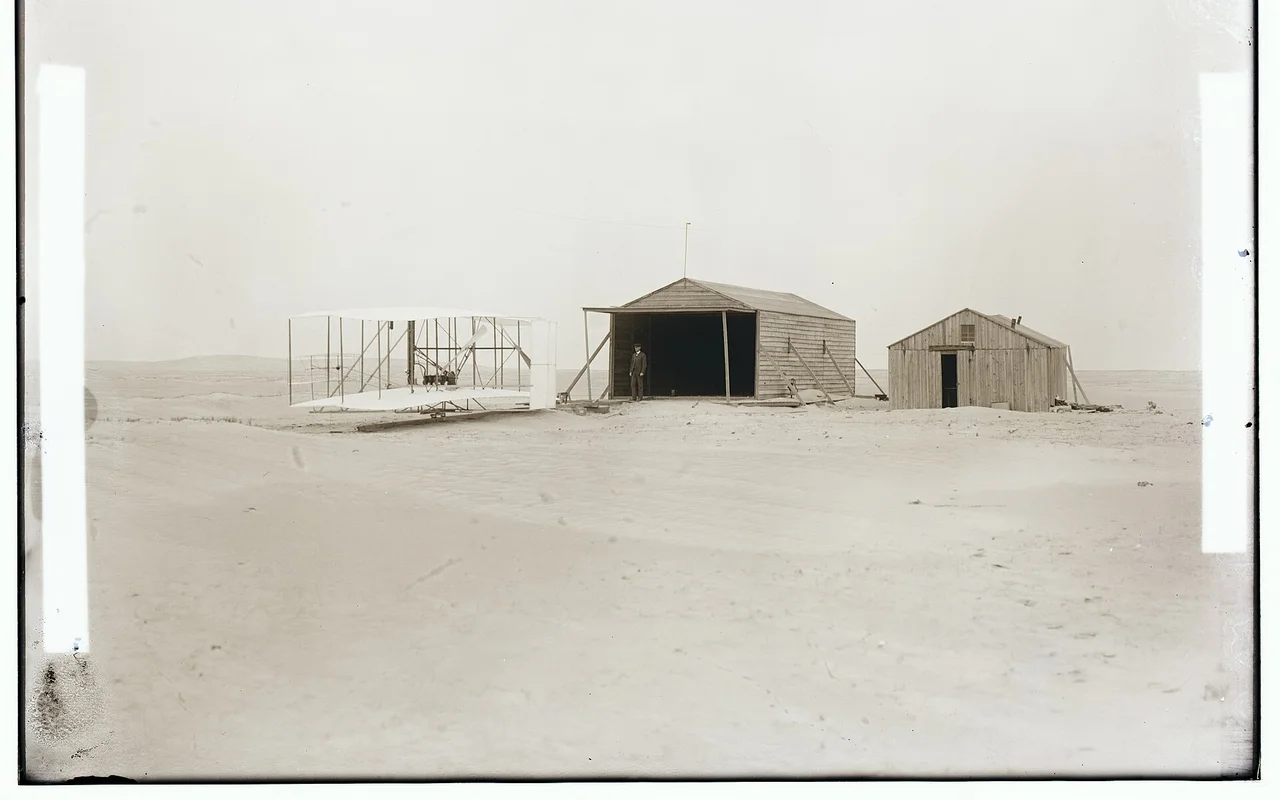
17 December 1903 CE · first sustained, controlled powered airplane flightsAmericas · TechnologyPowered flight

At Kitty Hawk, the Wright brothers made four successful flights in a powered, heavier-than-air machine whose pilot could control pitch, roll and yaw.

Open dossier ↗
1904–1914 CEAmericas · TradePanama Canal: engineering, labour and sovereignty

The canal connected the Atlantic and Pacific through a system of locks and an elevated lake. Its construction also reshaped labour, public health and Panama’s relationship with the United States.

Open dossier ↗
1904–1989 CEEurope · RightsSámi organizing: language, land and political representation

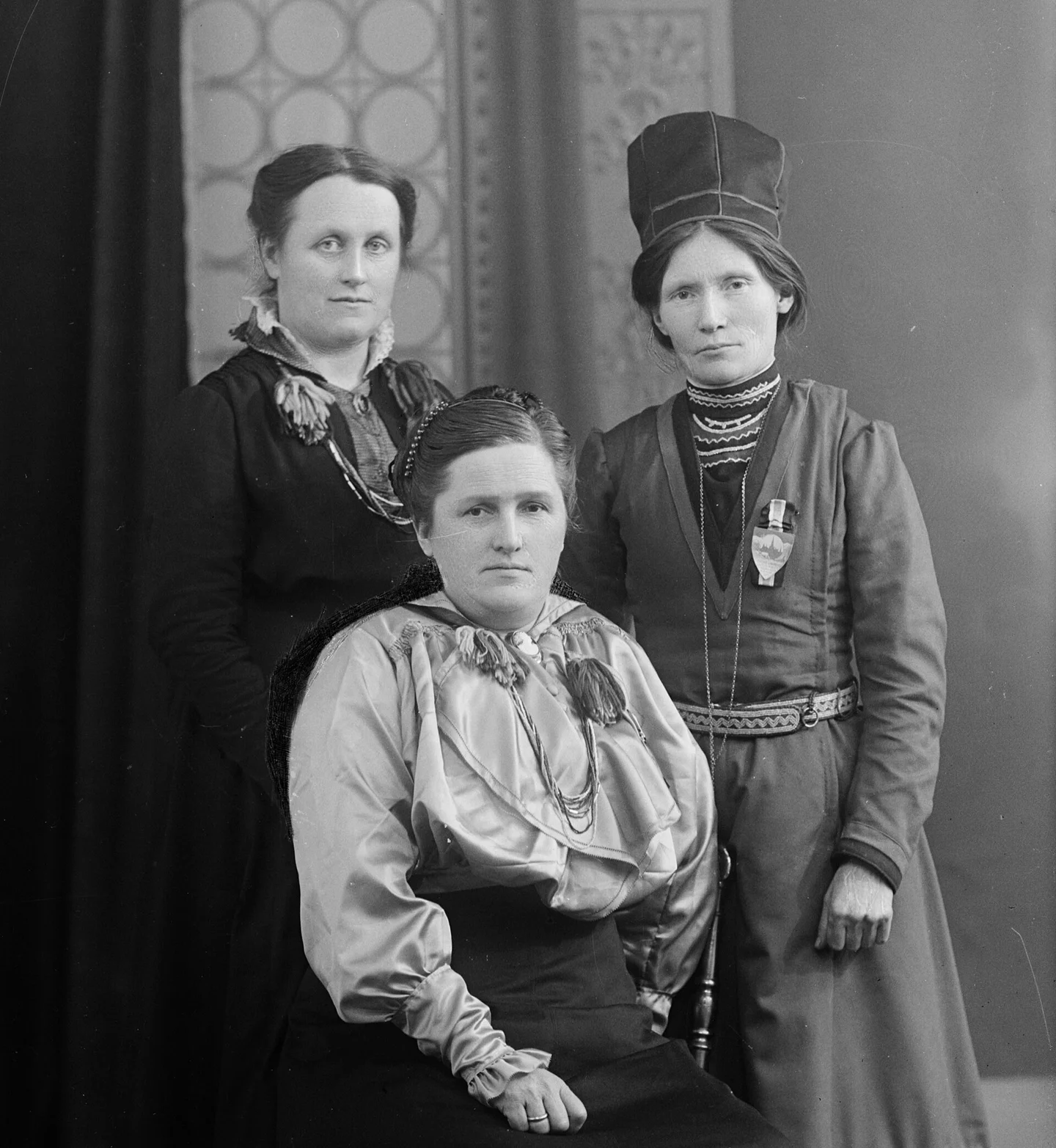
Sámi history crosses national borders. Women’s organizing, campaigns over land and education, and the Alta conflict connect cultural survival with demands for political representation.

Open dossier ↗
1905–1929 CE · special/general relativity and redshift–distance milestonesEurope · ScienceRelativity and the expanding universe

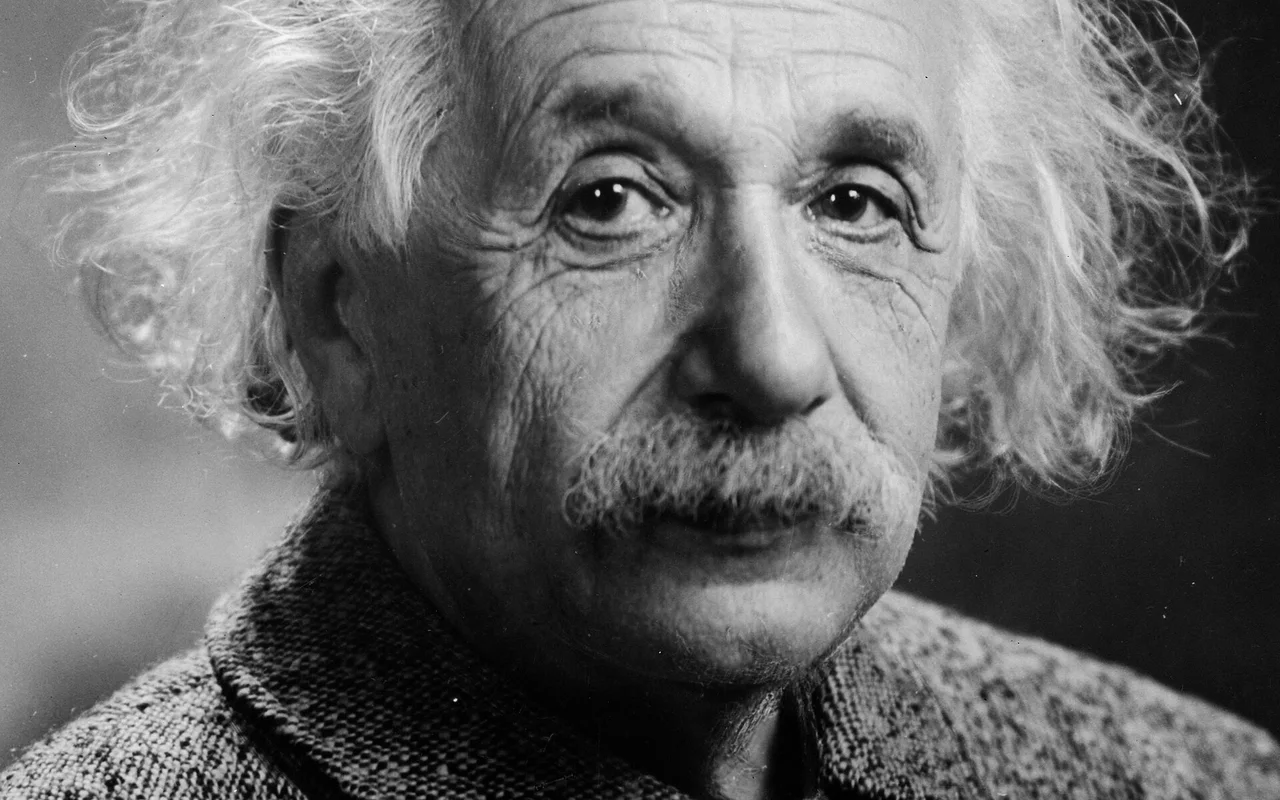
Special relativity changed the relation of space and time; general relativity described gravitation through curved spacetime. Distance and redshift work by several astronomers then supported an expanding universe.

Open dossier ↗
1905–1907 CEAfrica · WarThe Maji Maji war and German colonial coercion

Resistance to German rule in East Africa grew from coercive taxation and labour. The suppression devastated communities in what is now mainland Tanzania.

Open dossier ↗
1910–1970 CEAmericas · RightsThe Great Migration and the remaking of Black America

Around six million Black Americans left the U.S. South for northern, midwestern and western destinations, seeking safety, opportunity and greater freedom.

Open dossier ↗
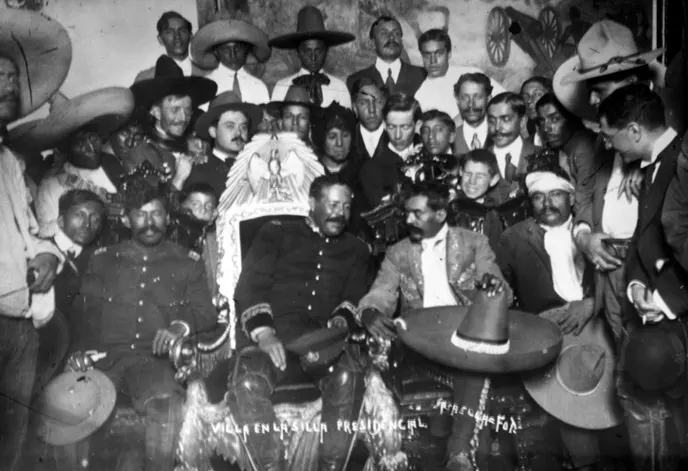
1910–1920 CEAmericas · RightsThe Mexican Revolution: land, power and competing programmes

The overthrow of Porfirio Díaz opened a decade of revolutionary conflict. Electoral change, land reform and military power divided former allies.

Open dossier ↗
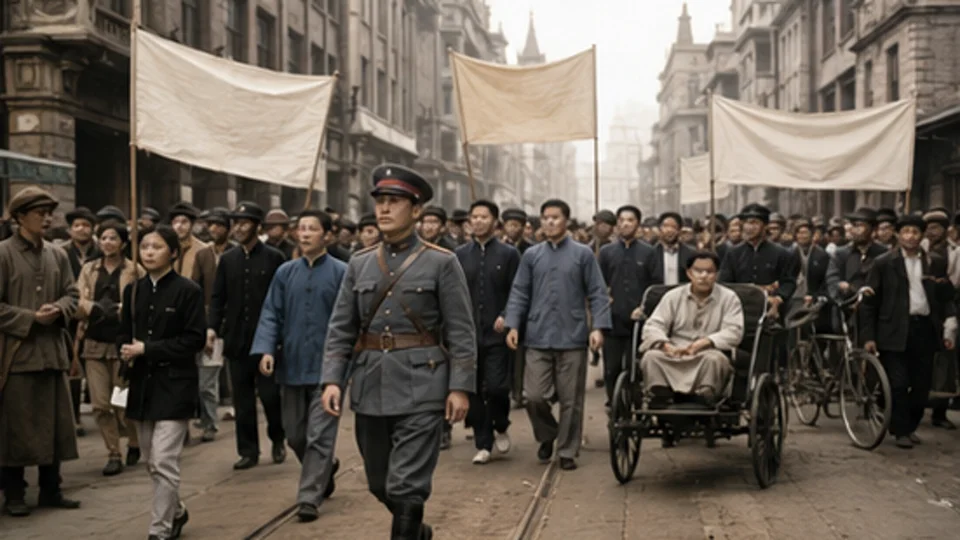
1911–1912 CEAsia · EmpireChina’s 1911 Revolution and the end of Qing rule

Revolution ended the Qing dynasty, but establishing a republic did not settle how China would be governed or reunified.

Open dossier ↗
1911–1949 CE · revolution, invasion and competing governmentsAsia · RightsChinese revolutions and divided sovereignty

The 1911 Revolution ended Qing rule, but republican government remained contested through regional militarism, Nationalist–Communist conflict and Japanese invasion. In 1949 the PRC was proclaimed on the mainland while the ROC government relocated to Taiwan.

Open dossier ↗
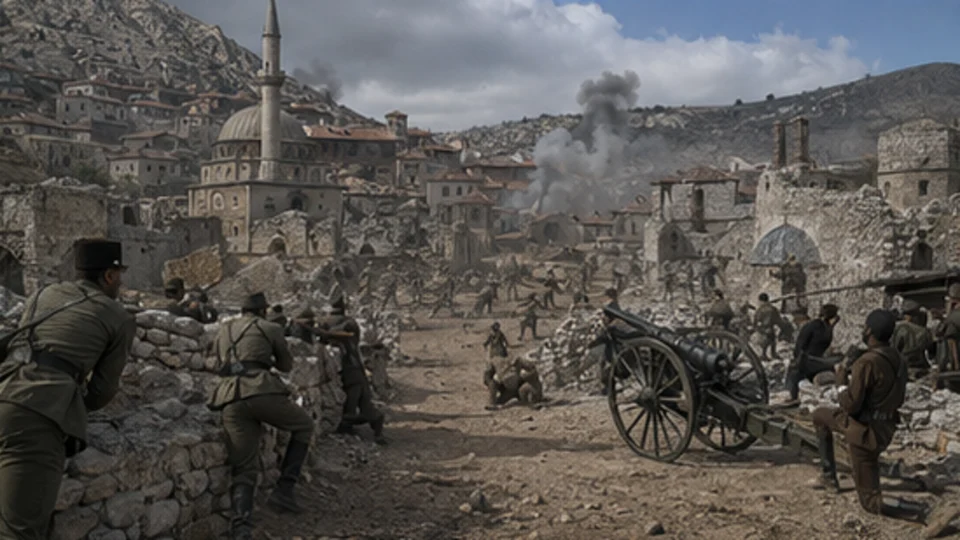
1912–1913 CE · two wars and contested settlementsEurope · WarBalkan Wars and Ottoman retreat

The Balkan League fought the Ottoman Empire in the First Balkan War; in the Second, Bulgaria fought former allies and Romania and the Ottoman Empire over the division of territory.

Open dossier ↗
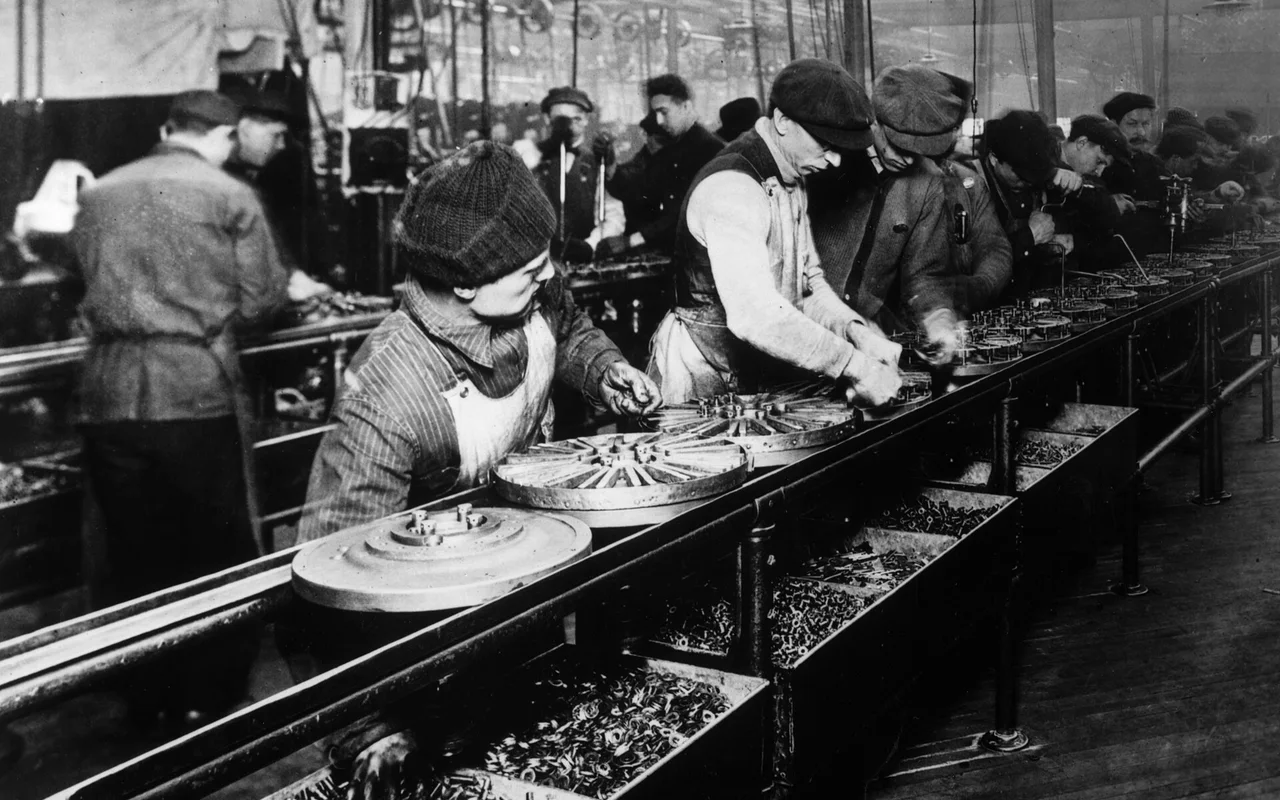
1913 CE · Ford moving-line milestone within longer mass-production historyAmericas · TechnologyAssembly lines and mass production

Ford engineers and workers introduced moving lines in stages at Highland Park, combining earlier interchangeable-parts practice and division of labour to accelerate automobile assembly.

Open dossier ↗
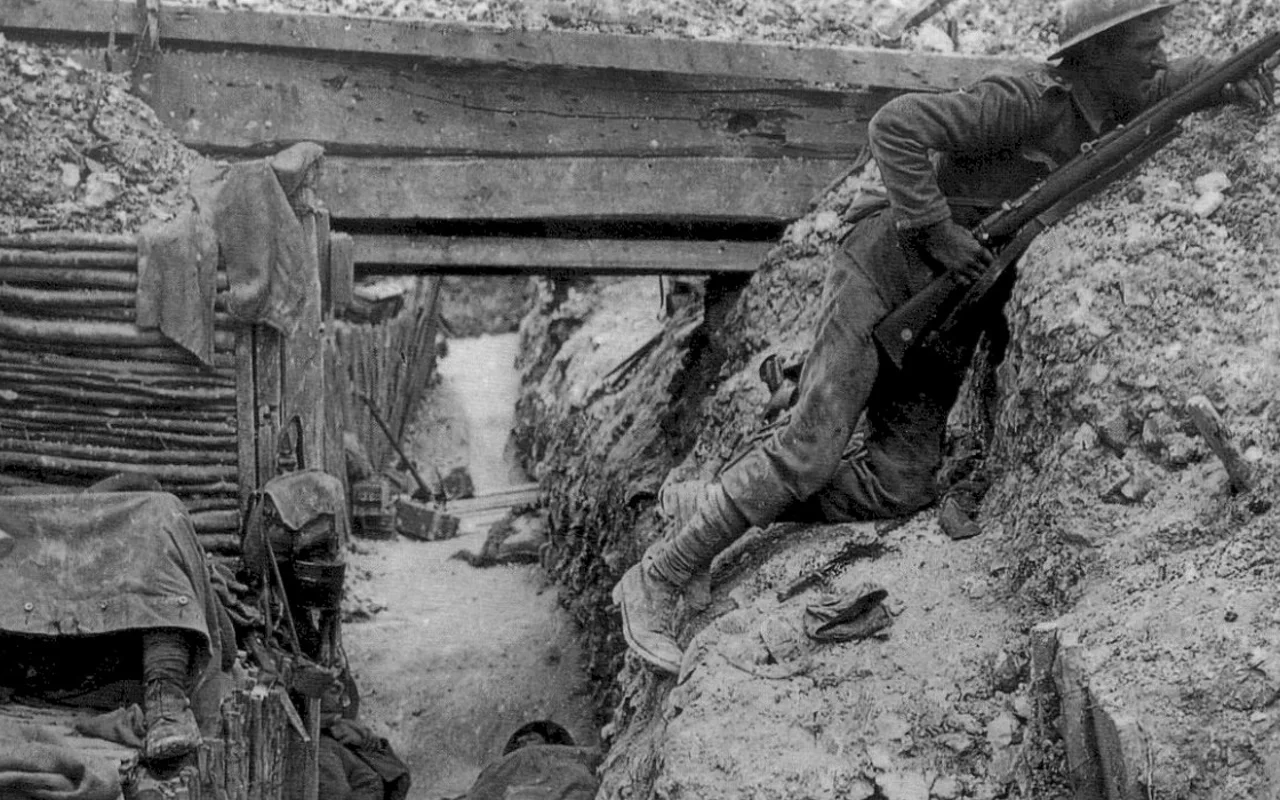
1914–1918 CE · major fighting; settlements and violence continuedGlobal · WarFirst World War

Decisions during the July Crisis widened a European confrontation into an industrial and imperial war fought across Europe, Africa, the Middle East, Asia and the oceans.

Open dossier ↗
1915–1916 CEMiddle East · WarThe Armenian genocide

Ottoman authorities and their collaborators subjected Armenians to deportation, massacre and lethal conditions during the First World War.

Open dossier ↗
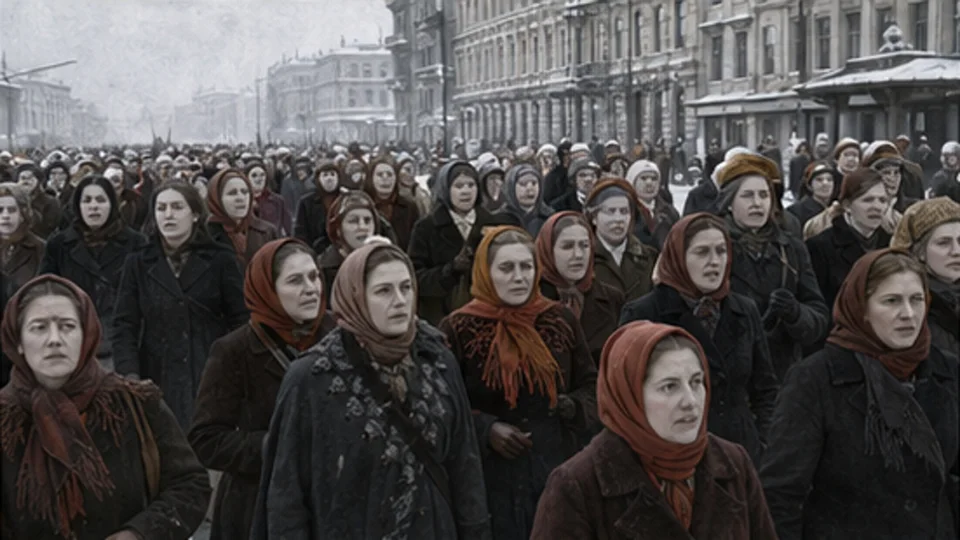
1917–1922 CE · revolutions, civil war and Soviet Union formationEurope · RightsRussian Revolutions

The February Revolution toppled the Romanov monarchy and produced competing centres of authority; the Bolsheviks seized power in October, followed by civil war, famine and the formation of the Soviet Union.

Open dossier ↗
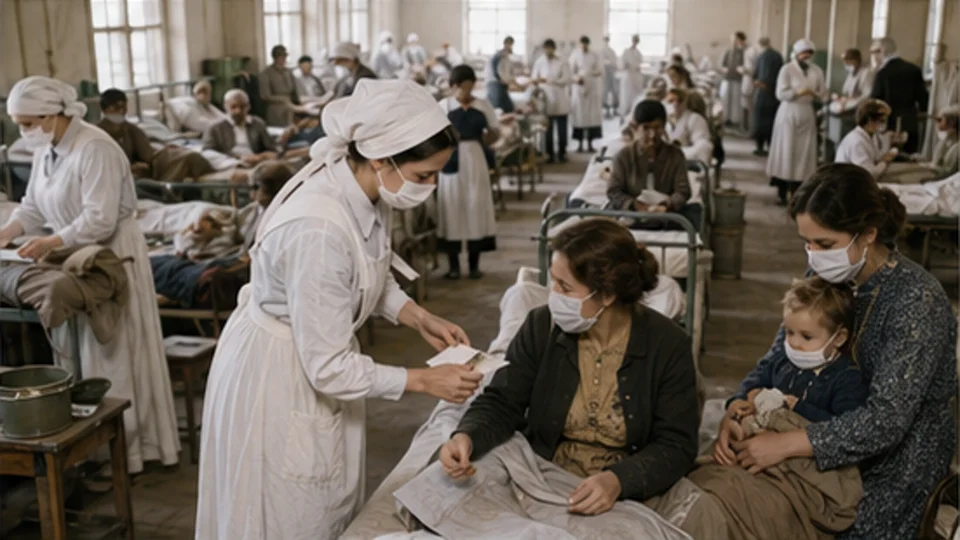
1918–1920 CE · global pandemic wavesGlobal · MedicineInfluenza pandemic

A severe influenza pandemic moved through several global waves, amplified by wartime mobilisation and transport but not securely traced to a single national origin.

Open dossier ↗
1920–1940 CEAmericas · CultureThe Harlem Renaissance: art, literature and Black self-representation

Black writers, artists and musicians made new representations of modern life. Harlem was an important centre within a movement whose connections extended internationally.

Open dossier ↗
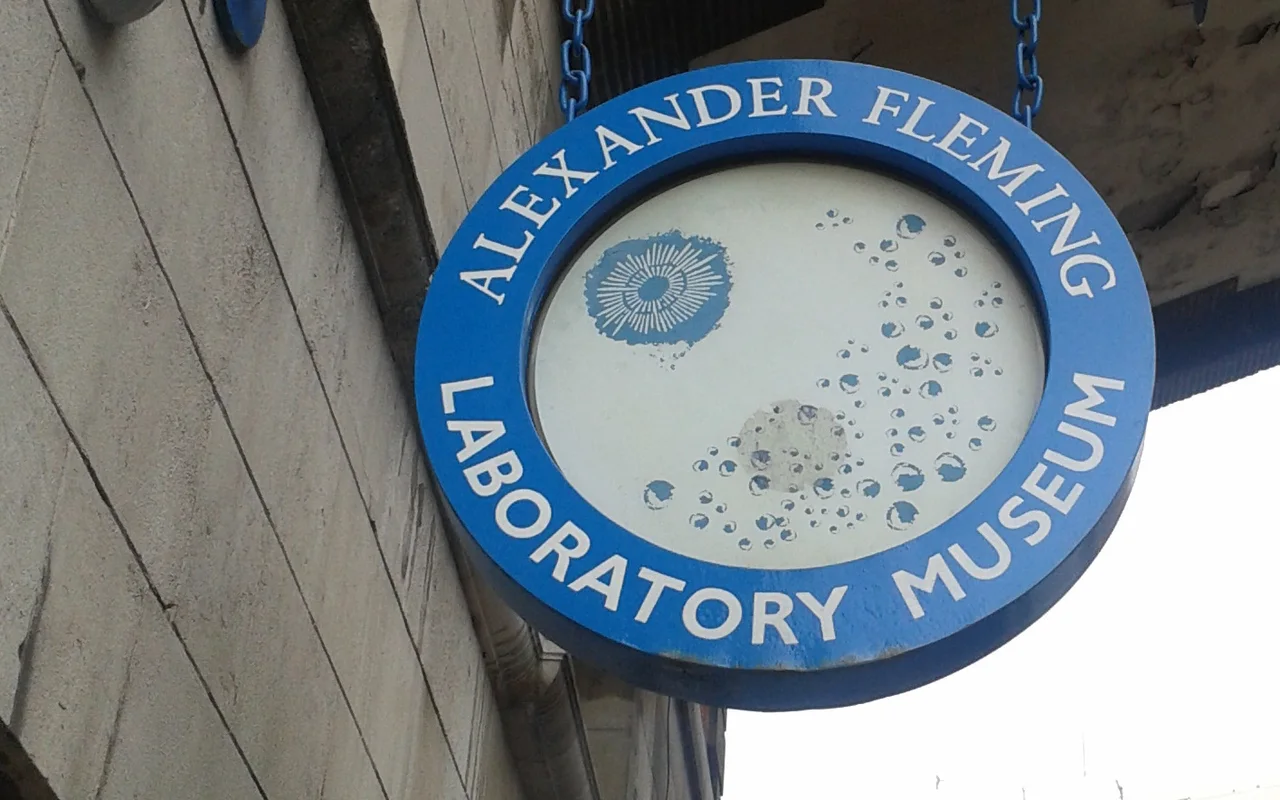
1928–1945 CE · observation, clinical development and mass productionEurope · MedicinePenicillin and antibiotics

Fleming observed penicillin’s antibacterial effect in 1928; Florey, Chain, Heatley and a wider Oxford team later developed purification and testing, while British and U.S. institutions scaled production during the war.

Open dossier ↗
1929–late 1930s CE · uneven global depression and recoveryGlobal · TradeGreat Depression

Banking crises, debt, deflation, the gold standard and collapsing demand and trade transmitted a deep depression through an unequal world economy.

Open dossier ↗
1931–1945 CE · Manchurian seizure, war in China and wider Pacific conflictAsia · WarThe Asia-Pacific War and Nanjing

Japan seized Manchuria in 1931; full-scale war with China followed in 1937 and merged with the wider Pacific war after 1941. In late 1937 and early 1938, Japanese forces perpetrated mass killing, sexual violence, looting and terror against civilians and disarmed soldiers in Nanjing.

Open dossier ↗
1930s–1945 CE · selected theory, measurement and policy milestonesGlobal · TradeMacroeconomics, national accounts and welfare states

The Depression and wartime planning accelerated several connected developments: Keynes’s aggregate-demand framework, Kuznets and others’ national-income accounts, and country-specific programmes for employment, social insurance and economic stabilization.

Open dossier ↗
1936–1939 CEEurope · WarThe Spanish Civil War and the destruction of the Republic

A military revolt against Spain’s Republic became a civil war with international intervention, mass violence and a lasting dictatorship.

Open dossier ↗
1938–1945 CE · experimental fission, interpretation, chain reaction and atomic warEurope · ScienceNuclear fission and the nuclear age

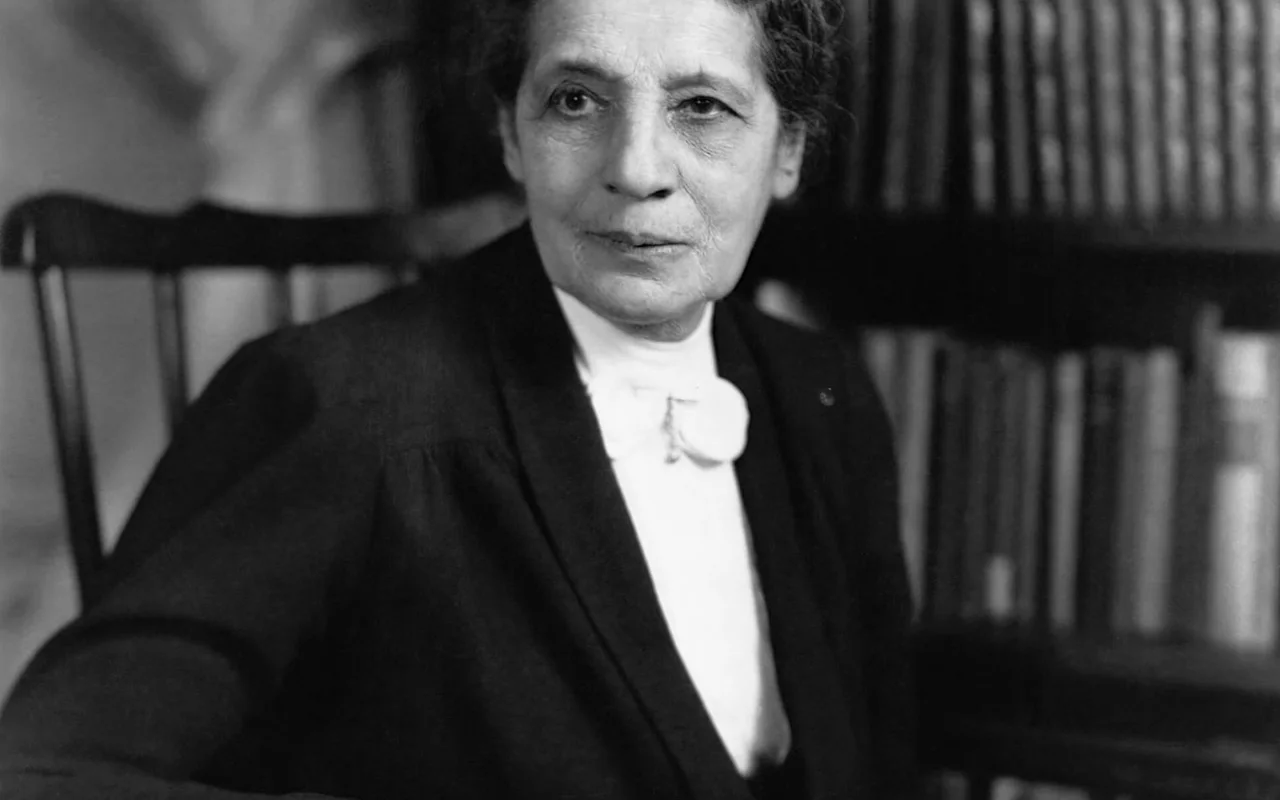
Hahn and Strassmann’s 1938 experiments produced evidence of uranium fission; Meitner and Frisch supplied the physical interpretation and name. Chain-reaction research then led rapidly to a reactor and the Manhattan Project.

Open dossier ↗
1939–1945 CE · global war and Nazi genocideGlobal · WarSecond World War and Holocaust

Axis aggression widened into a global war of invasion, occupation, resistance and mass civilian death. Within it, Nazi Germany and collaborators systematically murdered six million European Jews in the Holocaust and persecuted and murdered millions of other victims.

Open dossier ↗
1940s–1970 CE · selected research and adoption phaseGlobal · ScienceGreen Revolution and crop science

Public research institutes, plant breeders and farmers developed and adopted high-yielding wheat and rice varieties, especially in Mexico and parts of South and Southeast Asia, alongside irrigation, fertilizer, credit and extension systems.

Open dossier ↗
1945–1975 CE · selected peak phase of decolonizationGlobal · RightsDecolonization across Asia and Africa

Across a selected peak period, mass organizing, negotiation, strikes and armed struggle dismantled much formal European rule and created dozens of sovereign states along different national timelines.

Open dossier ↗
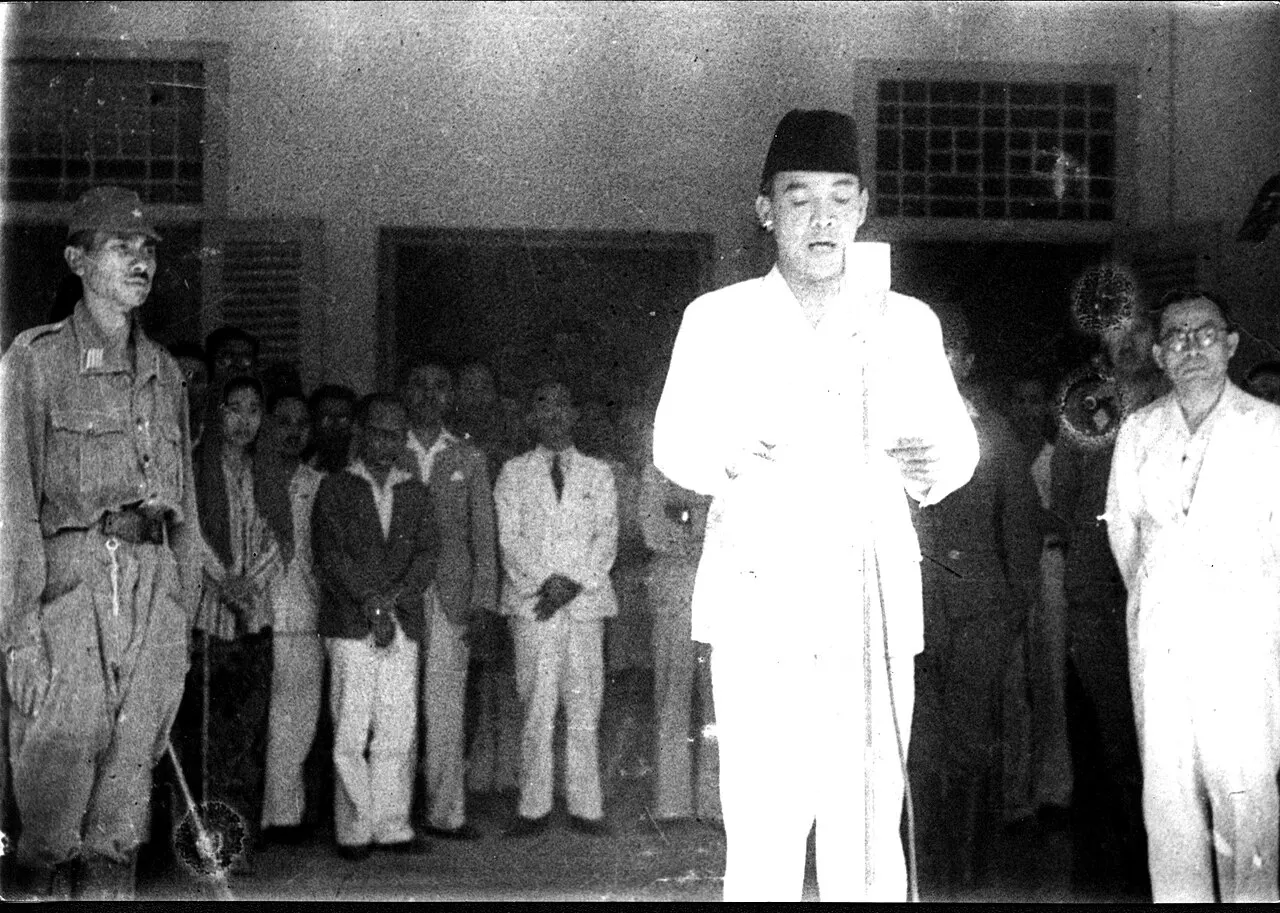
1945–1949 CEAsia · EmpireIndonesia’s independence: proclamation, revolution and sovereignty

Indonesians proclaimed independence in 1945 and fought Dutch efforts to restore colonial rule. The transfer of sovereignty in 1949 was a later milestone.

Open dossier ↗
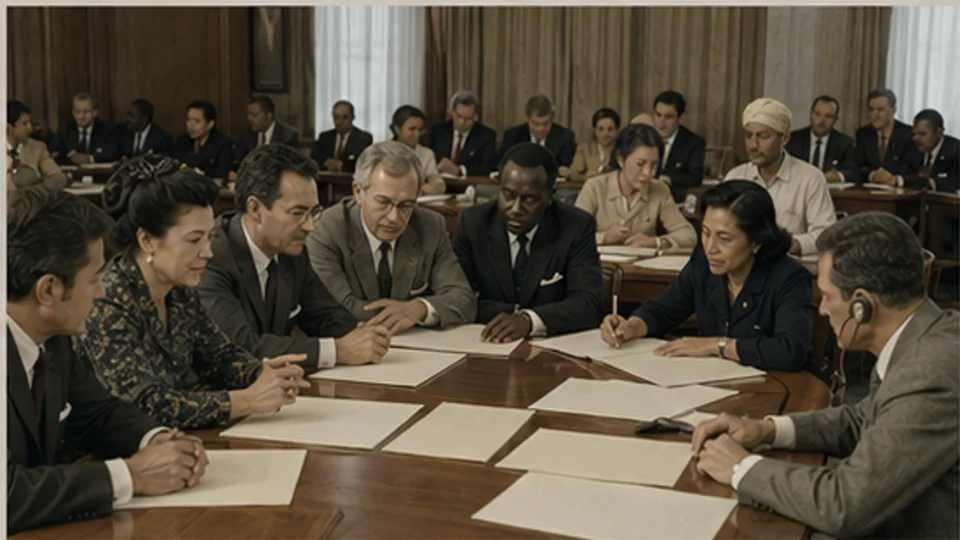
1945–1948 CE · UN founding and UDHR draftingGlobal · RightsUnited Nations and Universal Declaration

Fifty states signed the UN Charter in 1945; representatives from several regions then negotiated the Universal Declaration of Human Rights, adopted by the General Assembly on 10 December 1948.

Open dossier ↗
1946–1958 CEOceania · WarNuclear testing in the Marshall Islands: displacement and fallout

U.S. nuclear testing transformed Bikini and Enewetak and exposed Marshallese communities to displacement and radioactive contamination.

Open dossier ↗
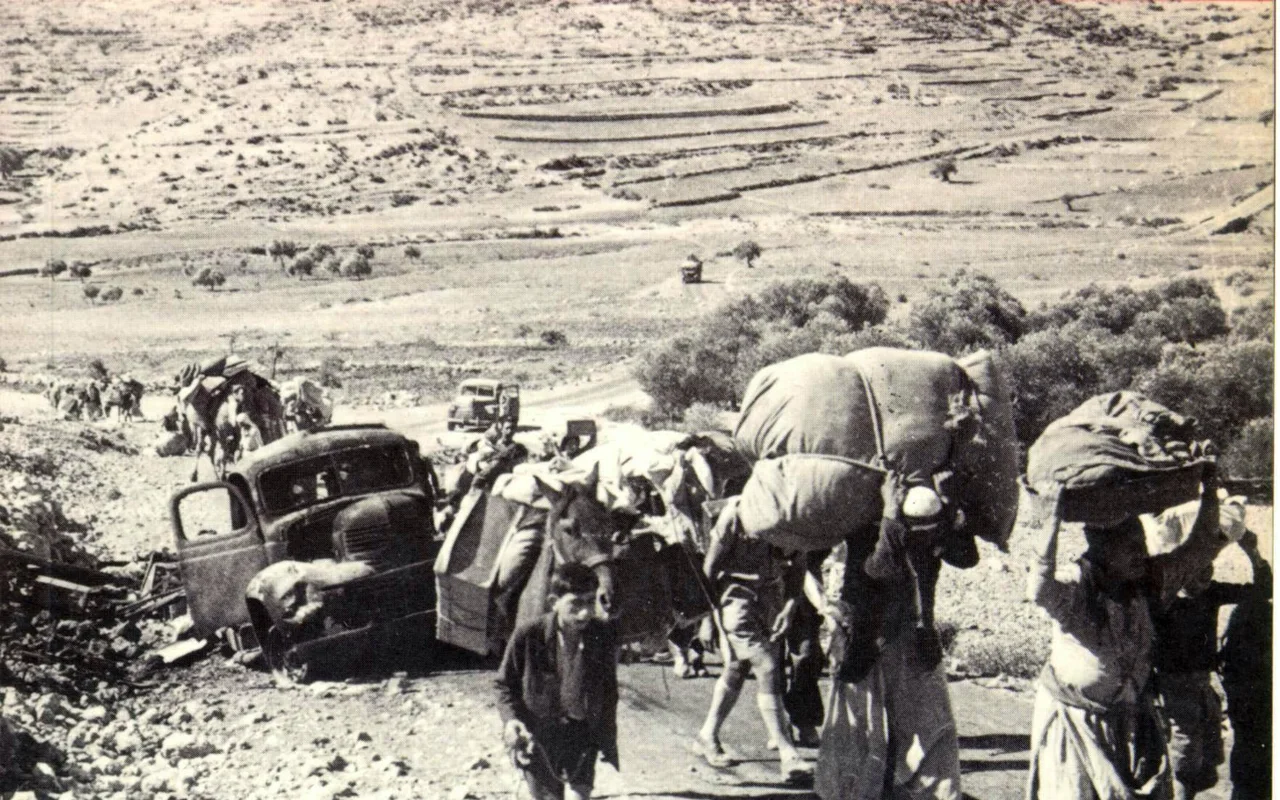
1947–1949 CE · partition proposal, civil war, statehood, regional war and displacementMiddle East · War1948 war, Palestinian displacement and the making of Israel

The UN General Assembly recommended partition in 1947; civil war followed, Israel declared statehood as the British Mandate ended in May 1948, and neighbouring Arab states entered the war. More than 700,000 Palestinians were displaced or expelled in the Nakba.

Open dossier ↗
1947–1991 CE · conventional Cold War boundaryGlobal · WarCold War, nuclear brinkmanship and Soviet collapse

U.S.- and Soviet-led blocs built alliances, nuclear arsenals, intelligence systems and competing political economies, while wars in Korea, Vietnam, Afghanistan and elsewhere were fought by states and movements with their own aims.

Open dossier ↗
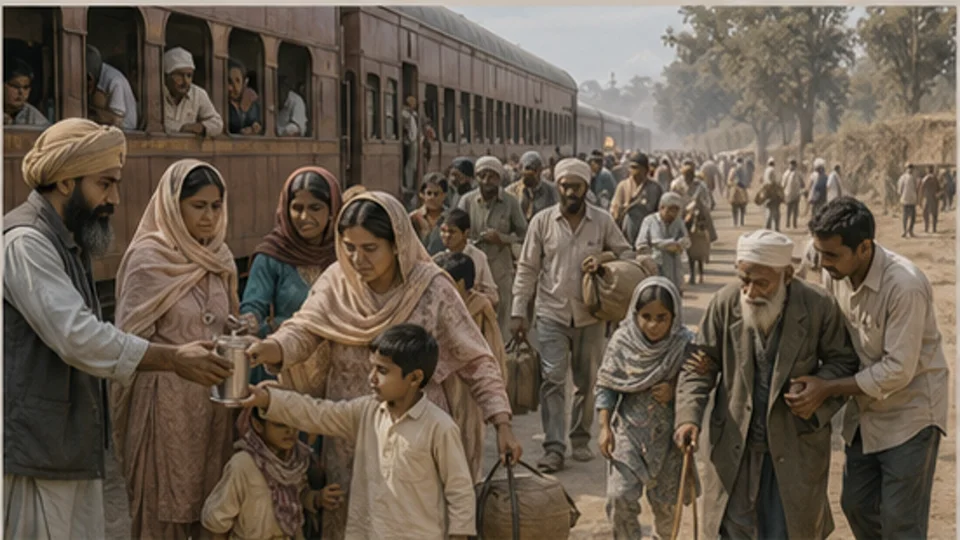
1947–1948 CE · independence, Partition, migration and first Kashmir warAsia · RightsPartition and independence of India and Pakistan

British rule ended and India and Pakistan became independent in August 1947. A hurried boundary divided Punjab and Bengal amid one of the twentieth century’s largest forced migrations, communal violence and the first war over Kashmir.

Open dossier ↗
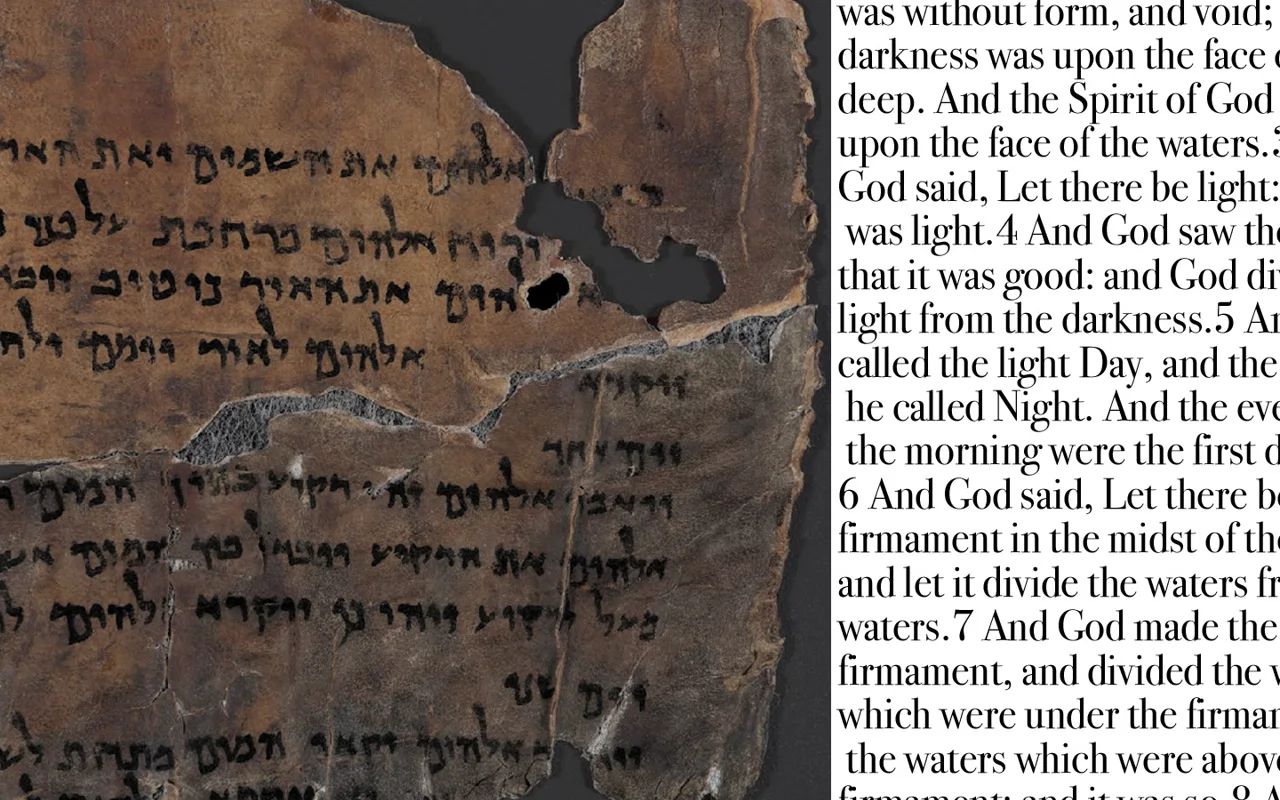
1947–1956 CE · cave discoveries and dispersed manuscriptsMiddle East · FaithThe Dead Sea Scrolls are discovered

Bedouin discoverers, antiquities dealers and archaeologists brought to light manuscripts from eleven caves near Qumran between 1947 and 1956, including biblical texts and other Jewish writings copied during the late Second Temple period.

Open dossier ↗
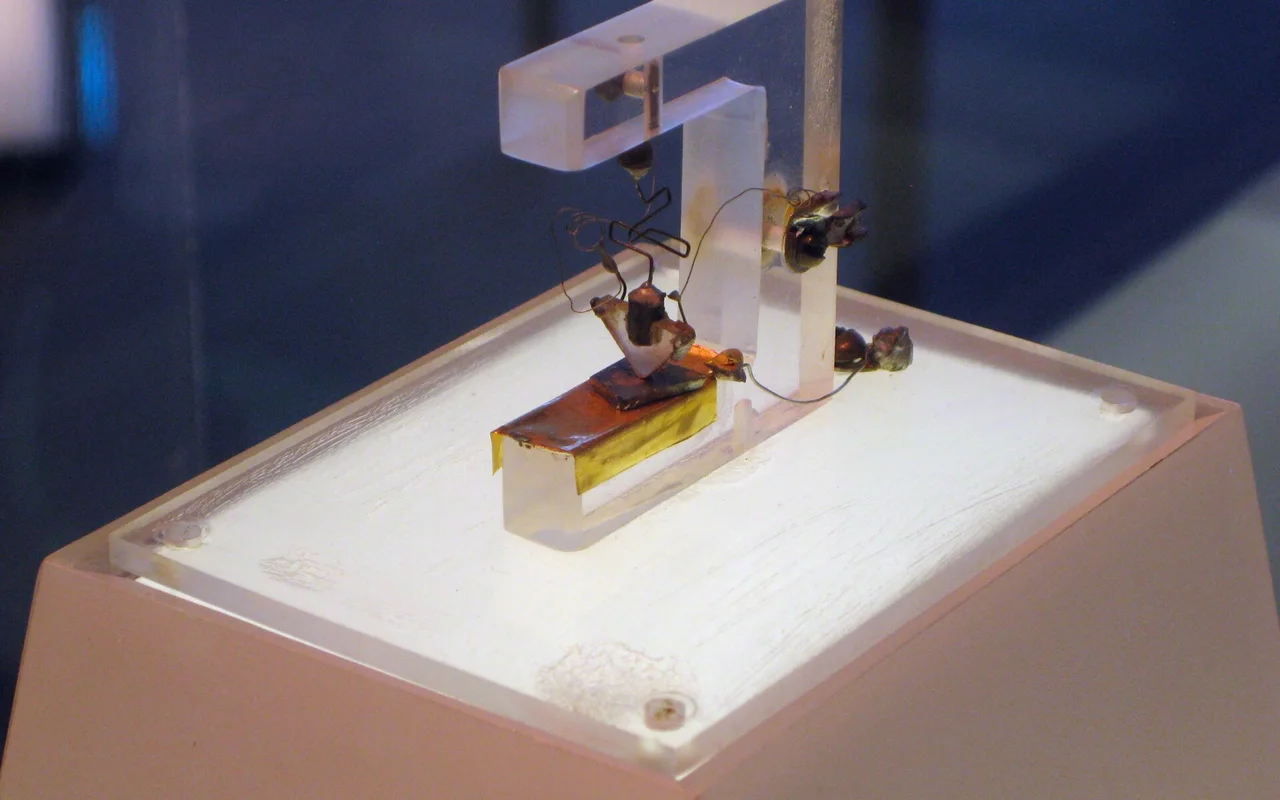
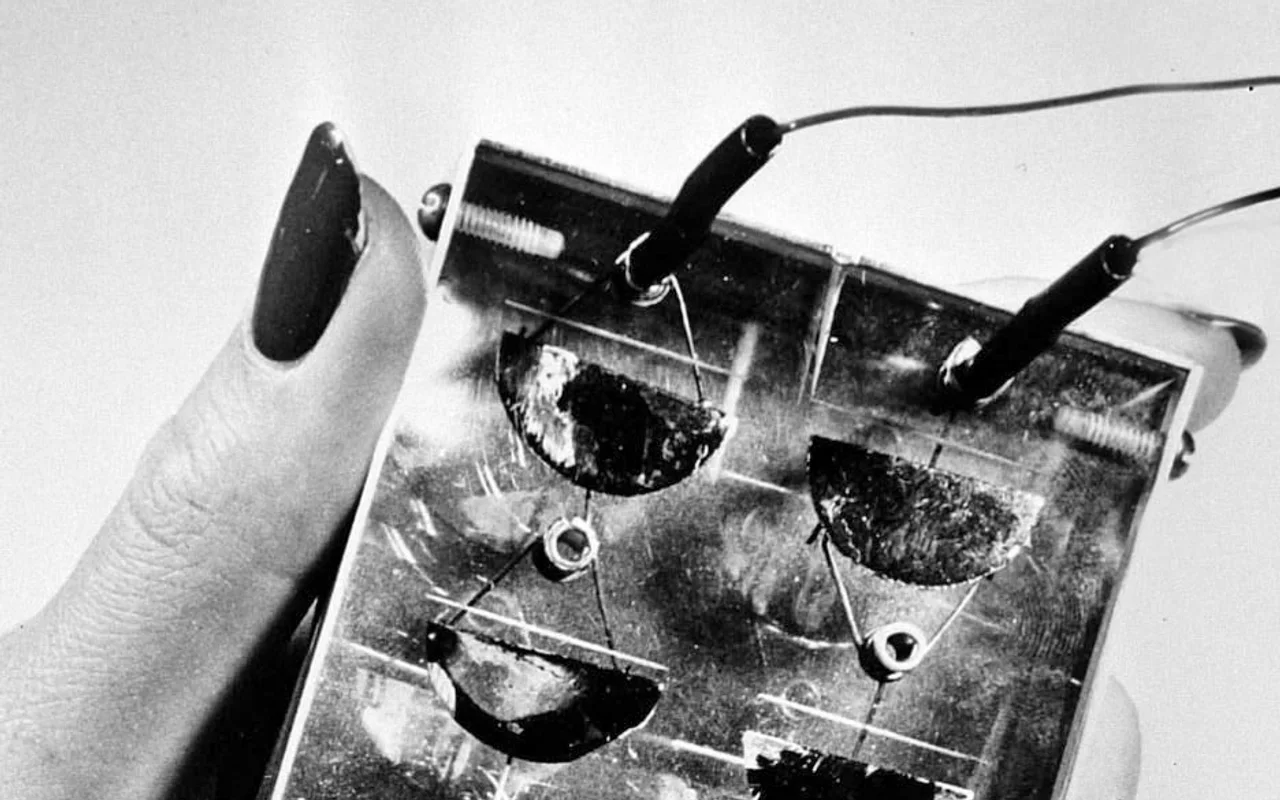
1947–1971 CE · transistor, integrated-circuit and microprocessor milestonesAmericas · TechnologyTransistor, electronic computing and microprocessors

The 1947 point-contact transistor, later junction and MOS transistors, integrated circuits in the late 1950s and a commercial microprocessor in 1971 progressively concentrated electronic switching and computation.

Open dossier ↗
1948–1994 CE · formal apartheid to first democratic electionAfrica · RightsApartheid and the struggle for a democratic South Africa

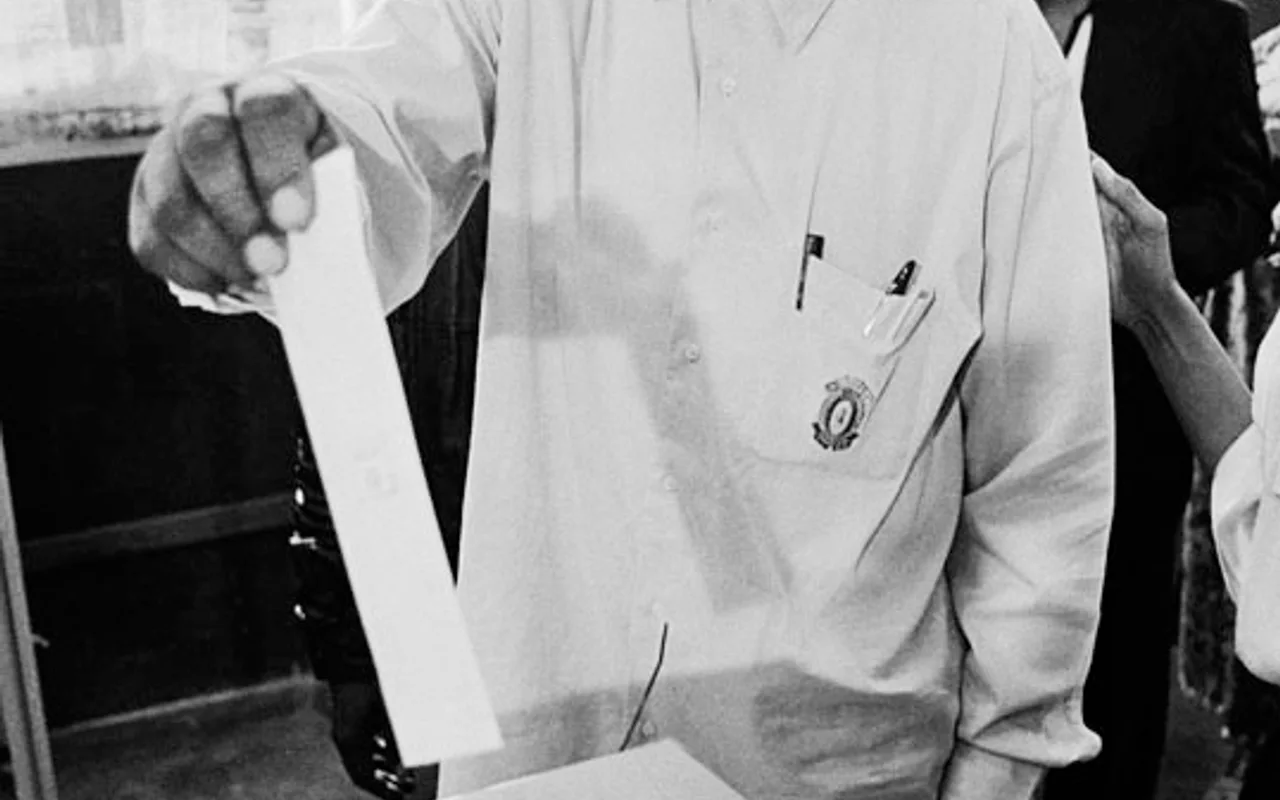
The National Party formalized apartheid from 1948 upon older colonial segregation, enforcing racial classification, dispossession, forced removal, exclusion and repression. Diverse internal resistance and international campaigns helped force negotiation and universal-suffrage elections in 1994.

Open dossier ↗
1948 CE · Shannon’s mathematical communication theoryAmericas · ScienceInformation theory and digital communication

Claude Shannon’s 1948 papers formalized information, entropy, noise and channel capacity, building on earlier communication engineering and creating a mathematical limit framework for reliable signals.

Open dossier ↗
1950–1993 CEEurope · TradeEuropean integration: coal, steel and the common market

Post-war European integration developed through successive treaties and institutions. The European Union did not appear fully formed in 1951.

Open dossier ↗
1950–1975 CE · two wars with distinct origins and endpointsAsia · WarKorean and Vietnam wars

War in Korea from 1950 to the 1953 armistice and Vietnam’s longer wars through 1975 arose from distinct histories of colonial rule, revolution, divided states, civil conflict and large-scale foreign intervention.

Open dossier ↗
1951–1967 CEGlobal · RightsThe refugee protection system: the 1951 Convention and 1967 Protocol

Post-war agreements defined refugee protection and state responsibilities. The framework expanded beyond its original temporal and optional geographical limits.

Open dossier ↗
1952–1960 CEAfrica · EmpireMau Mau, the Kenya Emergency and colonial violence

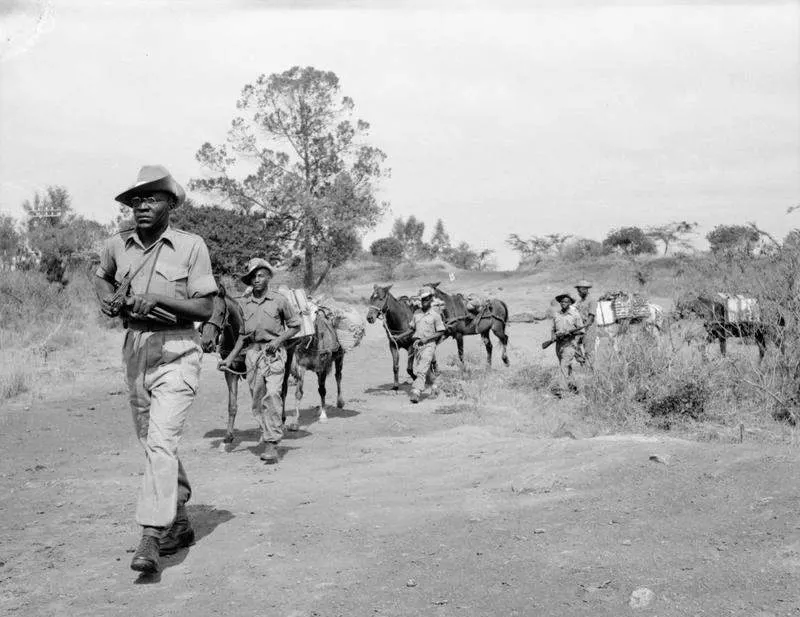
An anti-colonial insurgency and the British campaign against it exposed profound conflicts over land, political power and the future of Kenya.

Open dossier ↗
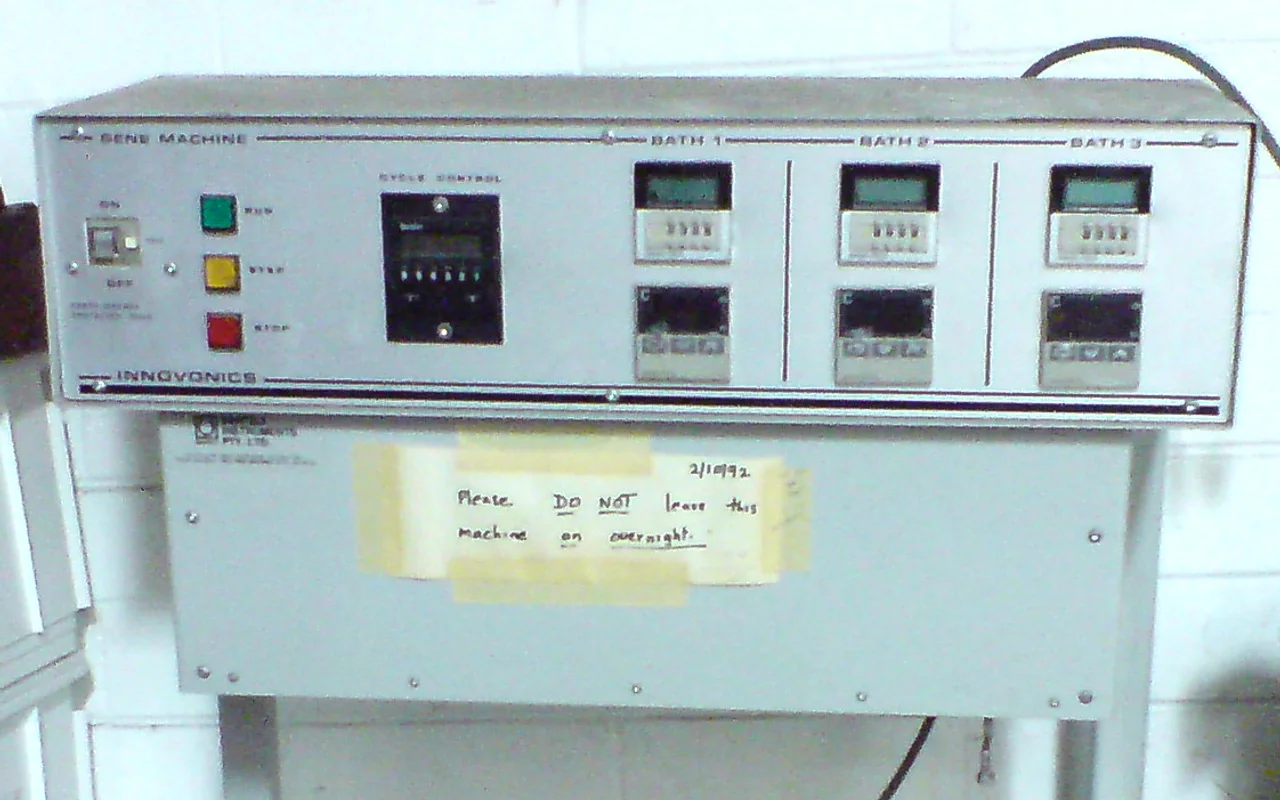
1953–1973 CE · structure, genetic code and recombinant-DNA milestonesEurope · ScienceDNA structure and molecular biology

In 1953 Watson and Crick proposed a double-helix model using constraints including Rosalind Franklin and Raymond Gosling’s diffraction work and Chargaff’s base ratios; later teams deciphered the genetic code and developed recombinant-DNA methods.

Open dossier ↗
1954–1962 CEAfrica · EmpireAlgerian independence: war, sovereignty and the cultural inheritance

The war for independence ended French colonial rule in Algeria. Political sovereignty also raised questions about archives, art and who would control the cultural inheritance.

Open dossier ↗
1954–1984 CE · transplantation and immunosuppression milestonesAmericas · MedicineOrgan transplantation and immunosuppression

A successful 1954 kidney transplant between identical twins avoided immune rejection; tissue matching, organ preservation and immunosuppressive regimens later made transplants between genetically different people increasingly viable.

Open dossier ↗
1954–2021 CE · selected solar, wind and power-system milestonesGlobal · TechnologyRenewable electricity and the energy transition

The 1954 practical silicon solar cell anchors a selected sequence in which photovoltaic manufacturing, larger wind turbines, power electronics, storage and grid operation made variable renewable electricity increasingly deployable.

Open dossier ↗
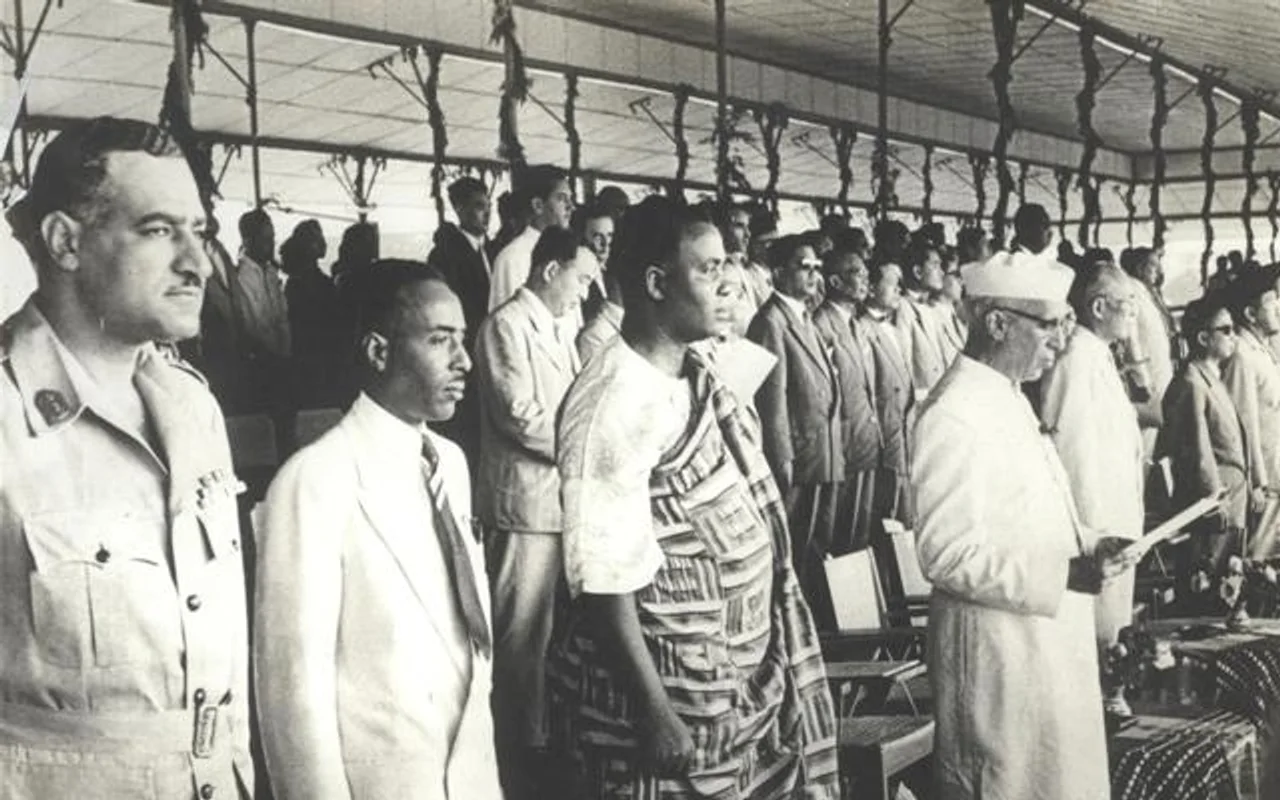
1955–1961 CE · Bandung conference and Belgrade founding milestonesGlobal · RightsBandung and the Non-Aligned Movement

Delegates from twenty-nine Asian and African states met at Bandung in April 1955 to debate colonialism, cooperation and peace. Six years later, a partly overlapping group formally founded the Non-Aligned Movement at Belgrade.

Open dossier ↗
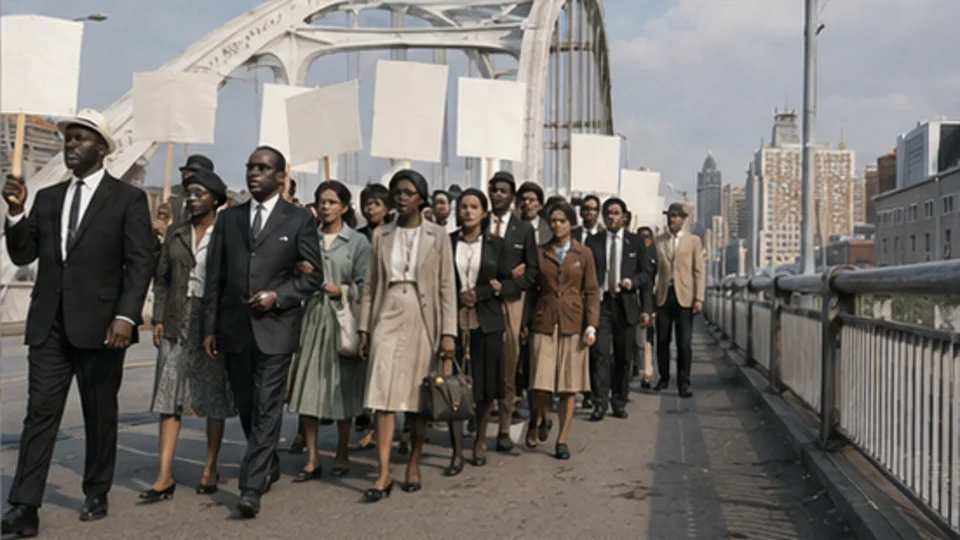
1955–1968 CE · selected mass-movement and federal-law phaseAmericas · RightsCivil Rights Movement

A selected phase of a much longer Black freedom struggle challenged segregation, disenfranchisement and racial violence through litigation, boycotts, direct action, community organizing and mass political mobilization.

Open dossier ↗
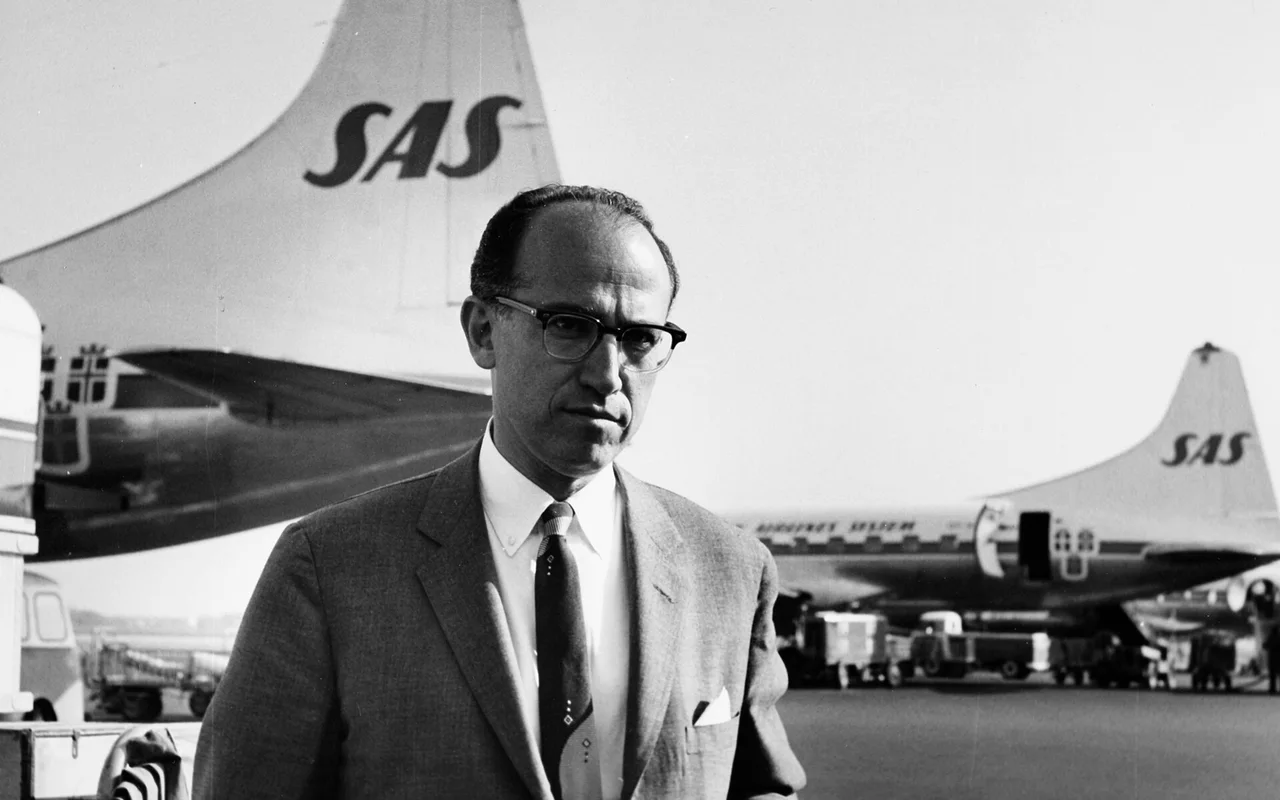
1955–1988 CE · vaccine and eradication-campaign milestonesGlobal · MedicinePolio vaccines and mass immunization

The inactivated Salk vaccine was licensed in 1955 and oral Sabin vaccines followed in the early 1960s; manufacturing, surveillance and mass campaigns then sharply reduced poliomyelitis in many countries.

Open dossier ↗
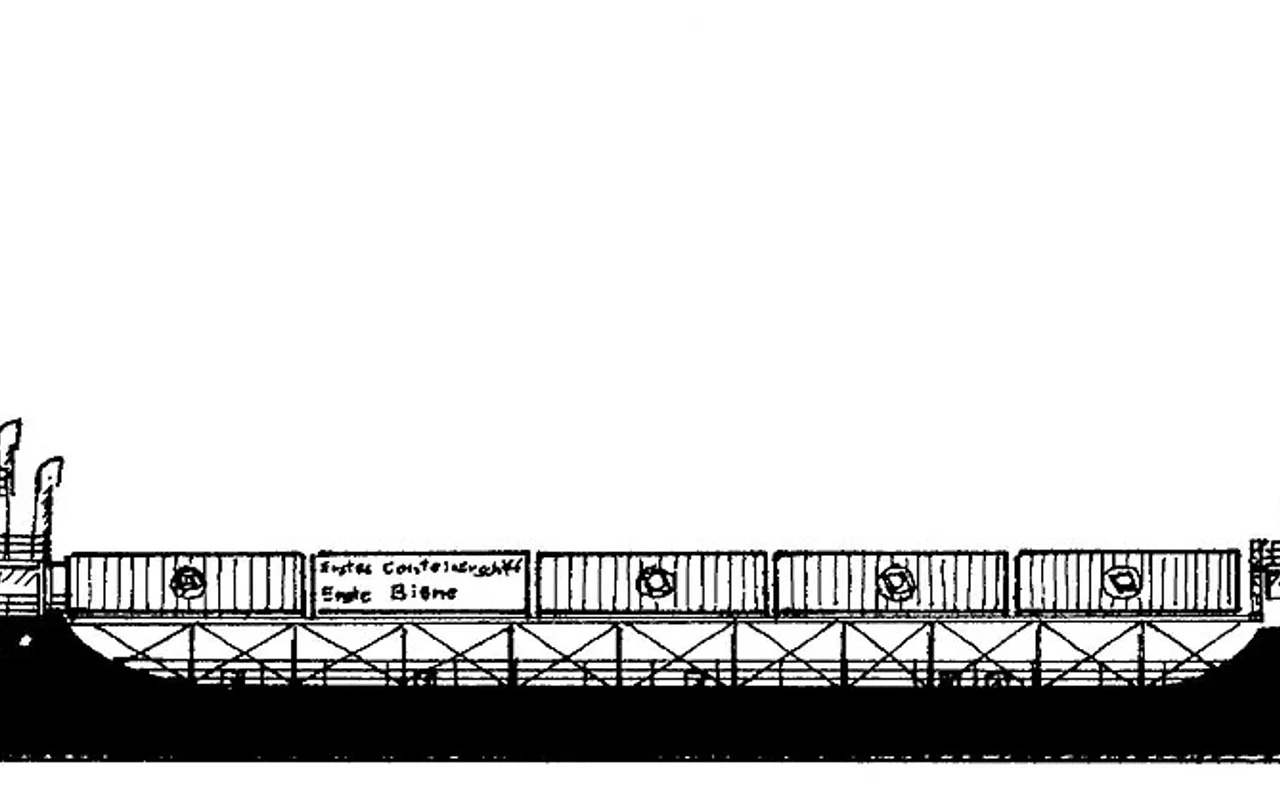
1956–2021 CE · selected shipping and supply-chain milestonesGlobal · TradeContainerization and global supply chains

The Ideal-X voyage in 1956 was one milestone in a larger system of standard containers, cranes, ships, rail and road links, safety rules and port redesign that reduced handling time and reorganized trade.

Open dossier ↗
1956 CEAfrica · WarThe Suez Crisis and the limits of European empire

Egypt’s nationalisation of the Suez Canal Company was followed by an Israeli attack and British-French intervention, making control of a trade artery a global crisis.

Open dossier ↗
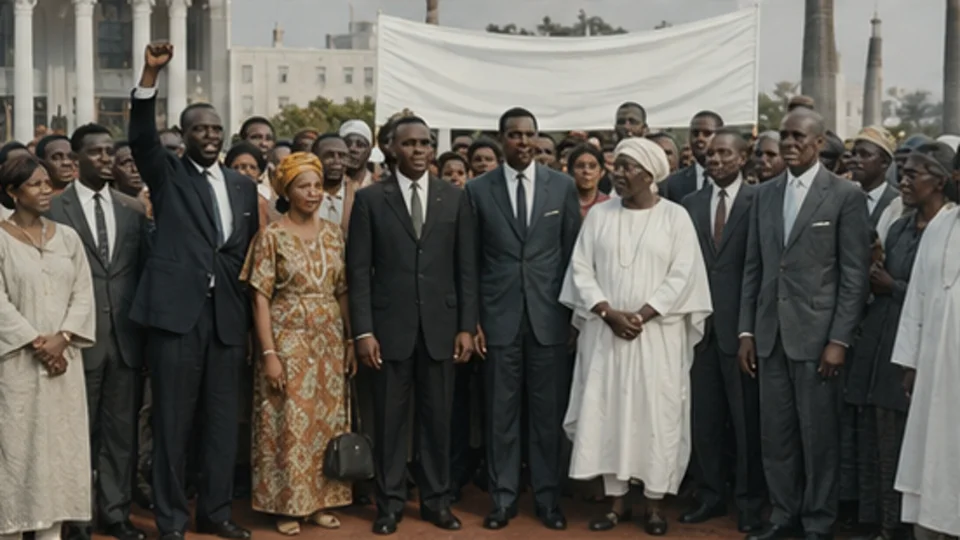
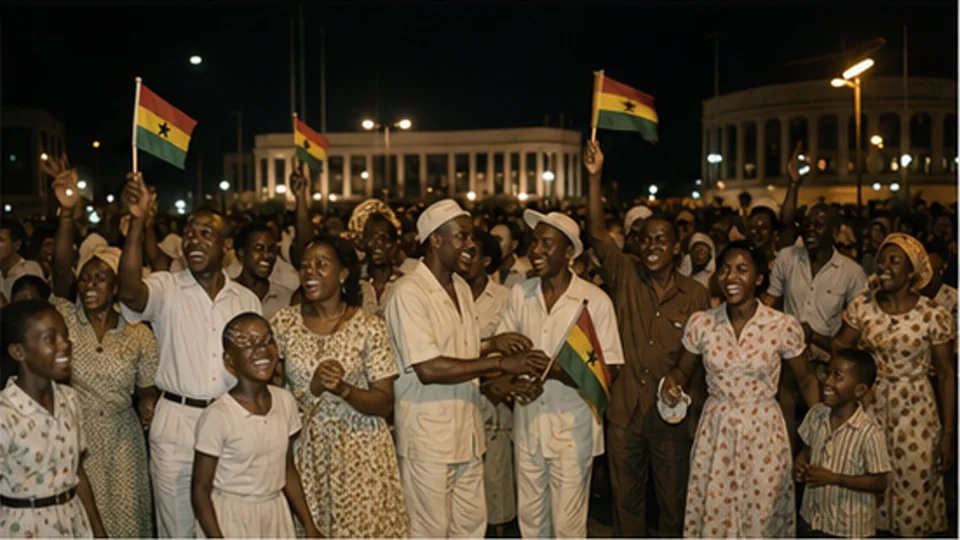
6 March 1957 CE · Gold Coast becomes GhanaAfrica · RightsGhanaian independence

The British colony of the Gold Coast became independent Ghana on 6 March 1957 after strikes, elections, constitutional negotiation and mass anticolonial organizing led through—but not confined to—the Convention People’s Party.

Open dossier ↗
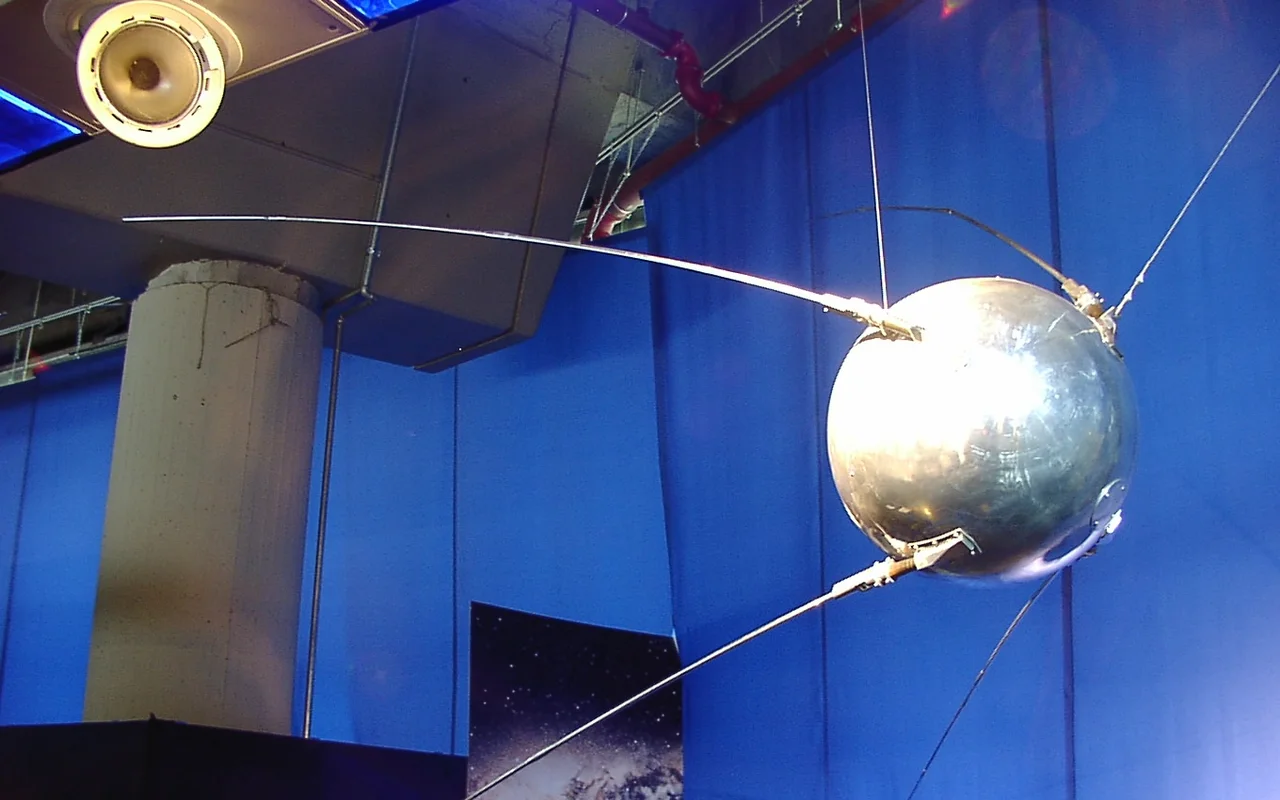
1957–1990 CE · selected satellite and observing milestonesGlobal · ScienceSpace age and Earth observation

Sputnik 1 inaugurated artificial Earth orbit in 1957; weather, communications and land-observing satellites then developed as distinct systems, while probes and observatories extended research across the Solar System and universe.

Open dossier ↗
1958–1962 CEAsia · RightsThe Great Leap Forward and China’s famine

A drive for accelerated socialist production reorganised rural China. The resulting famine killed tens of millions; dates and estimates vary across historical reconstructions.

Open dossier ↗
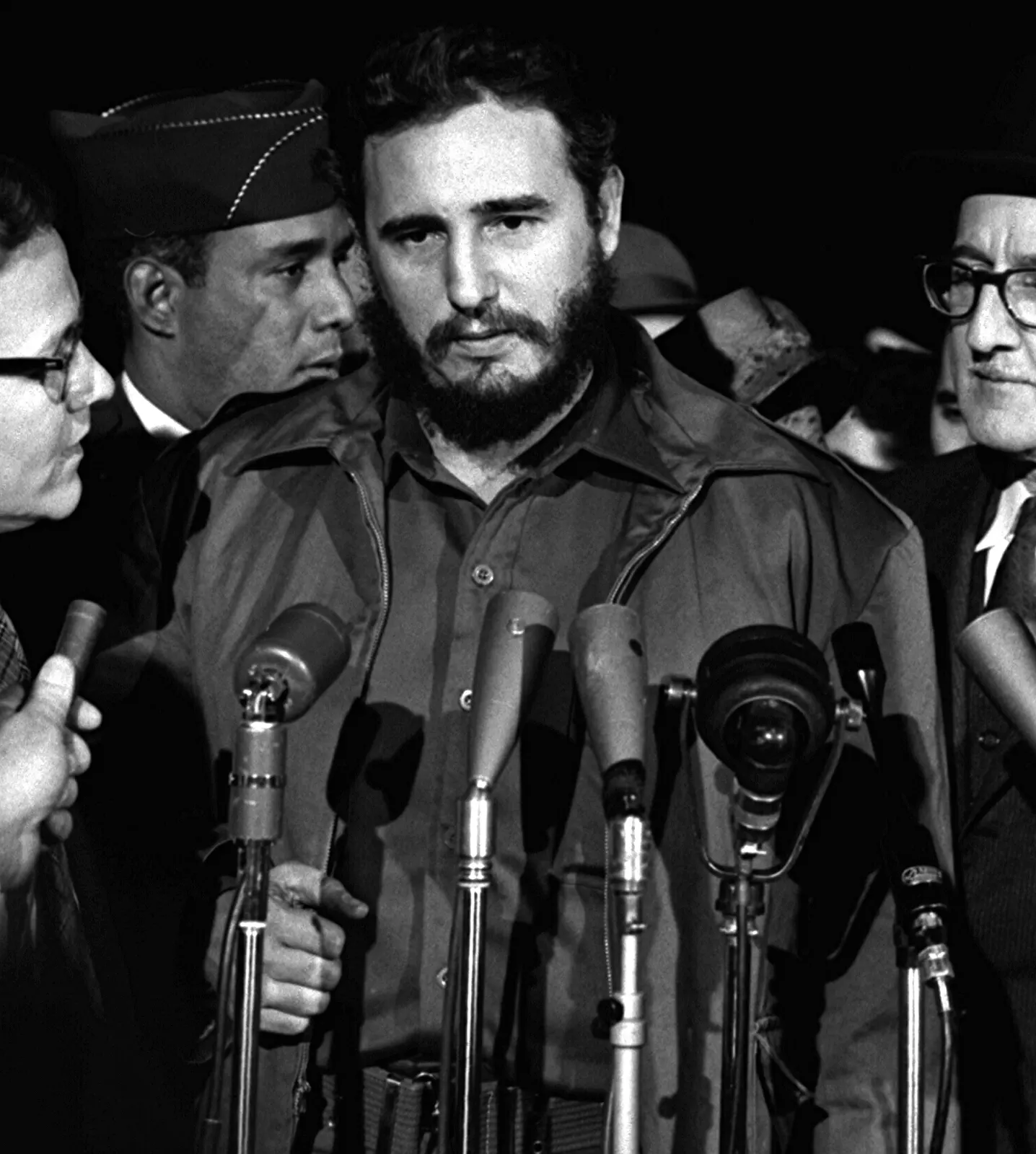
1959–1962 CEAmericas · RightsCuba’s revolution and the changing Cold War alignment

The overthrow of Batista opened a struggle over political power and property. Cuba’s relationship with the United States deteriorated as ties with the Soviet Union strengthened.

Open dossier ↗
1960–1970 CE · selected laser and low-loss fiber milestonesAmericas · TechnologyLasers, fiber optics and modern photonics

Maiman demonstrated a working ruby laser in 1960; Kao and Hockham’s 1966 analysis identified material purity as the route to practical optical communication, and low-loss glass fiber followed in 1970.

Open dossier ↗
1963–2002 CEAfrica · RightsFrom the Organisation of African Unity to the African Union

Independent African states built continental institutions to support liberation, sovereignty and cooperation. The OAU and its successor, the AU, belong to different stages of that project.

Open dossier ↗
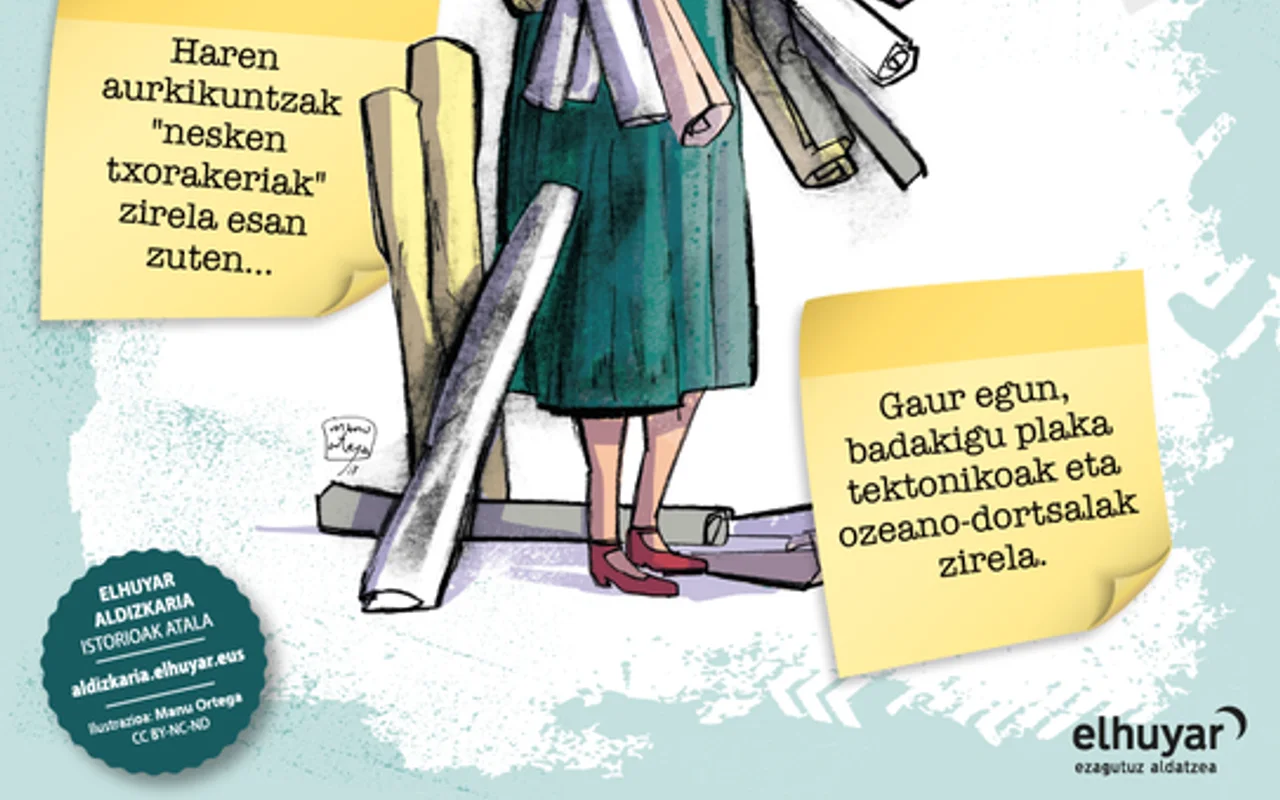
1963–1968 CE · selected seafloor evidence and tectonic synthesisGlobal · SciencePlate tectonics and Earth-system science

Seafloor maps, earthquake patterns, paleomagnetic stripes and spreading hypotheses converged during the 1960s into plate tectonics, a framework that explained moving lithospheric plates, ridges, transform faults and subduction.

Open dossier ↗
1965–1966 CEAsia · RightsIndonesia’s mass killings and imprisonment, 1965–1966

Army units and civilian militias killed vast numbers of communists and alleged sympathisers. Imprisonment and stigma continued after the massacres.

Open dossier ↗
1966–1976 CEAsia · RightsChina’s Cultural Revolution: mobilisation, persecution and power

Mao’s Cultural Revolution mobilised students and other groups against supposed enemies, destabilised institutions and subjected people to persecution.

Open dossier ↗
1966 CEAsia · ScienceThe Green Revolution: IR8 rice, farming systems and uneven gains

The release of IR8 rice illustrates the Green Revolution’s promise of greater yields and the importance of water, inputs and access to technology.

Open dossier ↗
1967 CEOceania · RightsAustralia’s 1967 referendum and First Nations rights

A long campaign secured overwhelming support for removing two discriminatory provisions from the Australian Constitution, while the wider struggle for equality continued.

Open dossier ↗
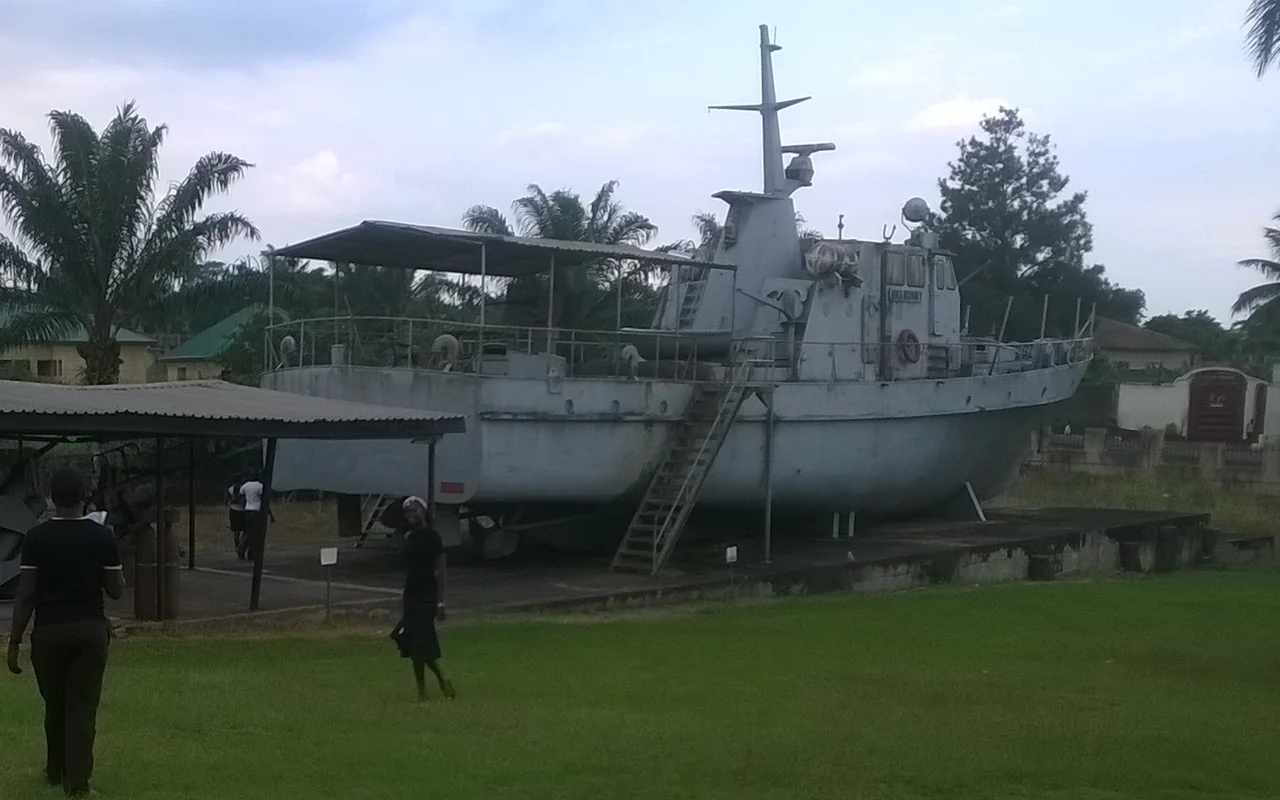
30 May 1967–15 January 1970 CE · secession and civil warAfrica · WarBiafran War and Nigerian humanitarian crisis

Biafra’s secession followed coups, massacres of Igbo people and a crisis of Nigerian federal authority. Federal victory ended the civil war in January 1970 after blockade, fighting, mass hunger, displacement and civilian death whose totals remain disputed.

Open dossier ↗
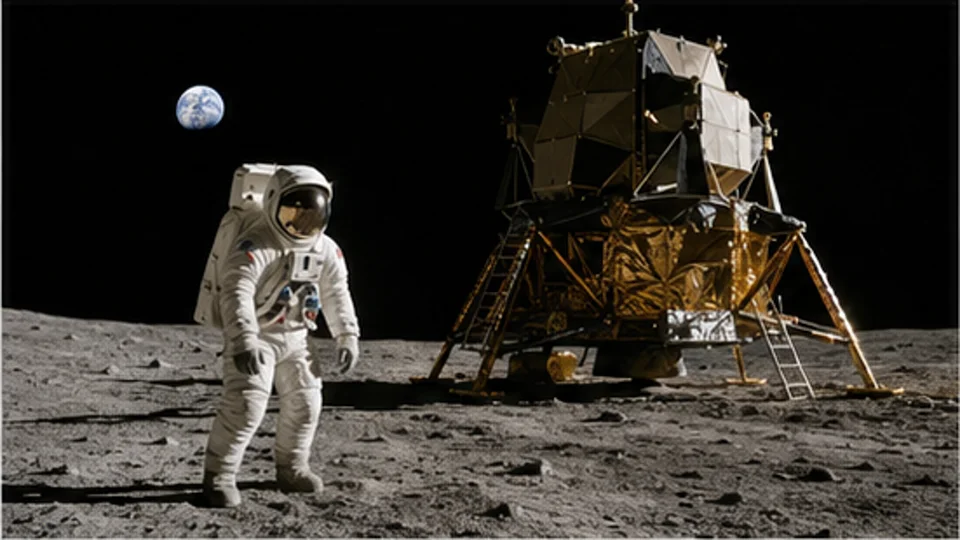
16–24 July 1969 CE · Apollo 11 missionGlobal · ScienceHumans land on the Moon

Apollo 11 carried Neil Armstrong and Buzz Aldrin to the first crewed landing on the Moon while Michael Collins remained in lunar orbit, after an immense mobilization of science, engineering, tracking networks, industry and public funds.

Open dossier ↗
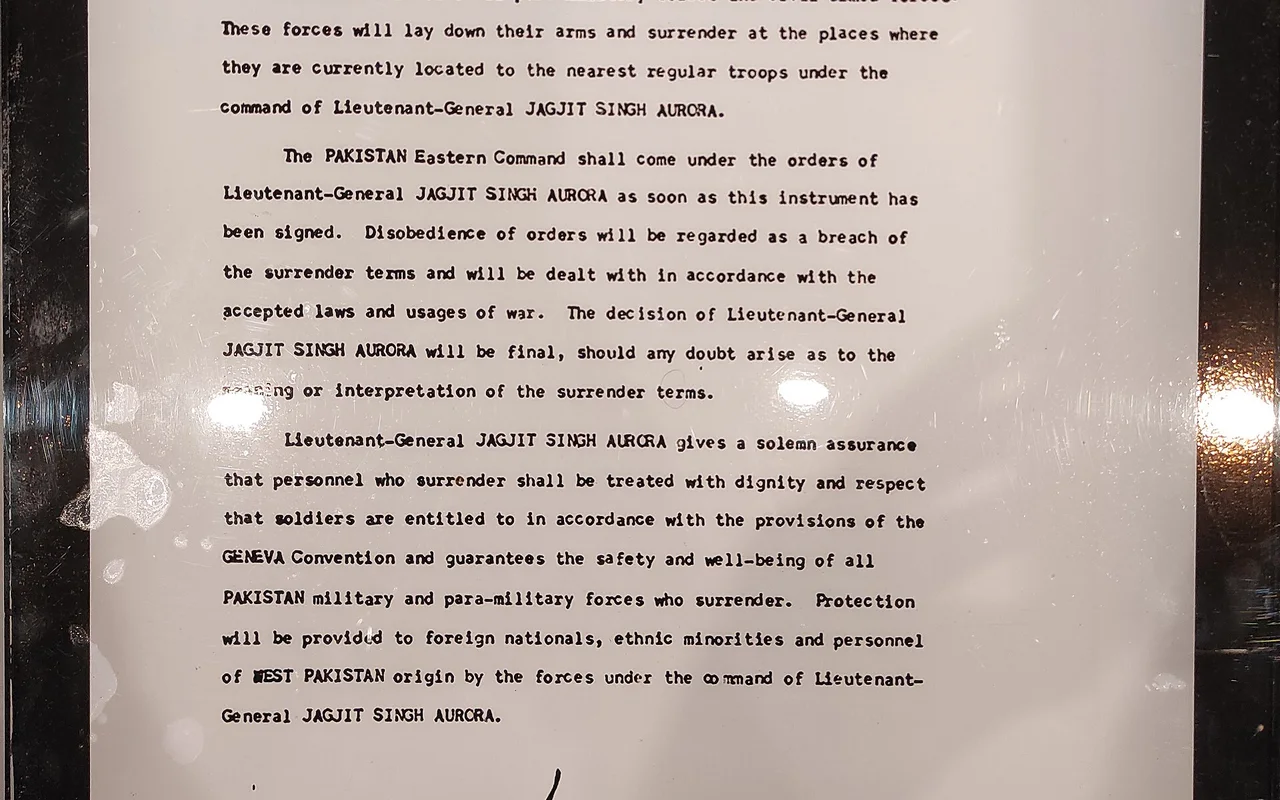
March–December 1971 CE · repression, liberation war and regional interventionAsia · WarBangladesh Liberation War

After the Awami League won Pakistan’s 1970 election, the refusal to transfer power and the Pakistani army’s March 1971 crackdown precipitated war, mass atrocities and flight. Bengali forces fought for independence; Indian intervention in December accelerated Pakistan’s surrender and Bangladesh’s creation.

Open dossier ↗
1971–1977 CE · first clinical CT and foundational MRI milestonesEurope · MedicineCT, MRI and non-invasive medical imaging

Computed tomography reconstructed cross-sectional images from many X-ray measurements, while magnetic-resonance imaging used magnetic fields, radio-frequency signals and spatial encoding. Their first clinical and foundational milestones unfolded through different teams during the 1970s.

Open dossier ↗
1971–2009 CE · selected market, payment and digital-money milestonesGlobal · TradeElectronic markets, digital money and fintech

NASDAQ’s 1971 quotation system anchors a selected history of electronic markets; card and automated-clearing networks, online banking, Kenya’s 2007 M-Pesa service and the 2009 Bitcoin network followed different institutional and technical paths.

Open dossier ↗
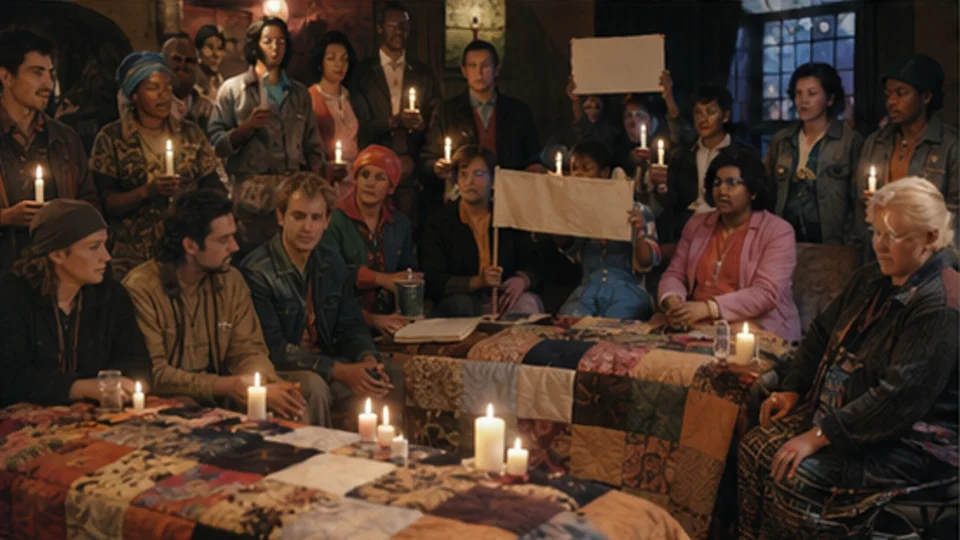
1973–1977 CEAmericas · RightsThe 504 protests and the disability rights movement

Disabled organisers demanded implementation of civil-rights protections. The 1977 protests demonstrated the difference between passing a law and making it effective.

Open dossier ↗
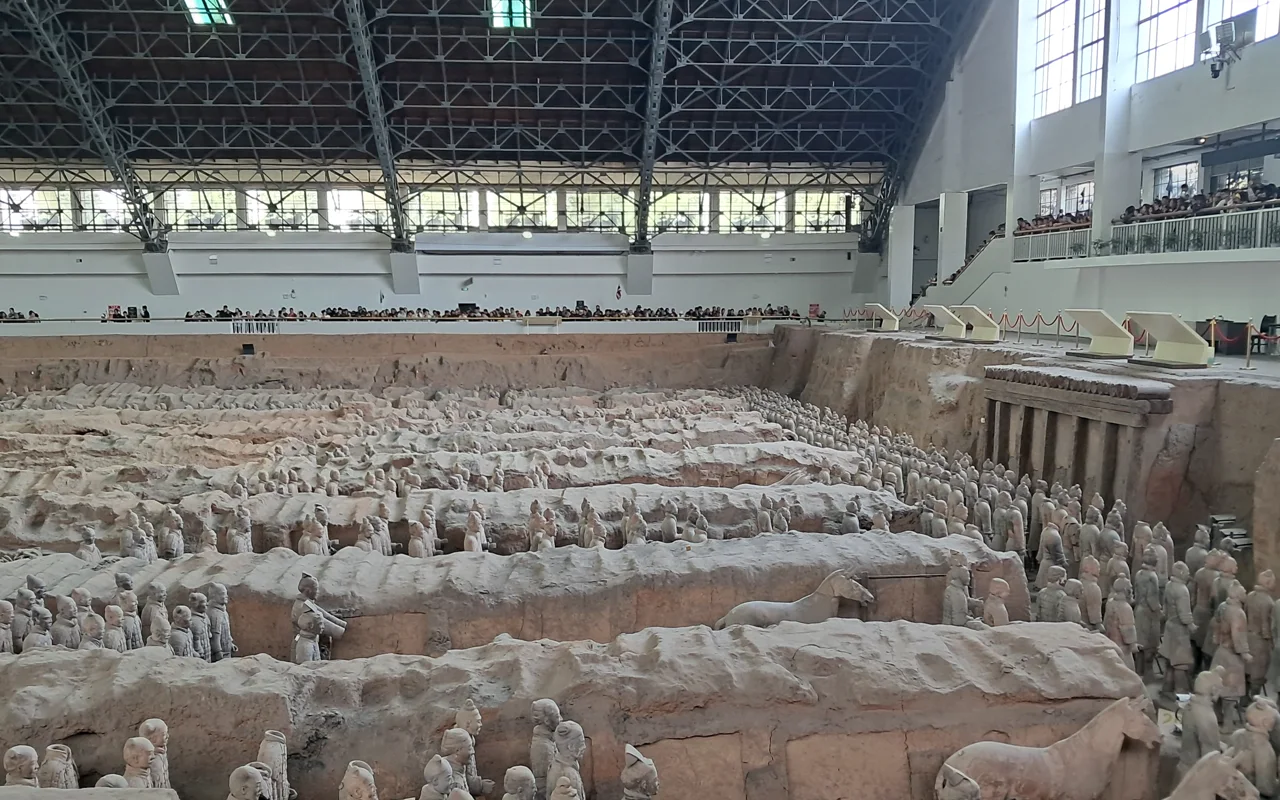
March 1974 CE · chance discovery near Lintong; excavation continuesAsia · ScienceThe Terracotta Army is unearthed

Local well-diggers near Lintong encountered terracotta fragments in March 1974; archaeological investigation then revealed warrior pits within the much larger mausoleum landscape built for Qin Shi Huang.

Open dossier ↗
1975–1979 CEAsia · WarKhmer Rouge rule and mass atrocities in Cambodia

The Khmer Rouge imposed forced labour, persecution and executions in pursuit of a radical agrarian transformation. Nearly two million people died under its rule.

Open dossier ↗
1975–1980 CEAmericas · RightsOperation Condor and dictatorship across borders

South American security services coordinated transnational repression. Exile could offer distance from a dictatorship without guaranteeing safety.

Open dossier ↗
1978–2007 CE · selected satellite, cellular and handheld-navigation milestonesGlobal · TechnologyGPS, mobile networks and digital navigation

GPS satellites, cellular standards and handheld computing developed along separate tracks before converging in mass-market navigation. The 1978 opening marks early GPS launches; the 2007 endpoint marks one influential smartphone transition, not the first mobile telephone or smartphone.

Open dossier ↗
25 July 1978 CE · first live birth following IVFEurope · MedicineIn vitro fertilization and reproductive medicine

Louise Brown’s birth on 25 July 1978 was the first live birth following in vitro fertilization, after years of research, clinical work and unsuccessful cycles involving Robert Edwards, Patrick Steptoe, Jean Purdy, Lesley and John Brown and a wider care team.

Open dossier ↗
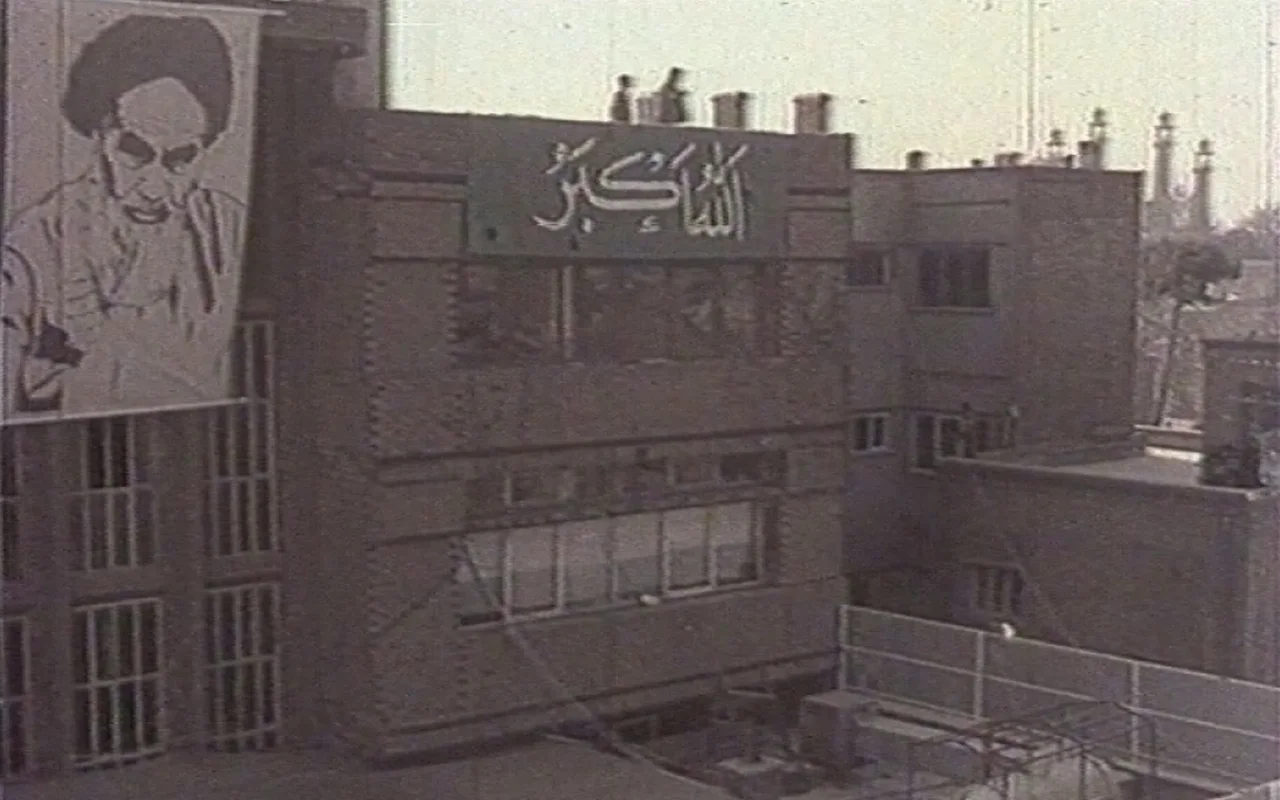
January 1978–December 1979 CE · monarchy falls and an Islamic Republic consolidatesMiddle East · RightsIranian Revolution

A broad and divided coalition of religious, secular, liberal, leftist, student and labour opposition challenged the Pahlavi monarchy through protest and strikes. The Shah left on 16 January 1979, Ayatollah Ruhollah Khomeini returned on 1 February and the monarchy collapsed on 11 February; referendums and a new constitution established an Islamic Republic later that year.

Open dossier ↗
1981–2026 CE · selected epidemic, treatment and activism milestonesGlobal · MedicineHIV/AIDS pandemic and activism

The first recognised U.S. AIDS cases were reported in 1981, but HIV had circulated earlier and the epidemic was global. Identification of HIV, antiretroviral treatment and organised action unfolded over decades rather than as one discovery or one national story.

Open dossier ↗
1982–1993 CEOceania · RightsMabo, Meriam testimony and Indigenous land rights

Meriam plaintiffs challenged the denial of their landholding. The 1992 Mabo judgment recognised native title and helped reshape Australian land law.

Open dossier ↗
1983–1988 CE · concept, thermostable enzymes and automated amplificationAmericas · TechnologyPCR and molecular diagnostics

Polymerase chain reaction used repeated cycles and short primers to copy selected DNA sequences. The 1983 concept became a robust laboratory system through experimental teams, thermostable polymerases, automated thermal cycling and later detection methods.

Open dossier ↗
26 April 1986 CE · reactor explosion, evacuation and continuing consequencesEurope · ScienceChernobyl and nuclear safety

Reactor 4 at the Chernobyl nuclear power station was destroyed during a late-night safety test on 26 April 1986. RBMK reactor vulnerabilities, unsafe operating decisions and a deficient safety culture combined in an explosion and fire that released radioactive material across borders.

Open dossier ↗
4 April 1986 CE · a documented protest within a longer classroom debateAmericas · TechnologyTeachers protest classroom calculator policy

At an April 1986 mathematics-education meeting in Washington, a small group of teachers picketed recommendations supporting calculator access across school grades and argued that basic number skills should come first.

Open dossier ↗
16 September 1987 CE · treaty signed; recovery remains in progressGlobal · ScienceMontreal Protocol and ozone recovery

Countries signed the Montreal Protocol on 16 September 1987 to control the production and consumption of ozone-depleting substances; it entered into force in 1989 and was strengthened through later adjustments and amendments.

Open dossier ↗
1988–2026 CE · assessment, treaty and action milestonesGlobal · ScienceGlobal climate science and action

The IPCC’s creation in 1988 anchors a longer history of greenhouse-gas measurement and modelling. Its assessments, the 1992 UN climate convention, the 2015 Paris Agreement and public movements are distinct milestones in evidence, negotiation and action.

Open dossier ↗
24 April 1990 CE · launch; servicing and observation continue the historyGlobal · ScienceHubble Space Telescope and deep-space vision

Hubble launched on 24 April 1990 with a flawed primary mirror; a 1993 servicing mission installed corrective optics. Later instruments, repeated servicing and worldwide analysis produced influential measurements and images of stars, galaxies and the expanding universe.

Open dossier ↗
1990–April 2003 CE · international reference-sequence projectGlobal · ScienceHuman Genome Project and genomics

The publicly funded Human Genome Project coordinated laboratories in several countries to map and sequence a composite human reference, releasing a working draft in 2000 and declaring the project substantially complete in April 2003.

Open dossier ↗
1991–2001 CEEurope · WarThe Yugoslav wars: distinct conflicts and civilian displacement

Yugoslavia’s disintegration produced several wars with different chronologies. Political mobilisation, territorial projects and organised violence shaped their course.

Open dossier ↗
1989–30 April 1993 CE · proposal, first public service and open releaseGlobal · TechnologyWorld Wide Web opens

Tim Berners-Lee proposed a linked-information system at CERN in 1989; he and collaborators built a browser/editor, server, URLs, HTTP and HTML, and the first public website appeared in 1991. CERN's 30 April 1993 release put core Web software in the public domain.

Open dossier ↗
7 April–mid-July 1994 CE · genocide against the Tutsi and regional aftermathAfrica · RightsRwandan genocide and regional aftermath

From 7 April to mid-July 1994, state authorities, armed forces, militias and mobilised civilians carried out genocide against the Tutsi in Rwanda and murdered Hutu and others who opposed it. The Rwandan Patriotic Front's military advance ended the genocidal regime.

Open dossier ↗
1995 CEEurope · WarSrebrenica: genocide, evidence and accountability

The fall of a UN-designated safe area was followed by the organised killing of Bosnian Muslim men and boys and the expulsion of other residents.

Open dossier ↗
11 September 2001–2021 CE · attacks and selected U.S.-led war phaseGlobal · WarSeptember 11 and the global War on Terror

Al-Qaeda hijackers attacked New York and the Washington area on 11 September 2001 and killed nearly three thousand people. The U.S. invaded Afghanistan in October; the 2003 Iraq invasion followed within the wider 'War on Terror' even though Iraq was not operationally responsible for the attacks.

Open dossier ↗
2007–2012 CE · housing and credit crisis through uneven aftermathGlobal · TradeGlobal financial crisis and its aftermath

Falling U.S. house prices exposed risky mortgages, securitisation, leverage and fragile short-term funding. Losses spread through interconnected banks and markets; the September 2008 failure of Lehman Brothers marked an acute phase, not the beginning or whole cause of the crisis.

Open dossier ↗
17 December 2010–2012 CE · selected opening phase of diverse uprisingsMiddle East · RightsArab uprisings

After Mohamed Bouazizi's self-immolation in Tunisia on 17 December 2010, mass protests challenged authoritarian governments across North Africa and the Middle East. Grievances, coalitions, state responses and outcomes differed sharply by country.

Open dossier ↗
2012–2018 CE · programmable Cas9 and a germline-ethics ruptureAmericas · TechnologyCRISPR gene editing

Research on repeated microbial DNA and bacterial adaptive immunity preceded the 2012 demonstration that CRISPR-Cas9 could be programmed to cut selected DNA. Many laboratories then adapted CRISPR systems for cells, organisms, diagnostics and treatment research.

Open dossier ↗
2012–2023 CE · selected deep-learning adoption, not the origin of artificial intelligenceGlobal · TechnologyMachine learning, deep learning and AI systems

A 2012 image-recognition result became a visible threshold in a much longer history of statistics, neural networks, backpropagation, specialised processors, benchmark datasets and networked computing. Later transformer and foundation-model systems extended machine learning into language and other media.

Open dossier ↗
December 2013–June 2016 CE · outbreak, emergency declaration and final transmission chainsAfrica · MedicineWest African Ebola epidemic

The largest recorded Ebola outbreak began in Guinea and spread principally through Liberia and Sierra Leone. WHO declared a Public Health Emergency of International Concern in August 2014; transmission chains were interrupted through local care, surveillance, safer burials, community adaptation and international support, with the outbreak declared over in June 2016.

Open dossier ↗
February 2014–7 September 2026 CE · occupation, Donbas war and full-scale invasion; review boundaryEurope · WarRussia–Ukraine War

Russia seized and annexed Crimea in 2014 in an act rejected by the UN General Assembly, while war developed in Donbas. Russia launched its full-scale invasion of Ukraine on 24 February 2022. Fighting, occupation, strikes and displacement remained ongoing at this dossier’s 7 September 2026 review boundary.

Open dossier ↗
14 September 2015–17 August 2017 CE · first direct wave and neutron-star multimessenger milestonesGlobal · ScienceGravitational waves and multimessenger astronomy

Advanced LIGO observed GW150914 from merging black holes on 14 September 2015, the first direct detection of gravitational waves. LIGO and Virgo observed the neutron-star merger GW170817 on 17 August 2017; telescopes then found gamma-ray and other electromagnetic counterparts.

Open dossier ↗
2017–7 September 2026 CE · transformer research through mass public adoption; selected review boundaryGlobal · TechnologyGenerative AI enters mass use

Transformer research published in 2017 contributed to later foundation models, while diffusion and other model families advanced image, audio and video generation. Public tools reached mass use from 2022, but no single chatbot or company invented generative artificial intelligence.

Open dossier ↗
30 January 2020–5 May 2023 CE · WHO global-emergency boundary; disease continuesGlobal · MedicineCOVID-19 pandemic emergency

After cases of a new coronavirus disease were identified in late 2019, WHO declared a Public Health Emergency of International Concern on 30 January 2020 and characterised COVID-19 as a pandemic on 11 March. WHO ended the PHEIC on 5 May 2023 because COVID-19 had become an established, ongoing health issue—not because the virus or every pandemic consequence disappeared.

Open dossier ↗
2020–2023 CE · first COVID-19 authorizations and Nobel recognition of enabling scienceEurope · MedicinemRNA vaccines

COVID-19 mRNA vaccines authorized in 2020 combined decades of work on messenger RNA, modified nucleosides, lipid nanoparticles, antigen design, manufacturing and clinical trials. The platform instructs cells to make an antigen; it does not alter the recipient’s genome.

Open dossier ↗
25 December 2021–12 July 2022 CE · launch, commissioning and first science-image releaseGlobal · ScienceJames Webb Space Telescope

Webb launched on an ESA-provided Ariane 5 from French Guiana on 25 December 2021, unfolded and aligned its segmented mirror near the Sun–Earth L2 region and completed commissioning before its first public science images and spectra were released in July 2022.

Open dossier ↗
7 October 2023–7 September 2026 CE · attacks, Gaza war and regional escalation; review boundaryMiddle East · WarIsrael–Palestine war and regional escalation

Hamas and other Palestinian armed groups attacked communities and military sites in Israel on 7 October 2023, killing civilians and taking hostages. Israel’s ensuing military campaign in Gaza caused enormous Palestinian civilian death, destruction and displacement. Violence also spread through connected regional fronts and remained unresolved at the 7 September 2026 review boundary.

Open dossier ↗

Interactive historical map

See parallel histories in their places.

Move through a selected year and time window. The numbered markers show the events occurring closest together, so the world is never reduced to a single storyline.

Geographic atlas10 connected events

Markers identify focal places or labelled approximate regional locations; they do not show historical borders.

30–67 CE · Apostolic Church and Paul’s journeys · Eastern Mediterranean1c. 1st–8th centuries CE · Kingdom of Aksum · Aksum2c. 4 BCE–c. 30 CE · approximate chronology · Life and ministry of Jesus Christ · Jerusalem364–311 CE · Christian persecution before Constantine · Rome470 CE · Destruction of Jerusalem · Jerusalem527 BCE–180 CE · Pax Romana · Rome6206 BCE–220 CE · Han China: cities, households and a connected empire · Asia · approximate regional placement7800 BCE–900 CE · Maya city-states and knowledge · Tikal81000 BCE–1500 CE · Bantu-speaking migrations and African ironworking networks · Central African networks91000 BCE–350 CE · Kush and Nubian kingdoms · Meroë10
Science & technologyConflictFaithExchangeRights

Use the timeline to move through time; select a marker to follow its dossier and its connections.

Selected year30 CE
3100 BCE1 CE14532026
Show within
Look through a lens
Science moments
Parallel tracks near this moment
Read the selected dossier: Apostolic Church and Paul’s journeys →
Parallel historyFour places. One historical moment.
Karnak Khonsu Temple R01.jpg. The Temple of Khonsu at Karnak, photographed in 2012. Present-day architectural remains illustrate the ancient Egyptian setting.

Selected historical dossier

3100–1070 BCE · Africa

Ancient Egypt: Nile kingdoms and the New Kingdom

For more than two millennia, Nile Valley kingdoms developed durable systems of agriculture, writing, taxation, religion, craft and state power. The New Kingdom extended Egyptian rule into Nubia and the eastern Mediterranean while leaving a vast architectural and textual record.

In simple terms, this was a major reorganization of political authority and social life. Its effects reached beyond Africa because people, institutions and ideas carried the consequences into other regions and later generations.

Watch museum film · 21 min1 / 3 scene
1 of 279Chronological atlas
The Temple of Khonsu at Karnak, photographed in 2012. Present-day architectural remains illustrate the ancient Egyptian setting.
01

What happened

For more than two millennia, Nile Valley kingdoms developed durable systems of agriculture, writing, taxation, religion, craft and state power. The New Kingdom extended Egyptian rule into Nubia and the eastern Mediterranean while leaving a vast architectural and textual record.

Modern museum photograph of the Sphinx of Hatshepsut, carved ca. 1473–1458 BCE in the New Kingdom. The royal sculpture combines a lion body with Hatshepsut’s human head; it is not a photograph of the ancient ruler.
02

People & communities

Egyptian farmers · craftspeople · scribes · Nubian communities · Hatshepsut · Akhenaten · Ramesses II

Modern museum photograph of a wooden model paddling boat from the tomb of Meketre, ca. 1981–1975 BCE, Middle Kingdom. This earlier funerary model illustrates boat imagery in the Nile kingdoms; it is not a New Kingdom vessel or a working-boat reconstruction.
03

Why this matters

Egypt belongs at the centre of African and Mediterranean history, not merely as a background for later archaeology. Its institutions, diplomacy, learning and artistic traditions shaped generations of neighbouring societies.

Chronology3100–1070 BCE

Ancient World · Africa

Historical actorsEgyptian farmers · craftspeople · scribes · Nubian communities · Hatshepsut · Akhenaten · Ramesses II

Named leaders, communities and affected populations.

Evidence trailMetropolitan Museum of Art · UNESCO · Egyptological scholarship

Use the linked museums, archives and reference collections above for deeper reading and media.

Biblical history beside world history

Read the sacred narrative in its historical setting.

Biblical quotations are paired with archaeology, empires and surrounding political worlds. Confessional interpretations are labeled rather than presented as neutral scholarship.

Curated pathways

Enter history from more than one door.

Follow a region or theme across centuries, then compare it with events unfolding elsewhere during the same period.
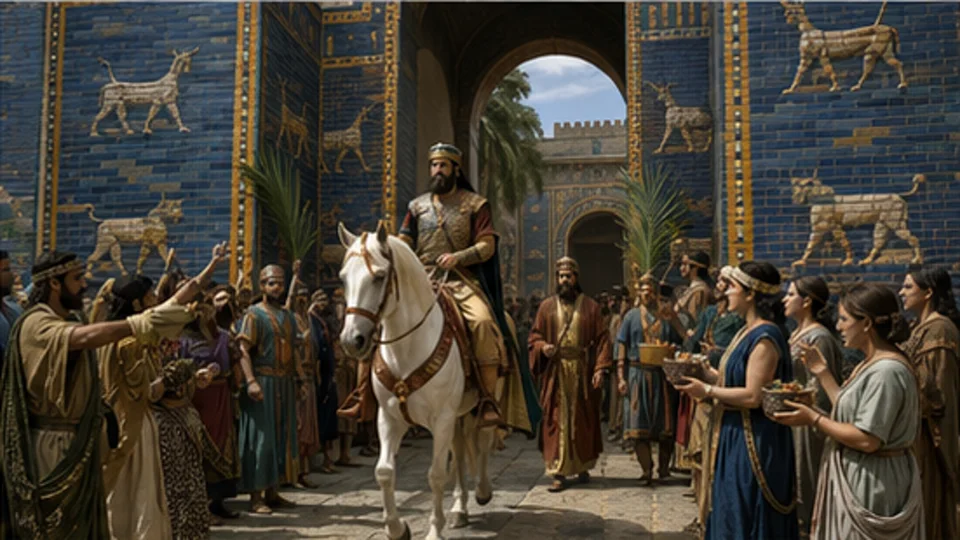
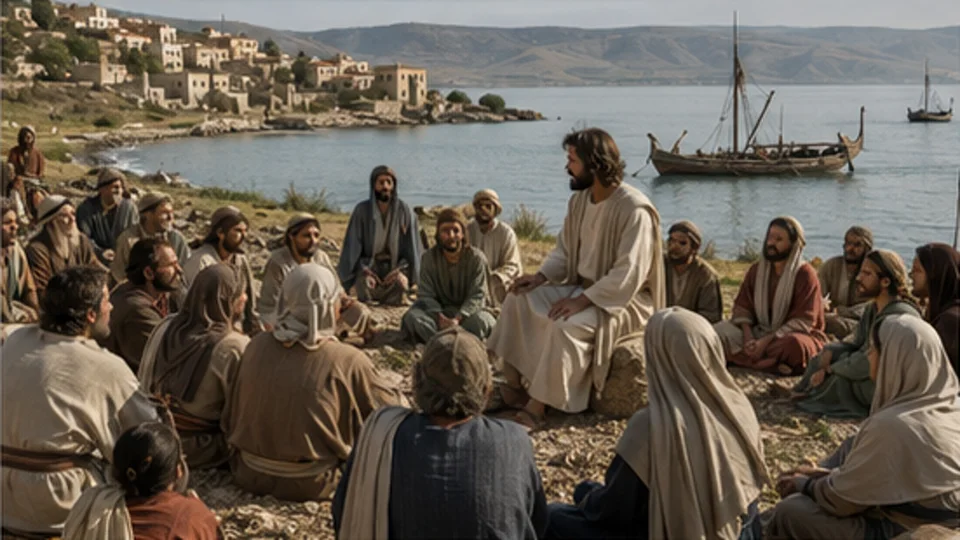
Visual pathway for Africa through world history01

Africa through world history

Kush · Aksum · Mali · Asante · Adwa · independence

Visual pathway for Faith and religious history02

Faith and religious history

Biblical worlds · early church · Waldensians · Reformation

Visual pathway for Wars and resistance03

Wars and resistance

Classical wars · Hussites · world wars · anti-colonial struggles

Visual pathway for Disease and public health04

Disease and public health

Plague · smallpox · influenza · HIV/AIDS · Ebola · COVID-19

Visual pathway for Scientific breakthroughs05

Scientific breakthroughs

Optics · print · vaccination · electricity · space · DNA · AI

Visual pathway for Rights and social movements06

Rights and social movements

Abolition · labour · suffrage · civil rights · decolonization

Visual pathway for Asia through world history07

Asia through world history

Qin · Silk Roads · Mongols · Mughal India · Meiji Japan · China

Visual pathway for Americas through world history08

Americas through world history

Maya worlds · Atlantic revolutions · abolition · civil rights